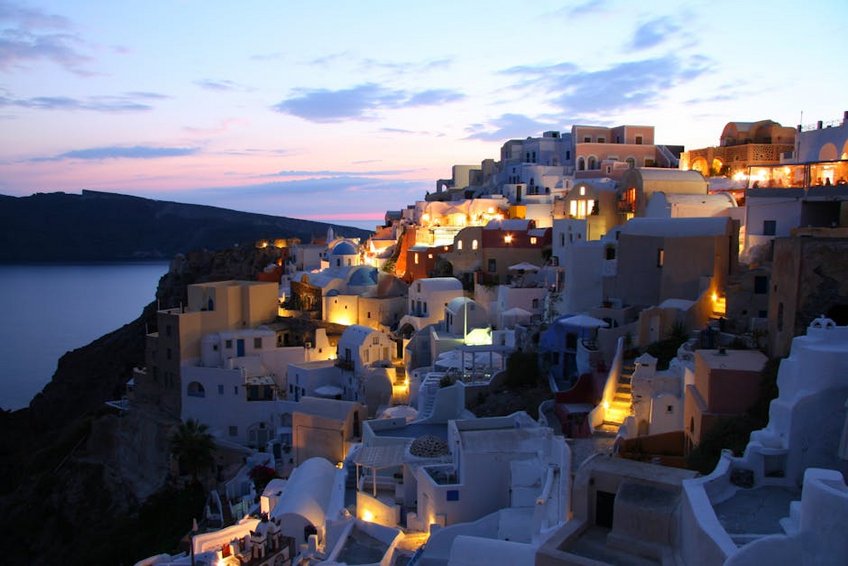
Best Time to Visit Santorini Greece for Ideal Weather and Experiences
Selecting the best time to visit Santorini Greece ensures you encounter optimal conditions for exploring its iconic landscapes and avoiding excessive tourist crowds. This Cycladic island delivers stunning caldera views, unique volcanic beaches, and charming whitewashed villages that shift dramatically with seasonal changes. Our guide details monthly weather patterns, crowd fluctuations, and seasonal activity availability to streamline your vacation planning.
Essential Santorini Information
Santorini’s Mediterranean climate features hot, dry summers and mild, rainy winters with significant seasonal variations. The island experiences strong meltemi winds during July and August that occasionally disrupt ferry services and outdoor activities. Average summer temperatures range from 75°F to 85°F (24°C to 29°C) while winter sees 50°F to 60°F (10°C to 16°C).
The island’s unique geography stems from a massive volcanic eruption around 1600 BC that created the spectacular caldera. Santorini’s coastline offers diverse beach experiences from red and black volcanic sands to organized pebble shores. Key villages like Oia, Fira, and Imerovigli perch dramatically on cliff edges overlooking the Aegean Sea.
Santorini Climate Overview
Understanding Santorini’s weather patterns helps maximize your comfort during island explorations. Summer brings minimal rainfall and abundant sunshine perfect for beach days and sailing excursions. Winter months see increased precipitation but offer peaceful exploration opportunities without crowds.
Key Geographical Features
Santorini’s volcanic origins create unique landscapes found nowhere else in Greece. The caldera measures approximately 12km by 7km with depths reaching 400 meters in places. Beaches like Red Beach and Perissa showcase the island’s geological diversity through colored sands and dramatic cliffs.
Historical and Cultural Context
Santorini’s history connects deeply to Minoan civilization and later Venetian influences visible in architecture. The island preserves ancient Akrotiri archaeological site dating back to Bronze Age settlements. Traditional festivals celebrate religious events and local harvests throughout the year.
Best Time to Visit Santorini Greece – Planning Your Trip
Planning your Santorini adventure requires balancing weather preferences with crowd tolerance and budget considerations. The best time to visit Santorini Greece typically falls during shoulder seasons of April-May and September-October. These periods combine pleasant temperatures, reduced tourist numbers, and lower accommodation prices.
Summer months from June through August attract the largest crowds but guarantee reliable sunshine and warm sea temperatures. Winter visits from November to March offer solitude and significant savings despite cooler weather and limited ferry connections. Your ideal timing depends on whether you prioritize beach activities, photography conditions, or cultural immersion.
Best Time to Visit Santorini for Weather
Peak weather conditions occur between late May and early October with virtually guaranteed sunshine. July and August deliver the hottest temperatures averaging 84°F (29°C) but often exceed 90°F (32°C) during heatwaves. Shoulder months provide ideal comfort with April and October averaging 68°F (20°C) for extensive exploration.
Winter brings cooler conditions with January temperatures dropping to 52°F (11°C) and increased rainfall. The meltemi winds peak in July and August creating windy conditions particularly on the western caldera side. Spring and autumn balance comfortable temperatures with minimal wind interference for outdoor activities.
Budget Planning and Costs
Your Santorini budget varies significantly based on travel timing and accommodation choices.
- Budget travel costs $70-120 daily using hostels, self-catering, and public transport during shoulder seasons with flight deals from $500 roundtrip from major European hubs.
- Mid-range budgets of $150-250 daily cover boutique hotels, restaurant meals, and organized tours with flights from $700 during popular months.
- Luxury experiences require $300-500+ daily for caldera-view suites, private tours, and fine dining with premium flight options exceeding $1000 during peak season.
- Santorini Municipal Tourism Organization
- Greeka Santorini Travel Guide
Essential Preparation Checklist
Pack lightweight clothing, swimwear, and sturdy walking shoes for Santorini’s varied terrain and activities. Include sun protection with high SPF sunscreen, hats, and sunglasses for intense Mediterranean sun exposure. Prepare for evening breezes with light jackets especially during spring and autumn visits.
Secure travel insurance covering medical emergencies and trip cancellations before booking. European visitors need valid ID cards while US passport holders require no visa for stays under 90 days. Book popular accommodations and ferry transfers 3-4 months in advance for peak season visits.
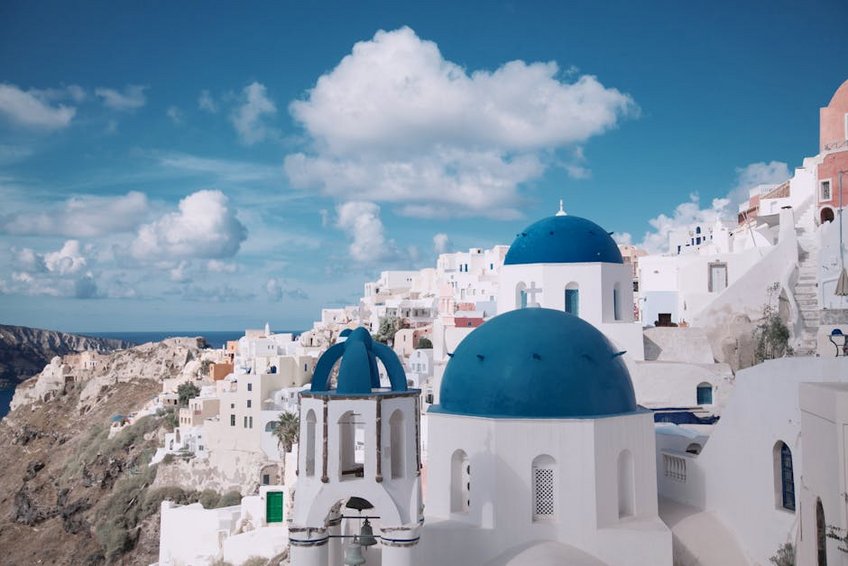
Alt: “santorini-caldera-oia-sunset-view”
Top Attractions and Activities
Santorini’s diverse attractions range from ancient archaeological sites to stunning natural formations and iconic village landscapes. The island offers something for every traveler whether you seek historical immersion, photographic opportunities, or relaxation. Seasonal variations affect accessibility and crowd levels at popular sites throughout the year.
Summer months provide ideal conditions for beach activities and boat tours around the caldera and volcanic islands. Spring and autumn deliver perfect weather for hiking the Fira-Oia cliff path and exploring archaeological sites without extreme heat. Winter visits focus more on village exploration, museum visits, and enjoying the peaceful atmosphere.
Must-See Highlights
Oia village delivers the iconic Santorini experience with its blue-domed churches and spectacular sunset views. Visit late afternoon for photography but arrive early to secure viewing spots during peak season. Entrance to the village remains free with sunset viewing areas accessible to all visitors.
Ancient Akrotiri archaeological site presents remarkably preserved Minoan settlement ruins dating back 3600 years. The site operates year-round with covered walkways protecting visitors from summer heat. Tickets cost approximately $12 with reduced winter hours from November to March.
Red Beach showcases Santorini’s unique geology with dramatic crimson cliffs contrasting against deep blue waters. Access involves a short walk from the parking area with limited facilities available. Summer months see crowding so visit early morning or late afternoon for better experience.
Hidden Gems and Local Favorites
Pyrgos village retains authentic charm with its medieval castle and traditional architecture away from main tourist routes. The village offers panoramic island views from its highest point with several excellent tavernas serving local cuisine. Visit during morning hours to experience peaceful alleyways before day-trippers arrive.
Amoudi Bay provides stunning swimming spots and seafood restaurants beneath Oia’s cliffs. Access requires descending 300 steps but rewards with crystal-clear waters and dramatic scenery. Local fishermen supply daily catches to waterfront tavernas offering freshest seafood options.
Profitis Ilias Mountain stands as Santorini’s highest point at 567 meters with monastery and spectacular views. The site remains less crowded than coastal attractions with cool breezes providing summer relief. Drive or join organized tours for access with minimal entrance fees required.
Seasonal Activities Guide
Spring brings perfect conditions for hiking and wildflower photography across the island’s trails. The Fira to Oia cliff path spans approximately 10km with breathtaking caldera views throughout. April and May offer comfortable temperatures around 70°F (21°C) for extended outdoor exploration.
Summer focuses on water activities with boat tours visiting the volcanic islands and hot springs. Numerous operators offer daily excursions from $30 per person including hotel transfers. July and August provide warmest sea temperatures around 77°F (25°C) for swimming and snorkeling.
Autumn delivers wine harvest experiences with vineyard tours and tastings available across the island. Santorini’s unique grape varieties thrive in volcanic soil producing distinctive Assyrtiko wines. September and October see fewer visitors while maintaining pleasant weather for outdoor activities.
Practical Travel Information
Santorini’s infrastructure supports tourists well with multiple transportation options and accommodation varieties. The island connects efficiently to mainland Greece and international destinations through its airport and ferry port. Understanding practical logistics ensures smooth travel experiences regardless of season.
Accommodation prices fluctuate dramatically based on location, season, and view quality. Caldera-view properties command premium rates while inland options provide significant savings with easy access to attractions. Booking platforms like Booking.com and Airbnb offer extensive options across price categories.
| Category | Options/Features | Price Range (USD) |
|---|---|---|
| Budget Accommodation | Hostels, inland hotels, apartments without views, basic amenities | $50-100/night |
| Mid-Range Hotels | Boutique hotels, some caldera views, swimming pools, breakfast included | $150-300/night |
| Luxury Resorts | Premium caldera views, private pools, spa services, concierge | $400-800+/night |
| Transportation | Local buses, rental cars, ATVs, taxis, private transfers | $10-100/day |