Falkland Islands Penguin Colonies – Wildlife Adventure Guide
Observing Falkland Islands penguin colonies offers unparalleled access to five penguin species thriving in remote South Atlantic habitats. Your wildlife experience combines dramatic coastal landscapes with intimate animal encounters where penguins outnumber humans across the archipelago. This guide covers essential planning strategies, prime viewing locations, and conservation-focused travel practices for your Antarctic wildlife journey.
Essential Falkland Islands Wildlife Information
The Falkland Islands host approximately one million breeding penguin pairs across multiple species in diverse coastal environments. These seabirds share islands with albatross colonies, sea lions, and migratory birds within a unique sub-Antarctic ecosystem. Conservation efforts maintain stable populations through responsible tourism protocols and protected area designations.
Penguin Species Diversity
Five penguin species breed regularly throughout the Falklands archipelago with distinct characteristics and habitat preferences.
- King Penguins: Second largest species reaching 3 feet tall with vibrant orange ear patches, found primarily at Volunteer Point near Stanley.
- Gentoo Penguins: Identifiable by white head patches and red bills, nesting in large colonies at Saunders Island and Sea Lion Island.
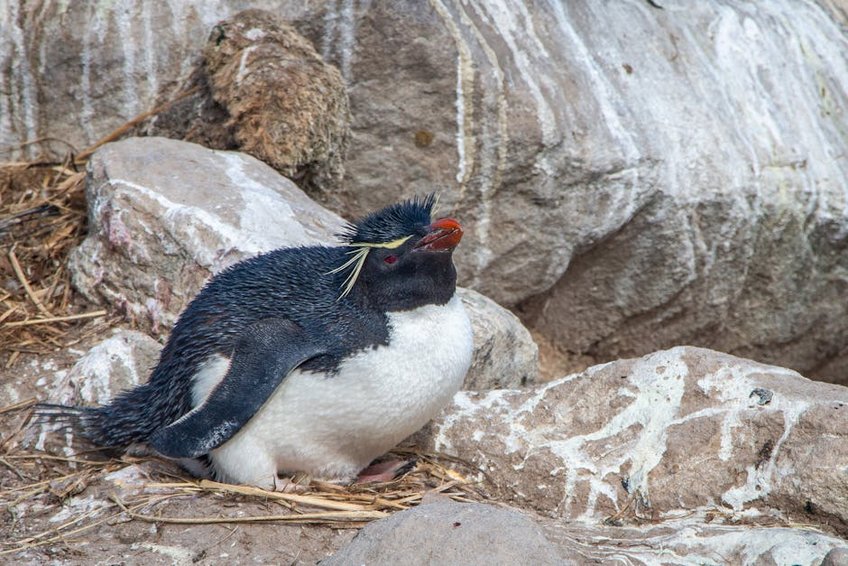
- Southern Rockhopper Penguins: Notable yellow crest feathers and red eyes, inhabiting steep coastal cliffs at West Point Island.
- Magellanic Penguins: Burrow-nesting species with distinctive black bands, commonly seen at Bertha’s Beach and numerous other locations.
- Macaroni Penguins: Rare visitors with orange-yellow crests, occasionally spotted at remote western islands during breeding season.
- Budget travelers spend $2,500-3,500 USD focusing on day trips from Stanley to Volunteer Point ($150-200) and Bertha’s Beach ($75-100) with hostel accommodations at $80-120 nightly.
- Mid-range visitors budget $4,000-5,500 USD for 3-4 island stays including Sea Lion Island ($250-350 nightly) and Saunders Island ($200-300) with guided tours and internal flights.
- Luxury expeditions cost $6,000-8,000+ USD featuring private guides, charter flights between colonies, and premium lodges like Pebble Island Lodge with all-inclusive penguin viewing packages.
- Falkland Islands Tourism Board
- Falklands Conservation Organization
Geographic Distribution Patterns
Penguin colonies distribute across East and West Falkland with concentrations on offshore islands accessible via small aircraft or boat tours. The eastern islands feature more Gentoo and Magellanic colonies near Stanley, while western islands host larger Rockhopper and King penguin populations. Island geography influences species distribution through nesting requirements and food source proximity.
Conservation Status and Protection
All Falkland penguin species maintain stable populations under Falkland Islands Government conservation management. The islands implement strict biosecurity measures preventing introduced species and habitat disturbance. Visitor guidelines require maintaining 6-meter distance from wildlife and staying on marked paths during colony visits.
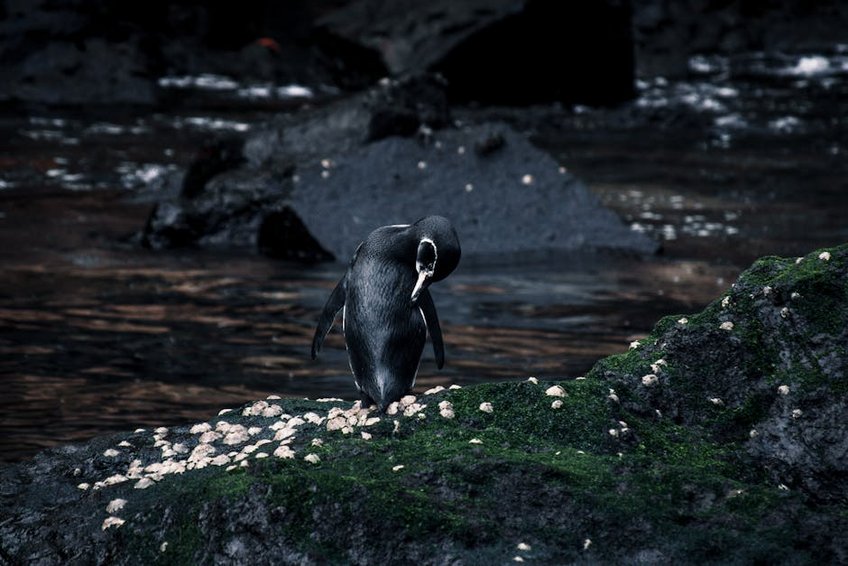
Alt: “falkland-islands-king-penguins-volunteer-point-beach”
Planning Your Falkland Islands Penguin Colonies Trip
Organizing your Falkland Islands penguin colonies adventure requires careful timing between October and March when birds are actively nesting and feeding chicks. Budget approximately $3,000-7,000 USD per person for comprehensive 10-14 day itineraries including inter-island flights and guided tours. Advance bookings secure limited accommodations on penguin islands during peak December-January viewing season.
Best Time to Visit for Penguin Viewing
Prime penguin viewing occurs October through March with peak activity months December-February when temperatures range 45-55°F (7-13°C). October marks breeding season commencement with courtship displays, while November-December offers egg incubation observations. January-February delivers peak chick-rearing activity with higher daytime temperatures around 50°F (10°C) and minimal precipitation.
Budget Planning and Costs
Anticipate these expense categories for your penguin-focused Falklands expedition.
Essential Preparation Checklist
Pack waterproof layers, insulated boots, and windproof jackets for changeable sub-Antarctic conditions across penguin colonies. Essential gear includes binoculars (8×42 magnification), camera with telephoto lens (200-400mm), and waterproof bags for electronics protection. Secure comprehensive travel insurance covering medevac from remote islands and confirm passport validity exceeding six months beyond travel dates.
Top Penguin Viewing Locations and Experiences
The Falklands archipelago contains over twenty significant penguin colonies accessible through guided tours from Stanley or multi-island itineraries. Volunteer Point delivers the archipelago’s only accessible King penguin colony with hundreds of birds meters from visitors. Saunders Island presents unique five-species viewing opportunities across multiple beaches within walking distance of each other.
Must-See Penguin Colonies
Volunteer Point features 500+ King penguins alongside Gentoo and Magellanic species on white sand beaches three hours from Stanley. Saunders Island’s stunning landscapes host Rockhopper, Gentoo, Magellanic, and occasional King penguins across The Neck isthmus viewing area. Sea Lion Island’s compact size permits easy walking to massive Gentoo colonies and Rockhopper rookeries with elephant seals sharing beaches.
Hidden Gems and Local Favorites
West Point Island requires boat access but rewards visitors with thousands of Rockhopper penguins cohabiting with Black-browed Albatross at Devil’s Nose colony. Carcass Island’s predator-free environment enables close Magellanic penguin observations along sandy shores with limited visitor numbers. Bertha’s Beach near Stanley offers easily accessible Gentoo penguin colonies perfect for travelers with limited time or mobility concerns.
Penguin Photography Techniques
Utilize telephoto lenses maintaining respectful distance while capturing penguin behaviors like feeding chicks or swimming. Morning light between 8-11 AM provides optimal conditions with softer shadows and increased bird activity near colonies. Position yourself downwind to avoid disturbing penguins with human scent and utilize continuous shooting mode for action sequences.
Practical Falkland Islands Travel Information
Reaching the Falklands requires flights from Santiago, Chile (SCL) to Mount Pleasant Airport (MPN) via LATAM Airlines operating weekly services. Inter-island travel utilizes Falkland Islands Government Air Service (FIGAS) nine-seat Britten-Norman Islander aircraft requiring advance booking. Accommodation ranges from Stanley hotels to remote island lodges with limited capacity mandating reservations 6-9 months ahead for peak season.
| Accommodation Type | Features and Locations | Price Range (USD/Night) |
|---|---|---|
| Stanley Hotels | Waterfront locations, restaurant access, tour booking services | $120-250 |
| Island Lodges | All-inclusive packages, guided wildlife walks, limited connectivity | $200-400 |
| Self-Catering Cottages | Kitchen facilities, remote locations, vehicle rental recommended | $80-150 |
| Conservation Camps | Basic facilities, researcher access, volunteer opportunities | $50-100 |