Brazil Jalapao Dunes Orange Sand – Exploring Brazil’s Unique Desert Landscape
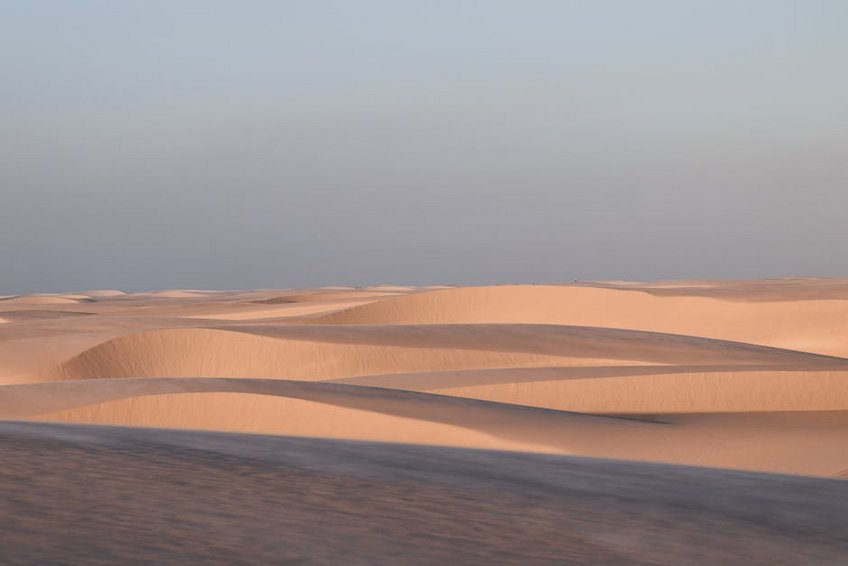
The Brazil Jalapao Dunes Orange Sand presents a surreal desert experience within the vast Cerrado biome, featuring vibrant orange quartz sand dunes stretching across northeastern Tocantins state. This protected area within Jalapao State Park offers dramatic landscapes with towering dunes, crystal-clear rivers, and unique rock formations accessible through guided tours from Palmas. Your adventure combines sandboarding, photography opportunities, and ecological discoveries across this Brazilian wilderness region requiring careful planning for optimal visits.
Essential Destination Information
Jalapao State Park covers approximately 34,000 square kilometers in Brazil’s Tocantins region, featuring the iconic orange sand dunes formed from iron-rich quartz sediments over millennia. The park sits within the Cerrado ecosystem, Brazil’s second-largest biome after the Amazon, characterized by tropical savanna vegetation and diverse wildlife including maned wolves and giant anteaters. This protected area maintains fragile ecosystems with specific visitor regulations to preserve its unique geological formations and biodiversity.
Access to the dunes requires traveling from Palmas, the state capital, through varying road conditions that can challenge standard vehicles during rainy periods. The region experiences distinct wet and dry seasons dramatically affecting accessibility, with the dry season from May to September offering the most reliable conditions for dune exploration. Local guides provide essential navigation through the complex landscape while supporting conservation efforts through regulated tourism practices.
Geographical Context and Location
Understanding the park’s layout helps maximize your experience across its diverse attractions and natural features.
- Jalapao State Park spans multiple municipalities in Tocantins state, with the orange sand dunes concentrated in the central eastern section approximately 300 kilometers from Palmas, requiring 4-6 hour drives depending on road conditions and vehicle type.
- The Cerrado biome features several parallel ecosystems including gallery forests along rivers, rocky outcrops, and vast plains that create microclimates supporting unique plant species like buriti palms and native orchids throughout the region.
- Elevation ranges from 400 to 800 meters above sea level create temperature variations between day and night, with the dunes themselves reaching heights up to 40 meters offering panoramic views of the surrounding landscape.
- Budget travelers can manage $800-1,200 for 5 days using shared transportation, basic pousada accommodations, self-catering for some meals, and joining group tours rather than private guides while focusing on free activities like hiking and photography.
- Mid-range visitors should budget $1,500-2,200 for enhanced comfort including private 4×4 transportation, comfortable pousadas with air conditioning, all meals included, professional guided tours to multiple attractions, and additional activities like sandboarding or canoeing.
- Luxury experiences range from $2,500-4,000 featuring premium eco-lodges, private guides with specialized expertise, charter flights between some locations, gourmet dining with local ingredients, and exclusive access to less-visited areas within the park boundaries.
- ICMBio Official Park Information
- Lonely Planet Jalapao Guide
Climate and Weather Patterns
The tropical savanna climate delivers distinct seasonal variations that significantly impact travel planning and activity options.
Dry season from May to September brings minimal rainfall, lower humidity around 40-50%, and daytime temperatures averaging 86-95°F (30-35°C) with cooler nights around 64-68°F (18-20°C). This period offers the best conditions for dune hiking and photography with stable weather and clearer skies for landscape shots. However, vegetation appears drier and water levels in rivers and waterfalls may be lower affecting some aquatic activities.
Wet season from October to April sees frequent afternoon thunderstorms, humidity levels climbing to 70-80%, and temperatures ranging from 75-90°F (24-32°C) with more cloud cover. While the landscape becomes greener and waterfalls more powerful, road accessibility decreases significantly with some areas becoming impassable without 4×4 vehicles and experienced drivers.
Historical and Cultural Background
The region’s human history spans indigenous communities, colonial expansion, and modern conservation efforts shaping current tourism practices.
Traditional communities including the Xerente and Karajá peoples have inhabited these lands for centuries, maintaining cultural practices like capim dourado craftsmanship using golden grass from the Cerrado. Portuguese colonization in the 18th century introduced cattle ranching that continues alongside protected areas, creating a blend of economic activities throughout Tocantins state. Designation as a state park in 2001 established protection for the fragile dunes ecosystem while developing sustainable tourism infrastructure.
Local culture reflects this blend of indigenous heritage and sertanejo (backcountry) traditions, with regional festivals, music, and cuisine incorporating native ingredients from the Cerrado. Conservation efforts focus on balancing tourism growth with environmental protection, including visitor limits, guided tour requirements, and community-based tourism initiatives that directly benefit local populations.
Brazil Jalapao Dunes Orange Sand – Planning Your Trip
Successful exploration of the Brazil Jalapao Dunes Orange Sand requires strategic timing between June and August when dry conditions optimize accessibility and photographic opportunities. Budget approximately $1,200-2,500 per person for a comprehensive 5-7 day tour including transportation, accommodations, meals, and guided activities from reputable operators. Secure bookings 3-4 months in advance through certified agencies for the high season when availability becomes limited for quality guides and accommodations.
Physical preparation should include cardiovascular conditioning for dune hiking across uneven sandy terrain at altitude, with proper gear for sun protection and temperature variations between day and night. Documentation needs include valid passports for international visitors, though no special visas beyond standard Brazilian tourist requirements for most Western passport holders visiting for under 90 days. Travel insurance with emergency evacuation coverage proves essential given the remote location and potential for weather-related disruptions to itineraries.
Best Time to Visit Jalapao Dunes
Peak visitation occurs from June through August when rainfall remains below 20mm monthly, temperatures range from 68-95°F (20-35°C), and road conditions prove most reliable for accessing the dunes complex.
Shoulder months of May and September offer slightly lower crowds with adequate dryness, though occasional rains may affect specific routes while providing lush green contrasts against the orange sands. Off-season travel from October to April challenges visitors with frequent precipitation but rewards with vibrant landscapes and significantly fewer tourists throughout the park facilities and attractions.
Budget Planning and Costs
Consider these tiered options when budgeting for your Brazilian desert adventure.
Essential Preparation Checklist
Packing should prioritize sun protection with UPF 50+ clothing, wide-brimmed hats, and mineral sunscreen alongside broken-in hiking boots with gaiters to prevent sand ingress during dune exploration.
Technical gear includes high-quality cameras with protective bags against sand, portable power banks for electronic devices, and satellite communication equipment given limited cellular service throughout most of the park region. Health preparations require yellow fever vaccination documentation, anti-malarial medications for some visitors, and comprehensive first aid kits with treatments for dehydration, sun exposure, and minor injuries common in desert environments.
Alt: “jalapao-dunes-orange-sand-brazil-desert-landscape”
Top Attractions and Activities
Jalapao State Park delivers diverse experiences beyond the iconic dunes, with crystalline rivers, stunning waterfalls, and unique rock formations spread across the protected area. The Segredo Lagoon features turquoise waters perfect for swimming after dune hikes, while the Cachoeira da Velha waterfall spans 100 meters wide with powerful flows during wetter months. These natural attractions connect through trail networks and river systems that support various adventure activities from canoeing to wildlife observation throughout the Cerrado landscape.
Adventure operators provide guided activities including sandboarding down the orange dunes, rafting on the Novo River, and overnight camping under spectacular starry skies unaffected by light pollution. Cultural interactions with local communities offer opportunities to learn about capim dourado craftsmanship, traditional farming practices, and regional cuisine incorporating native fruits and ingredients from the surrounding ecosystem. Balanced itineraries typically combine physical activities with relaxation periods at natural pools and viewpoints to appreciate the region’s biodiversity and geological uniqueness.
Must-See Highlights
The iconic orange sand dunes themselves represent the park’s most photographed feature, particularly during golden hour when the iron-rich quartz sand glows intensely against the blue sky.
Fervedouro springs provide unique buoyancy experiences in crystal-clear natural pools where visitors float effortlessly due to underground water pressure, with multiple locations like Fervedouro do Ceica offering this phenomenon. Cachoeira da Velha waterfall presents a powerful 15-meter cascade best visited from June to September when water volumes remain substantial but access proves more reliable than during rainy season months.
Pedra Furada rock formation features a natural arch carved through sandstone cliffs, requiring moderate hiking to reach but offering panoramic views across the Cerrado landscape and excellent photography opportunities at sunrise. The Novo River supports rafting excursions through Class II-III rapids during appropriate water levels, with calm sections perfect for swimming and observing riverbank wildlife including capybaras and various bird species.
Hidden Gems and Local Favorites
Serra do Espírito Santo offers less-visited hiking trails through stunning rock formations and panoramic viewpoints rarely included on standard tour itineraries from smaller operators.
Traditional communities like Mumbuca and Prata welcome visitors for cultural exchanges, craft demonstrations using golden grass, and authentic meals prepared with local ingredients like pequi fruit and river fish. Lagoa do Japonês features emerald-green waters surrounded by sandstone cliffs, accessible via a moderate hike that deters larger groups, creating a more intimate natural swimming experience away from crowded locations.
Adventure Activities in Jalapao
Sandboarding down the orange dunes provides thrilling descents with equipment rentals available from guides, best attempted during cooler morning hours before sand temperatures rise significantly.
Mountain biking along established trails connects various attractions while offering independent exploration opportunities for experienced cyclists comfortable with mixed terrain including sand, rock, and packed earth. Canoeing along calm river sections like the Soninho River allows quiet wildlife observation and photography of aquatic birds, caimans, and other species that inhabit the riparian zones throughout the park.
Practical Travel Information
Transportation to Jalapao primarily routes through Palmas Airport (PMW) with connecting flights from Brasília, São Paulo, and other Brazilian hubs before undertaking the 4-6 hour drive to park entrances. Accommodation options range from basic camping and rustic pousadas to comfortable eco-lodges, with advanced reservations essential during peak season from June to August when availability becomes limited. Local guides prove mandatory for accessing most attractions within the protected area, providing valuable navigation, safety oversight, and ecological context throughout your visit.
Communication remains challenging with limited cellular service beyond major towns, requiring satellite devices for emergency contact and offline maps for navigation throughout the region. Currency exchange should occur in Palmas before departure, as credit card acceptance proves limited in rural areas, though larger tour operators and accommodations in Mateiros may accept major cards. Health considerations include comprehensive travel insurance with evacuation coverage, water purification methods for remote areas, and protection against insects that may carry diseases in tropical environments.
| Category | Options/Features | Price Range (USD) |
|---|---|---|
| Accommodation | Basic camping to eco-lodges with air conditioning, pool access, and meal packages | $30-250/night |
| Transportation | Shared vans, private 4×4 vehicles, or charter flights from Palmas with driver/guide services | $150-600/trip |
| Guided Tours | Full-day to multi-day packages including equipment, meals, and park fees | $80-200/day |
| Activities | Sandboarding, rafting, hiking, photography tours, and cultural experiences | $20-150/activity |