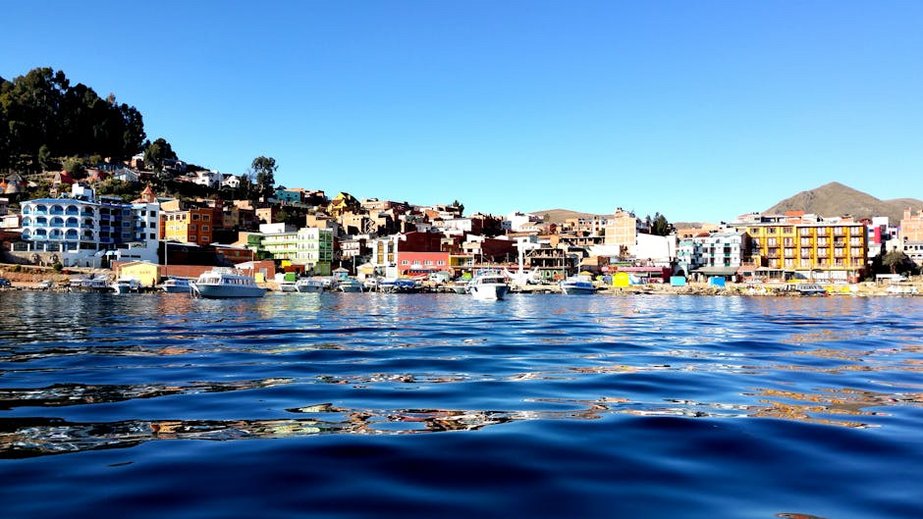
Bolivia Copacabana Lake Titicaca: Latest Discovery 2025

Bolivia Copacabana Lake Titicaca: High-Altitude Adventure Guide

Bolivia Copacabana Lake Titicaca immerses you in the world’s highest navigable lake, sitting at 12,507 feet with ancient Inca ruins and vibrant indigenous cultures. This destination offers stunning sunsets over deep blue waters, traditional Aymara villages, and accessible boat tours to sacred islands like Isla del Sol. Our guide delivers practical tips for altitude adjustment, budget-friendly itineraries, and hidden gems across this breathtaking region.

Essential Lake Titicaca Information

Lake Titicaca spans the Bolivia-Peru border, covering 3,232 square miles with depths reaching 922 feet in certain areas. The lake’s elevation demands acclimatization, as oxygen levels drop significantly above 12,000 feet, affecting visitors without proper preparation. Copacabana serves as the primary Bolivian gateway, featuring basilicas, markets, and ferry docks for island excursions.

Key Facts and Figures

Understanding the lake’s scale helps plan your itinerary effectively across its numerous attractions.

  • Altitude: 12,507 feet (3,812 meters) with temperatures ranging from 30°F to 65°F (-1°C to 18°C) seasonally.
  • Surface Area: 3,232 square miles (8,372 km²) shared between Bolivia and Peru, with the Bolivian side featuring more rugged coastlines.
  • Cultural Significance: Home to Aymara and Quechua communities preserving pre-Columbian traditions, including textile weaving and agricultural practices.
  • Historical and Cultural Context

    Inca mythology identifies Lake Titicaca as the birthplace of the first Inca, Manco Cápac, emerging from the waters at Isla del Sol. Spanish colonization introduced Catholicism, visible in Copacabana’s 16th-century Basilica housing the Virgin of Copacabana statue. Modern Bolivian culture blends these influences through festivals like the Fiesta de la Virgen de Copacabana each February.

    Geographical Features

    The lake divides into two basins connected by the Tiquina Strait, with the Bolivian side featuring the Copacabana Peninsula and several islands. Glacial runoff from the Cordillera Real mountains feeds the lake, creating unique ecosystems like totora reed beds used for boat construction. Visitors encounter microclimates where sunny days quickly shift to rain or wind, requiring layered clothing.
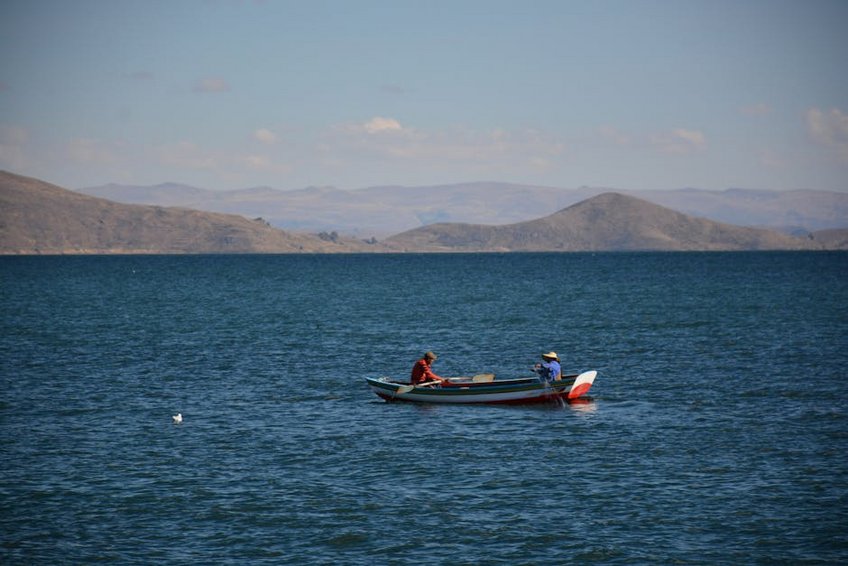
    Bolivia Copacabana Lake Titicaca

    Alt: “copacabana-lake-titicaca-peninsula-sunset-view”

    Bolivia Copacabana Lake Titicaca – Planning Your Trip

    Your Bolivia Copacabana Lake Titicaca adventure succeeds with careful timing between May and October for dry season clarity and comfortable temperatures. Budget travelers find hostels from $15 nightly, while mid-range hotels average $45, including breakfast and lake views. Essential preparations include altitude sickness medication, warm layers for chilly nights, and booking ferries two days ahead during peak months.

    Best Time to Visit Lake Titicaca

    Visit between May and October for dry season conditions with minimal rainfall and daytime temperatures of 55°F to 65°F (13°C to 18°C). July and August attract crowds for festivals, so book accommodations three months early, while shoulder months like May offer solitude. Avoid November through March due to heavy rains limiting boat access and reducing visibility.

    Budget Planning and Costs

    Manage expenses with these tiered options for different travel styles.

    1. Budget: $30-50 daily covers hostel dorms, street food meals, and public ferries, saving on guided tours by exploring independently.
    2. Mid-Range: $80-120 daily includes boutique hotels, restaurant dining, and private boat tours to Isla del Sol with English-speaking guides.
    3. Luxury: $200+ daily features lakeside resorts, gourmet meals, and custom photography tours capturing aurora-like sunsets over the Andes.
    4. Essential Preparation Checklist

      Pack layers for temperature swings from 30°F to 65°F (-1°C to 18°C), including thermal wear, waterproof jackets, and sturdy hiking shoes for island trails. Acclimatize in La Paz for two days before ascending, using coca tea or prescription medication like acetazolamide for altitude symptoms. Secure Bolivian tourist visas if required, travel insurance covering high-altitude activities, and USD cash for remote areas with limited ATMs.

      Top Attractions and Activities

      Copacabana’s waterfront promenade leads to the 16th-century Basilica of Our Lady of Copacabana, housing the revered dark wooden Virgin statue carved in 1583. Boat tours depart daily to Isla del Sol, where Inca ruins like the Pilko Kaina temple and sacred rock formations dot the landscape across three-hour hikes. Local guides share Aymara legends while demonstrating traditional reed boat construction on the lake’s shores.

      Must-See Highlights

      Isla del Sol features the Inca staircase leading to the Fountain of Youth, with entrance fees of $5 per person and ferry rides costing $10 round-trip. The Copacabana Cathedral offers free entry to view gold-leaf altars and attend Sunday mass blending Catholic and indigenous rituals. Hike Cerro Calvario for panoramic sunrise views over the lake, a moderate 30-minute climb starting from the town center.

      Hidden Gems and Local Favorites

      Visit the nearby village of Yampupata for authentic homestays where families demonstrate quinoa farming and weaving techniques passed through generations. Explore Isla de la Luna’s Iñak Uyu temple ruins, less crowded than Isla del Sol, with $8 ferry tickets from Copacabana. Discover local markets selling handwoven textiles and silver jewelry not found in tourist shops, bargaining for fair prices.

      Boat Tours and Water Activities

      Group tours to multiple islands cost $15-25 per person, including stops at Uros floating islands on the Peruvian side with an additional border crossing fee. Private sailboat charters run $100 for half-day excursions, ideal for photography enthusiasts capturing the Cordillera Real mountain reflections. Kayak rentals available for $10 hourly along sheltered bays, with guided paddling tours highlighting birdlife like Andean gulls.

      Practical Travel Information

      Fly into El Alto International Airport (LPB) in La Paz, then take a three-hour bus ride to Copacabana costing $5-10, with companies like Trans Titicaca offering daily departures. Accommodations range from basic hostels to lakeside resorts, with Wi-Fi often limited to lobby areas and hot water inconsistent in budget options. For more details, read our Bolivia travel guide covering additional regions.

      Getting There and Around

      International travelers connect through Lima or São Paulo to La Paz’s El Alto Airport (LPB), then take buses to Copacabana with scenic stops at the Tiquina Strait ferry crossing. Local transportation includes colectivo shared vans for $2 between towns, bicycles rented for $5 daily to explore the peninsula, and ferries departing every two hours to islands. Download maps offline using apps like Maps.me, as cellular service drops frequently outside urban areas.

      Where to Stay

      Stay in central Copacabana for walkable access to restaurants, markets, and ferry docks, with hostels like Hostal Las Olas offering private cabins from $30. Lakeside properties in Socamani provide tranquility but require taxi rides into town, with hotels like Hotel Rosario del Lago featuring heating and lake views for $80. Book three months early for December visits or festivals, using platforms like Booking.com for reviews and free cancellation options.

      Bolivia Copacabana Lake Titicaca

      Alt: “bolivia-copacabana-lakeside-hotel-accommodation-view”

      Food, Culture, and Local Experience

      Bolivian cuisine around Lake Titicaca centers on freshwater trout served fried or baked with quinoa and native potatoes like the bitter tunta variety. Cultural experiences include participating in Aymara New Year celebrations on June 21st, where offerings are made to Pachamama (Earth Mother) at sunrise. Visitors respect local customs by asking permission before photographing people and dressing modestly when entering religious sites.

      Local Cuisine and Must-Try Dishes

      Try trucha a la plancha (grilled trout) at waterfront restaurants like La Cúpula, costing $8-12 with sides of chuño freeze-dried potatoes and llajwa spicy sauce. Sample api morado, a warm purple corn drink sold by street vendors for $1, especially during chilly mornings near the market. Avoid raw vegetables to prevent traveler’s illness, opting for cooked dishes and bottled water readily available.

      Cultural Tips and Etiquette

      Greet locals with “buenos días” before transactions, as directness without pleasantries may seem rude in Aymara culture. Dress in layers covering shoulders and knees when visiting churches or participating in ceremonies, removing hats indoors as a sign of respect. Tipping 10% at restaurants is customary, while rounding up taxi fares shows appreciation for service.

      Festivals and Traditional Events

      The Fiesta de la Virgen de Copacabana on February 2nd features processions with dancers in devil masks and brass bands playing throughout the town. Alacitas Fair in late January celebrates Ekeko, the abundance god, with miniature replicas of desired items blessed for good luck. Visitors join celebrations respectfully without interrupting rituals, observing from peripheries unless invited closer.

      Sources and References

      • Bolivia Tourism Official Website
      • Lonely Planet Lake Titicaca Guide
      • Frequently Asked Questions

        When is the best time to visit Bolivia Copacabana Lake Titicaca for clear skies?

        Visit between May and October for dry season conditions with minimal clouds and daytime temperatures of 55°F to 65°F (13°C to 18°C). These months offer optimal visibility for photography and comfortable hiking, though nights drop to 30°F (-1°C). July and August see more tourists, so book ferries and hotels one month in advance.

        How much does a Lake Titicaca trip from Copacabana cost?

        A three-day trip averages $150-300 per person covering budget住宿, meals, and island tours, excluding international flights. Hostels cost $15 nightly, meals $5-15 each, and boat tours $20-50 depending on group size. Luxury options exceed $500 with private guides and upscale lakeside resorts including all activities.

        How many days do you need for Bolivia Copacabana Lake Titicaca?

        Plan three to four days to explore Copacabana’s sights, take ferry trips to Isla del Sol and Isla de la Luna, and acclimatize to the altitude. Two days cover the town and one island, while four days allow deeper cultural immersion with homestays or hiking trails. Add extra days if combining with La Paz or Peruvian destinations.

        How do you get to Copacabana from La Paz?

        Take a three-hour bus from La Paz’s main terminal costing $5-10, with companies like Trans Titicaca departing hourly from 6 AM to 4 PM. Buses stop at the Tiquina Strait for a short ferry crossing included in the ticket price. Private taxis charge $60-80 for direct service, saving time but costing more.

        Where should you stay in Copacabana for easy island access?

        Stay near the main ferry dock on Avenida 6 de Agosto for walkable access to boats departing for Isla del Sol and Isla de la Luna. Budget options like Hostal Leyenda charge $20 nightly, while mid-range Hotel Gloria Copacabana offers lakeside rooms for $50. Book properties with 24-hour reception for early tour departures.

        Is Bolivia Copacabana Lake Titicaca safe for travelers?

        Yes, the area maintains low crime rates, though petty theft occurs in crowded markets, so secure valuables and avoid flashing expensive cameras. Altitude sickness poses the main risk, so acclimatize gradually and drink coca tea. Stick to marked trails on islands and use registered tour operators for water activities.

        Do you need special preparation for high-altitude travel at Lake Titicaca?

        Yes, spend two days in La Paz or lower elevations before ascending, hydrate constantly, and avoid strenuous activity initially. Pack altitude medication like acetazolamide, warm clothing for temperature drops, and sunscreen for intense UV exposure at 12,507 feet. Those with heart or lung conditions should consult doctors pre-trip.

        Final Tips for Your Lake Titicaca Journey

        Lake Titicaca’s Bolivian shore delivers unparalleled cultural immersion through Aymara villages, Inca ruins, and breathtaking landscapes accessible via affordable ferries and hikes. Your Bolivia Copacabana Lake Titicaca experience thrives with advance bookings for April through October visits, layered clothing for shifting weather, and respect for local traditions. Which island’s ancient mysteries will you uncover first on your high-altitude adventure?

        Related Stories

        spot_img

        Discover

        South Korea Jinhae Cherry Blossom Festival: 3 Essential

        South Korea Jinhae Cherry Blossom Festival: Your Guide to the Pink Canopy The South Korea...

        2026 Current India Jaipur Rose Festival Routes

        India Jaipur Rose Festival: A Guide to the Blossoming Celebration The India Jaipur Rose Festival...

        Ultimate Nepal Holi Festival Kathmandu Guide 12 Tips

        Nepal Holi Festival Kathmandu: A Guide to Celebrating the Festival of Colors Celebrating the Nepal...

        Philippines Moriones Festival Marinduque: 12 Ultimate

        Philippines Moriones Festival Marinduque Experiencing the Philippines Moriones Festival Marinduque offers a profound dive into...

        Top Indonesia Nyepi Silence Day Bali Guide 5 Tips

        Indonesia Nyepi Silence Day Bali Nyepi, the Balinese Day of Silence, transforms the vibrant island...

        Complete Vietnam Hue Festival Cultural Events Journey 3 Tips

        Vietnam Hue Festival Cultural Events The Vietnam Hue Festival cultural events represent a spectacular biennial...

        Popular Categories

        Comments

        LEAVE A REPLY

        Please enter your comment!
        Please enter your name here

      Category Options/Features Price Range (USD)
      Accommodation Hostels with shared bathrooms, mid-range hotels with breakfast, luxury resorts with spa services $15-150 nightly
      Transportation Public buses from La Paz, private taxis, ferry tickets to islands, bicycle rentals $5-50 per trip
      Food & Dining Street food stalls, local restaurants serving trout, upscale dining with lake views $3-25 per meal
      Activities Guided tours, entrance fees to sites, boat rentals, cultural workshops $5-100 per person