Mexico Hierve el Agua Petrified Waterfall: Nature’s Mineral Masterpiece
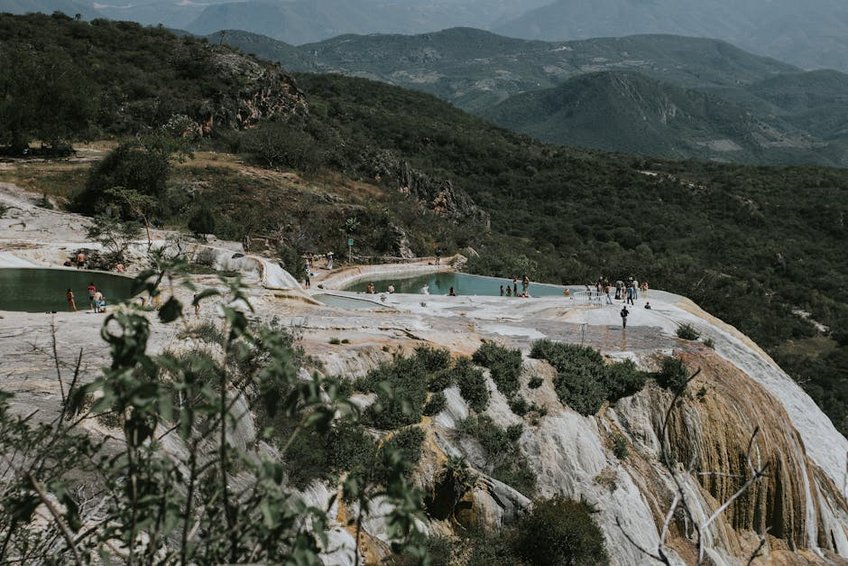
Hierve el Agua in Oaxaca showcases breathtaking petrified waterfalls created by calcium carbonate deposits over millennia. These natural formations feature stunning rock cascades and mineral-rich pools perfect for swimming with panoramic valley views. This Mexico Hierve el Agua Petrified Waterfall guide covers seasonal timing, budget planning, and insider tips for an unforgettable visit.
Essential Oaxaca Geological Wonder
Hierve el Agua translates to “the water boils” though the springs maintain comfortable temperatures between 75-80°F (24-27°C). These unique formations resulted from mineral-rich water flowing over cliff edges for thousands of years. Calcium carbonate deposits built up gradually creating the illusion of frozen waterfalls against the mountain landscape.
The site sits at 5,000 feet elevation in the Sierra Madre Mountains within indigenous Zapotec territory. Local communities manage the ecological preserve with sustainable tourism practices preserving the natural environment. Visitors experience both the petrified rock formations and active mineral springs simultaneously.
Geological Formation Process
The calcification process occurs when carbonated water emerges from underground springs saturated with minerals. As water flows over the cliffs, carbon dioxide escapes into the atmosphere leaving calcium carbonate behind. This deposition builds approximately 1-2 millimeters annually creating the spectacular petrified cascades.
Location and Accessibility Details
Hierve el Agua lies 43 miles east of Oaxaca City in San Lorenzo Albarradas municipality within the Central Valleys region. The journey takes 1.5-2 hours via winding mountain roads through traditional villages and agave fields. Most visitors access the site through organized tours or private transportation from Oaxaca City.
- Reach the main platforms via 10-minute walk from parking area along paved paths suitable for most fitness levels.
- Access the lower waterfall viewpoints through moderate 30-minute hikes descending 400 feet with some steep sections.
- Visit both formations during dry season November-April when trails remain stable and visibility peaks.
- Budget travelers spend $50-80 daily using hostels, second-class buses, and self-guided visits while packing lunches.
- Mid-range visitors allocate $80-150 daily for comfortable hotels, guided tours, and restaurant meals in Oaxaca City.
- Luxury experiences cost $150+ daily featuring boutique hotels, private drivers, and specialized photography tours.
- Mexico Tourism Board
- UNESCO Oaxaca Valley
Cultural and Historical Significance
Archaeological evidence indicates the Zapotec civilization used these mineral springs for ceremonial purposes over 2,500 years ago. Ancient irrigation systems channeled the mineral water to agricultural terraces throughout the valley. Modern visitors experience this cultural heritage through local guides sharing ancestral knowledge.
Planning Your Mexico Hierve el Agua Petrified Waterfall Trip
Organize your Oaxaca adventure around seasonal weather patterns and local festival schedules for optimal conditions. The dry season from November through April offers sunny days with minimal rainfall interfering with hiking and photography. Shoulder months like May and October provide fewer crowds though afternoon showers become more frequent.
Budget approximately $50-150 daily depending on accommodation style and tour preferences in the Oaxaca region. Entry fees to Hierve el Agua cost $3-5 per person with additional charges for parking and guided services. Combine your visit with nearby archaeological sites like Mitla for comprehensive cultural immersion.
Secure accommodations in Oaxaca City three months ahead for peak season visits between December and March. The city serves as the ideal base with numerous dining options and reliable transportation to the petrified waterfalls. Day trips typically depart around 8 AM returning by 6 PM allowing full exploration.
Best Time to Visit Hierve el Agua
December through February delivers ideal conditions with daytime temperatures 68-75°F (20-24°C) and minimal rainfall under 0.5 inches monthly. These months provide excellent visibility for photography and comfortable hiking conditions along the trails. Early morning visits avoid tour bus crowds arriving around 11 AM from Oaxaca City.
March through May offers warmer weather 75-82°F (24-28°C) with wildflower blooms accenting the landscape beautifully. Afternoon thunderstorms begin developing in May though they typically clear quickly allowing continued exploration. Visit during weekdays when tourist numbers decrease significantly compared to weekends.
Budget Planning and Costs
Manage expenses through strategic planning across accommodation, transportation, and activity categories.
Essential Preparation Checklist
Pack swimwear, quick-dry towels, and waterproof bags for the mineral pool experiences at the petrified waterfalls. Sturdy hiking shoes with solid grip handle the rocky terrain especially during descents to lower viewpoints. Sun protection remains crucial including hats, sunglasses, and reef-safe sunscreen at high altitudes.
Carry sufficient Mexican pesos since credit cards receive limited acceptance at the remote site and surrounding villages. Reserve tours through reputable operators in Oaxaca City verifying they include entrance fees and bilingual guides. Check travel insurance coverage for adventure activities and medical evacuation from mountainous regions.
Alt: “hierve-el-agua-petrified-cascades-mineral-pools-oaxaca”
Top Attractions and Activities
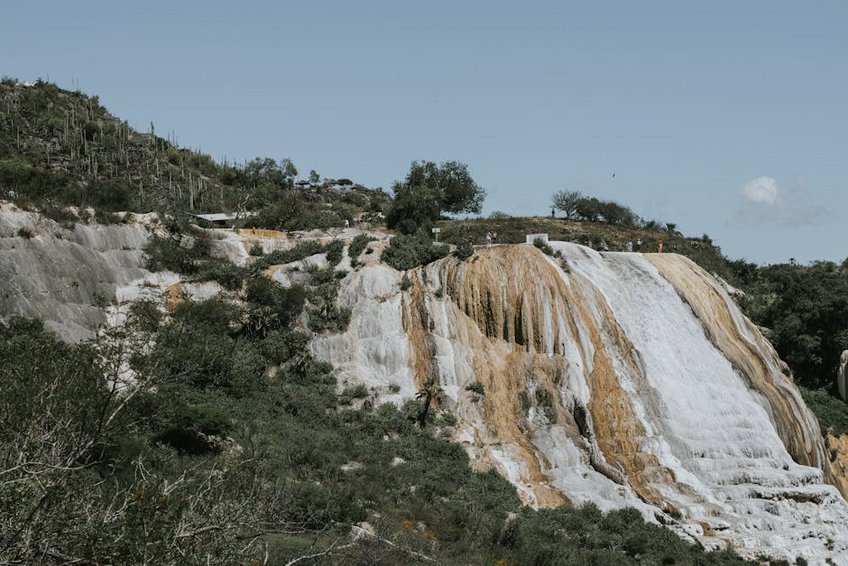
Hierve el Agua features two primary petrified formations with the larger cascade measuring approximately 98 feet high. The smaller waterfall spans 39 feet with both offering spectacular viewing platforms and photography opportunities. Natural infinity pools carved into the rock formations provide swimming experiences with breathtaking valley vistas.
Hiking trails connect the upper and lower sections allowing different perspectives of the mineral formations and surrounding landscape. The main platform area contains changing facilities, basic food stalls, and shaded seating areas for relaxation. Visitors typically spend 3-4 hours exploring both geological features and enjoying the mineral waters.
Must-See Highlights
The Grand Cascade presents the most impressive petrified formation visible from multiple vantage points along the main platform. This massive white rock curtain appears frozen mid-flow creating dramatic photo opportunities especially during golden hour. Morning light between 7-9 AM illuminates the formation perfectly before crowds arrive.
Natural infinity pools offer swimming in mineral-rich waters maintained at comfortable temperatures year-round. These pools feature stunning drop-off views across the Tlacolula Valley extending for miles. The water contains high mineral concentrations believed to have therapeutic properties for skin and joints.
Lower viewpoint trails provide unique upward perspectives of both petrified waterfalls from the valley floor. This moderate hike rewards visitors with intimate views of the mineral deposits and interesting rock formations. Allow 45-60 minutes roundtrip including photography stops along the descending path.
Hidden Gems and Local Favorites
Visit the agricultural terraces below the main platform showcasing ancient Zapotec irrigation systems still functioning today. These engineering marvels demonstrate how pre-Hispanic civilizations channeled mineral water for crop cultivation. Local guides explain the historical significance during less-crowded afternoon hours.
Explore the small cave formations near the smaller waterfall containing interesting mineral deposits and unique lighting conditions. These narrow passages require careful navigation but reveal fascinating geological features not visible from main pathways. Bring a flashlight or headlamp for better visibility inside the caverns.
Discover local artisan stalls near the parking area selling traditional textiles, pottery, and mineral specimens from the region. These purchases directly support indigenous communities maintaining cultural traditions around Hierve el Agua. Bargaining remains acceptable though prices generally reflect fair value for handmade goods.
Hiking and Photography Tips
Begin hikes early morning when temperatures remain cool and lighting conditions optimize photography across the formations. The main platform trail measures 0.5 miles roundtrip with minimal elevation gain suitable for all ages and fitness levels. The lower waterfall trail covers 1.2 miles with 400-foot elevation change requiring moderate physical condition.
Photograph the petrified waterfalls during different daylight hours capturing unique shadow patterns and color variations. Wide-angle lenses effectively capture the scale of formations while telephoto lenses isolate interesting mineral details. Polarizing filters reduce glare from the white rock surfaces and enhance blue sky contrasts.
Practical Travel Information
Oaxaca City serves as the primary gateway located 43 miles west of Hierve el Agua with numerous transportation options. Most visitors choose organized day tours costing $30-60 including transportation, guide services, and entrance fees. Independent travelers can reach the site via colectivo shared vans or rental cars with careful navigation.
Accommodation options range from budget hostels to luxury hotels in Oaxaca City with few lodging choices near the petrified waterfalls themselves. The historic center offers the most convenient location for tour departures and evening dining experiences. Book hotels 2-3 months advance for December through March visits.
| Category | Options/Features | Price Range (USD) |
|---|---|---|
| Accommodation | Hostels to boutique hotels in Oaxaca City center with traditional decor | $20-250 |
| Transportation | Tours, rental cars, colectivo vans from Oaxaca to Hierve el Agua | $10-80 |
| Food & Dining | Street food to fine restaurants featuring Oaxacan cuisine | $5-50 |
| Activities | Guided tours, photography workshops, hiking excursions | $30-100 |