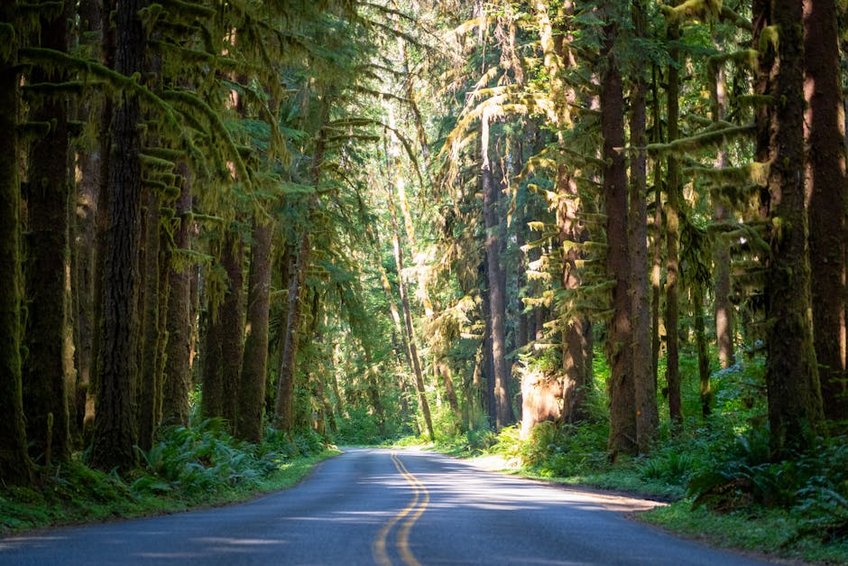
USA Olympic Peninsula Hoh Rainforest: Exploring Nature’s Emerald Wonderland
The USA Olympic Peninsula Hoh Rainforest represents one of North America’s most accessible temperate rainforests, featuring moss-draped maples and Sitka spruces reaching over 300 feet tall. This UNESCO World Heritage site receives 140 inches of annual rainfall, creating an ecosystem where elk herds roam freely and thousand-year-old trees dominate the landscape. Your visit reveals unique biodiversity across 24 miles of maintained trails within Olympic National Park’s protected wilderness.
Essential Rainforest Information
The Hoh Rainforest sits within Olympic National Park on Washington’s western peninsula, spanning approximately 1,400 square miles of protected wilderness. This temperate rainforest climate maintains consistent 40-60°F (4-15°C) temperatures year-round, creating ideal conditions for the lush canopy cover. Three distinct ecosystems converge here: Pacific coastline, alpine mountains, and the dense rainforest valley.
President Theodore Roosevelt designated this area as Mount Olympus National Monument in 1909 before its national park status in 1938. The Hoh River originates from glaciers on Mount Olympus, flowing 56 miles to the Pacific Ocean while sustaining the rainforest’s unique ecology. Indigenous Quinault and Hoh tribes have stewarded this land for centuries, with ongoing partnerships for conservation.
Unique Ecological Features
Several characteristics distinguish this rainforest from tropical versions.
- Epiphytic mosses blanket 90% of surfaces, with some mats reaching 3 feet thick and supporting entire miniature ecosystems on tree branches.
- Nurse logs provide germination sites for new trees, creating cathedral-like colonnades of hemlock and spruce that appear to walk on root stilts.
- The hydrogen sulfide cycle creates the distinctive earthy aroma, with fallen leaves decomposing rapidly in the constant humidity to nourish new growth.
- Budget travelers spend $50-75 daily using campgrounds at $20-24 nightly, preparing meals with groceries from Forks, and focusing on free ranger programs and self-guided hikes along maintained trails.
- Mid-range visitors allocate $100-150 daily for vacation rentals near Kalaloch, dining at local restaurants, and joining one guided wildlife tour or photography workshop during their stay.
- Luxury experiences cost $200-300 daily including stays at Lake Quinault Lodge, private guided hikes, and multi-day photography tours with professional instruction and equipment.
- National Park Service Hoh Rainforest Guide
- Washington Trails Association Hoh River Trail
Visitor Center and Facilities
The Hoh Rain Forest Visitor Center operates daily from 9 AM to 5 PM summer months, with reduced winter hours from Friday to Sunday. Rangers lead complimentary walks at 11 AM and 2 PM from June through September, covering rainforest ecology and safety protocols. Restrooms and potable water remain available year-round, though no food services operate within the rainforest area.
Park entrance fees cost $30 per vehicle for 7-day access, with America the Beautiful passes accepted for unlimited annual entry. The visitor center features interactive exhibits about local wildlife, including Roosevelt elk herds that frequently graze nearby meadows. Digital connectivity remains limited throughout the area, with sporadic cellular service beyond the parking lot.
Accessibility and Regulations
Paved pathways from the visitor center provide wheelchair access to initial old-growth viewing areas, though most trails require sturdy footwear for uneven terrain. Leashed pets may accompany visitors on the Hall of Mosses Trail only, with all other backcountry areas restricting animal access for wildlife protection. Backcountry camping demands free permits from the Wilderness Information Center in Port Angeles, with quotas filling quickly during summer months.
Alt: “hoh-rainforest-moss-covered-maple-trees-sunlight-filtering”
Planning Your USA Olympic Peninsula Hoh Rainforest Trip
Your USA Olympic Peninsula Hoh Rainforest adventure requires strategic timing between late June and early September for optimal trail conditions and wildlife viewing opportunities. Summer temperatures average 55-65°F (13-18°C) with reduced rainfall, though waterproof layers remain essential year-round. Reserve accommodations three months ahead for July-August visits, when lodging within 30 miles becomes scarce.
Budget $75-150 daily per person including park fees, meals, and modest lodging, with guided tours adding $50-125 per activity. The Hoh Rainforest sits 90 minutes from Forks, Washington, requiring private vehicle access since public transportation doesn’t serve this remote area. Pack multiple light layers, waterproof hiking boots, and mosquito repellent between May and October.
Best Time to Visit the Hoh Rainforest
July through August delivers the driest conditions with 2-4 inches monthly rainfall and 65°F (18°C) average highs, though visitor numbers peak during this period. September offers quieter trails with fall colors emerging, while October brings mushroom foraging opportunities amid increasing rainfall. Winter visits between November and March provide solitude but require preparedness for 40°F (4°C) temperatures and potential road closures.
Shoulder seasons in April-May and September-October balance moderate crowds with fair weather, though trail conditions vary with snowmelt and rainfall patterns. Ranger programs operate fullest from Memorial Day through Labor Day, with limited availability during other months. Weekday visits always prove less crowded than weekends, particularly holiday weekends.
Budget Planning and Costs
Consider these tiered options for different travel styles.
Essential Preparation Checklist
Waterproof hiking boots with ankle support prove essential for muddy trails, coupled with moisture-wicking layers and rain gear regardless of forecast predictions. Pack binoculars for wildlife spotting, headlamps for early morning or evening hikes, and bear canisters if planning backcountry camping beyond designated areas. Download offline maps since cellular service remains unreliable throughout the Olympic Peninsula.
Secure America the Beautiful Pass for $80 annual access if visiting multiple national parks, or pay the $30 vehicle fee valid seven days at all Olympic National Park entrances. Make camping reservations six months ahead through Recreation.gov for summer dates at Hoh Campground’s 88 sites. Check road conditions via the Olympic National Park website, especially between November and April when storms may cause closures.
Top Attractions and Rainforest Activities
Olympic National Park’s Hoh Rainforest offers diverse experiences from short interpretive loops to challenging multi-day backpacking adventures along the Hoh River Trail. The Hall of Mosses and Spruce Nature Trails provide accessible introductions to old-growth ecosystems, each under 1.5 miles with minimal elevation gain. Longer hikes reveal glacier views, river oxbows, and opportunities to observe Roosevelt elk in their natural habitat.
Photography opportunities abound throughout the rainforest, with soft diffused light filtering through canopy gaps creating ideal conditions for capturing vibrant greens and intricate textures. Morning hours typically offer the best wildlife viewing, particularly along riverbanks where otters, beavers, and migratory birds forage. Ranger-led programs enhance understanding of ecological relationships between fungi, plants, and animal species.
Must-See Highlights
The Hall of Mosses Trail spans 0.8 miles through cathedral-like groves of bigleaf maples entirely draped in clubmoss, offering the rainforest’s most iconic photographic scenes. This easy loop requires approximately 45 minutes at a leisurely pace, with interpretive signs explaining the nitrogen cycle and epiphyte growth patterns. Visit during early morning or late afternoon for optimal lighting and fewer visitors.
Spruce Nature Trail covers 1.2 miles along the Hoh River banks, showcasing nurse log regeneration and providing potential elk sightings in adjacent meadows. This moderately easy path includes several river overlooks where salmon spawn during autumn months, attracting bears and eagles. Allow one hour minimum, extending your time if wildlife appears active.
Hoh River Trail extends 17.3 miles to Glacier Meadows, serving as the primary access route for Mount Olympus climbs and wilderness camping. Day hikers typically reach Five Mile Island or Olympus Guard Station before turning back, experiencing multiple ecosystems from rainforest to montane forests. Pack sufficient water and snacks, as this strenuous hike gains 3,700 feet elevation.
Hidden Gems and Local Favorites
Mini-Rainforest Trail near the campground offers a quiet 0.25-mile loop rarely crowded, perfect for meditation or detailed nature observation away from main pathways. This unofficial path reveals intricate fungi networks and banana slugs active after rains, with opportunities for macro photography. Access requires careful navigation beyond marked trails.
Hoh Oxbow Campground provides primitive riverside camping without reservations, located 15 minutes drive before the main rainforest entrance. This first-come site accommodates six groups maximum, offering spectacular stargazing on clear nights and dawn elk sightings along the riverbanks. Arrive Thursday evenings for best site selection during summer months.
Wildlife Viewing Opportunities
Roosevelt elk herds frequently graze meadows near the visitor center, particularly at dawn and dusk during summer months when temperatures cool. Maintain 100 yards distance from all wildlife, using telephoto lenses for photography rather than approaching animals directly. Black bears forage along berry patches in late summer, while river otters play in the Hoh River throughout the year.
Birdwatchers document over 200 species including varied thrushes, pileated woodpeckers, and northern spotted owls within the rainforest canopy. Winter months bring bald eagles to river areas where salmon spawn, creating prime viewing opportunities from established overlooks. Join ranger-led bird walks scheduled Saturdays from June through August.
Practical Travel Information
Reaching the Hoh Rainforest requires driving from Seattle or Portland, with nearest commercial airports in Seattle-Tacoma (SEA) 4 hours away or Portland (PDX) 5 hours distant. Rental cars provide the only reliable transportation, with no public transit serving the rainforest directly. Reserve vehicles early for summer visits, considering four-wheel drive for exploring secondary roads.
Accommodations range from developed campgrounds within the national park to luxury lodges along the Pacific coastline, all requiring advance reservations between May and September. Dining options remain limited near the rainforest, with only small general stores in nearby communities stocking basic supplies. Pack picnic lunches and snacks for full days exploring trails.
| Accommodation Type | Features and Locations | Price Range (USD) |
|---|---|---|
| Campgrounds | Hoh Campground with 88 sites, potable water, flush toilets, no hookups, 30-minute walk to visitor center | $20-24 nightly |
| Vacation Rentals | Private cabins near Forks with kitchens, 45-60 minute drive to rainforest, often include hot tubs | $120-200 nightly |
| Hotels/Lodges | Lake Quinault Lodge with restaurant, pool, historic charm, 90-minute scenic drive to Hoh entrance | $180-300 nightly |
| RV Parks | Full hookups available in Kalaloch and Forks, dump stations, shuttle services to trailheads | $35-60 nightly |