Canada Jasper Dark Sky Preserve: Stargazing Paradise
Jasper Dark Sky Preserve in Alberta offers some of the world’s clearest night skies, free from light pollution across its vast protected area. This astronomical sanctuary provides unparalleled opportunities for viewing the Milky Way, northern lights, and meteor showers with minimal atmospheric interference. Your visit combines celestial wonders with Canadian Rockies’ natural beauty for an unforgettable astronomy adventure.
Essential Information About Jasper
Jasper National Park houses the world’s second-largest dark sky preserve, spanning over 11,000 square kilometers of protected wilderness. Established in 2011, this designation ensures minimal artificial light pollution, creating ideal conditions for astronomical observation throughout the year. The preserve’s high elevation and dry climate further enhance visibility for both amateur stargazers and professional astronomers.
This protected status emerged from decades of conservation efforts by Parks Canada and local communities to maintain natural night environments. International Dark-Sky Association certification requires strict lighting controls, educational programs, and public access to celestial viewing areas. These measures preserve both astronomical research opportunities and ecological systems dependent on natural darkness.
What Makes This Preserve Unique
Several factors distinguish Jasper’s astronomical sanctuary from other dark sky locations worldwide.
- The preserve’s massive size allows multiple viewing locations with different perspectives on celestial events, all within protected boundaries.
- Year-round accessibility through maintained facilities and guided programs accommodates visitors during all seasons and weather conditions.
- Integrated educational opportunities through the Jasper Planetarium and expert-led tours enhance understanding of cosmic phenomena visible overhead.
- Budget options at $75-150 nightly include hostel accommodations, campground stays, and self-guided viewing using personal equipment or smartphone apps for celestial navigation.
- Mid-range experiences from $150-300 per night feature lodge accommodations, planetarium admission, and group astronomy tours with basic telescope access included in package pricing.
- Premium packages costing $300-500+ nightly offer luxury accommodations, private guided sessions with high-end equipment, and photography workshops specializing in night sky capture techniques.
- Parks Canada Jasper Dark Sky Preserve
- International Dark-Sky Association
Celestial Viewing Conditions
Atmospheric clarity in the Canadian Rockies regularly permits viewing of magnitude 6.5-7.0 stars, near theoretical limits for human vision. Winter temperatures often drop to -13°F to 14°F (-25°C to -10°C) but provide the steadiest air for telescope observation with minimal distortion. Summer months offer milder conditions between 50°F and 68°F (10°C and 20°C) with nearly 24-hour daylight limiting night viewing opportunities.
Light pollution measurements consistently show near-natural darkness levels, with Sky Quality Meter readings typically registering 21.5-22.0 magnitudes per square arcsecond. These conditions allow naked-eye observation of the zodiacal light, gegenschein, and approximately 4,000 stars compared to few hundred visible from urban areas. The preserve’s northern latitude between 52° and 53° provides excellent aurora borealis viewing during high solar activity.
Ecological and Cultural Significance
Natural darkness preservation supports numerous nocturnal species including bats, owls, and mammals that rely on dark environments for navigation and hunting. Indigenous traditions in the region have incorporated celestial knowledge for millennia, with stellar patterns guiding seasonal movements and cultural practices. Contemporary astronomical research benefits from the preserve’s pristine conditions for tracking near-Earth objects and deep-space phenomena.
Canada Jasper Dark Sky Preserve – Planning Your Trip
Successful stargazing expeditions require careful timing around lunar phases, weather patterns, and celestial event schedules for optimal viewing conditions. The preserve’s infrastructure supports visitors with designated observation areas, but personal preparation ensures comfort during extended night sessions in variable mountain conditions. Your astronomical adventure benefits from advance bookings for accommodations and specialized tours during peak seasons.
Budget considerations should account for park entry fees, equipment rentals, and potential guided experiences that enhance the celestial observation opportunities. Visiting during shoulder seasons reduces costs while still providing excellent dark sky viewing with fewer visitors and more accommodation availability. Multi-day stays increase chances of clear nights and opportunities to witness different astronomical phenomena.
Best Time to Visit Jasper Dark Sky Preserve
Peak viewing conditions occur between October and March when nights are longest and atmospheric stability improves telescopic observation capabilities. Temperatures range from -4°F to 23°F (-20°C to -5°C) during these months, requiring appropriate cold-weather gear but offering the darkest skies and best aurora visibility. February typically provides the optimal balance of reasonable temperatures and extended darkness with minimal moonlight interference.
Shoulder seasons in April-May and September-October offer milder conditions between 32°F and 59°F (0°C and 15°C) with reasonable darkness hours after sunset. These periods avoid summer crowds while still providing good Milky Way visibility, especially during new moon phases when lunar light doesn’t interfere. July-August summer months have limited true darkness but offer unique opportunities for noctilucent cloud observation near midnight.
Budget Planning and Costs
Astronomical experiences in Jasper accommodate various budget levels through different accommodation and activity choices.
Essential Preparation Checklist
Proper clothing layers are crucial for comfort during extended observation sessions in variable mountain conditions. Insulated waterproof boots, thermal base layers, and wind-resistant outer shells maintain body heat when temperatures drop below freezing throughout much of the viewing season. Hand warmers and heated insoles provide additional comfort during stationary telescope use or photography setups.
Documentation should include Parks Canada Discovery Pass for park entry, travel insurance covering winter driving conditions, and any pre-booked tour reservations with local operators. Advance preparation includes downloading offline star chart applications, verifying weather forecasts specifically for cloud cover predictions, and familiarizing yourself with moon phase calendars. Physical conditioning for high-altitude environments at 1,000-2,000 meters elevation ensures comfortable exploration of multiple viewing locations.
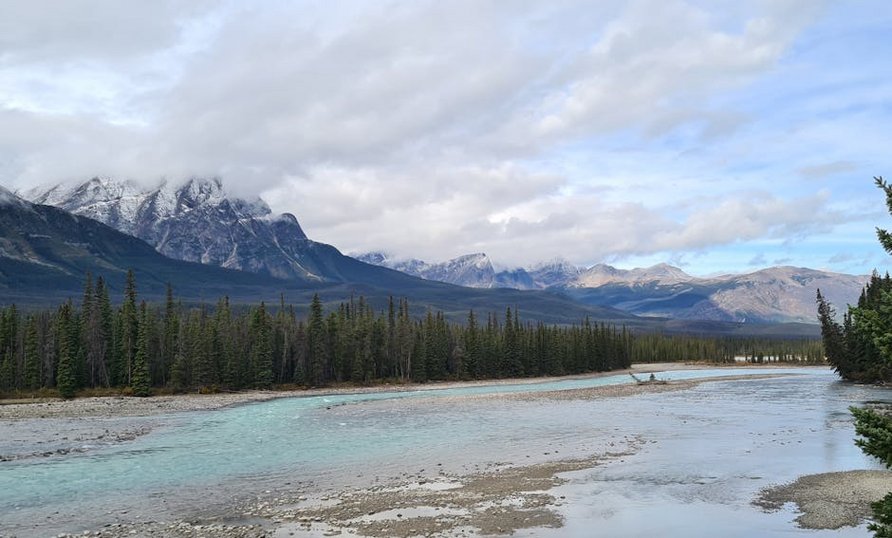
Alt: “jasper-dark-sky-preserve-milky-way-aurora-borealis-mountains”
Top Astronomical Experiences
Jasper’s protected skies reveal celestial wonders rarely visible from populated areas, with seasonal variations offering different highlights throughout the year. The preserve’s multiple designated viewing areas provide varied perspectives on cosmic phenomena, from wide-field aurora displays to detailed planetary observation through telescopes. Regular astronomical events coordinate with preserve programming to enhance visitor understanding and appreciation of night sky features.
Accessibility features include paved pathways to major observation sites, wheelchair-accessible viewing platforms, and audio-described tours for visually impaired visitors. These accommodations ensure all guests can experience the preserve’s astronomical offerings regardless of physical limitations or previous experience with celestial observation. Evening programs typically run regardless of weather conditions, with indoor alternatives available during precipitation or extreme cold.
Must-See Celestial Events
Annual meteor showers like the Perseids in August and Geminids in December create spectacular displays with up to 100 meteors hourly under optimal conditions. The preserve’s dark skies magnify these events compared to urban observations, with persistent trains and fireballs frequently visible throughout peak activity periods. Planetary oppositions occur regularly, with Jupiter and Saturn providing exceptional telescopic viewing when at their closest approaches to Earth.
Aurora borealis activity peaks around equinox months in March and September, though displays can occur throughout the year during periods of high solar activity. The Milky Way core becomes visible from April through September, with galactic center observation optimal during late summer evenings when it reaches highest elevation. Lunar eclipses and planetary conjunctions receive special programming through the Jasper Planetarium with expert guidance and equipment provided.
Observatory and Guided Tours
The Jasper Planetarium operates year-round with indoor star theater shows, outdoor telescope sessions, and expert-led interpretation of current celestial events. Their telescope collection includes specialized instruments for planetary observation, deep-sky objects, and solar viewing during daylight hours. Tour packages combine planetarium admission with transportation to remote viewing sites beyond the townsite’s minimal light pollution.
Private guiding services offer customized experiences focusing on specific interests like astrophotography, celestial navigation, or particular phenomena like aurora prediction and observation. These tours typically include high-end equipment usage, transportation to multiple locations within the preserve, and personalized instruction based on participant experience levels. Reservation requirements vary by season, with peak periods during meteor showers and aurora activity requiring several weeks advance booking.
Night Sky Photography Techniques
Successful astrophotography requires camera equipment capable of manual settings, sturdy tripods to prevent vibration during long exposures, and wide-aperture lenses for capturing faint celestial objects. Basic techniques involve ISO settings between 1600-6400, exposure times of 15-30 seconds to avoid star trailing, and aperture settings at f/2.8 or wider for maximum light gathering. Composition considerations include foreground elements like mountain silhouettes or reflective water surfaces to create compelling images.
Advanced methods incorporate star tracking mounts for longer exposures, specialized filters for light pollution reduction, and intervalometers for time-lapse sequences of celestial motion. Post-processing techniques enhance faint details in Milky Way structure, aurora colors, and meteor shower activity through stacking multiple exposures and careful color balance adjustment. Local workshops provide hands-on instruction with rental equipment available for visitors not traveling with specialized gear.
Practical Travel Information
Transportation to Jasper involves driving from Edmonton International Airport (YEG) via the Icefields Parkway, a scenic 4-hour route through mountain landscapes with multiple pullouts for spontaneous viewing. Alternatively, Calgary International Airport (YYC) offers a longer 5-hour drive through Banff National Park with equally impressive scenery and dark sky opportunities along the way. Rental vehicles should include winter tires from October through April for safe travel on potentially icy mountain roads.
Accommodation options range from rustic campgrounds and hostels to luxury resorts, all subject to high demand during peak astronomical events and summer months. Advance reservations are essential, particularly for properties offering dark sky packages with specialized amenities like red-light pathways and private viewing areas. The townsite provides essential services including grocery stores, equipment rentals, and dining options for visitors staying multiple days.
| Accommodation Type | Features and Amenities | Price Range (USD) |
|---|---|---|
| Campgrounds | Basic facilities, fire pits, some with electrical hookups, close to viewing areas | $25-45 nightly |
| Hostels & Lodges | Shared kitchens, common areas, astronomy programming, equipment storage | $75-150 nightly |
| Mid-Range Hotels | Private bathrooms, on-site dining, shuttle services, dark sky packages | $150-300 nightly |
| Luxury Resorts | Premium amenities, private balconies, guided experiences, specialized equipment | $300-500+ nightly |