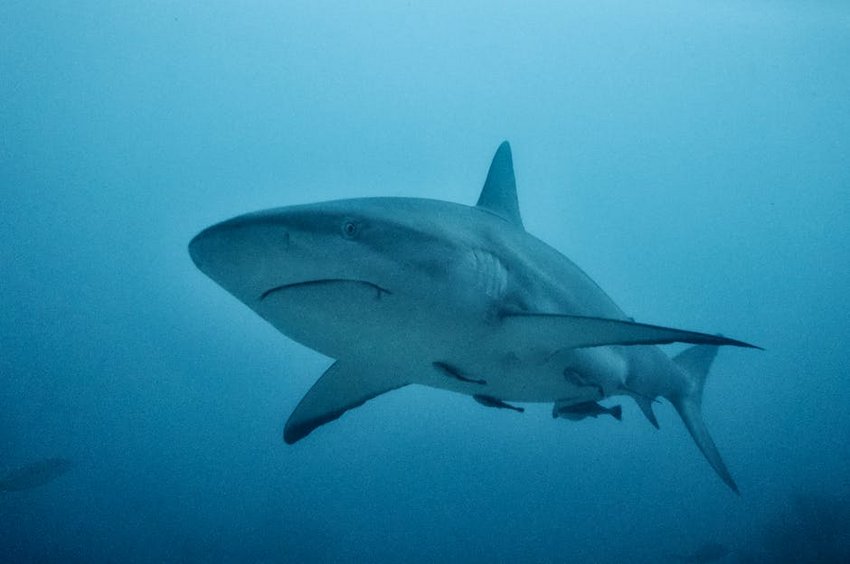
Honduras Bay Islands Diving Paradise
The Honduras Bay Islands diving paradise offers some of the Caribbean’s most vibrant coral reefs and diverse marine ecosystems accessible just offshore. You will discover world-class wall dives, gentle currents perfect for drift diving, and consistent visibility exceeding 100 feet throughout the islands. This guide covers essential planning tips, top dive sites, and cultural experiences to maximize your underwater adventure.
Essential Bay Islands Information
The Bay Islands archipelago comprises three main islands—Roatán, Utila, and Guanaja—plus several smaller cayes situated 30 miles off Honduras’ northern coast. These islands feature a unique cultural blend of Garifuna, English-speaking islanders, and Latino influences creating a distinct Caribbean atmosphere. You will notice English widely spoken alongside Spanish, making communication straightforward for international visitors.
Roatán serves as the largest and most developed island with extensive tourism infrastructure and numerous dive operators. Utila maintains its reputation as the budget diving capital with affordable certification courses and vibrant backpacker scene. Guanaja offers the most remote experience with pristine reefs accessible primarily by boat from limited accommodations.
Island Geography and Characteristics
Each island presents different advantages for diving enthusiasts and vacation planners.
- Roatán features the Mesoamerican Barrier Reef along its southern coast with over 40 marked dive sites within 15 minutes of shore.
- Utila provides consistent whale shark sightings from March through April and November through December in its deep channel waters.
- Guanaja delivers untouched coral gardens and dramatic seamounts rising from deep ocean floors for advanced divers.
- Budget diving: $800-1,200 weekly including hostel accommodation, two daily boat dives, and simple meals. Utila provides the most affordable options with dive packages starting at $35 per tank dive including gear rental.
- Mid-range experience: $1,500-2,500 weekly featuring beachfront hotels, unlimited diving packages, and restaurant meals. Roatán offers excellent value at this level with resort packages including transportation and guided diving.
- Luxury vacation: $3,000-5,000+ weekly covering premium resorts, private dive guides, spa treatments, and gourmet dining. Exclusive liveaboard charters and private villa rentals maximize comfort and customization.
- Honduras Tourism Institute – Bay Islands
- PADI Honduras Diving Information
Marine Environment Overview
The Mesoamerican Barrier Reef System creates ideal conditions for tropical marine life with water temperatures averaging 79-84°F (26-29°C) year-round. Visibility typically ranges between 80-150 feet depending on seasonal rainfall and plankton blooms. You will encounter healthy staghorn coral formations, giant barrel sponges, and extensive gorgonian forests supporting countless fish species.
Historical and Cultural Context
Bay Islands history includes British colonial influence, pirate hideouts, and fishing communities dating back centuries. The islands transitioned from British to Honduran sovereignty in 1859 while maintaining distinct cultural traditions. Today’s local economy revolves around tourism, fishing, and conservation efforts protecting the fragile reef ecosystem.
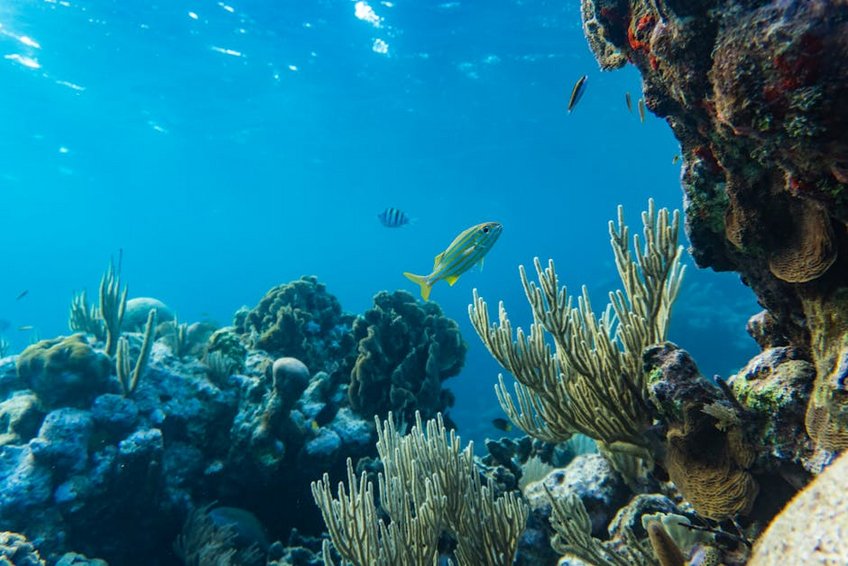
Alt: “bay-islands-mesoamerican-reef-coral-formations”
Honduras Bay Islands Diving Paradise – Planning Your Trip
Planning your Honduras Bay Islands diving paradise experience requires considering seasonal weather patterns, budget allocation, and certification requirements. The dry season from February through April offers optimal conditions with minimal rainfall and calm seas ideal for underwater photography. You should book dive packages and accommodations three to six months early for December through April peak periods.
Budget-conscious travelers find excellent value during May through November rainy season with reduced prices and fewer crowds. Hurricane season officially runs June through November, though storms rarely directly hit the islands thanks to their geographic positioning. Always purchase travel insurance covering dive-related cancellations and medical evacuation for peace of mind.
Best Time to Visit Bay Islands
Visit between February and April for peak diving conditions with water temperatures around 82°F (28°C) and minimal surface winds. These months provide the highest probability of sunny days, excellent visibility exceeding 100 feet, and calm ocean conditions comfortable for beginners. You will encounter more divers during this period, so book dive operators two months ahead.
Shoulder seasons in May-June and November-December offer good value with occasional brief rain showers. Water remains warm at 80-84°F (27-29°C) while dive shop prices drop 20-30% from peak rates. Whale shark activity peaks around Utila during March-April and November-December transition months.
Budget Planning and Costs
Diving vacations in the Bay Islands accommodate various budget levels from backpacker to luxury experiences.
Essential Preparation Checklist
Pack lightweight dive skins or 3mm wetsuits, reef-safe sunscreen, and waterproof documentation holders for your certification cards. Bring original certification cards from PADI, SSI, or other agencies, as dive operators require verification before allowing boat dives. Consider purchasing dive insurance through DAN (Divers Alert Network) for emergency coverage specific to diving incidents.
Check passport validity extending six months beyond your departure date and verify visa requirements based on your nationality. US and EU citizens receive 90-day tourist visas upon arrival at Honduran airports. Download offline maps and translation apps since internet connectivity varies between islands, particularly on Guanaja.
Top Dive Sites and Marine Activities
Roatán’s western end features spectacular dive sites like Mary’s Place with its dramatic fissures and abundant black coral formations. The wreck of the Prince Albert sits upright in 65 feet of water near West End, creating an artificial reef attracting schools of grunts and snappers. Utila’s Black Hills site offers thrilling drift dives along vertical walls covered in colorful sponges and sea fans.
Guanaja’s exceptional sites include Jim’s Silverlode, a stunning wall dive starting at 40 feet and dropping beyond recreational limits. You might spot eagle rays, reef sharks, and occasional dolphin pods in the deep blue water beyond the reef edge. Night diving reveals entirely different marine behavior with octopus, lobsters, and bioluminescent organisms active after sunset.
Must-See Dive Highlights
Roatán’s Blue Channel showcases breathtaking coral canyons with consistent turtle sightings and gentle currents perfect for photographers. The site features swim-throughs at various depths between 30-60 feet, allowing extended bottom time for observing reef life. Dive operators typically include this site in their morning rotations when visibility peaks before afternoon winds.
Utila’s Lighthouse Reef presents spectacular coral pillars rising from sandy bottoms at 50-70 feet depths. You will frequently encounter schools of horse-eye jacks, barracuda, and during seasonal migrations, whale sharks feeding in nearby deep water. The site accommodates all certification levels with minimal current and excellent reference points for navigation.
Guanaja’s Jado Trader wreck sits at 90 feet, offering advanced divers an intriguing exploration of this sunken cargo ship. The structure has developed into a mature artificial reef hosting massive grouper, moray eels, and occasional bull sharks in the surrounding blue water. You need advanced certification and deep diving specialty for safe exploration of this site.
Hidden Gems and Local Favorites
Roatán’s Calvin’s Crack remains less crowded than popular sites, featuring a dramatic split in the reef creating a narrow swim-through. Local guides know optimal times to visit when sunlight illuminates the fissure, creating stunning visual effects through the crystal-clear water. You might have this site entirely to yourself on weekday afternoons when cruise ship crowds have departed.
Utila’s Ted’s Point offers magnificent shallow coral gardens perfect for snorkelers and beginner divers. The site sits in a protected bay with maximum depth of 25 feet, allowing extended bottom time to observe juvenile fish and intricate coral structures. Local dive shops rarely include this spot on scheduled boats, so request it specifically for a peaceful experience.
Snorkeling and Non-Diving Activities
Excellent snorkeling exists directly from shore at West Bay Beach in Roatán, where the reef crest approaches within swimming distance. You can observe parrotfish, angelfish, and occasional spotted eagle rays in water as shallow as 3-5 feet depth. Several operators offer glass-bottom boat tours and snorkeling excursions to more remote reef sections for non-diving companions.
Island exploration includes visiting Roatán’s Carambola Botanical Gardens, Utila’s Iguana Research Station, and Guanaja’s water taxi tours through mangrove channels. You will discover beautiful beaches, local seafood restaurants, and cultural demonstrations of Garifuna drumming and dancing. These activities provide excellent surface intervals between diving days while experiencing island culture.
Practical Travel Information
Juan Manuel Gálvez International Airport (RTB) on Roatán receives direct flights from Miami, Houston, and Atlanta, plus connections through San Pedro Sula. Utila and Guanaja require additional transportation via domestic flights or ferries from Roatán or La Ceiba on the mainland. You should allow extra travel days when visiting multiple islands due to limited inter-island transportation schedules.
Accommodation ranges from basic dormitories to luxury all-inclusive resorts with on-site dive operations. Roatán offers the widest selection, while Utila specializes in dive hostels and Guanaja features smaller eco-lodges. Booking.com and Airbnb provide good options, though direct booking with dive resorts often includes valuable package deals.
| Category | Options/Features | Price Range (USD) |
|---|---|---|
| Budget Accommodation | Dorm beds, shared bathrooms, communal kitchens, dive package deals | $15-40/night |
| Mid-Range Hotels | Private rooms, air conditioning, pool access, breakfast included | $80-150/night |
| Luxury Resorts | Beachfront location, spa services, gourmet dining, private dive boats | $200-500+/night |
| Liveaboard Boats | All-inclusive diving, multiple daily dives, meals, cabin accommodation | $2,000-4,000/week |