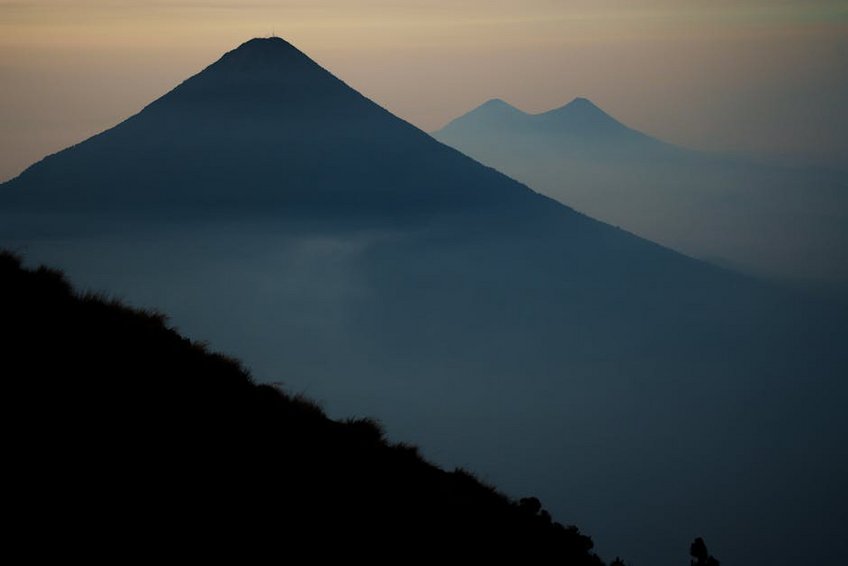
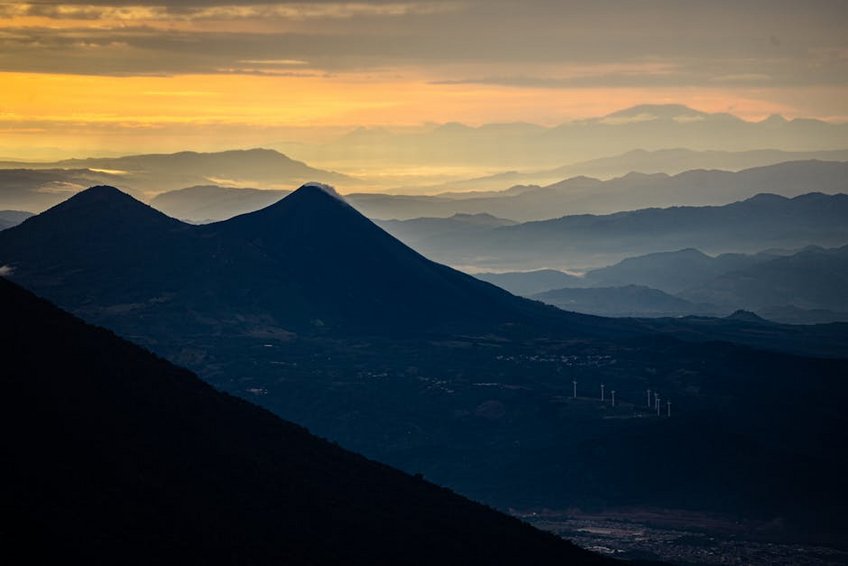
Guatemala Tikal Sunrise Temple View: Ancient Mayan Dawn Experience
Witnessing the Guatemala Tikal sunrise temple view transforms an ordinary trip into an unforgettable archaeological adventure. This experience combines ancient Mayan history with breathtaking natural beauty as the sun ascends over Temple IV in Tikal National Park. Our guide covers optimal visiting seasons, photography techniques, and practical logistics for your Central American journey.
Essential Tikal Information
Tikal represents one of the largest archaeological sites from the pre-Columbian Maya civilization, flourishing between 200-900 AD. The UNESCO World Heritage site spans over 57,600 hectares in Guatemala’s Petén department, featuring thousands of ancient structures. Visitors explore pyramids, temples, and palaces surrounded by dense tropical forest.
The ancient city served as a powerful capital and ceremonial center during the Classic Period of Maya civilization. Archaeologists have uncovered evidence of advanced astronomical knowledge in the architectural alignments throughout the complex. Modern excavations continue revealing new insights into Mayan culture and daily life.
What You Need to Know
Before visiting Tikal, understand these key facts about the site and experience.
- Tikal opens daily from 6:00 AM to 5:00 PM, with special sunrise access requiring advance reservations and guided tours for the early morning entry.
- The archaeological complex contains over 3,000 structures, with Temple IV standing 70 meters (230 feet) tall as the perfect sunrise viewing platform above the jungle canopy.
- Guatemala uses the quetzal (GTQ) as currency, though US dollars are widely accepted at Tikal with approximately 7.5 quetzales equaling one dollar for easy conversion.
- Budget travelers spend $50-75 daily, including hostel accommodations in Flores, local transportation, and basic tour packages without premium guides, focusing on self-guided exploration after the sunrise viewing concludes.
- Mid-range visitors allocate $100-150 per day for comfortable hotels with air conditioning, guided sunrise tours with knowledgeable interpreters, and restaurant meals, plus additional funds for souvenirs and extra activities around Lake Petén Itzá.
- Luxury experiences cost $200-300 daily, covering boutique jungle lodges, private guided tours with early exclusive access, gourmet dining, and additional excursions to nearby Mayan sites like Yaxhá for sunset views from other temple complexes.
- Guatemala Tourism Board
- UNESCO World Heritage – Tikal
Key Historical Details
Tikal’s prominence peaked during the Classic Period when it dominated much of the Maya region politically and economically. The city-state engaged in conflicts with neighboring Calakmul, documented on stone monuments throughout the site. These historical rivalries shaped the architectural development visible today.
Archaeological evidence suggests Tikal supported a population of up to 90,000 people at its zenith around 700 AD. The city features sophisticated water management systems, including reservoirs that collected rainwater for dry seasons. These engineering achievements demonstrate the Maya’s advanced understanding of their environment.
Tikal’s Cultural Significance
Modern Maya communities maintain cultural connections to Tikal through traditional practices and oral histories. The site represents an important spiritual location for contemporary Maya people conducting ceremonies. Visitors should approach the ruins with respect for their ongoing cultural importance.
The ancient Maya developed complex calendar systems and astronomical observations reflected in Tikal’s architecture. Temple alignments correspond with solar events like equinoxes and solstices. This celestial knowledge enabled precise agricultural planning and religious ceremonies.
Planning Your Guatemala Tikal Sunrise Temple View
Successfully experiencing the Guatemala Tikal sunrise temple view requires careful advance planning and timing. The sunrise tour provides exclusive early access before regular opening hours, allowing visitors to watch dawn break from Temple IV’s summit. This popular experience sells out weeks ahead during peak seasons.
Booking your sunrise tour through authorized operators ensures proper permits and knowledgeable guides. The experience typically includes transportation from nearby Flores or your hotel, park entrance fees, and breakfast. Expect to wake around 3:00 AM for the journey to Tikal National Park.
Physical preparation matters for climbing Temple IV’s wooden staircases in darkness. Bring sturdy footwear, water, and a flashlight for the ascent. The reward comes as sunlight gradually illuminates the jungle canopy and surrounding temples.
Best Time to Visit Tikal for Sunrise
Visit Tikal between November and April for optimal sunrise viewing conditions during Guatemala’s dry season. December through February offers the clearest skies with minimal rainfall, though temperatures can drop to 60°F (15°C) in early mornings. These months provide the best photography conditions with less humidity and haze.
Shoulder seasons in May and October still provide good visibility with fewer crowds and lower accommodation prices. The rainy season from June to September brings lush vegetation but increased cloud cover that might obscure sunrise views. Weekdays generally see fewer visitors than weekends throughout the year.
Budget Planning and Costs
Budget accordingly for your Tikal sunrise experience across these three spending levels.
Essential Preparation Checklist
Pack strategically for your Tikal adventure with these necessary items. Bring broken-in hiking shoes, moisture-wicking clothing, rain gear, insect repellent, and a daypack with two liters of water. Include binoculars for wildlife spotting and a power bank for electronic devices.
Secure required documentation including your passport with at least six months validity, printed tour confirmations, and adequate travel insurance covering medical evacuation. Book accommodations three months ahead for peak season visits. Check vaccination requirements and consider antimalarial medications for the region.
Top Attractions and Activities
Beyond the sunrise experience, Tikal offers numerous archaeological wonders and natural attractions. The Great Plaza showcases Temple I and Temple II facing each other across the ancient ceremonial space. The Central Acropolis contains royal palaces and administrative buildings with intricate stone carvings.
Wildlife enthusiasts spot howler monkeys, toucans, coatis, and occasionally jaguars within the national park boundaries. The museum near the entrance displays artifacts excavated from the site, providing historical context. Allow full days to explore beyond the main temple complexes.
Must-See Highlights
Temple I, also called the Temple of the Great Jaguar, rises 47 meters (154 feet) above the Great Plaza. This structure served as the tomb for ruler Jasaw Chan K’awiil I, discovered in 1962. Climbing is prohibited to preserve the fragile limestone structure.
Temple II, known as the Temple of the Masks, faces Temple I across the plaza at 38 meters (125 feet) tall. Its name comes from the massive stone masks flanking the stairway, though only reproductions remain today. The temple offers excellent photographic opportunities throughout the day.
The Lost World Complex features one of Tikal’s oldest ceremonial structures, with evidence of construction beginning around 500 BC. The main pyramid here provides alternative elevated views of the surrounding jungle and temples, especially beautiful during late afternoon light.
Hidden Gems and Local Favorites
Explore Group G and Group H for quieter areas away from main tourist paths. These residential complexes reveal insights into ancient daily life with preserved household structures. The relative solitude enhances the mystical atmosphere of the ancient city.
Local guides often recommend the Tikal Reservoir for birdwatching and moments of tranquility. This ancient water source supported the city’s population and now attracts numerous bird species. Visit during midday when most tourists are exploring the major temples.
Jungle Trekking Opportunities
Several trails wind through the national park beyond the archaeological core. The Sendero del Zopilote Rey passes through dense forest with opportunities to spot wildlife. These paths require proper footwear and direction awareness as signage remains limited in remote sections.
Guided night walks reveal Tikal’s nocturnal creatures, including tarantulas, kinkajous, and various owl species. These specialized tours operate with park authorization and trained naturalists. The experience provides completely different perspectives on the ecosystem surrounding the ruins.
Practical Travel Information
Reaching Tikal requires flying into Guatemala City followed by domestic transportation to the Petén region. Mundo Maya International Airport (FRS) near Flores serves as the primary gateway, with connections from Guatemala City and some international destinations. Alternatively, buses provide economical transportation from Guatemala City.
Accommodation options range from basic hostels in Flores to luxurious jungle lodges adjacent to the park. Staying closer to Tikal enables earlier arrivals for sunrise but limits dining and evening entertainment options. Flores offers more services and beautiful lake views just one hour from the ruins.
| Accommodation Type | Features and Location | Price Range (USD) |
|---|---|---|
| Budget Hostels | Shared dormitories, basic amenities, social atmosphere, located in Flores town center | $15-30 per night |
| Mid-Range Hotels | Private rooms with AC, swimming pools, on-site restaurants, transportation services | $60-120 per night |
| Jungle Lodges | Eco-friendly design, guided activities, proximity to Tikal entrance, wildlife viewing | $130-250 per night |
| Luxury Resorts | Spa facilities, gourmet dining, private tours, Lake Petén Itzá waterfront locations | $260-400 per night |