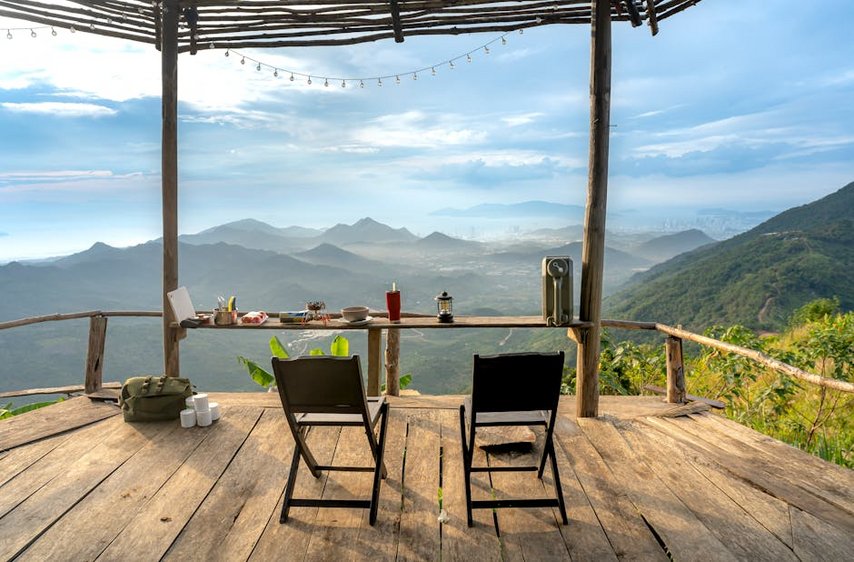
Brazil Chapada Diamantina Table Mountains: Hiking Paradise in Bahia
Brazil’s Chapada Diamantina table mountains form a spectacular national park in Bahia state, spanning over 1,500 square kilometers of dramatic plateaus and deep valleys. This UNESCO-recognized region offers some of South America’s most diverse hiking terrain, featuring crystalline waterfalls, ancient caves, and panoramic viewpoints across the Brazilian highlands. Our guide covers essential planning details, must-see attractions, and practical tips for exploring this unique ecosystem.
Essential Chapada Diamantina Information
Chapada Diamantina National Park protects a massive geological formation in northeastern Brazil’s Bahia state. The park’s name translates to “Diamond Highlands,” referencing the 19th-century diamond mining history that shaped local towns like Lençóis and Igatu. Today, conservation efforts preserve the region’s unique biodiversity across multiple ecosystems.
The table mountains (mesas) resulted from erosion over millions of years, creating flat-topped plateaus with sheer cliffs. These geological formations range from 500 to 1,200 meters in elevation, creating varied microclimates throughout the park. Visitors encounter everything from dry caatinga vegetation to humid forest zones within short distances.
Location and Geography Details
Understanding the park’s layout helps plan your itinerary effectively.
- Chapada Diamantina occupies central Bahia state, approximately 400 kilometers inland from Salvador, with the park spanning 152,000 hectares across multiple municipalities including Palmeiras and Andaraí.
- The table mountains consist primarily of quartzite and sandstone formations, with Pico do Barbado reaching 2,033 meters as Bahia’s highest point, though most hiking areas range between 800-1,500 meters elevation.
- Major hydrological systems include the Paraguaçu River basin, which feeds numerous waterfalls like Fumaça and Mosquito, with underground rivers creating extensive cave systems throughout the region.
- Budget travelers can manage on $45-65 daily by staying in hostels, preparing meals, and joining group tours, with dorm beds costing $15-25 nightly and basic restaurant meals priced at $8-12.
- Mid-range visitors spending $90-140 daily enjoy private rooms, guided hikes, and restaurant dining, with comfortable pousadas charging $50-80 per night and full-day tours averaging $40-60 per person.
- Luxury experiences at $200-350 daily include boutique hotels, private guides, and specialized activities, with premium accommodations from $120 nightly and custom multi-day treks costing $150-250 daily.
- Brazil Tourism Board
- Lonely Planet Chapada Diamantina Guide
Historical Significance
Diamond mining began here in the mid-1840s, attracting thousands of prospectors to towns like Lençóis, which became known as the “Diamond Capital.” This mining era lasted approximately eighty years before depletion, leaving behind historic architecture and cultural traditions. Many former mining tunnels now serve as tourist attractions, with guides explaining the region’s economic history.
The park gained protected status in 1985, transitioning the local economy toward ecotourism and conservation. Former mining paths now form part of the extensive trail network used by hikers today. This history adds cultural depth beyond the natural landscapes, with several museums documenting the diamond rush period.
Climate and Weather Patterns
Chapada Diamantina experiences a tropical savanna climate with distinct wet and dry seasons influencing travel plans. The dry season from April to September offers optimal hiking conditions with minimal rainfall and comfortable temperatures. Daytime temperatures typically range from 68°F to 82°F (20°C to 28°C) during this period.
The rainy season from October to March brings frequent afternoon showers, sometimes making trails muddy and river crossings challenging. However, this season maximizes waterfall flow, creating spectacular photographic opportunities. Humidity remains moderate year-round due to the elevation, rarely exceeding 70% except during rain events.
Planning Your Brazil Chapada Diamantina Table Mountains Trip
Organizing your Brazil Chapada Diamantina table mountains adventure requires attention to seasonal timing, budget allocation, and physical preparation. The region’s remote nature means advance planning ensures you experience the highlights without logistical issues. Most visitors spend 5-7 days exploring the diverse landscapes and attractions.
International travelers typically fly into Salvador or Brasília before taking connecting transportation to the park gateway towns. You should book accommodations and guided tours several months in advance for peak season visits between June and August. The park’s vast size means focusing on specific regions rather than attempting to see everything in one trip.
Best Time to Visit Chapada Diamantina
Visit between May and September for ideal hiking conditions with minimal rainfall and pleasant temperatures ranging from 65°F to 80°F (18°C to 27°C). These months offer clear skies for photography and comfortable trekking without extreme heat. July and August attract the most visitors, requiring earlier bookings for popular tours.
Shoulder months in April and October provide good conditions with fewer crowds, though occasional rain may affect some trails. The wet season from November to March showcases powerful waterfalls but makes certain routes inaccessible. December through February sees the highest rainfall, with some trails closing for safety reasons.
Budget Planning and Costs
Consider these three budget tiers for different travel styles.
Essential Preparation Checklist
Pack broken-in hiking boots, quick-dry clothing, and waterproof layers for variable trail conditions. Bring a headlamp for cave exploration, a reusable water bottle with purification tablets, and a basic first-aid kit for remote areas. Photography equipment should include extra batteries and protective cases for humidity and dust.
Secure comprehensive travel insurance covering adventure activities and emergency evacuation from remote locations. Book flights to Salvador or Brasília at least three months ahead for better rates, then arrange ground transportation to Lençóis. Check visa requirements for your nationality, as many visitors need Brazilian tourist visas processed before arrival.
Alt: “chapada-diamantina-table-mountains-hiking-trail-view”
Top Attractions and Activities
Chapada Diamantina’s diverse landscapes offer endless exploration opportunities from gentle walks to challenging multi-day treks. The park’s most famous features include South America’s highest waterfall, extensive cave systems, and panoramic mesa viewpoints. Most attractions require guided access for safety and conservation reasons.
Adventure levels range from family-friendly short hikes to expert-level canyon descents requiring technical skills. Many operators offer tours tailored to different fitness levels and interests. The region’s natural beauty appears throughout Brazilian media, though experiencing it personally far exceeds photographic representations.
Must-See Highlights
Cachoeira da Fumaça (Smoke Waterfall) plunges 340 meters into a valley, creating a misty effect visible from viewpoints requiring a 6-kilometer round-trip hike. This iconic waterfall flows year-round but appears most dramatic from December to March. Access costs approximately $25 with guides including transportation from Lençóis.
Poço Encantado and Poço Azul present stunning underground lakes with crystal-clear blue waters visible when sunlight enters through cave openings. Visiting these natural pools requires timing between April and September when sun angles create the magical lighting effect. Entry fees range from $15-20 per cave with mandatory guides.
Vale do Pati represents the park’s most celebrated multi-day trek through remote valleys between towering table mountains. This 3-5 day adventure passes traditional communities, multiple waterfalls, and overnight stays in local homes. Guided tours cost $80-120 daily including meals, camping gear, and local guides.
Hidden Gems and Local Favorites
Gruta do Lapão offers one of Brazil’s largest quartzite caves accessible via a steep but rewarding 4-kilometer trail from Lençóis. This less-crowded alternative to popular caves features impressive rock formations and historical inscriptions from the mining era. Local guides charge approximately $20 for the half-day experience.
Igatu’s stone ruins provide a hauntingly beautiful glimpse into the diamond mining past, with pathways winding through abandoned stone houses reclaimed by vegetation. The adjacent CAMPO – Arte & Memória museum showcases local artists alongside mining history. This atmospheric village makes a perfect day trip from Andaraí with minimal tourist crowds.
Adventure Trekking Options
Multi-day treks range from the moderate 3-day Lençóis to Capão route to challenging week-long circuits crossing multiple table mountain regions. These adventures typically cover 10-15 kilometers daily with elevation changes up to 800 meters. Professional guides ensure safety while sharing ecological and cultural knowledge.
Technical activities include rappelling down waterfalls like the 80-meter Cachoeira do Buracão and rock climbing on quartzite walls near Vale do Capão. These specialized experiences require booking with certified operators providing equipment and safety briefings. Adventure insurance remains mandatory for these higher-risk activities.
Practical Travel Information
Navigating Chapada Diamantina requires understanding transportation options, accommodation types, and regional logistics. The park’s gateway towns offer different atmospheres and services catering to various travel preferences. Advance planning prevents disappointment during peak seasons.
Lençóis serves as the primary tourist hub with the most infrastructure, including ATMs, pharmacies, and numerous tour operators. Smaller towns like Capão and Igatu provide more rustic experiences closer to specific attractions. Mobile service remains limited outside urban centers, so download offline maps before exploring.
| Category | Options/Features | Price Range (USD) |
|---|---|---|
| Accommodation | Hostels, pousadas, eco-lodges with breakfast included | $15-150 nightly |
| Guided Tours | Day hikes, multi-day treks, cave visits with certified guides | $25-120 per person |
| Transportation | Local buses, private transfers, rental cars with 4WD | $5-80 per segment |
| Food & Dining | Local restaurants, hotel meals, self-catering options | $8-30 daily |