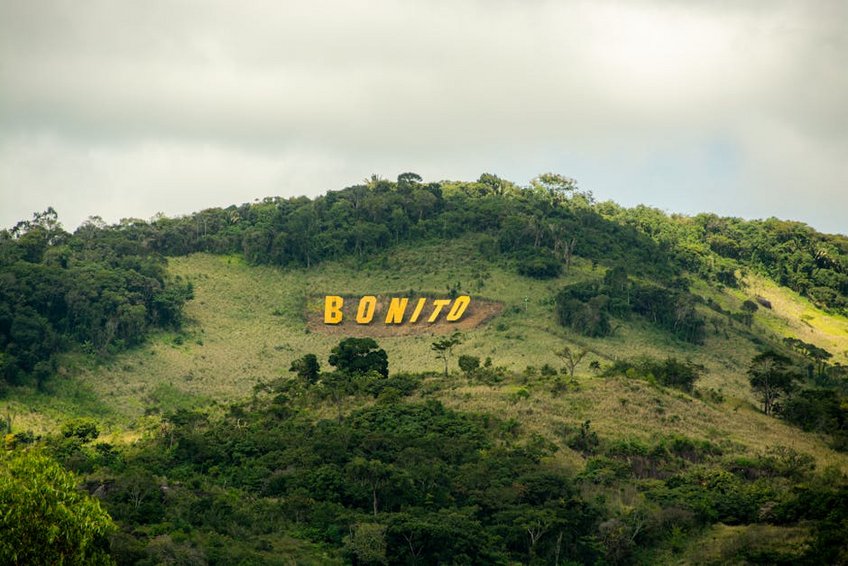
Brazil Bonito Crystal Clear Rivers: Explore Nature’s Living Aquariums
Brazil Bonito crystal clear rivers offer some of the planet’s most transparent freshwater experiences, with visibility exceeding 50 meters in certain locations throughout this Brazilian ecotourism paradise. These pristine aquatic systems flow through limestone formations that naturally filter sediments, creating ideal conditions for snorkeling alongside hundreds of fish species in vibrant underwater gardens. This comprehensive guide covers everything from seasonal timing and budget planning to securing reservations for the region’s protected natural attractions.
Essential Bonito Destination Information
Bonito sits in Brazil’s Mato Grosso do Sul state, approximately 300 kilometers from the Pantanal wetlands, serving as the country’s premier freshwater ecotourism destination. The town’s name translates to “beautiful” in Portuguese, perfectly describing the area’s stunning river systems, caves, and waterfalls that draw nature enthusiasts worldwide. Local conservation efforts maintain the water quality through controlled visitor numbers and environmental protection policies.
What Makes Bonito’s Waters So Crystal Clear
The remarkable water clarity results from geological conditions where rivers flow through karst limestone formations that naturally filter impurities. Calcium carbonate deposits create a bright white riverbed that reflects light, enhancing visibility and the vibrant colors of aquatic life. This natural filtration system removes sediments and organic matter, maintaining purity levels rarely found in other freshwater systems globally.
- Limestone bedrock acts as a natural water filter, removing sediments and organic particles through geological processes over thousands of years.
- The region’s unique hydrogeology features underground rivers emerging with exceptional purity after flowing through calcium-rich cave systems.
- Strict environmental protocols limit daily visitors at each attraction, preserving water quality through controlled human impact management.
- Budget travelers should allocate $50-80 daily, focusing on hostel accommodations, self-catering meals, and selecting one major attraction like Rio Sucuri while using public river access points.
- Mid-range visitors spending $100-150 daily secure comfortable pousada lodging, restaurant meals, and two to three guided tours to premier sites like Rio da Prata or Gruta do Lago Azul with transportation included.
- Luxury experiences at $200-300+ daily provide boutique hotel stays, private guided tours, multi-day packages, and exclusive access to limited-capacity attractions with premium services and dining.
- Brazil Tourism Board – Bonito Official Guide
- Lonely Planet Bonito Travel Information
Bonito’s Geographic and Ecological Context
Positioned within Brazil’s Cerrado biome transition zone, Bonito benefits from both tropical forest and savanna ecosystems that support extraordinary biodiversity. The region forms part of the Serra da Bodoquena plateau, where rainfall percolates through porous rock before emerging in springs and river sources. This geological process creates the foundation for the area’s famous aquatic transparency and supports unique species found nowhere else.
Local conservation initiatives began in the 1990s when residents recognized tourism’s potential value exceeding traditional farming and mining. These efforts established Bonito as Brazil’s first municipality to implement a visitor cap system, balancing economic benefits with environmental protection. The successful model now serves as reference for sustainable tourism development throughout Latin America.
Climate Patterns and Regional Characteristics
Bonito experiences distinct wet and dry seasons that significantly impact river conditions and visitor experiences throughout the year. The tropical climate maintains warm temperatures averaging 77°F (25°C) annually, with humidity levels varying between 60-80% depending on seasonal rainfall patterns. These climate factors directly influence water flow rates, visibility conditions, and wildlife activity in the river ecosystems.
Alt: “bonito-brazil-crystal-river-snorkeling-fish-vegetation”
Brazil Bonito Crystal Clear Rivers – Planning Your Trip
Organizing your Brazil Bonito crystal clear rivers adventure requires strategic planning due to limited daily entries at protected natural attractions and seasonal variations in water conditions. The region’s sustainable tourism model means popular sites like Rio da Prata and Gruta do Lago Azul sell out weeks in advance during peak seasons. Successful visitors typically book guided tours and accommodations three to six months ahead for December through March visits.
Budget considerations should account for mandatory guided tours at most attractions, which include equipment rental and contribute to conservation efforts through entrance fees. Independent exploration remains limited to specific public areas, with the majority of pristine river access requiring organized excursions with certified operators. This controlled approach maintains the delicate balance between visitor experience and environmental preservation.
Best Time to Visit Bonito’s Rivers
Visit between May and September for optimal water clarity when reduced rainfall maintains visibility at its peak throughout Bonito’s river systems. These drier winter months feature temperatures between 68-86°F (20-30°C) with minimal precipitation, creating ideal conditions for snorkeling and photography in the crystalline waters. Crowds diminish slightly compared to the Brazilian summer, though advance reservations remain essential for popular attractions.
The October to April rainy season brings warmer temperatures of 75-95°F (24-35°C) with occasional heavy downpours that can temporarily reduce water transparency. Shoulder months like April and October offer compromise solutions with decent visibility, fewer visitors, and lower accommodation rates. Wildlife spotting improves during wetter periods when animals gather around permanent water sources throughout the region.
Budget Planning and Costs
Bonito offers experiences across multiple price points, though the region’s ecotourism focus means costs typically exceed standard Brazilian destinations.
Essential Preparation Checklist
Pack quick-dry clothing, reef-safe sunscreen, water shoes with grip soles, and underwater camera equipment to fully enjoy Bonito’s aquatic environments. The region’s ecotourism regulations prohibit conventional sunscreen in rivers, requiring specific biodegradable products available at local shops or brought from home. Mosquito repellent becomes essential during warmer months, particularly for evening activities near water sources.
Secure necessary documentation including valid passports, Brazilian tourist visas if required for your nationality, and comprehensive travel insurance covering adventure activities. International visitors should confirm visa requirements through Brazilian consulates, as policies vary for US, EU, and other passport holders entering the country. Health considerations include consulting your doctor about recommended vaccinations and packing any personal medications with prescriptions.
Top Attractions and River Experiences
Bonito’s protected natural attractions showcase the region’s famous water transparency through guided snorkeling, diving, and exploration activities across multiple river systems. The most popular sites implement strict visitor caps that preserve environmental conditions while ensuring uncrowded experiences for those securing reservations. Each location offers unique characteristics from gentle floating rivers to dramatic cave systems filled with crystalline waters.
Advanced booking remains mandatory for all major attractions through authorized tour operators, with availability disappearing weeks ahead during peak seasons. Visitors typically select two to three primary experiences based on interests, physical ability, and budget considerations when planning their itineraries. Combination tickets and multi-day passes provide cost savings for those exploring multiple attractions throughout their stay.
Must-See River Highlights
Rio da Prata delivers Bonito’s quintessential snorkeling experience, featuring a 3-kilometer float through unimaginably clear waters teeming with pacu, dorado, and hundreds of other fish species. The excursion begins with a forest walk through private reserve trails before entering the Olho d’Água spring, where visibility often exceeds 40 meters in the pristine current. Morning tours typically offer better light conditions and increased wildlife activity throughout this world-renowned floating experience.
Gruta do Lago Azul (Blue Lake Cave) presents a spectacular underground world where sunlight penetrates through cave openings to illuminate an intense blue submerged lake. The dramatic visual effect results from calcium carbonate and sulfur deposits interacting with light rays at specific daylight hours between 8-10 AM. This geological wonder requires descending 100 meters into the cave system, with visitor numbers strictly limited to preserve the delicate environment.
Rio Sucuri provides arguably Brazil’s clearest river experience, with visibility measurements regularly reaching 50 meters during optimal conditions in this spring-fed system. The gentle current carries snorkelers past underwater gardens and enormous fish populations throughout the 1,800-meter floating route accessible to most ability levels. This attraction remains particularly popular with families and first-time snorkelers due to its calm waters and exceptional transparency.
Hidden Gems and Local Favorites
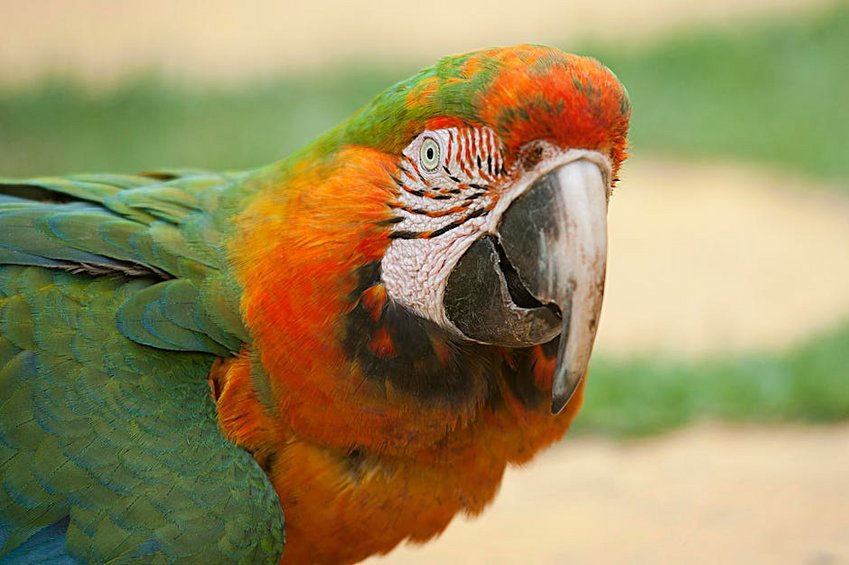
Buraco das Araras offers an impressive sinkhole measuring 500 meters in circumference, where hundreds of red-and-green macaws nest in the vertical walls at dawn and dusk. This geological formation provides spectacular photography opportunities without requiring water activities, making it ideal for travelers seeking variety beyond river experiences. The site operates with limited daily entries to minimize disturbance to the bird colonies that have inhabited the area for generations.
Estância Mimosa presents seven stunning waterfalls along a 2-kilometer trail where visitors can swim in natural pools and enjoy the surrounding forest scenery. This family-friendly attraction features wooden walkways and viewing platforms that provide access to multiple cascades without challenging hikes through the property. The location typically sees fewer visitors than major river attractions, offering a more relaxed alternative for nature immersion.
Snorkeling and Diving Adventures
Beginner snorkelers find ideal conditions at Aquário Natural, a calm spring-fed lagoon where gentle currents and minimal depth variation create perfect learning environments. Certified divers can explore Bonito’s unique freshwater systems through specialized operators offering equipment rental and guided experiences at approved locations. The region’s floating rivers require specific techniques different from ocean diving, focusing on buoyancy control to avoid disturbing the pristine riverbeds.
Advanced snorkelers seeking challenge might consider Abismo Anhumas, which involves rappelling 72 meters into a cave containing a submerged lake with extraordinary visibility and dramatic rock formations. This full-day adventure combines technical descent with snorkeling or diving in the crystal-clear waters below, requiring previous experience and physical fitness for participation. Limited to eight visitors daily, this exclusive experience represents Bonito’s most adventurous aquatic opportunity.
Practical Travel Information
Reaching Bonito typically involves flying to Campo Grande International Airport (CGR), then completing the 300-kilometer transfer by rental car, bus, or private transportation services. The journey takes approximately four hours by road through changing landscapes from urban areas to the scenic Serra da Bodoquena region surrounding Bonito. Multiple daily bus connections provide affordable options, while rental cars offer flexibility for exploring surrounding attractions at your own pace.
Local transportation within Bonito relies heavily on tour operator transfers, taxis, and rental bicycles for navigating the compact town center and nearby attractions. Most river experiences include round-trip transportation from your accommodation as part of the guided tour package, minimizing the need for independent mobility solutions. The town’s layout allows easy walking between restaurants, shops, and many pousadas located within the central area.
| Accommodation Type | Features and Amenities | Price Range (USD) |
|---|---|---|
| Hostels & Guesthouses | Dormitory or basic private rooms, shared facilities, communal kitchens, social atmosphere | $15-40/night |
| Standard Pousadas | Private rooms with en-suite bathrooms, breakfast included, swimming pools, tour booking assistance | $60-120/night |
| Boutique Hotels | Luxury accommodations, premium amenities, restaurant quality dining, spa services, private transfers | $150-300/night |
| Eco-Lodges | Sustainable properties, natural settings, environmental programs, guided nature activities | $100-200/night |