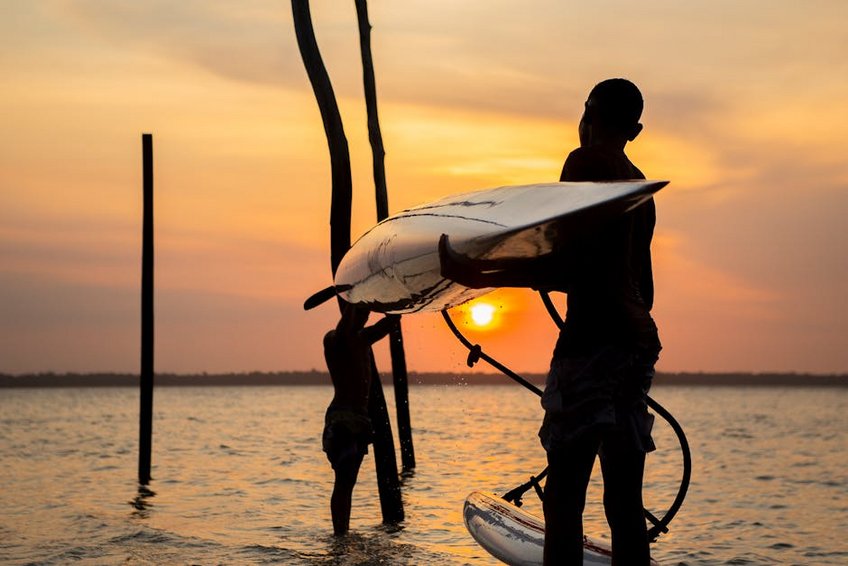
Essential Brazil Amazon River Cruise Adventure 3 Tips

Brazil Amazon River Cruise: Exploring the World’s Largest Rainforest

Embarking on a Brazil Amazon River Cruise immerses you in the planet’s most biodiverse ecosystem, where dense jungle meets mighty waterways teeming with exotic wildlife. You’ll navigate remote tributaries, spot pink dolphins and colorful birds, and learn about indigenous cultures that have thrived here for centuries. This guide provides detailed planning advice, activity recommendations, and practical tips for your Amazon adventure.

Essential Information About Amazon River Cruises

Amazon River cruises journey through Brazil’s northern region, covering the Amazon Basin’s vast network of rivers and flooded forests. These expeditions range from rustic riverboats to luxurious vessels with air-conditioned cabins and gourmet dining. Travelers experience guided excursions deep into the rainforest, often with naturalist experts explaining the unique flora and fauna.

What Is an Amazon River Cruise?

An Amazon River cruise involves multi-day boat travel along the Amazon River and its tributaries, focusing on wildlife observation and cultural immersion. Boats typically accommodate 10-50 passengers, with itineraries including daily stops for hiking, canoeing, and village visits. These cruises operate year-round, adapting to seasonal water level changes that affect accessibility.

Key Features and Inclusions

Most Amazon cruises include all meals, accommodations, guided tours, and sometimes equipment like rubber boots or rain ponchos. Expert guides lead activities such as piranha fishing, night caiman spotting, and canopy tower climbs for panoramic views. Higher-end options might offer spa services, lecture series, or specialized photography workshops.

  • Daily guided excursions with bilingual naturalist guides for wildlife interpretation and safety.
  • All-inclusive pricing covering meals, accommodations, and scheduled activities throughout your journey.
  • Small group sizes ensuring personalized attention and minimal environmental impact during explorations.
  • Historical and Ecological Significance

    The Amazon River has served as a vital transportation corridor for indigenous communities and European explorers since pre-Columbian times. Modern cruises often emphasize conservation education, highlighting efforts to protect endangered species and support sustainable tourism. Understanding this context deepens appreciation for the region’s cultural heritage and environmental challenges.

    Brazil Amazon River Cruise – Planning Your Trip

    Planning your Brazil Amazon River Cruise requires careful consideration of seasons, budgets, and physical preparation for the humid tropical environment. The dry season from June to November offers optimal wildlife viewing with lower river levels concentrating animals along banks. Budget between $1,500 and $10,000 depending on cruise length, accommodation level, and included amenities.

    Best Time to Visit the Amazon

    Visit between June and November for peak wildlife spotting opportunities, with temperatures averaging 80-90°F (27-32°C) and minimal rainfall. December to May brings heavy rains and higher water levels, allowing boat access to flooded forests but reducing trail hiking. Shoulder months like May or November provide balance with fewer crowds and transitional ecosystems.

    Budget Planning and Costs

    Cruise prices vary significantly based on duration, vessel quality, and inclusion levels.

    1. Budget cruises cost $1,500-$2,500 for 4-5 days on simpler boats with shared facilities, basic meals, and standard guided tours.
    2. Mid-range options run $2,500-$5,000 for 5-7 days featuring private cabins, better guides, more excursion variety, and enhanced comfort.
    3. Luxury expeditions range $5,000-$10,000+ for 7-10 days with suites, gourmet dining, spa services, and exclusive access to remote areas.
    4. Essential Preparation Checklist

      Pack quick-dry clothing in neutral colors, waterproof jackets, sturdy hiking shoes, and wide-brimmed hats for sun protection. Bring high-DEET insect repellent, binoculars, zoom lens cameras, and waterproof bags for electronics during wet excursions. Secure required vaccinations like yellow fever, valid passports, and comprehensive travel insurance covering remote medical evacuation.
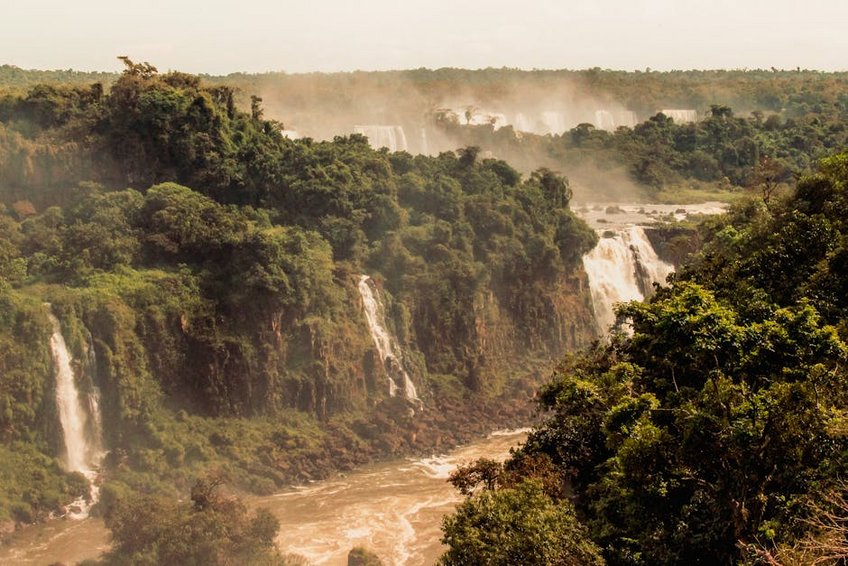
      Brazil Amazon River Cruise

      Top Attractions and Activities

      The Amazon offers countless unforgettable experiences from wildlife encounters to cultural interactions with riverine communities. You’ll explore diverse ecosystems including igapó forests, várzea floodplains, and permanent rainforests each hosting unique species. Activities balance adventure with education, providing deep immersion into this magnificent natural world.

      Must-See Highlights

      Witness the Meeting of the Waters where the dark Rio Negro and muddy Solimões River flow side-by-side without mixing for over 6 kilometers. Explore Anavilhanas Archipelago, the world’s largest freshwater archipelago with approximately 400 islands during low water seasons. Visit the Janauari Ecological Park to see giant water lilies, monkeys, and abundant birdlife from elevated walkways.

      Spot pink river dolphins during fishing excursions or sunset cruises along quieter tributaries away from main channels. Experience canopy walks in primary forest areas, offering bird’s-eye views of toucans, macaws, and sometimes sloths moving slowly through treetops. These highlights showcase the Amazon’s incredible biodiversity and geological wonders.

      Hidden Gems and Local Favorites

      Discover lesser-visited areas like Mamirauá Sustainable Development Reserve, focusing on uakari monkey conservation and community-based tourism initiatives. Local guides often know secret oxbow lakes where giant otters hunt and Victoria amazonica water lilies bloom spectacularly at dawn. Participate in traditional rubber tapping demonstrations or handicraft workshops using natural forest materials.

      Visit river communities like Terra Preta to learn about Amazonian dark earth soils and ancient agricultural techniques still practiced today. These authentic interactions support local economies while providing unique insights beyond standard tourist routes. Always respect village protocols and purchase crafts directly from artisans.

      Wildlife and Nature Experiences

      Join guided night safaris to spot caimans, tarantulas, and nocturnal mammals using spotlight techniques along riverbanks. Birdwatchers can identify hundreds of species including hoatzins, parrots, and hawks during early morning excursions when activity peaks. Photography enthusiasts capture stunning landscapes from sunrise mists to dramatic storm clouds over endless green horizons.

      Practical Travel Information

      Reaching the Amazon requires flying into Manaus, the primary gateway city with international connections from Miami and Panama City. Once there, cruise operators handle transfers to river ports, though independent travelers can arrange local boat transport. Accommodations range from city hotels pre-cruise to rustic jungle lodges for extended stays.

      Getting There and Around

      Fly into Eduardo Gomes International Airport (MAO) in Manaus, with direct flights from Miami (5 hours) or connections through São Paulo or Brasília. Cruise companies typically include port transfers, though taxis and ride-shares serve the city efficiently for independent exploration. River travel uses specially designed boats with shallow drafts for navigating variable water levels safely.

      Where to Stay

      Pre-cruise accommodations in Manaus include the Tropical Manaus Eco Resort with pool, spa, and jungle trails or budget options like Hostel Manaus near the historic opera house. For extended Amazon immersion, jungle lodges like Uakari Lodge offer deep forest experiences with guided activities. Book 3-6 months early for peak season availability and better rates.

      Brazil Amazon River Cruise

      Food, Culture, and Local Experience

      Amazonian cuisine reflects the region’s incredible biodiversity, incorporating exotic fruits, fish, and traditional preparation methods passed through generations. Cultural interactions emphasize respect for indigenous knowledge and sustainable practices that preserve both environment and heritage. Your cruise likely includes opportunities to taste local dishes and learn directly from community members.

      Local Cuisine and Must-Try Dishes

      Sample tacacá, a flavorful soup made with jambu leaves causing slight mouth numbness, shrimp, and tucupi broth. Try pirarucu, the giant Amazon fish often grilled or fried and served with farofa (toasted manioc flour). Fresh fruits like açaí, cupuaçu, and bacuri appear in juices, desserts, and savory dishes throughout the region.

      Experience these flavors at Manaus’ Adolpho Lisboa Market or onboard your cruise where chefs incorporate regional ingredients. Budget $10-$25 per meal in local restaurants, while cruises include most dining. Always drink bottled water and avoid raw vegetables unless peeled to prevent traveler’s stomach issues.

      Cultural Tips and Etiquette

      Dress modestly when visiting indigenous communities, covering shoulders and knees as a sign of respect during village interactions. Ask permission before photographing people or homes, and consider bringing small gifts like school supplies for remote villages. Learn basic Portuguese phrases like “obrigado” (thank you) and “por favor” (please) to facilitate communication.

      Tipping customs suggest 10-15% in restaurants if service charge isn’t included, and $10-$20 daily for exceptional cruise guides. Respect local beliefs by following guide instructions during spiritual or ceremonial observations. These practices ensure positive cultural exchanges and support community-based tourism initiatives.

      Indigenous Communities and Traditions

      Many cruises include visits to riverside communities like those of the Mura or Dessana peoples, showcasing traditional crafts, music, and storytelling. Participate in workshops learning about medicinal plants, basket weaving, or body painting using natural dyes from forest resources. These experiences highlight the deep connection between Amazonian cultures and their environment.

      Sources and References

      • Brazil Tourism Board
      • Lonely Planet Amazon Guide
      • Frequently Asked Questions

        When is the best time to visit the Amazon for a river cruise?

        Visit between June and November during the dry season for optimal wildlife viewing with lower river levels and concentrated animal activity. Temperatures average 80-90°F (27-32°C) with minimal rainfall, making hiking and excursions more comfortable. The rainy season from December to May offers unique flooded forest access but reduced trail availability.

        How much does a Brazil Amazon River Cruise cost?

        A Brazil Amazon River Cruise costs between $1,500 and $10,000 depending on duration, accommodation level, and included amenities. Budget options start around $200 daily, mid-range $300-$500, and luxury exceeds $700 daily including flights and insurance. Prices typically cover meals, guides, and activities but exclude international airfare.

        How many days do you need for an Amazon river cruise?

        Plan 4-7 days to experience key highlights like wildlife spotting, river exploration, and cultural visits comfortably. Shorter 3-4 day trips offer introductions, while 8-10 day expeditions allow deeper immersion in remote areas with more activity variety. Consider physical endurance and interest depth when selecting duration.

        How do you get to the Amazon for a cruise?

        Fly into Manaus International Airport (MAO) with connections from Miami, Panama City, or Brazilian hubs like São Paulo. From there, cruise operators provide transfers to river ports, typically included in package prices. Some expeditions begin with smaller flights or boat journeys from other Amazonian cities.

        Where should you stay for an Amazon river cruise?

        Stay in Manaus before departure, with options like the Tropical Manaus Eco Resort for jungle ambiance or downtown hotels for city exploration. For extended stays, jungle lodges offer deeper immersion with guided activities. Book accommodations 2-4 months early, especially June-November, for best selection and rates.

        Is the Amazon safe for travelers?

        Yes, the Amazon is generally safe with guided tours, though take precautions against insects, sun exposure, and dehydration in the humid climate. Petty theft occurs in cities, so secure valuables and avoid isolated areas at night. Follow guide instructions strictly during wildlife encounters and water activities.

        Do you need special preparation for an Amazon cruise?

        Yes, pack quick-dry clothing, waterproof gear, sturdy shoes, and high-DEET repellent for protection against mosquitoes and other insects. Obtain required vaccinations like yellow fever, carry antimalarial medications, and secure comprehensive travel insurance. Book 6-9 months ahead for peak season availability and best pricing.

        Final Tips for Your Amazon Journey

        A Brazil Amazon River Cruise delivers unparalleled access to vibrant ecosystems, from pink dolphin encounters to cultural exchanges with river communities. Your Brazil Amazon River Cruise succeeds with flexible planning for weather changes, quality gear for humid conditions, and realistic wildlife expectations. Whether photographing spectacular sunsets or learning forest traditions, this adventure creates lasting connections to nature’s greatest masterpiece.

        Related Stories

        spot_img

        Discover

        South Korea Jinhae Cherry Blossom Festival: 3 Essential

        South Korea Jinhae Cherry Blossom Festival: Your Guide to the Pink Canopy The South Korea...

        2026 Current India Jaipur Rose Festival Routes

        India Jaipur Rose Festival: A Guide to the Blossoming Celebration The India Jaipur Rose Festival...

        Ultimate Nepal Holi Festival Kathmandu Guide 12 Tips

        Nepal Holi Festival Kathmandu: A Guide to Celebrating the Festival of Colors Celebrating the Nepal...

        Philippines Moriones Festival Marinduque: 12 Ultimate

        Philippines Moriones Festival Marinduque Experiencing the Philippines Moriones Festival Marinduque offers a profound dive into...

        Top Indonesia Nyepi Silence Day Bali Guide 5 Tips

        Indonesia Nyepi Silence Day Bali Nyepi, the Balinese Day of Silence, transforms the vibrant island...

        Complete Vietnam Hue Festival Cultural Events Journey 3 Tips

        Vietnam Hue Festival Cultural Events The Vietnam Hue Festival cultural events represent a spectacular biennial...

        Popular Categories

        Comments

        LEAVE A REPLY

        Please enter your comment!
        Please enter your name here

      Category Options/Features Price Range (USD)
      Accommodation Riverboat cabins with AC, private bathrooms, daily housekeeping $150-$500 nightly
      Cruise Operators Small groups (10-30 passengers), expert naturalist guides, all meals $200-$400 daily
      Activities Fishing, hiking, village visits, wildlife spotting excursions $50-$150 per activity
      Transportation Flights to Manaus (MAO), airport transfers, local boat taxis $500-$1000 roundtrip