Argentina Salta Northwest Vineyards: High-Altitude Wine Adventures
Argentina’s Salta Northwest vineyards represent one of the world’s most unique wine regions, perched at elevations reaching over 10,000 feet in the Andes foothills. These high-altitude conditions create intense sunlight and dramatic temperature swings that produce exceptionally aromatic wines, particularly the floral Torrontés and robust Malbecs. This guide covers essential travel planning, top vineyard visits, cultural experiences, and practical tips for exploring this distinctive Argentine wine destination.
Essential Salta Wine Region Information
Salta’s Calchaquí Valleys form the heart of Northwest Argentina’s wine production, spanning three provinces across a vast high-altitude desert landscape. The region’s vineyards grow between 5,000 and 10,000 feet above sea level, creating some of the highest commercial vineyards globally. These extreme elevations contribute to thicker grape skins and more concentrated flavors in the resulting wines.
The area’s winemaking history dates to the 16th century when Spanish colonists introduced the first vines. Jesuit missionaries expanded vineyard plantings throughout the colonial period, establishing traditions that continue today. Modern wine tourism infrastructure has developed significantly over the past two decades, making the region accessible to international visitors.
Geography and Climate Essentials
Understanding the region’s physical characteristics helps plan your visit effectively.
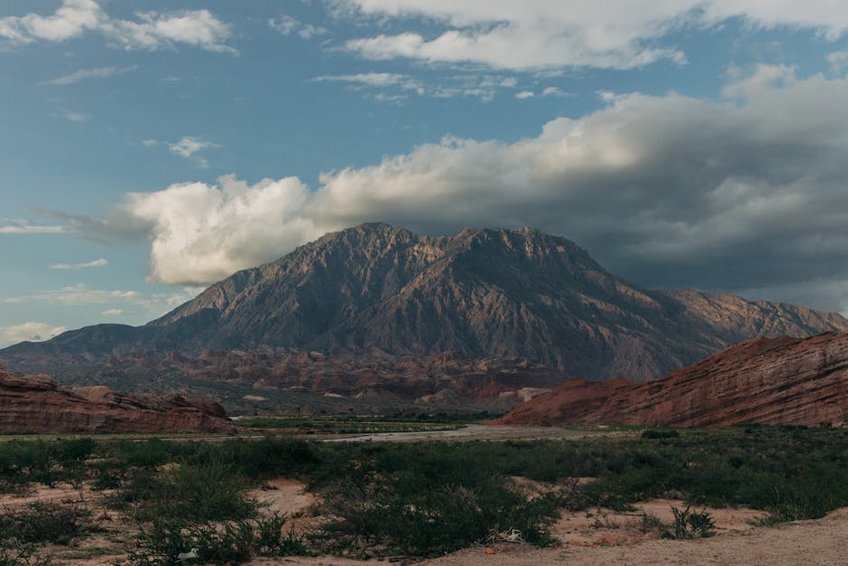
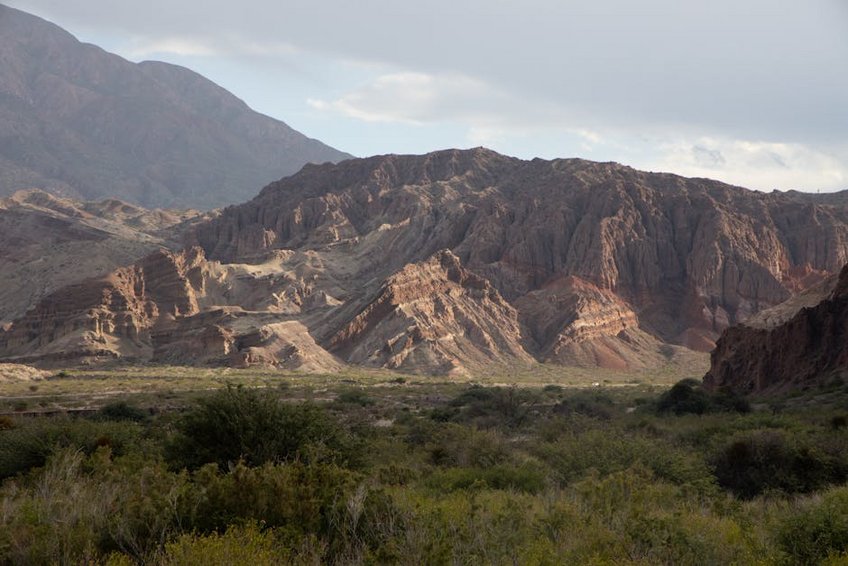
- The Calchaquí Valleys feature dramatic mountain scenery, red rock formations, and cactus-dotted landscapes across a high desert plateau averaging 6,500 feet elevation.
- Daytime temperatures reach 75-85°F (24-29°C) year-round, while nights drop dramatically to 45-55°F (7-13°C) due to the altitude and dry desert air.
- Annual rainfall measures just 6-8 inches, with irrigation sourced from mountain snowmelt through ancient canal systems maintained by local communities.
- Budget travelers can manage on $60-80 daily using hostel accommodations, self-guided touring, and municipal bus transportation between key locations, focusing on free vineyard tours and picnics with local market purchases.
- Mid-range visitors should budget $120-180 per day covering comfortable hotels, rental car expenses, paid tasting experiences at premium wineries, and restaurant meals featuring regional cuisine paired with local wines.
- Luxury experiences run $250-400+ daily including boutique hotel stays, private guided tours with transportation, exclusive tastings at estate vineyards, and gourmet dining at vineyard restaurants with multi-course wine pairings.
- Argentina Official Tourism Portal
- Wines of Argentina Association
Key Grape Varieties and Styles
Salta’s high-altitude vineyards specialize in specific grapes that thrive in these extreme conditions. Torrontés Riojano produces the region’s signature white wines with intense floral aromas and crisp acidity. Malbec develops deeper color and more structured tannins here compared to lower-elevation Mendoza versions.
Additional varieties include Cabernet Sauvignon, Tannat, and Bonarda, which benefit from the intense sunlight and cool nights. Many wineries craft blends that combine European traditions with local terroir characteristics. The region also produces small quantities of high-quality olive oil using ancient groves.
Wine Production Techniques
Traditional methods coexist with modern technology across Salta’s wineries. Many producers still use concrete tanks for fermentation, which maintain stable temperatures without energy consumption. Some vineyards practice dry farming techniques, relying solely on seasonal rainfall rather than irrigation.
Harvest typically occurs between February and April, with timing varying by elevation and grape variety. Most wineries welcome visitors for tours and tastings throughout the year, though harvest season offers the most dynamic experience. Several estates incorporate sustainable practices like solar power and water recycling.
Alt: “salta-northwest-vineyards-andes-mountain-background”
Planning Your Argentina Salta Northwest Vineyards Trip
Organizing your Argentina Salta Northwest vineyards adventure requires considering seasonal patterns, transportation logistics, and activity preferences. The region’s remote location demands advance planning for accommodations and tours, particularly during peak visitation months. You’ll find options ranging from budget-friendly hostel stays to luxury wine estate experiences.
Most international visitors fly into Buenos Aires before connecting to Salta’s Martín Miguel de Güemes International Airport (SLA). From there, rental cars or organized transfers provide access to the main wine valleys. The driving distance to Cafayate, the primary wine town, is approximately 120 miles south of Salta city.
Best Time to Visit Salta Wine Country
Visit between March and May for ideal weather conditions and harvest activities throughout the Argentina Salta Northwest vineyards. Daytime temperatures average 70-80°F (21-27°C) with cool nights around 50°F (10°C), perfect for vineyard exploration. This period offers the chance to witness grape harvesting and initial winemaking processes.
Shoulder seasons from September to November provide milder crowds and pleasant temperatures ranging from 65-75°F (18-24°C). Winter months (June-August) see fewer tourists but colder nights dipping to 40°F (4°C), though daytime remains comfortable for wine tasting. Summer brings higher temperatures but afternoon thunderstorms can affect travel plans.
Budget Planning and Costs
Your Argentina Salta Northwest vineyards experience can fit various budget levels with proper planning.
Essential Preparation Checklist
Pack layered clothing suitable for dramatic temperature changes between daytime heat and chilly evenings. Include sun protection like hats, sunglasses, and high-SPF sunscreen due to intense high-altitude UV exposure. Comfortable walking shoes are essential for vineyard tours across uneven terrain.
International travelers need valid passports, with most Western visitors receiving 90-day tourist visas upon arrival in Argentina. Arrange travel insurance covering adventure activities and potential altitude sickness. Book key accommodations and popular winery tours 2-3 months in advance for peak season visits.
Top Vineyard Experiences and Attractions
Salta’s wine country offers diverse experiences beyond standard tasting rooms, from horseback vineyard tours to mountain scenery viewpoints. The Cafayate area serves as the primary hub with over 20 wineries within easy reach. Many estates combine wine production with historical architecture and artisan food offerings.
Beyond Cafayate, the broader Calchaquí Valleys contain smaller boutique wineries worth exploring for their unique terroir expressions. Several producers operate restaurants serving traditional Argentine asado (barbecue) paired with their estate wines. The region’s dramatic landscapes provide spectacular backdrops for photography throughout your visits.
Must-Visit Wineries and Estates
Bodega Colomé stands as the world’s highest commercial vineyard at over 10,000 feet elevation, featuring a James Turrell art museum alongside its premium wine tastings. Entry costs $15-25 USD including guided tour and samples of their high-altitude Malbec and Torrontés. Visit during morning hours for best light and smaller crowds.
Bodega El Esteco offers comprehensive tours through their historic 19th-century estate with modern production facilities, costing $10-20 USD depending on tasting flight selection. Their patio restaurant serves excellent regional cuisine with vineyard views. Piattelli Vineyards combines stunning architecture with panoramic mountain vistas from their tasting room.
Wine Tasting Tours and Activities
Guided full-day tours from Salta city typically cost $80-120 USD per person, including transportation, bilingual guides, and 3-4 winery visits with tastings. Self-guided touring via rental car allows flexibility to explore lesser-known producers along the Ruta 40 and Ruta 68 wine routes. Many visitors enjoy bicycle tours between closer vineyards in the Cafayate area.
Several wineries offer blending workshops where you create your own wine blend to bottle and take home. Harvest experiences (March-April) include grape picking and stomping activities at participating estates. Evening wine tastings often feature traditional folk music performances in vineyard settings during summer months.
Scenic Routes and Natural Attractions
The drive from Salta to Cafayate along Ruta 68 showcases stunning rock formations, multi-colored mountains, and dramatic canyons. Stop at the Amphitheater natural acoustic formation and Devil’s Throat canyon for photography opportunities. Quebrada de las Conchas offers hiking trails through red rock formations with vineyard views.
The longer circuit through Cachi provides additional landscape diversity with high mountain passes and traditional villages. Several viewpoints along these routes feature local artisan markets selling handicrafts and regional food products. Allow extra time for spontaneous stops and photography throughout these scenic drives.
Practical Travel Information
Navigating Salta’s wine region requires understanding transportation options, accommodation types, and regional logistics. Rental cars provide the most flexibility for exploring remote vineyards, though organized tours eliminate navigation challenges. The region’s infrastructure has improved significantly, with good paved roads connecting major destinations.
Accommodation ranges from basic hostels in Cafayate to luxury wine estate hotels with vineyard views. Advance reservations are essential during popular months from March to May and September to November. English proficiency varies, with better availability at larger wineries and hotels in tourist areas.
| Accommodation Type | Features and Locations | Price Range (USD/Night) |
|---|---|---|
| Hostels & Guesthouses | Basic amenities, central Cafayate locations, shared facilities, social atmosphere | $25-45 |
| Mid-Range Hotels | Private bathrooms, swimming pools, restaurant access, convenient town locations | $80-120 |
| Boutique Wine Hotels | Vineyard settings, wine-themed decor, tasting facilities, gourmet dining | $150-220 |
| Luxury Estates | Private vineyards, spa facilities, premium dining, personalized service | $250-400+ |