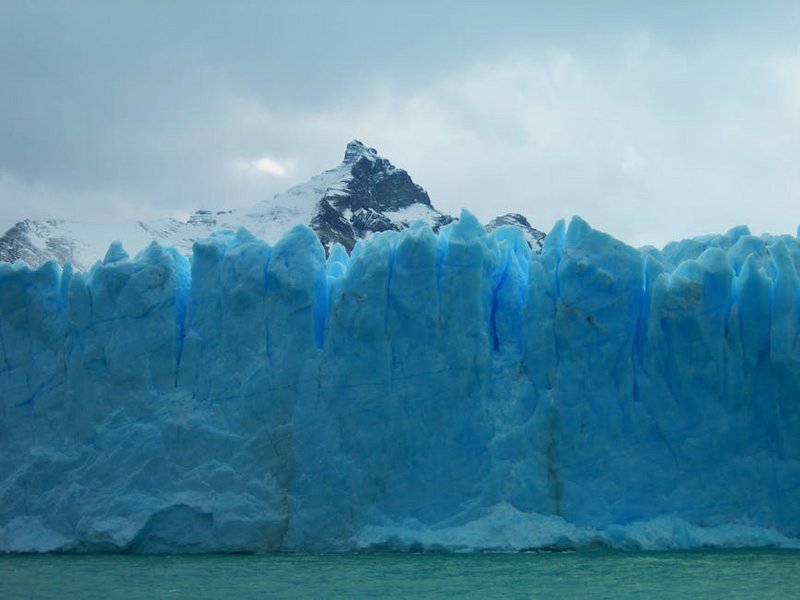
Argentina Perito Moreno Glacier Walk
Walking across Argentina’s Perito Moreno Glacier immerses you in a dynamic ice landscape where towering seracs and deep blue crevasses reveal ancient frozen history. This Patagonian adventure combines accessible trekking with breathtaking scenery, suitable for various fitness levels when properly prepared with crampons and expert guides. Our guide covers essential planning, seasonal timing, and insider tips to maximize your glacier experience while respecting this fragile environment.
Essential Glacier Information
Perito Moreno Glacier spans 97 square miles within Los Glaciares National Park, part of the Southern Patagonian Ice Field that feeds 47 major glaciers. Unlike most glaciers worldwide retreating due to climate change, Perito Moreno maintains equilibrium through unusual ice accumulation patterns. This stability creates spectacular calving events where house-sized ice chunks crash into Lake Argentino.
The glacier advances up to 7 feet daily while losing equivalent mass through calving, creating a constantly changing landscape perfect for ice trekking. Its accessibility via wooden catwalks and proximity to El Calafate make it Argentina’s most visited glacial attraction. UNESCO designated this region a World Heritage Site in 1981, protecting both natural beauty and scientific significance.
Geological Formation and Features
This river of ice originates 11,000 feet high in the Andes, flowing eastward for 19 miles before terminating in Lake Argentino’s southern arm. The glacier’s distinctive blue coloration comes from dense ice absorbing all light spectrum colors except blue, which it scatters back. Ice depths reach 558 feet at the terminus, with some sections extending 2,300 feet below water level.
- Ice formations include deep crevasses, seracs (ice pillars), and moulins (vertical shafts) that require expert navigation during walks
- The glacier’s unique advance pattern creates a natural dam across the lake, causing periodic ruptures that draw international scientific interest
- Accessible viewing platforms provide wheelchair-friendly perspectives while specialized guides enable closer ice exploration
- Budget option ($150-250): Includes basic guided walk with equipment, park entrance, and bus transportation from El Calafate; self-catering accommodations and packed lunches; ideal for experienced travelers comfortable with minimal services
- Mid-range option ($250-400): Features longer glacier treks with smaller groups, bilingual guides, lunch included, and comfortable hotels in El Calafate; adds boat excursion for panoramic views; best value for most visitors
- Luxury option ($400-600): Provides private guides, extended ice exploration, gourmet meals, and premium hotels with glacier views; includes photography workshops and flexible scheduling; perfect for special occasions
- Argentina National Parks Administration – Los Glaciares
- UNESCO World Heritage Centre – Los Glaciares National Park
Why This Glacier Stands Out
Perito Moreno remains one of only three Patagonian glaciers not retreating, offering reliable trekking conditions year-round compared to diminishing ice fields elsewhere. Its massive scale becomes apparent when standing before the 240-foot-high ice wall spanning 3 miles across the lake. The thunderous sound of calving ice provides constant auditory reminders of the glacier’s active nature.
Modern infrastructure includes 2.5 miles of elevated walkways with multiple viewing balconies positioned for optimal photography angles. These facilities minimize environmental impact while maximizing visitor experience across different mobility levels. Rangers monitor conditions continuously, closing sections during significant calving events for safety.
Conservation and Climate Context
Los Glaciares National Park implements strict visitor limits and guided access requirements to preserve the glacier’s delicate ecosystem. The Argentine National Parks Administration records detailed ice movement data, showing stable mass balance despite regional warming trends. Your visit directly funds conservation through park entrance fees and regulated tour operator permits.
Scientists attribute Perito Moreno’s stability to unique bedrock topography that channels ice flow efficiently from accumulation zones. Climate models project maintained equilibrium through mid-century, making it a rare climate-resistant destination for glacier tourism. Responsible visitation supports ongoing research and protection efforts.
Planning Your Perito Moreno Glacier Walk
Successfully experiencing the Perito Moreno Glacier walk requires strategic timing between October and April when weather permits safe ice trekking and transportation operates reliably. Early morning departures from El Calafate beat afternoon winds while maximizing photography light conditions across the ice fields. Reserve guided tours 2-3 months ahead for peak season visits between December and February.
Physical preparation should include cardiovascular conditioning for 5-7 hours of activity at altitudes between 600-1,200 feet above sea level. While not technically demanding, the trek demands steady footing and moderate endurance for navigating variable ice surfaces. Tour operators provide all specialized equipment including crampons, helmets, and harnesses for added safety.
Budget considerations should include park entrance fees, transportation from El Calafate, and the mandatory guided glacier walk experience. Combination tours often offer better value by including boat excursions and walking platforms alongside the ice trekking component. Travel insurance covering adventure activities is essential given changeable Patagonian weather conditions.
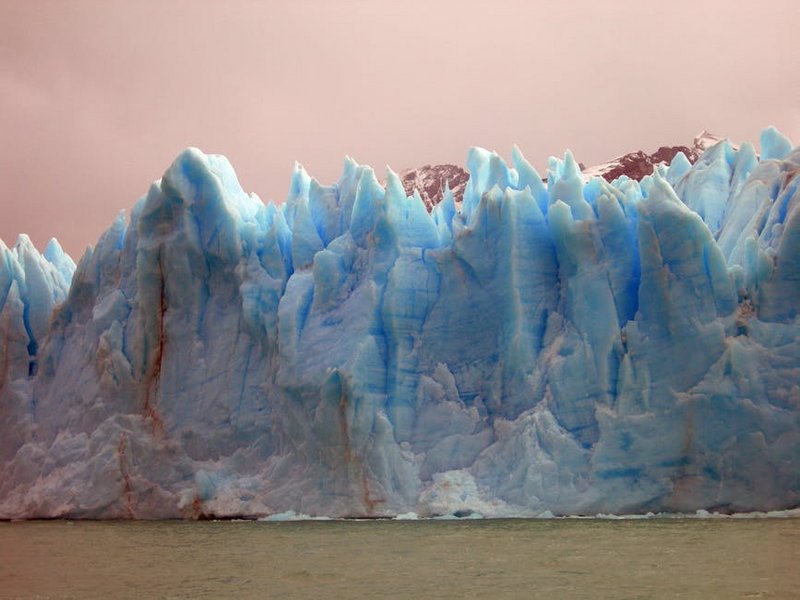
Alt: “perito-moreno-glacier-ice-trekking-crampons-patagonia”
Best Time to Visit Perito Moreno Glacier
Peak season runs December through February when temperatures range 50-68°F (10-20°C) with up to 17 hours of daylight for extended exploration. These summer months offer the most reliable weather but attract largest crowds, requiring advance bookings for accommodations and tours. Shoulder seasons in October-November and March-April provide milder conditions with 41-59°F (5-15°C) and reduced visitor numbers.
Winter visits from May to September see temperatures dropping to 23-41°F (-5 to 5°C) with limited tour availability and potential road closures during storms. The glacier remains accessible year-round via viewing platforms, but ice trekking operates primarily October through April. For photography, March offers spectacular light angles with autumn foliage contrasting against blue ice.
Budget Planning and Costs
Anticipate these expense tiers based on comfort level and included amenities during your Patagonian glacier adventure.
Essential Preparation Checklist
Packing should prioritize layered clothing including waterproof outer shell, insulating mid-layers, and moisture-wicking base layers suitable for rapid weather changes. Sturdy hiking boots with ankle support prove essential for rocky approaches before switching to provided crampons on ice. Technical gear like ice axes remains unnecessary for standard walks but included in advanced trek options.
Documentation needs include passport for park entry, credit cards for incidental purchases, and printed tour vouchers since cellular service remains unreliable near the glacier. Book accommodations in El Calafate 3-4 months ahead for December-February visits, with cancellation policies accommodating weather disruptions. Health preparations should account for sun protection at high altitudes and motion sensitivity during boat crossings.
Top Attractions and Activities
Beyond the iconic glacier walk itself, Los Glaciares National Park offers diverse experiences showcasing Patagonia’s dramatic landscapes and unique ecosystems. Boat tours provide unparalleled perspectives of the 240-foot ice wall from water level, often witnessing spectacular calving events. The park’s network of hiking trails ranges from easy lakeside walks to challenging mountain ascents with condor sightings.
Nearby El Calafate serves as the gateway town with excellent museums, artisan markets, and traditional Argentine restaurants featuring lamb specialties. The Glaciarium Museum located midway to the glacier offers interactive exhibits on ice formation and climate science. Many visitors combine their glacier experience with day trips to Estancia Cristina for historical ranch tours.
Must-See Highlights
The glacier viewing platforms span four color-coded routes offering progressively more dramatic vantage points of the ice formation. The lower circuit brings you closest to the northern face where calving occurs most frequently, while the higher trails provide panoramic views across the entire ice field. Boat tours departing from Puerto Banderas cruise along the 3-mile-wide glacier front for 45-60 minutes.
Safari Nautico offers the most intimate boat experience with smaller vessels approaching within 300 yards of the ice wall. The Big Ice trek represents the premium glacier walking option, extending to 5 hours on ice with deeper penetration into crevasse zones. Mini-trekking serves as the standard 1.5-hour ice walk perfect for first-time visitors and families with children over 10.
Hidden Gems and Local Favorites
Estancia Nibepo Aike offers authentic Patagonian ranch experiences just 35 miles from El Calafate, featuring sheep shearing demonstrations and traditional asado barbecues. The Laguna Nimez Reserve provides exceptional birdwatching opportunities with over 80 species including flamingos, just walking distance from town. Local guides know secluded viewpoints along the lake shore away from main tourist platforms.
For unique perspectives, consider kayaking tours that launch at dawn for serene paddling amid icebergs before crowds arrive. The less-visited Mayo Glacier located northwest of Perito Moreno offers more challenging trekking with virtually no other visitors. In El Calafate, Patagonia Rebelde bookstore features excellent regional maps and historical accounts unavailable elsewhere.
Advanced Trekking Options
Experienced trekkers can arrange multi-day ice camping expeditions with technical climbing elements across the glacier’s less-accessible sections. These adventures require previous mountaineering experience and specialized equipment for navigating complex crevasse fields and ice caves. Operators like Hielo & Aventura offer certified guides for these extended explorations between November and March.
Ice climbing workshops introduce basic techniques using ice axes and front-point crampons on prepared vertical ice walls. Photography-focused tours provide extended time at golden hour when low-angle light illuminates the glacier’s blue tones most dramatically. Winter excursions during June and July offer completely different experiences with snow-covered landscapes and possible northern lights sightings.
Practical Travel Information
Reaching Perito Moreno Glacier begins with flights into El Calafate’s Comandante Armando Tola International Airport (FTE) from Buenos Aires, with direct services from Aerolíneas Argentinas and LATAM. The 48-mile journey from airport to glacier takes approximately 1.5 hours by rental car or shuttle bus along well-maintained Route 11. Regular bus services depart El Calafate’s terminal multiple times daily during peak season.
Accommodation options range from hostels to luxury lodges, with highest concentrations in El Calafate town center near services and tour operators. Rental cars provide flexibility for independent exploration but require advance reservation during summer months. Navigation proves straightforward with clear signage to the glacier, though fuel stations remain limited beyond town.
| Accommodation Type | Features and Location | Price Range (USD) |
|---|---|---|
| Hostels | Shared facilities, central locations, kitchen access, social atmosphere | $20-40/night |
| Mid-Range Hotels | Private bathrooms, breakfast included, tour booking services, WiFi | $80-150/night |
| Boutique Lodges | Lake views, restaurant, spa services, guided activities | $200-350/night |
| Luxury Estancias | Working ranches, gourmet dining, private guides, exclusive access | $400-600/night |