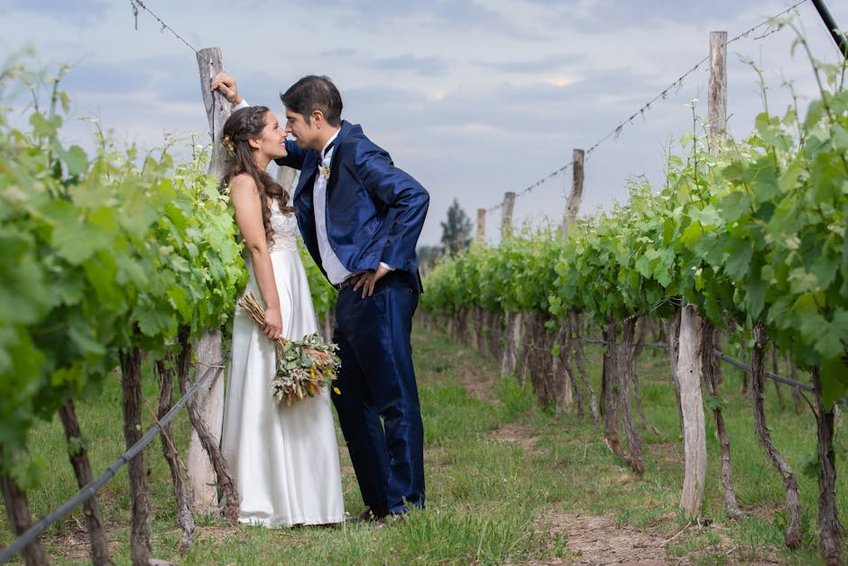
Argentina Mendoza Wine Region
Argentina’s Mendoza wine region delivers exceptional Malbec vineyards nestled at the foot of the Andes mountains. You’ll explore high-altitude bodegas producing robust red wines with distinct mineral notes from unique soil conditions. This comprehensive guide covers tasting itineraries, accommodation choices, and cultural experiences for your wine country journey.
Essential Wine Region Information
Mendoza province spans over 150,000 hectares of vineyards across several distinct valleys. The region’s arid climate and irrigation systems from Andean snowmelt create ideal growing conditions. Altitudes range from 2,000 to 5,000 feet above sea level.
Malbec represents Argentina’s signature grape variety thriving in Mendoza’s terroir. French immigrants introduced this varietal during the 19th century agricultural expansion. Today it accounts for over 70% of the region’s premium wine production.
Three main sub-regions define Mendoza’s wine geography with unique characteristics. Luján de Cujo offers classic Malbec expressions while Uco Valley features newer high-elevation vineyards. Maipú provides accessible tasting rooms near urban centers.
What You Need to Know
Understanding these key aspects enhances your visit significantly.
- Mendoza’s continental climate delivers over 300 sunny days annually with low humidity, creating intense fruit concentration in wines while requiring sophisticated irrigation systems.
- The Andes mountain range creates rain shadow effects and significant diurnal temperature swings, preserving acidity in grapes and developing complex aromatics in finished wines.
- Vineyard altitudes between 2,800-5,000 feet increase ultraviolet radiation exposure, thickening grape skins and producing deeper colored wines with enhanced antioxidant properties.
- Budget travelers spend $70-100 daily staying in hostels, using public transportation, and joining group tours that include 2-3 winery visits with basic tastings and simple lunches.
- Mid-range visitors allocate $150-250 per day for boutique hotels, rental cars, and curated tours featuring 4-5 premium wineries with food pairings and bilingual guides.
- Luxury experiences cost $300-500+ daily covering five-star resorts, private drivers, exclusive access to limited-production wines, and gourmet meals at winery restaurants.
- Mendoza Tourism Official Site
- Wines of Argentina Association
Key Regional Details
Mendoza’s wine history dates to Spanish colonization in the 16th century. Jesuit missionaries planted the first vineyards using traditional European techniques. Italian and French immigrants later refined production methods during the 1800s.
The region experienced a quality revolution during the 1990s with international investment. Modern technology combined with old-world practices created today’s premium wine landscape. Temperature-controlled fermentation became standard alongside traditional concrete vats.
Organic and biodynamic practices have gained significant traction over the past decade. Many wineries now employ sustainable water management and natural pest control. Several estates maintain full organic certification for export markets.
Wine Production Methods
Traditional concrete eggs and large oak foudres coexist with stainless steel tanks. Each vessel imparts different characteristics to the evolving wines. Many producers blend techniques for complexity.
Extended maceration periods create deeper color extraction for red varieties. Malbec typically undergoes 20-30 days of skin contact. This process develops the variety’s signature violet notes and structured tannins.
High-altitude aging cellars maintain consistent temperatures year-round. Natural humidity levels around 70% prevent excessive evaporation from barrels. These conditions enable slower, more integrated wine development.
Argentina Mendoza Wine Region – Planning Your Trip
Strategic planning maximizes your Argentina Mendoza wine region experience across multiple valleys. You should allocate 4-7 days minimum to explore different sub-regions thoroughly. Advanced reservations secure spots at premium bodegas with limited access.
Budget approximately $100-150 daily for mid-range tasting tours and meals. Luxury experiences can exceed $300 per day including private drivers and exclusive tastings. Shoulder seasons offer better value with fewer crowds.
Rental cars provide flexibility but require international driving permits. Alternatively, hired drivers or scheduled tours eliminate navigation challenges. Many hotels arrange transportation through trusted local providers.
Best Time to Visit Mendoza Wine Region
Visit between March and May for harvest season activities and optimal weather conditions. Daytime temperatures range 65-75°F (18-24°C) with cool evenings around 45-55°F (7-13°C). Vineyards bustle with picking and crushing operations.
September to November delivers spring blooms and smaller crowds before peak season. Temperatures vary 60-70°F (15-21°C) with occasional rainfall. This period offers intimate tasting experiences at lower prices.
Summer months December-February bring heatwaves exceeding 90°F (32°C) and crowded facilities. Many Argentines vacation during January creating booking challenges. Early morning visits avoid extreme afternoon temperatures.
Budget Planning and Costs
Consider these tiered options for different travel styles.
Essential Preparation Checklist
Pack layered clothing for dramatic temperature changes between day and night. Include comfortable walking shoes for vineyard tours and a jacket for cool cellar temperatures. Sun protection is crucial with high UV exposure at altitude.
Secure travel insurance covering adventure activities and medical evacuation. International drivers need valid licenses with Spanish translation. Credit cards work widely but carry cash for smaller establishments and tips.
Book popular wineries 2-3 months ahead during high season. Learn basic Spanish phrases for enhanced interactions. Download offline maps since cellular service fluctuates in rural valleys.
Top Attractions and Activities
Mendoza’s wine country offers diverse experiences beyond standard tasting rooms. You can bicycle between vineyards in Maipú or hike through Andean foothills behind wineries. Many estates incorporate art installations and architectural tours.
Hot air balloon rides over vineyards provide breathtaking morning perspectives. Cooking classes focus on Argentine asado techniques paired with local wines. Olive oil tastings at historic farms complement the wine experience.
The region’s wine museum in Maipú details viticultural history through interactive exhibits. Several wineries offer blending sessions where you create custom wines. Evening tango shows with wine pairings showcase cultural connections.
Must-See Highlights
Catena Zapata’s Mayan pyramid architecture represents Mendoza’s modernization. Their Appellation Tasting explores single-vineyard expressions across altitudes. Reserve ahead for library wine experiences featuring vertical flights.
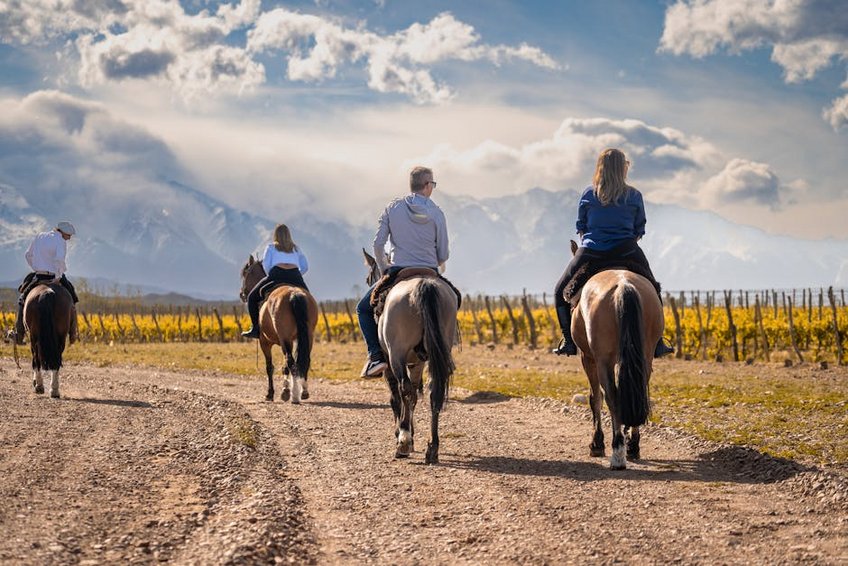
Bodega Salentein’s concert hall and art gallery demonstrate cultural integration. The Uco Valley property offers horseback riding through vineyards. Their premium tasting includes wines aged in unique oval-shaped casks.
Bodega Norton’s historic cellars date to 1895 with original cement vats still in use. The icon wine tasting features their premium blends alongside vintage comparisons. The restaurant overlooks expansive mountain views.
Hidden Gems and Local Favorites
Familia Zuccardi’s innovation center experiments with concrete vessels and amphorae. Their restaurant Piedra Infinita showcases hyper-local ingredients. The olive oil production tour complements wine experiences.
Bodega Lagarde maintains traditional methods in Luján de Cujo. Their Semillón whites demonstrate Mendoza’s white wine potential. The family-owned operation offers intimate tours without large groups.
Bodega Ruca Malén focuses on food and wine pairing experiences. Their five-course lunch matches dishes with specific vineyard blocks. The tasting room features floor-to-ceiling mountain views.
Wine Tasting Experiences
Standard tastings typically include 3-5 wines with basic explanations. Premium experiences offer vertical or horizontal comparisons with expert guidance. Many wineries now incorporate food elements even in basic tours.
Private tastings often access limited-production or library wines. Some estates offer vineyard walks with soil discussions and micro-climate explanations. Harvest experiences include grape picking and blending activities.
Advanced reservations are essential for non-Spanish speakers requiring bilingual staff. Morning visits avoid afternoon crowds and heat. Designated drivers or transportation services ensure safe tasting experiences.
Practical Travel Information
Mendoza’s international airport (MDZ) receives flights from Santiago, Lima, and domestic routes. Many visitors fly into Buenos Aires then take two-hour connecting flights. Overnight buses provide economical alternatives with sleeper seats.
Rental cars offer valley-hopping flexibility but require careful navigation. Numerous tour companies provide scheduled departures from Mendoza city. Private drivers cost approximately $150-200 daily for customized itineraries.
| Category | Options/Features | Price Range (USD) |
|---|---|---|
| Accommodation | Vineyard hotels with pools, city boutique hotels, vineyard guesthouses | $80-400 |
| Transportation | Rental cars, private drivers, group tours, public buses | $40-200 |
| Tasting Tours | Basic visits, premium experiences, private tours, harvest activities | $25-150 |
| Dining | Winery restaurants, parrilla steakhouses, urban cafes, market stalls | $15-80 |