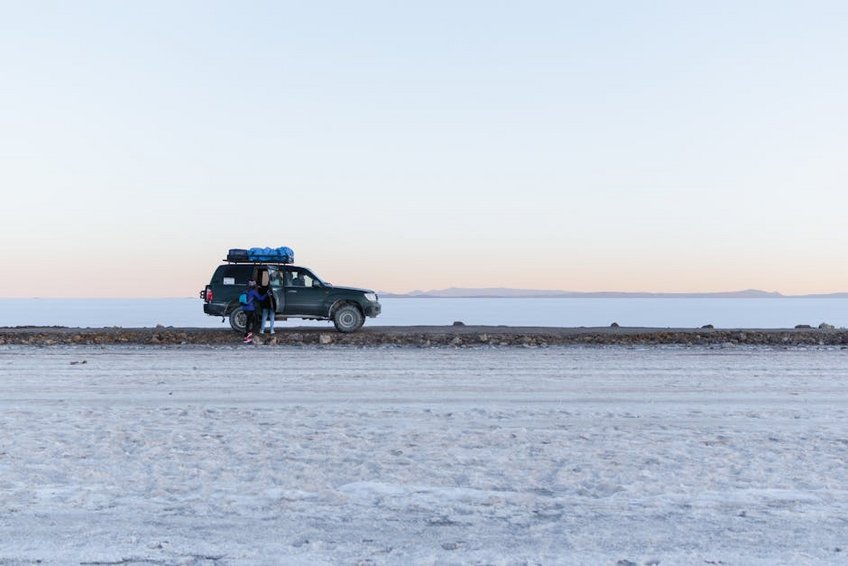
Bolivia Salar de Uyuni Reflection Photos
Capturing Bolivia Salar de Uyuni reflection photos transforms ordinary travel imagery into surreal artistic compositions across the world’s largest salt flat. This natural mirror effect occurs during the rainy season when a thin water layer creates perfect symmetry between sky and ground. Our guide covers optimal timing, essential gear, and professional techniques for stunning photographic results.
Essential Salar de Uyuni Information
Salar de Uyuni spans over 4,000 square miles in southwest Bolivia’s Potosí Department, forming the Earth’s largest salt flat at 11,995 feet elevation. This prehistoric lakebed contains an estimated 10 billion tons of salt alongside significant lithium reserves. The vast white expanse creates unique optical phenomena and extreme environmental conditions.
Local communities including the Aymara and Quechua peoples have harvested salt here for generations while maintaining traditional practices. The region’s economy balances salt extraction with growing tourism focused on the extraordinary landscape. Visitors should respect both the fragile ecosystem and indigenous cultural heritage during their explorations.
Understanding the Reflection Phenomenon
The famous mirror effect requires specific seasonal conditions and careful timing for optimal photographic results.
- Water accumulation between December and March creates perfect reflective surfaces, with January and February offering the most reliable conditions for mirror-like photos.
- Cloud coverage and wind speed dramatically impact reflection quality, with calm mornings typically producing the clearest mirrored surfaces.
- Sun position affects reflection intensity, with golden hour periods providing softer light while midday sun creates stronger contrast in your images.
- Budget travelers spend $350-500 for 3-day group tours including basic accommodation, meals, and transportation, saving by bringing own equipment and booking last-minute.
- Mid-range options cost $600-900 for smaller groups with better guides, improved hotels, and specialized photography stops, offering the best value for serious amateurs.
- Luxury experiences range $1,200-2,000 featuring private guides, premium hotels with heating, and customized itineraries with sunrise/sunset priority access.
- Bolivian Ministry of Tourism Official Site
- National Geographic Travel Guide
Geological and Historical Context
This salt flat formed approximately 40,000 years ago when several prehistoric lakes evaporated from the Altiplano basin. The resulting crust varies from a few inches to several feet thick, covering a lithium-rich brine reservoir. Spanish colonization in the 16th century introduced new extraction methods while indigenous traditions persisted.
Modern tourism developed significantly after the 1990s as photographic technology improved and global awareness increased. The region now receives over 300,000 annual visitors, with reflection photography becoming the primary attraction during wet season months. Sustainable tourism practices help preserve both environmental and cultural resources.
Climate and Environmental Factors
Extreme altitude creates challenging conditions with temperatures ranging from 20°F to 70°F (-7°C to 21°C) across seasons. The high-altitude sun intensifies UV exposure while thin air affects both equipment performance and physical endurance. Visitors should prepare for rapid weather changes throughout the day.
The delicate salt crust ecosystem supports unique microorganisms and flamingo populations in surrounding lagoons. Climate change impacts include shifting precipitation patterns that affect both reflection season timing and local agriculture. Responsible tourism minimizes environmental damage through designated paths and waste management.
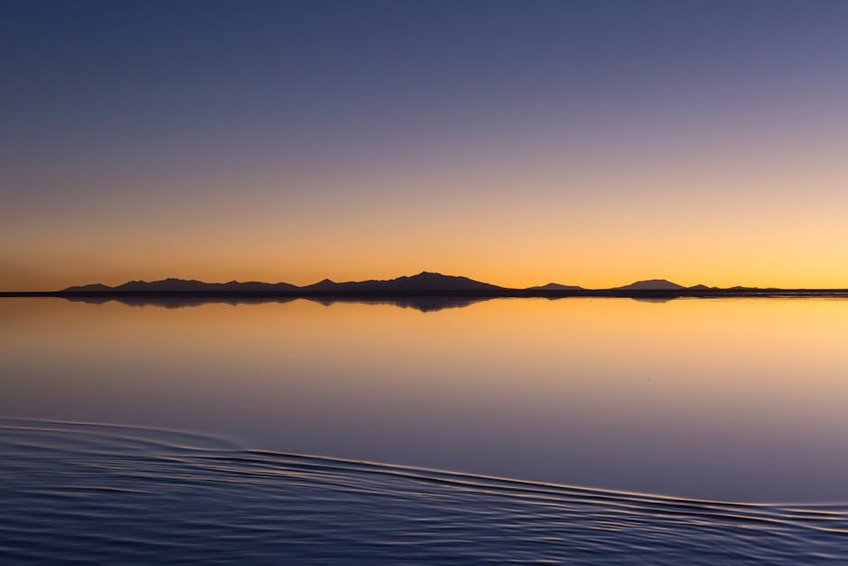
Alt: “salar-de-uyuni-salt-flat-mirror-reflection-bolivian-altiplano”
Bolivia Salar de Uyuni Reflection Photos – Planning Your Trip
Successful Bolivia Salar de Uyuni reflection photos require strategic planning around seasonal patterns, equipment preparation, and local guide services. The December through March window offers reliable water coverage, though specific timing within these months affects crowd density and accommodation availability. Booking tours three months in advance secures better prices and preferred operators.
Photography equipment should include weather-sealed cameras, multiple lenses from wide-angle to telephoto, and sturdy tripods that withstand wet conditions. Physical preparation for high altitude involves arriving in Bolivia several days early for acclimatization before visiting the salt flat. Travel insurance covering adventure activities and equipment protection proves essential.
Budget allocation should prioritize experienced guides who know optimal reflection locations over luxury accommodations. The extreme environment demands practical clothing layers, sun protection, and backup power sources for extended shooting sessions. Flexibility in your itinerary accommodates unpredictable weather patterns.
Best Time to Visit for Reflection Photos
January through February provides the most consistent water levels for perfect mirror effects, with temperatures between 45°F and 65°F (7°C to 18°C). These peak months offer the deepest water coverage but also attract the largest crowds, requiring earlier morning departures to secure undisturbed shooting locations. Hotel prices increase approximately 30% during this period.
December and March serve as shoulder seasons with adequate water coverage and fewer visitors, though reflection quality becomes more variable. Early December sees temperatures from 40°F to 60°F (4°C to 16°C) with developing water accumulation. Late March experiences diminishing water levels but offers unique transitional landscapes combining reflections and salt patterns.
Budget Planning and Costs
Budget allocation varies significantly based on tour quality, accommodation standards, and photography equipment requirements.
Essential Preparation Checklist
Photography gear must include weather-resistant cameras, lens cleaning equipment, multiple memory cards, and backup batteries that perform in cold conditions. Wide-angle lenses (16-35mm) capture expansive reflections while polarizing filters manage glare from the bright salt surface. Tripods with rubber feet prevent slipping on wet salt and enable long exposures.
Personal items should include altitude sickness medication, lip balm with SPF, sunglasses with UV protection, and waterproof boots with good traction. Documentation requires passport copies, travel insurance details, and international driving permits if renting vehicles. Book flights into La Paz or Sucre for altitude acclimatization before proceeding to Uyuni.
Top Photography Locations and Activities
Beyond the main salt flat, several specific areas offer unique compositional opportunities for reflection photography throughout the region. Isla Incahuasi provides dramatic foreground elements with giant cacti against mirror-like surfaces during morning hours. The train cemetery near Uyuni town creates interesting industrial contrasts with reflective puddles after rainfall.
Colchani village offers cultural context with salt processing demonstrations and local artisan markets for authentic souvenirs. Nearby hotels constructed entirely from salt blocks provide unusual accommodation experiences with direct salt flat access. Each location presents different lighting conditions and reflection characteristics throughout the day.
Must-See Highlights
Isla Incahuasi’s cactus forest creates stunning silhouettes against reflective surfaces, best photographed during early morning when water remains calm. Entry costs $4 per person with operating hours from 8:00 AM to 5:00 PM daily. The island’s elevation provides panoramic views across the entire salt flat during golden hour periods.
The Uyuni Train Cemetery offers industrial decay photography opportunities with rusted locomotives reflected in seasonal puddles. Visit during late afternoon when angled light enhances texture and color contrasts. This free attraction sits just outside Uyuni town, accessible by taxi or as part of organized tour routes.
Salt hotel museums in Colchani demonstrate traditional extraction methods alongside contemporary artisan workshops. These structures showcase salt block construction techniques while providing shelter during sudden weather changes. Combine with visits to local salt markets for comprehensive cultural documentation.
Hidden Gems and Local Favorites
Less-visited areas near the salt flat’s edges offer pristine reflection conditions without tour group crowds. Local guides know secret locations where water accumulates more consistently, often accessible via secondary roads requiring 4×4 vehicles. These spots frequently feature undisturbed surfaces perfect for creative compositions.
Smaller salt pans surrounding the main flat create intimate shooting environments with unique mineral formations. The nearby Thunupa Volcano provides elevated perspectives during clear weather, though the hike requires good physical condition. These alternatives deliver authentic experiences away from mainstream tourism routes.
Professional Photography Techniques
Mastering reflection photography involves understanding aperture settings, focus techniques, and composition principles specific to mirror-like surfaces. Use smaller apertures (f/8-f/16) for greater depth of field when capturing both foreground and reflected sky elements. Manual focus ensures sharpness where autofocus systems might struggle with featureless surfaces.
Composition should incorporate leading lines, symmetry patterns, and human elements for scale against the vast landscape. Experiment with different shutter speeds to capture water movement or create glass-like stillness in your images. Bracketing exposures helps manage the high dynamic range between bright salt and dark sky elements.
Practical Travel Logistics
Transportation to Uyuni typically involves flying to La Paz or Sucre then taking connecting buses or domestic flights to the salt flat region. Joya Andina Airport (UYU) serves Uyuni with limited connections, making bus travel from major cities more reliable for most itineraries. Once arrived, 4×4 vehicles remain essential for salt flat exploration.
Accommodation ranges from basic salt hotels to comfortable lodges with modern amenities, though heating remains inconsistent throughout the region. Booking three months in advance secures better options during peak reflection season from January to February. Many tours include accommodation, simplifying logistics for first-time visitors.
| Accommodation Type | Features and Amenities | Price Range (USD) |
|---|---|---|
| Budget Salt Hotel | Basic salt block rooms, shared bathrooms, included meals, limited heating | $40-70 per night |
| Mid-Range Lodge | Private bathrooms, improved heating, WiFi, tour booking services | $80-150 per night |
| Luxury Salt Hotel | Premium amenities, temperature control, spa services, guided activities | $200-350 per night |
| Tour Package | Multi-day includes transport, guide, meals, accommodation, equipment | $350-900 total |