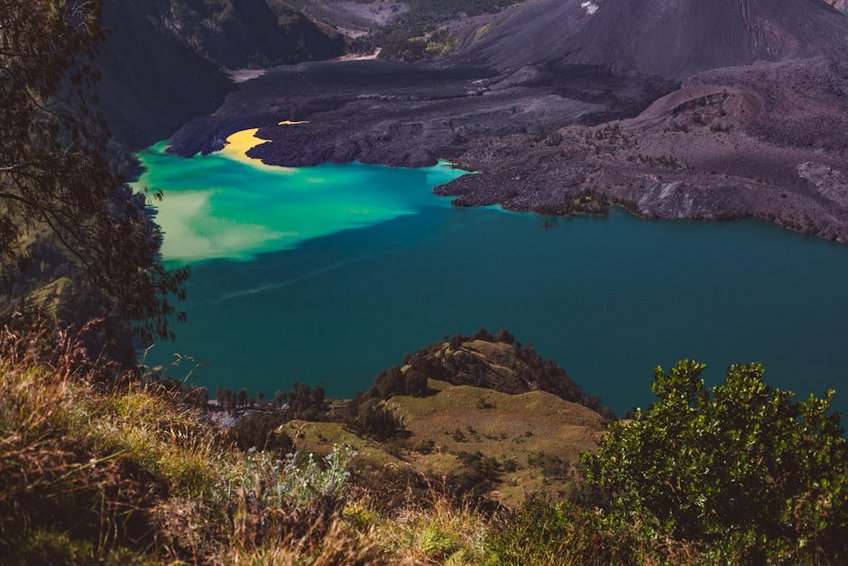
Ecuador Quilotoa Crater Lake: A Stunning Volcanic Wonder
Ecuador Quilotoa Crater Lake presents a breathtaking volcanic caldera filled with emerald-green waters high in the Andes Mountains. This remarkable destination offers incredible hiking trails, indigenous culture immersion, and photographic opportunities across its dramatic landscape. Our guide covers essential planning details, seasonal considerations, and local experiences for your South American adventure.
Essential Geological and Cultural Information
Quilotoa formed approximately 800 years ago when a massive volcanic eruption collapsed the volcano’s summit. The resulting caldera gradually filled with rainwater, creating the stunning turquoise lake visible today. This geological wonder sits at 3,900 meters (12,795 feet) elevation within Ecuador’s Andean highlands.
The region surrounding the crater lake remains home to indigenous Kichwa communities maintaining traditional lifestyles. These communities have inhabited the area for centuries, developing unique agricultural techniques adapted to high-altitude conditions. Their cultural heritage adds profound depth to any visit.
Geological Formation and Features
Understanding Quilotoa’s origins enhances appreciation for this natural spectacle.
- The volcanic caldera spans three kilometers (1.8 miles) across with lake depths reaching 250 meters (820 feet) in certain areas.
- Mineral deposits and phytoplankton create the lake’s distinctive green coloration that shifts with sunlight and weather conditions.
- Active fumaroles and hot springs around the crater indicate ongoing volcanic activity beneath the surface.
- Budget travelers spend $35-50 daily covering hostel dorms, local meals, and public transportation from Latacunga.
- Mid-range visitors allocate $75-120 daily for private rooms, guided hikes, and comfortable private transportation options.
- Luxury experiences cost $150-250 daily including boutique lodges, private guides, and customized itineraries with premium services.
- Ecuador Ministry of Tourism
- Lonely Planet Ecuador Guide
Location and Regional Context
Quilotoa lies within the Cotopaxi Province approximately 180 kilometers (112 miles) south of Ecuador’s capital, Quito. The crater forms part of the Andean mountain range’s western cordillera, offering panoramic views of neighboring volcanoes. This region constitutes one of Ecuador’s most accessible high-altitude natural attractions.
Travelers typically access Quilotoa through the small indigenous community sharing its name. The village provides basic services while maintaining authentic Andean cultural traditions. Visiting supports local economies through community-run tourism initiatives.
Climate and Elevation Considerations
High-altitude conditions dominate Quilotoa’s climate with temperatures ranging from 5-15°C (41-59°F) during daytime hours. Nighttime temperatures frequently drop below freezing, especially during dry season months. Visitors must prepare for rapid weather changes including sudden fog, rain, or intense sunlight.
Altitude sickness represents a genuine concern given Quilotoa’s 3,900-meter elevation. Proper acclimatization in Quito or other highland towns for 2-3 days before visiting significantly reduces risks. Hydration and gradual activity pacing prove essential for comfortable exploration.
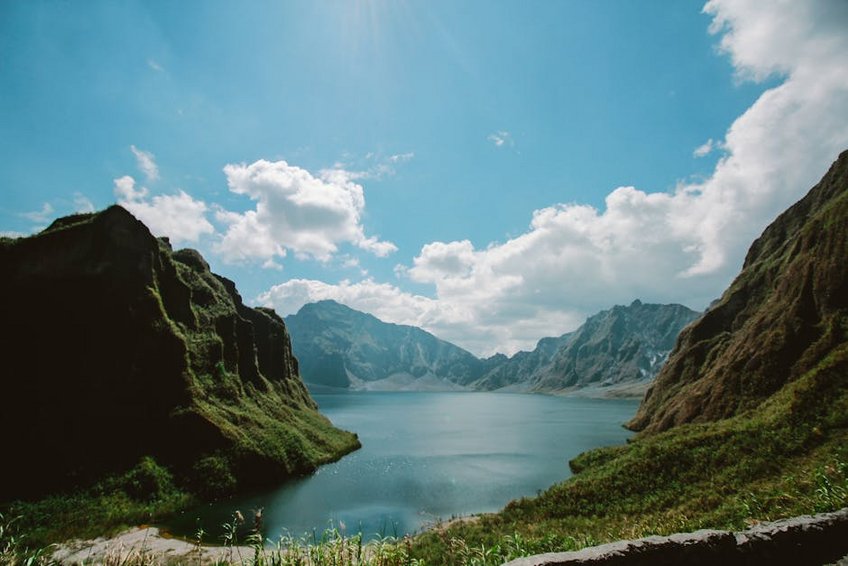
Alt: “quilotoa-crater-lake-emerald-waters-andean-mountains”
Ecuador Quilotoa Crater Lake – Planning Your Trip
Proper preparation ensures you maximize your Ecuador Quilotoa Crater Lake experience while managing altitude and logistical challenges. This volcanic destination requires specific timing considerations and equipment for comfortable exploration. Advance bookings for accommodations and transportation prevent disappointment during peak visitation periods.
Budget planning should account for entrance fees, guided services, and potential altitude medication. The remote location means limited ATM access and higher prices for certain supplies. Carrying sufficient cash in US dollars (Ecuador’s official currency) proves essential.
Best Time to Visit Quilotoa Crater Lake
June through September offers the driest conditions with minimal rainfall and clearer views of the crater lake. Daytime temperatures average 12°C (54°F) with chilly nights around 2°C (36°F). These months attract the largest crowds, requiring earlier accommodation reservations.
October to December provides a pleasant shoulder season with moderate visitor numbers and occasional afternoon showers. March to May constitutes the wetter season with lush green landscapes but increased cloud cover obscuring panoramic views.
Budget Planning and Costs
Ecuador uses the US dollar, simplifying financial planning for American travelers.
Essential Preparation Checklist
Packing should address variable weather conditions and high-altitude exertion. Layered clothing including thermal base layers, waterproof jackets, and sturdy hiking boots ensures comfort during changing conditions. Sun protection remains crucial despite cooler temperatures due to intense equatorial UV radiation.
Documentation requires a valid passport with at least six months validity for most international visitors. Travel insurance covering high-altitude activities and emergency evacuation provides essential protection. Acetazolamide (Diamox) helps prevent altitude sickness when taken before arrival.
Top Attractions and Activities
Quilotoa offers diverse experiences beyond the iconic crater view, including multi-day treks through indigenous villages and cultural immersion opportunities. The Quilotoa Loop trek represents one of Ecuador’s most celebrated hiking routes connecting multiple Andean communities. Adventure activities suit various fitness levels from gentle viewpoint walks to challenging crater descents.
Cultural encounters with local Kichwa families provide insight into traditional Andean lifestyles unchanged for generations. Many families welcome visitors for meals, weaving demonstrations, or overnight homestay experiences. These interactions create meaningful connections while directly supporting community economies.
Must-See Highlights
The primary crater rim viewpoint delivers breathtaking panoramic perspectives of the entire caldera and its vibrant waters. Early morning visits often provide clearer conditions before afternoon clouds accumulate. Photography enthusiasts capture spectacular shots during golden hour when sunlight intensifies the lake’s colors.
Descending to the lake surface via the steep trail rewards hikers with closer water access and different visual perspectives. The descent takes approximately 30 minutes while the ascent requires 60-90 minutes depending on fitness and acclimatization. Kayaking on the lake offers unique vantage points unavailable from the rim.
Hidden Gems and Local Favorites
The surrounding indigenous communities of Chugchilán and Sigchos provide authentic cultural experiences beyond the main tourist viewpoint. Weekly markets in these villages showcase local agricultural products, handmade textiles, and traditional foods. Visiting these markets offers glimpse into daily Andean life.
Lesser-known hiking trails connect Quilotoa with neighboring villages through stunning paramo landscapes with minimal tourist traffic. These routes reveal traditional farming practices, remote chapels, and spontaneous encounters with local residents. Guides from the community enhance these experiences with cultural context.
Hiking and Adventure Options
The full Quilotoa Loop trek spans 3-4 days covering approximately 40 kilometers (25 miles) through dramatic Andean scenery. This multi-day adventure passes through several indigenous villages with accommodation options ranging from basic hostels to comfortable lodges. Proper preparation and acclimatization prove essential.
Shorter hiking alternatives include the crater rim circuit offering 360-degree views across the entire caldera. This moderate hike covers 12 kilometers (7.5 miles) requiring 4-5 hours to complete. Horseback riding options provide alternative transportation for those preferring not to hike steep sections.
Practical Travel Information
Reaching Quilotoa involves traveling from Quito to Latacunga then continuing by bus or private transport to the crater. Public transportation operates regularly but requires multiple connections and advance timing considerations. Private transfers offer convenience at higher cost with flexible scheduling.
Accommodation options range from basic community hostels to comfortable eco-lodges with stunning crater views. Advance reservations become essential during peak season from June to September. Many establishments offer package deals including meals and guided activities.
| Accommodation Type | Features and Amenities | Price Range (USD) |
|---|---|---|
| Community Hostels | Basic rooms, shared bathrooms, authentic cultural experience | $15-25/night |
| Mid-Range Lodges | Private rooms, hot showers, restaurant meals included | $45-80/night |
| Eco-Lodges | Crater views, sustainable design, guided activities | $90-150/night |
| Homestays | Family meals, cultural exchange, basic facilities | $10-20/night |