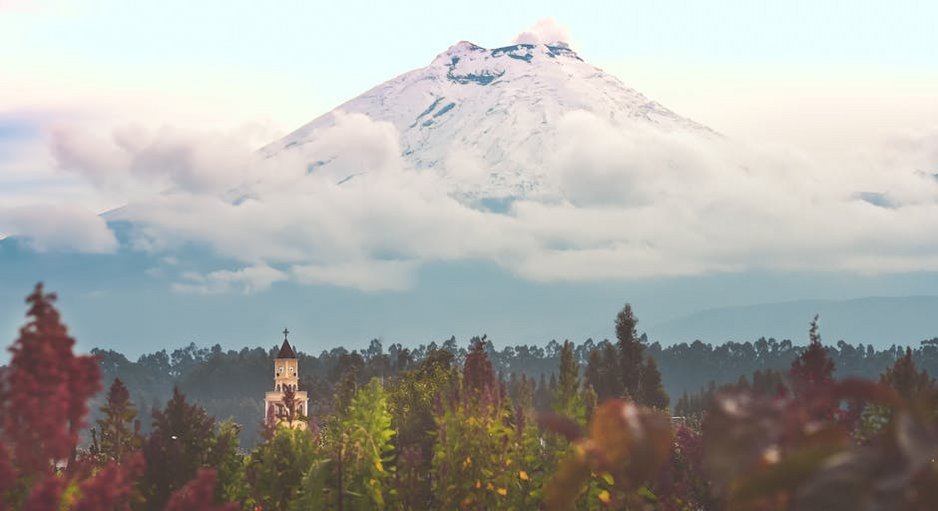
Ecuador Cotopaxi Volcano Climb: Summit Guide
Climbing Ecuador’s Cotopaxi Volcano challenges adventurers with high-altitude glacier trekking and volcanic landscapes. This active stratovolcano reaches 5,897 meters requiring acclimatization and technical skills. Our guide covers preparation, seasons, and tips for summit success.
Essential Information
Cotopaxi stands as one of Ecuador’s highest volcanoes in Andes National Park. It features glaciers and frequent activity monitored by scientists. Climbers need permits and certified guides for safety.
The volcano last erupted in 2015-2016 causing temporary closures. Current regulations require climbing with licensed operators. Altitude sickness affects many above 4,000 meters.
What You Need to Know
Understand these key climbing requirements before planning your ascent.
- Acclimatize 2-3 days in Quito (2,850m) then at refuge (4,800m) to prevent altitude sickness.
- Hire certified guides through registered companies for glacier travel and route navigation.
- Obtain climbing permits from Parque Nacional Cotopaxi office with passport and insurance documents.
- Budget climbs cost $1,200-$1,800 including basic guides, refuge accommodation, and group equipment rental with 2-day programs.
- Mid-range options run $1,800-$2,200 featuring smaller groups, better gear, and extra acclimatization days with hotel transfers.
- Luxury expeditions charge $2,200-$2,500 providing private guides, premium equipment, and extended itineraries with gourmet meals.
- Ecuador Ministry of Tourism
- Andean Mountaineering Association
Key Details
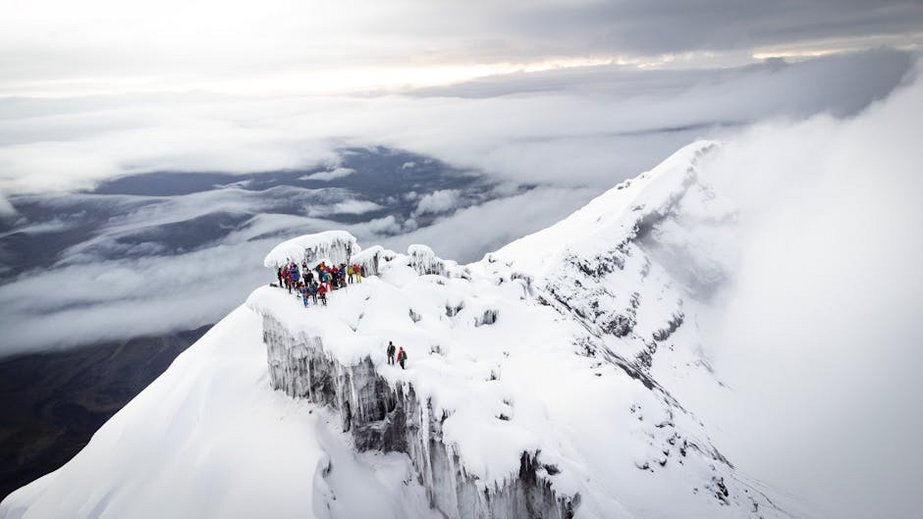
Cotopaxi’s summit climb typically starts midnight from José Rivas Refuge. You cross glaciers using crampons and ice axes. Summit attempts average 6-8 hours round trip.
Weather changes rapidly with temperatures dropping to -10°C (14°F). Wind speeds often exceed 50 km/h. Always check volcanic activity reports before departure.
Altitude and Health Considerations
Altitude sickness symptoms include headaches and nausea above 3,500 meters. Descend immediately if severe symptoms appear. Acetazolamide helps some climbers acclimatize faster.
Physical preparation should include cardio and strength training months beforehand. Carry oxygen cans for emergency use. Hydration and slow ascent prevent most issues.
Planning Your Ecuador Cotopaxi Volcano Climb
Your Ecuador Cotopaxi Volcano climb demands careful itinerary planning around dry seasons. June through September offers stable weather with clearer skies. December to February provides shorter climbing windows.
Budget $1,200-$2,500 for guided climbs including equipment and permits. Book guides 3-6 months early for peak season dates. Physical training should emphasize endurance and altitude adaptation.
Best Time to Visit Cotopaxi
June-September delivers optimal conditions with minimal precipitation and stable temperatures. Daytime temperatures range 5-15°C (41-59°F) at base camps. Summit success rates peak during these months.
December-February offers climbing opportunities with more variable weather patterns. Morning starts avoid afternoon storms common in wet season. Shoulder months see fewer climbers on routes.
Budget Planning and Costs
Consider these budget ranges for different climbing experiences.
Essential Preparation Checklist
Pack layered clothing including thermal base layers and waterproof shells. Bring broken-in hiking boots, crampons, and ice axes from reputable brands. Include headlamps with extra batteries for night ascent.
Secure travel insurance covering high-altitude mountaineering up to 6,000 meters. Obtain Ecuador tourist visa if required for your nationality. Complete medical check-up discussing altitude medications.
Alt: “cotopaxi-volcano-glacier-climbing-expedition”
Top Attractions and Activities
Cotopaxi National Park offers diverse landscapes beyond the volcano climb. Visitors can explore paramo ecosystems with unique flora and fauna. The area features lakes, hiking trails, and wildlife viewing.
Nearby Quilotoa Lagoon provides stunning crater lake views after volcanic activity. Local communities offer cultural experiences and artisan markets. Adventure activities include mountain biking and horseback riding.
Must-See Highlights
José Rivas Refuge serves as base camp at 4,800 meters with basic amenities. Limpiopungo Lagoon reflects Cotopaxi’s perfect cone shape beautifully. The park’s visitor center displays volcanic history exhibits.
Summit views encompass neighboring volcanoes like Chimborazo on clear days. Glacier caves near the summit reveal stunning ice formations. Sunrise from the crater rim creates unforgettable memories.
Hidden Gems and Local Favorites
El Pedregal area features lesser-known trails through ancient lava flows. Local guides know secret viewpoints avoiding tourist crowds. Small communities like Machachi offer authentic Ecuadorian cuisine.
Thermal springs near Papallacta provide post-climb relaxation with mountain views. The Inca ruins at Pucará de Rumicucho reveal pre-Columbian history. These spots reward explorers seeking authentic experiences.
Glacier Training and Climbing Routes
Most guided climbs include glacier training covering crevasse rescue techniques. The standard route ascends from north face through rocky sections. Alternative routes suit experienced climbers seeking greater challenges.
Training sessions teach proper crampon and ice axe use on actual glaciers. Guides assess conditions daily choosing safest paths. These preparations ensure climbers handle technical sections confidently.
Practical Travel Information
Most international flights arrive at Quito’s Mariscal Sucre Airport (UIO). From Quito, drive 2 hours south to Cotopaxi National Park entrance. Registered vehicles handle the rough park roads best.
Accommodation ranges from rustic refuges to luxury haciendas near the park. Book everything early especially during June-August peak season. Cellular service remains limited inside the national park.
| Category | Options/Features | Price Range (USD) |
|---|---|---|
| Accommodation | Mountain refuges with dorm beds, private haciendas with meals, Quito hotels with transfers | $25-300/night |
| Transportation | Private transfers from Quito, rental 4×4 vehicles, guided tour buses with park access | $50-150/day |
| Guided Climb | Group expeditions, private guides, equipment rental, permit assistance, meal packages | $1,200-2,500 |
| Additional Activities | Mountain biking, horseback riding, cultural tours, thermal spring visits, Quito city tours | $30-120/activity |