Costa Rica Manuel Antonio Wildlife Beach: Trending Journey

Costa Rica Manuel Antonio Wildlife Beach Adventure

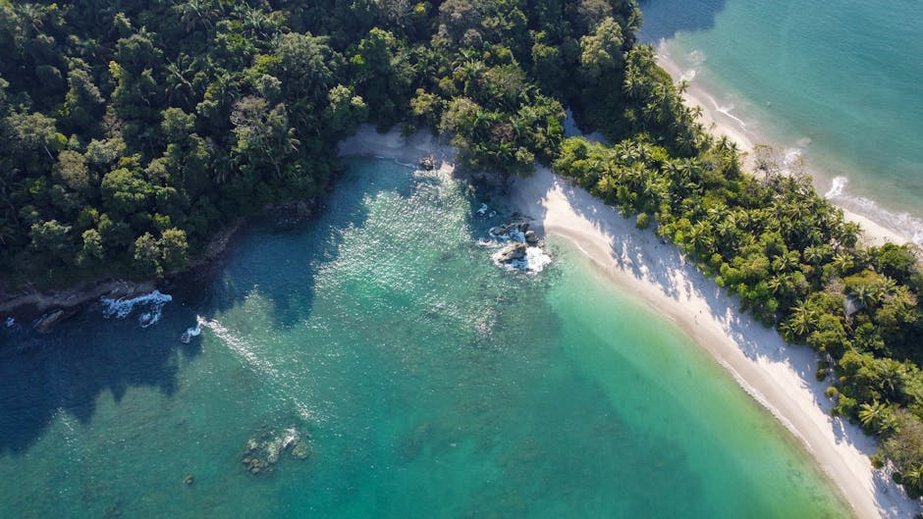
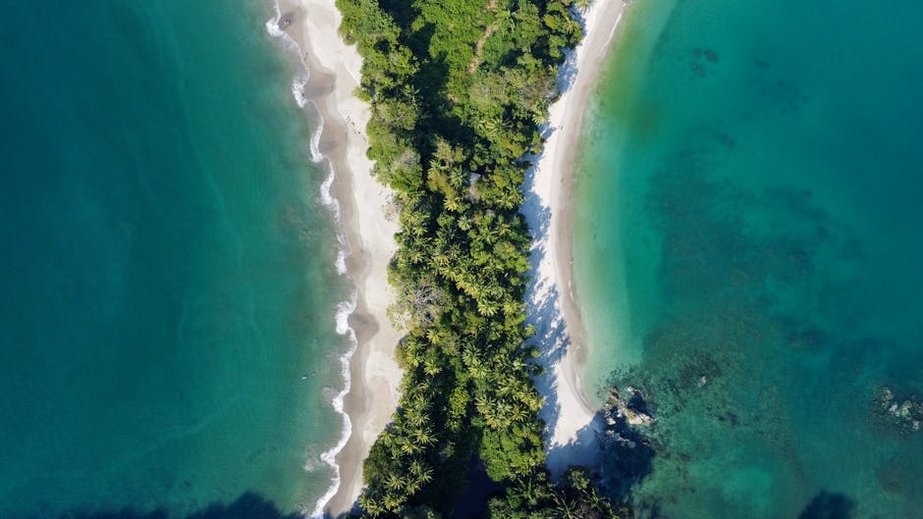
Manuel Antonio combines dense tropical rainforest with pristine Pacific beaches, creating a unique ecosystem where scarlet macaws fly over white sand shores. Your Costa Rica Manuel Antonio Wildlife Beach experience delivers accessible wildlife encounters, from capuchin monkeys playing near the water to sloths resting in mangrove trees. This guide covers essential planning details, must-see attractions, and practical tips for maximizing your visit to this biodiverse coastal paradise.

Essential Manuel Antonio Information

Located on Costa Rica’s central Pacific coast, Manuel Antonio National Park spans 1,700 land acres and 136,000 ocean acres. The park maintains strict visitor limits of 600 people on weekdays and 800 on weekends, requiring advance ticket purchases. Established in 1972, this protected area represents Costa Rica’s commitment to conservation despite being the country’s smallest national park.

Four main beaches within the park offer different experiences, from swimming-safe Playa Espadilla to secluded Playa Gemelas. Average temperatures range from 75°F to 95°F (24°C to 35°C) year-round with high humidity levels. The area transitions between tropical dry forest and rainforest ecosystems, supporting incredible biodiversity in a compact area.

Key Wildlife Species – What You’ll Encounter

These are the most commonly spotted animals during daylight hours.

  • White-faced capuchin monkeys frequently approach visitors, particularly near picnic areas, but require maintaining a safe distance of at least 10 feet to prevent aggressive behavior.
  • Two-toed and three-toed sloths move through canopy trees slowly, best spotted early morning with binoculars or through guided tours with trained spotters.
  • Iguanas and Jesus Christ lizards sunbathe on trails and rocks, the latter notable for running across water surfaces when startled by approaching footsteps.
  • Park Regulations and Access Details

    Manuel Antonio National Park operates Tuesday through Sunday, closing entirely on Mondays for ecosystem recovery. Admission costs $16 for adults and $5 for children under 12, with tickets available online only through the SINAC platform. The park opens at 7 AM, with last entry at 3 PM and all visitors must exit by 4 PM daily.

    Professional guides significantly enhance wildlife spotting success, with certified naturalist tours costing $45-65 per person for 2-3 hour walks. Single-use plastics remain prohibited inside park boundaries, requiring reusable water containers. Visitors must carry all trash out, with no disposal facilities available along the 4 miles of maintained trails.

    Beach Conditions and Safety

    Playa Manuel Antonio offers the calmest swimming conditions with lifeguards present during peak hours from 9 AM to 4 PM. Strong rip currents occasionally develop at Playa Espadilla, particularly during outgoing tides between November and April. Beach facilities include restrooms, outdoor showers, and limited shade areas beneath almond trees favored by squirrel monkeys.
    Costa Rica Manuel Antonio Wildlife Beach

    Alt: “manuel-antonio-national-park-rainforest-meets-beach”

    Costa Rica Manuel Antonio Wildlife Beach – Planning Your Trip

    Successful Costa Rica Manuel Antonio Wildlife Beach visits require careful timing around seasonal weather patterns and advanced reservations. The dry season from December through April delivers optimal conditions with minimal rainfall and maximum wildlife activity. Budget approximately $100-150 daily per person for mid-range accommodations, park fees, meals, and local transportation.

    Weekday visits significantly reduce crowds, with Tuesday and Wednesday typically seeing 40% fewer visitors than weekends. Rental cars provide flexibility for exploring surrounding areas like Quepos, though parking near the park entrance remains limited before 8 AM. For more details, read our Costa Rica travel guide covering additional destinations.

    Best Time to Visit Manuel Antonio

    December through April constitutes peak dry season with daily temperatures between 80°F and 95°F (27°C to 35°C) and minimal rainfall under 2 inches monthly. Wildlife viewing peaks during these months as animals concentrate around remaining water sources, with morning hours from 7-10 AM offering the most active periods for monkey troops and bird activity.

    May through November represents green season with heavier rainfall, particularly in September and October when monthly precipitation reaches 15 inches. Shoulder months of May and November provide good value with moderate crowds and lush vegetation, though some trails may temporarily close after heavy storms. The rainiest months still feature morning sunshine typically until early afternoon.

    Budget Planning and Costs

    These price ranges reflect 2024 costs for different travel styles.

    1. Budget travelers spend $60-80 daily using hostels, public buses from San José, supermarket meals, and self-guided park visits while prioritizing free activities like public beach access.
    2. Mid-range visitors allocate $100-150 daily for air-conditioned hotels, rental car or private transfers, guided wildlife tours, and restaurant dinners featuring fresh local seafood and tropical fruits.
    3. Luxury experiences cost $200-300+ daily covering boutique hotels with ocean views, private guided tours with specialized equipment, spa treatments, and fine dining at establishments like Emilio’s Café.
    4. Essential Preparation Checklist

      Pack quick-dry clothing, waterproof hiking shoes, reef-safe sunscreen, insect repellent with DEET, and binoculars for optimal wildlife observation. Camera equipment should include telephoto lenses for animal photography and waterproof cases or bags for sudden tropical downpours. Lightweight rain jackets prove invaluable year-round for unexpected showers during afternoon hiking excursions.

      Required documentation includes a valid passport with at least six months remaining and proof of onward travel, though US citizens don’t need visas for stays under 90 days. Book accommodations 3-4 months early for December-April visits and secure park tickets immediately upon availability 30 days in advance. Travel insurance covering medical evacuation remains strongly recommended given limited local medical facilities.

      Top Attractions and Activities

      Manuel Antonio National Park’s main trail system spans 4 miles with minimal elevation gain, suitable for most fitness levels when taken slowly. The Cathedral Point trail rewards hikers with panoramic ocean views and frequent white-faced monkey sightings in the late afternoon. Professional guides significantly increase wildlife spotting success, particularly for camouflaged species like sloths and poisonous frogs.

      Beach hopping between Playa Manuel Antonio, Playa Espadilla, and Playa Gemelas reveals different environments and wildlife interactions. Kayaking tours through mangrove forests outside the park provide opportunities to observe marine birds and occasional dolphins. Night tours operating just outside park boundaries reveal entirely different nocturnal species including kinkajous, tarantulas, and sleeping birds.

      Must-See Highlights

      Playa Manuel Antonio’s crescent-shaped beach offers the park’s best swimming conditions with gentle waves and abundant shade trees. The Sendero Perezoso (Sloth Trail) lives up to its name with regular three-toed sloth sightings, particularly in the early morning hours before crowds arrive. Cathedral Point provides spectacular 360-degree views of the Pacific coastline and opportunities to observe pelicans diving for fish.

      Playa Espadilla’s expansive shoreline outside park boundaries features beach vendors, equipment rentals, and vibrant sunset views with affordable accommodation options nearby. The park’s mangrove estuary accessible via guided kayak tours reveals intricate root systems hosting numerous bird species and small mammals. Monkey observations occur most frequently near the park entrance and picnic areas, where troops have become accustomed to human presence.

      Hidden Gems and Local Favorites

      Rainmaker Conservation Project located 45 minutes north offers suspended canopy walks through primary forest with pristine swimming holes. The Damas Island estuary tour provides intimate mangrove exploration opportunities with higher probabilities of spotting crocodiles and numerous bird species. Local fishermen in Quepos offer informal boat tours to nearby islands not accessible from the national park beaches.

      El Avión restaurant built around a Fairchild C-123 cargo plane provides unique dining with spectacular ocean views and historical significance. The Quepos farmers market operates Friday mornings, offering fresh tropical fruits and local snacks at significantly lower prices than tourist areas. Nearby Rafiki Safari Lodge offers day passes for their wildlife rescue center featuring animals unable to be reintroduced to the wild.

      Wildlife Photography Opportunities

      Early morning light between 6:30-8:30 AM provides optimal conditions for photography with soft illumination and active animal behavior. Telephoto lenses of 200-400mm range prove essential for capturing detailed wildlife images while maintaining safe distances from animals. Local guides possess exceptional spotting skills and knowledge of animal territories, dramatically increasing successful photographic opportunities.

      Beach scenes with wildlife elements work best during golden hour when monkeys often descend to the sand. Patience proves more valuable than equipment, as waiting 10-15 minutes in promising locations often rewards photographers with unique behavioral moments. For reliable scarlet macaw sightings, the almond trees near Playa Espadilla North typically host feeding pairs during late afternoon hours.

      Practical Travel Information

      Juan Santamaría International Airport (SJO) in San José serves as the primary international gateway, located approximately 3 hours by road from Manuel Antonio. Domestic flights connect to Quepos Airport (XQP) from SJO, reducing transfer time to 30 minutes but at higher cost. Private transfers, shared shuttles, and rental cars provide various price points for the scenic coastal journey.

      Local transportation includes inexpensive public buses running frequently between Quepos and Manuel Antonio, plus readily available taxis and ride-sharing services. Most hotels and tour operators provide pickup services included in activity prices, particularly for early morning park entries. For current travel advisories, check the Costa Rica Tourism Board official website.

      Getting There and Around

      Most international visitors fly into Juan Santamaría Airport (SJO) near San José, with direct flights from major US hubs like Miami, Atlanta, and Dallas. Driving from SJO to Manuel Antonio takes approximately 3 hours via the scenic Coastal Highway, with rental car costs averaging $40-70 daily including mandatory insurance. Private shuttle services charge $50-75 per person for door-to-door transfers, while public buses cost under $10 but require multiple changes.

      Within Manuel Antonio, the public bus system runs every 20 minutes between Quepos and the national park entrance for approximately $0.60 per ride. Taxis are readily available with standardized rates posted at pickup points, typically $5-10 for most local journeys. Rental cars provide flexibility for exploring nearby attractions like Nauyaca Waterfalls, though parking becomes challenging near the park during peak hours.

      Where to Stay

      The hills between Quepos and Manuel Antonio National Park host most accommodations, offering ocean views and proximity to park entrances. Luxury properties like Arenas del Mar provide direct beach access and sustainable practices, while mid-range options such as La Mariposa Hotel balance location with affordability. Budget travelers find excellent value in Quepos town center, just 10 minutes by bus from the park gates.

      Booking platforms like Booking.com and Airbnb offer extensive options, with advance reservations crucial during December-April high season. Hotel categories range from eco-lodges emphasizing environmental responsibility to all-inclusive resorts with organized activities. Most properties offer free cancellation up to 48 hours before arrival, providing flexibility for itinerary changes due to weather conditions.

      Costa Rica Manuel Antonio Wildlife Beach

      Alt: “manuel-antonio-beach-wildlife-rainforest-backdrop”

      Food, Culture, and Local Experience

      Costa Rican cuisine emphasizes fresh ingredients with gallo pinto (rice and beans) serving as the national breakfast dish served throughout the region. The Manuel Antonio area blends traditional cooking methods with international influences, particularly in seafood preparation using daily catches. Local sodas (small family-owned restaurants) provide authentic meals at significantly lower prices than tourist-focused establishments.

      Pura vida represents more than a phrase in Costa Rica, embodying a lifestyle philosophy emphasizing simplicity, happiness, and environmental appreciation. Tourism forms the economic foundation of Manuel Antonio, creating a welcoming atmosphere for international visitors while preserving local traditions. The area maintains strong conservation ethics, with most businesses implementing sustainability practices like recycling and water conservation.

      Local Cuisine and Must-Try Dishes

      Casado remains the quintessential Costa Rican lunch, featuring rice, beans, plantains, salad, and a protein choice like fresh fish or chicken. Ceviche prepared with local sea bass or dorado (mahi-mahi) showcases the region’s excellent seafood, typically served with crispy plantain chips. Tropical fruit smoothies called batidos provide refreshing hydration, with maracuyá (passion fruit) and guanábana (soursop) being local favorites.

      Restaurants like El Patio de Café Milagro in Quepos offer authentic cuisine in a relaxed garden setting with moderate prices around $15-25 per entree. The seafood market in Quepos provides incredibly fresh options for self-catering, with red snapper and tuna available at reasonable prices. Vegetarian and vegan options have become increasingly available, with most restaurants offering plant-based versions of traditional dishes.

      Cultural Tips and Etiquette

      Tico culture values politeness and indirect communication, with greetings typically including handshakes and friendly conversation before business. Dress remains casual but modest in town areas, with beachwear appropriate only at the actual beach rather than in restaurants or shops. Tipping standards range from 10% for satisfactory service to 15% for exceptional service, though many establishments include a 10% service charge automatically.

      Spanish language basics like “por favor” (please) and “gracias” (thank you) demonstrate cultural respect and typically receive warm responses from locals. Punctuality follows “tico time,” with flexibility expected for appointments and tours, though park openings adhere strictly to scheduled times. Environmental respect remains paramount, with littering frowned upon and recycling infrastructure widely available throughout the region.

      Community and Conservation Efforts

      Manuel Antonio demonstrates successful ecotourism through park revenue funding local conservation projects and community development initiatives. Visitors support these efforts through entrance fees, guided tours employing local naturalists, and patronage of businesses with sustainability certifications. The area’s environmental education programs have created strong local support for wildlife protection, evident in community-led beach cleanups and reforestation projects.

      Wildlife rescue centers like Kids Saving the Rainforest provide rehabilitation for injured animals and educational opportunities for visitors. Many hotels participate in certification programs recognizing their environmental practices, from energy conservation to supporting local conservation organizations. Your tourism dollars directly contribute to preserving this unique ecosystem when choosing responsible operators and accommodations.

      Sources and References

      • Costa Rica National System of Conservation Areas (SINAC)
      • Lonely Planet Manuel Antonio Guide
      • Frequently Asked Questions

        When is the best time to visit Manuel Antonio for wildlife viewing?

        Visit Manuel Antonio between December and April for optimal wildlife viewing with dry conditions and concentrated animal activity around water sources. Daily temperatures range from 80°F to 95°F (27°C to 35°C) with minimal rainfall under 2 inches monthly. Early mornings between 7-9 AM offer the most active periods for monkeys, sloths, and tropical bird species throughout the national park.

        How much does a Manuel Antonio trip cost?

        A Manuel Antonio trip costs $100-150 daily per person for mid-range accommodations, park fees, guided tours, and meals. Budget travelers can manage on $60-80 daily using hostels and public transportation, while luxury experiences range from $200-300+ daily. Park admission is $16 for adults, with guided wildlife tours adding $45-65 per person for significantly enhanced animal spotting opportunities.

        How many days do you need for Manuel Antonio?

        Plan 3-4 days to experience Manuel Antonio’s highlights including national park exploration, beach time, and additional activities like mangrove kayaking. Two full days suffice for seeing primary attractions if time-constrained, while 5 days allows deeper exploration of surrounding areas. Allocate one complete day for the national park itself, with additional days for relaxation and secondary excursions.

        How do you get to Manuel Antonio?

        Fly into Juan Santamaría International Airport (SJO) near San José, then drive 3 hours via the Coastal Highway or take a 25-minute domestic flight to Quepos Airport (XQP). Private transfers cost $50-75 per person, while rental cars provide flexibility for approximately $40-70 daily including mandatory insurance. Public transportation options exist but require multiple bus changes over 4-5 hours travel time.

        Where should you stay for Manuel Antonio wildlife viewing?

        Stay in the hills between Quepos and Manuel Antonio National Park for optimal wildlife viewing with proximity to park entrances and ocean views. Mid-range hotels like La Mariposa offer excellent value at $80-150 nightly with shuttle services. Budget accommodations in Quepos provide access via frequent buses, while luxury properties like Arenas del Mar feature direct beach access and sustainability practices.

        Is Manuel Antonio safe for travelers?

        Yes, Manuel Antonio maintains good safety standards with visible police presence and established tourist infrastructure throughout the area. Standard precautions like not leaving valuables in vehicles and using hotel safes prevent most issues. The national park itself has excellent safety records, with potential risks limited to strong ocean currents and maintaining proper distance from wildlife.

        Do you need special preparation for Manuel Antonio wildlife viewing?

        Yes, you need advance park tickets purchased online, quick-dry clothing, waterproof footwear, and binoculars for optimal wildlife viewing. Additional preparation includes booking accommodations 3-4 months early for peak season and securing reliable transportation between attractions. Physical preparation involves moderate fitness for trail walking in high humidity, though most paths remain relatively flat and well-maintained.

        Final Manuel Antonio Considerations

        Manuel Antonio delivers exceptional wildlife-beach combinations through accessible trails, knowledgeable guides, and conservation-focused tourism infrastructure. Your Costa Rica Manuel Antonio Wildlife Beach planning should prioritize early morning park entries, advance ticket purchases, and flexible weather contingencies for rainforest environments. Which resident species – from playful monkeys to slow-moving sloths – most captures your interest for close observation?

        Related Stories

        spot_img

        Discover

        South Korea Jinhae Cherry Blossom Festival: 3 Essential

        South Korea Jinhae Cherry Blossom Festival: Your Guide to the Pink Canopy The South Korea...

        2026 Current India Jaipur Rose Festival Routes

        India Jaipur Rose Festival: A Guide to the Blossoming Celebration The India Jaipur Rose Festival...

        Ultimate Nepal Holi Festival Kathmandu Guide 12 Tips

        Nepal Holi Festival Kathmandu: A Guide to Celebrating the Festival of Colors Celebrating the Nepal...

        Philippines Moriones Festival Marinduque: 12 Ultimate

        Philippines Moriones Festival Marinduque Experiencing the Philippines Moriones Festival Marinduque offers a profound dive into...

        Top Indonesia Nyepi Silence Day Bali Guide 5 Tips

        Indonesia Nyepi Silence Day Bali Nyepi, the Balinese Day of Silence, transforms the vibrant island...

        Complete Vietnam Hue Festival Cultural Events Journey 3 Tips

        Vietnam Hue Festival Cultural Events The Vietnam Hue Festival cultural events represent a spectacular biennial...

        Popular Categories

        Comments

        LEAVE A REPLY

        Please enter your comment!
        Please enter your name here

      Accommodation Type Features and Location Price Range (USD)
      Budget Hostels Shared facilities, community kitchens, walking distance to public beach access $25-50/night
      Mid-Range Hotels Private bathrooms, air conditioning, swimming pools, shuttle services $80-150/night
      Boutique Lodges Ocean views, private balconies, included breakfast, sustainability focus $160-250/night
      Luxury Resorts Infinity pools, spa services, multiple restaurants, private beach access $300-500+/night