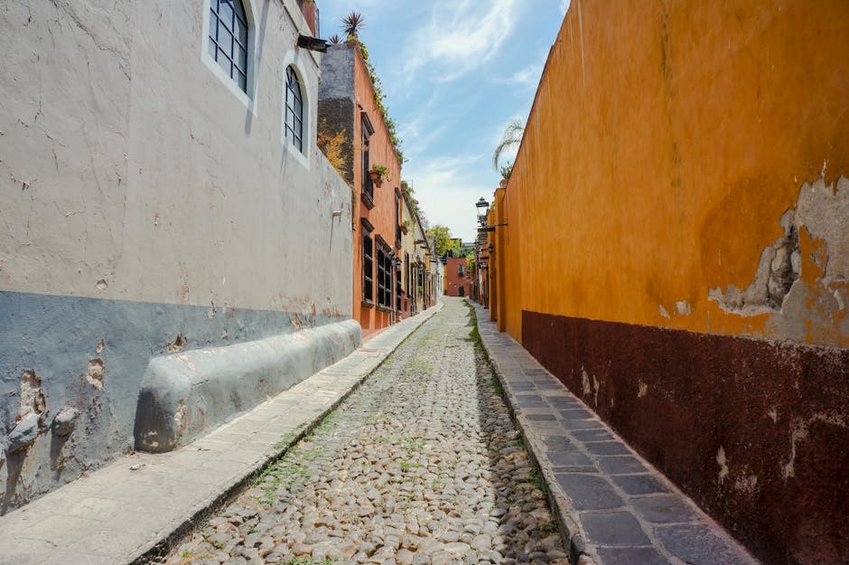
San Miguel de Allende: Mexico’s Colonial Gem
San Miguel de Allende represents Mexico’s finest colonial architecture within a UNESCO World Heritage site celebrated for vibrant arts and culinary traditions. This destination blends 18th-century buildings with contemporary galleries and restaurants across walkable cobblestone streets surrounded by mountainous landscapes. Our guide covers seasonal timing, accommodation strategies, must-visit attractions, and cultural immersion for your Mexican colonial town experience.
Essential San Miguel de Allende Information
Founded in 1542 by a Franciscan monk, San Miguel de Allende played pivotal roles in Mexico’s independence movement throughout the early 19th century. The town’s historical significance earned UNESCO designation in 2008, preserving its Spanish colonial, Baroque, and Neoclassical architectural styles. Visitors discover intact structures from the 17th-19th centuries alongside modern artistic communities.
Located in Guanajuato state’s highlands at 6,400 feet elevation, the town enjoys mild year-round climate with average temperatures ranging 60-80°F (16-27°C). Dry season from November through April brings sunny days ideal for exploration, while summer months offer warmer temperatures with occasional afternoon showers. The elevation provides comfortable conditions despite tropical latitude.
What You Need to Know
Before visiting this Mexican colonial destination, understand these essential aspects.
- Currency exchange favors USD to Mexican pesos at banks or authorized casas de cambio rather than airport counters for better rates.
- Spanish language proficiency enhances interactions, though English is widely spoken in tourist areas and hospitality businesses.
- Walking shoes prove essential for navigating steep, cobblestone streets throughout the historic center’s pedestrian-friendly zones.
- Budget travelers spend $50-80 daily using hostels or guesthouses, market meals, and free attractions like walking tours and park visits.
- Mid-range visitors allocate $100-150 daily for boutique hotels, restaurant dining, and paid activities like cooking classes or guided tours.
- Luxury experiences require $200-300+ daily covering premium hotels, fine dining, private guides, and spa treatments at resort properties.
- Mexico Tourism Board
- San Miguel de Allende Travel Guide
Key Historical Details
San Miguel el Grande, as originally named, developed as an important stop on the silver route between Zacatecas and Mexico City during colonial times. The town’s name changed to honor Ignacio Allende, a native son and key leader in Mexico’s independence movement executed in 1811. Preservation efforts beginning in the 1920s attracted international artists, establishing its contemporary cultural reputation.
Architectural preservation laws maintain the town’s distinctive appearance, requiring buildings in the historic center to adhere to specific color schemes and traditional materials. These regulations protect the colonial character that distinguishes San Miguel de Allende from other Mexican destinations. Recent infrastructure improvements have enhanced accessibility while maintaining historical integrity.
Cultural Significance
The town’s cultural landscape combines indigenous heritage with Spanish colonial influences across religious festivals, culinary traditions, and artistic expressions. Local artisans continue centuries-old crafts including tin mirror making, pottery, and textile weaving sold at markets throughout the historic center. International residents since the mid-20th century have contributed to the vibrant arts scene without diminishing authentic Mexican character.
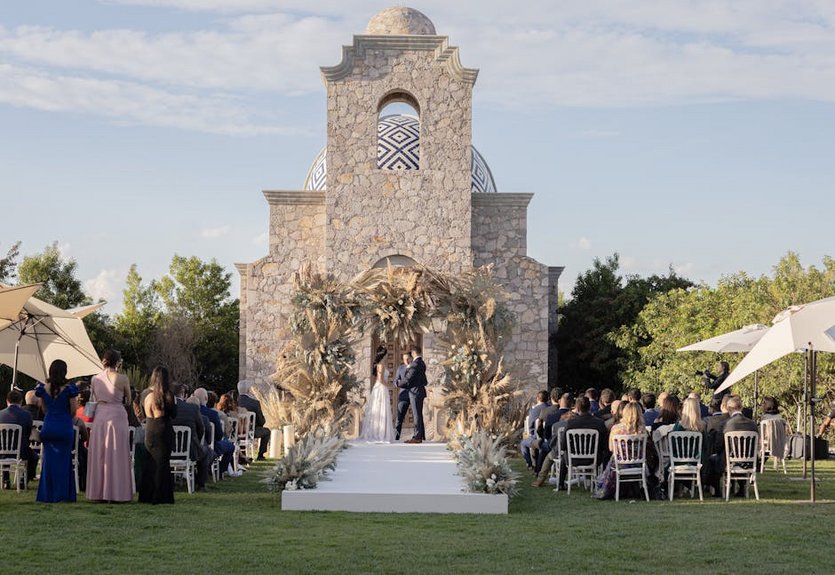
Alt: “san-miguel-de-allende-colonial-architecture-parroquia-church”
Mexico San Miguel de Allende Colonial Town – Planning Your Trip
Successful visits to this Mexican colonial town require understanding seasonal patterns, accommodation booking strategies, and activity planning around local festivals. November through March delivers ideal weather conditions with minimal rainfall and comfortable temperatures for extensive outdoor exploration. Reserve hotels three months in advance for holiday periods when international visitors increase accommodation demand.
Budget considerations should account for higher pricing during peak seasons while shoulder months like May and October offer favorable rates with still-pleasant conditions. The town’s compact historic center enables walking between most attractions, though taxis remain affordable for destinations beyond the central area. Many restaurants and shops accept credit cards, though carrying Mexican pesos simplifies transactions at markets and smaller establishments.
Best Time to Visit San Miguel de Allende
Peak season runs November through April when daytime temperatures average 70-80°F (21-27°C) with minimal rainfall and abundant sunshine. These months provide optimal conditions for photography, walking tours, and outdoor dining, though accommodation rates reach their highest levels. December features elaborate Christmas decorations and festivities, while January brings cooler evenings requiring light jackets.
Shoulder seasons in May-June and September-October offer lower prices with warmer temperatures around 75-85°F (24-29°C) and occasional afternoon showers. July-August constitutes rainy season with daily precipitation that typically clears within hours, creating dramatic cloud formations against colonial architecture. Festival calendars significantly influence crowd levels regardless of seasonal weather patterns.
Budget Planning and Costs
Daily expenses vary considerably based on accommodation style, dining preferences, and activity selections.
Essential Preparation Checklist
Pack lightweight layers for daytime warmth plus jackets for cool evenings, comfortable walking shoes with good traction for cobblestones, and sun protection including hats and sunscreen. Spanish phrasebooks or translation apps enhance communication beyond tourist zones, while copies of passports and travel insurance documents provide important backups. Electrical adapters for Type A/B outlets (110V) ensure device compatibility throughout Mexico.
Secure accommodations at least two months before travel, especially for visits during festival periods or holiday seasons when availability decreases. Research local events that might impact your itinerary, such as street closures during parades or limited access to attractions. Notify your bank of international travel to prevent card blocks on Mexican transactions.
Top Attractions and Activities
San Miguel de Allende’s historic center contains concentrated architectural treasures within walkable distances, highlighted by the iconic Parroquia de San Miguel Arcángel and surrounding jardín. Art galleries and cultural institutions showcase both traditional Mexican crafts and contemporary works by local and international artists. Numerous rooftop bars and restaurants provide spectacular views across the terracotta-tiled skyline toward surrounding mountains.
Day trip opportunities include visiting nearby thermal springs, artisan communities in surrounding villages, and the larger city of Guanajuato just an hour away. The town’s compact nature enables visitors to experience multiple attractions within single days while still allowing time for leisurely meals and spontaneous discoveries. Many museums and cultural sites offer English-language information and guided tours.
Must-See Highlights
La Parroquia de San Miguel Arcángel dominates the central plaza with its pink Gothic-inspired façade designed by indigenous mason Zeferino Gutiérrez in the 19th century. The adjacent El Jardín serves as the town’s social hub with wrought-iron benches, manicured trees, and frequent musical performances. Entry to the parish church remains free, though donations support maintenance of this architectural masterpiece.
Fabrica La Aurora transforms a former textile factory into San Miguel’s premier art district with dozens of galleries, studios, and design shops. The Instituto Allende offers art classes and cultural workshops within a beautiful 18th-century building surrounded by tranquil gardens. Both locations provide insight into the town’s artistic legacy while supporting contemporary creative communities.
Museo Histórico de San Miguel de Allende occupies the former home of independence leader Ignacio Allende, presenting exhibits on local history across beautifully preserved period rooms. The nearby Temple of San Francisco features an elaborate Churrigueresque façade completed in 1799, representing exceptional Baroque architecture. These sites illustrate the town’s significant role in Mexican history and artistic development.
Hidden Gems and Local Favorites
El Charco del Ingenio botanical garden encompasses 170 acres of preserved canyon landscape with extensive cactus collections, walking trails, and a crystalline reservoir. This ecological preserve located just beyond the historic center offers peaceful retreat from urban bustle with minimal entrance fees. Early morning visits provide optimal birdwatching opportunities amid flowering native species.
Mercado de Artesanías located behind the main market building features handmade crafts from throughout Guanajuato state, including traditional textiles, pottery, and leather goods. Unlike more commercialized shops, this market maintains authentic artisan traditions with opportunities for direct purchasing from creators. Saturday mornings bring additional vendors and live music to the adjacent Plaza Civica.
Art and Cultural Experiences
Weekly art walks organized by local galleries provide behind-the-scenes access to working studios and exhibition openings throughout the historic center. These events typically occur on selected evenings with complimentary refreshments and opportunities to meet artists in their creative spaces. Schedules vary seasonally, with increased frequency during peak tourist months.
Cooking classes offered at several local schools teach traditional Mexican recipes using ingredients sourced from municipal markets. Participants typically visit markets with instructors before preparing multi-course meals including techniques for making moles, salsas, and handmade tortillas. These experiences combine culinary education with cultural immersion through food traditions.
Practical Travel Information
Transportation options include flying into either Querétaro Intercontinental Airport (QRO) approximately one hour away or Del Bajío International Airport (BJX) near León about 90 minutes distant. Both airports service major US carriers with direct flights from several American cities, though connecting through Mexico City remains common for international travelers. Private transfers, shared shuttles, and rental cars provide ground transportation from airports.
Accommodation ranges from budget-friendly guesthouses to luxury boutique hotels, with highest concentrations within the historic center’s walkable radius. Properties converted from colonial-era buildings often feature interior courtyards, rooftop terraces, and traditional architectural elements. Advance reservations prove essential during popular festivals and holiday periods when occupancy rates approach 100%.
| Accommodation Type | Features and Location | Price Range (USD) |
|---|---|---|
| Budget Guesthouse | Shared facilities, central location, basic amenities | $40-70/night |
| Boutique Hotel | Private bathrooms, courtyard pools, rooftop terraces | $120-250/night |
| Luxury Resort | Spa services, fine dining, concierge, panoramic views | $300-500+/night |
| Vacation Rental | Full kitchens, multiple bedrooms, residential areas | $80-200/night |