Mexico Oaxaca Mezcal Tasting Tour: Authentic Agave Adventures
Your Mexico Oaxaca Mezcal Tasting Tour immerses you in centuries-old traditions where artisans handcraft agave spirits using ancestral methods passed through generations. You explore rustic palenques in rural valleys, sampling diverse expressions from smoky espadín to wild tobala while learning about terroir and production techniques. This guide covers planning logistics, top distilleries, cultural etiquette, and budgeting for an enriching Oaxaca spirits journey.
Essential Mezcal and Oaxaca Background
Oaxaca state produces over 70% of Mexico’s mezcal across eight designated regions, each offering distinct flavor profiles influenced by local agave varieties and microclimates. The spirit’s history dates to pre-Hispanic times when indigenous communities fermented agave for ceremonial drinks, evolving into today’s regulated Denomination of Origin status. You discover how elevation, soil composition, and artisan techniques create the complex tasting notes characterizing Oaxaca’s signature export.
What You Need to Know Before Tasting
Understanding these fundamentals enhances your agave spirits appreciation throughout the valley tours.
- Mezcal classification includes joven (unaged), reposado (2-12 months aging), and añejo (1+ years aging) with artisanal batches varying significantly between family producers.
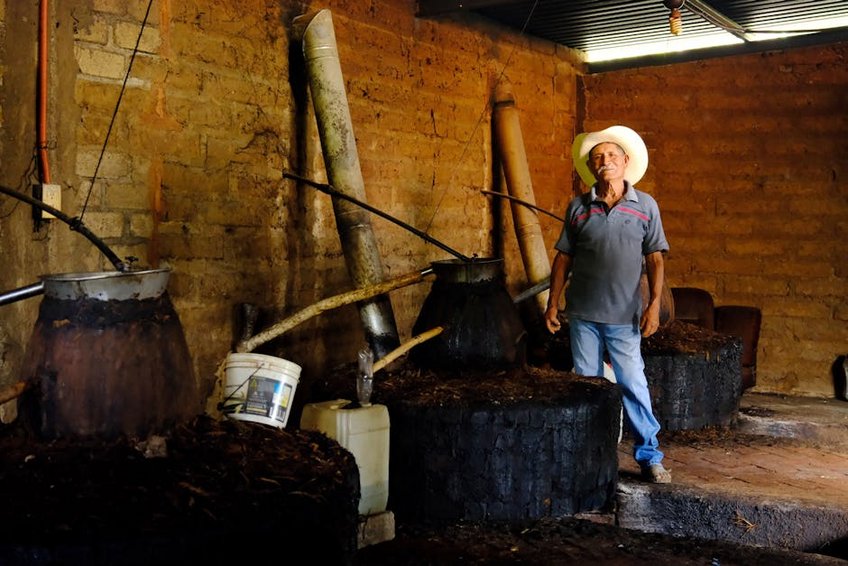
- Traditional production involves roasting agave hearts in earthen pits for 3-5 days, crushing with tahona stones, fermenting in wooden vats, and distilling in copper or clay pots.
- Tasting etiquette recommends smelling first, sipping slowly to identify notes like smoke, fruit, or minerals, and using orange slices and sal de gusano (worm salt) to cleanse your palate between samples.
- Budget travelers spend $60-90 daily using hostel dorms ($15-25), public transportation ($5), mercado meals ($10), and self-guided distillery visits ($15-25) with occasional group tours.
- Mid-range visitors budget $100-180 per day for boutique hotels ($60-100), taxi transfers ($20), restaurant dining ($25), and curated half-day tours ($40-60) including transportation and bilingual guides.
- Luxury experiences cost $200-350 daily featuring design hotels ($120-200), private drivers ($60), fine dining ($50), and exclusive full-day tours ($80-120) visiting artisan producers with master mezcalier guidance.
- Mexico Tourism Board Oaxaca Guide
- New York Times Oaxaca Travel Coverage
Key Regional Differences
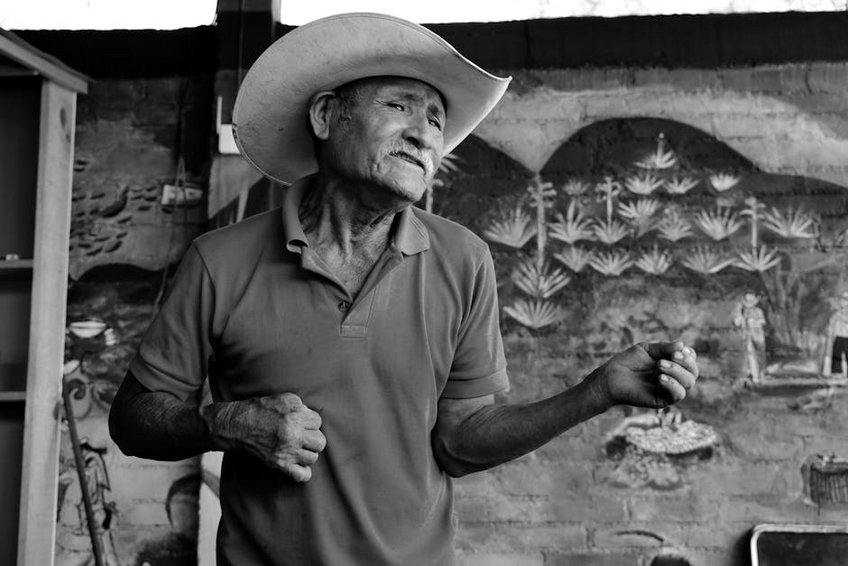
Oaxaca’s mezcal-producing valleys each contribute unique characteristics to their spirits based on environmental factors and local customs. The Central Valleys around Oaxaca City feature accessible palenques producing balanced espadín mezcals ideal for beginners, while Miahuatlán’s higher elevations yield complex wild agave expressions with herbal notes. Meanwhile, remote regions like Sola de Vega maintain ancestral production methods using clay pot distillation for earthy, robust profiles favored by connoisseurs.
Mezcal Versus Tequila Distinctions
While both originate from agave, mezcal differs significantly from tequila in production methods, legal requirements, and flavor complexity. Tequila uses only blue weber agave from Jalisco and specific regions, typically employing industrial ovens and column stills, whereas Oaxaca mezcal incorporates 30+ agave varieties with traditional pit roasting creating its signature smokiness. The artisanal approach results in greater batch variation and terroir expression than tequila’s more standardized production.
Alt: “oaxaca-mezcal-palenque-traditional-agave-roasting”
Mexico Oaxaca Mezcal Tasting Tour – Planning Your Trip
Organizing your Mexico Oaxaca Mezcal Tasting Tour requires balancing seasonal timing, budget allocation, and advance reservations for the most authentic experiences. November through April provides ideal dry weather for visiting rural palenques, with daytime temperatures ranging 70-80°F (21-27°C) and minimal rainfall disrupting transportation. You should book popular tours 2-3 months early during peak seasons while allocating $50-150 daily depending on accommodation style and tour inclusions.
Best Time to Visit Oaxaca for Mezcal Tasting
December through March delivers perfect mezcal touring conditions with comfortable 68-82°F (20-28°C) days, clear skies, and major festivals like February’s Feria del Mezcal showcasing hundreds of producers. Shoulder months May and November offer fewer crowds and lower prices around 15-20% less, though occasional afternoon showers might affect some unpaved access roads to remote distilleries. Avoid June-October’s rainy season when heavy downpours frequently wash out rural routes and humidity reaches 80-90%.
Budget Planning and Costs
These tiered options help you allocate funds effectively across different travel styles.
Essential Preparation Checklist
Pack lightweight natural fiber clothing, sturdy walking shoes, sunscreen, and a reusable water bottle since distillery visits involve substantial outdoor walking across uneven terrain. Bring USD cash for rural palenques that lack card facilities, though Oaxaca City establishments accept major credit cards, and ensure your passport has six months validity for entry. Book accommodations 60-90 days ahead for December-April visits, confirm tour operators’ sustainability practices, and purchase travel insurance covering adventure activities.
Top Mezcal Tasting Experiences in Oaxaca
Oaxaca’s mezcal landscape ranges from urban tasting rooms offering convenient introductions to remote family palenques preserving generations-old techniques in rustic settings. You encounter passionate producers explaining their craft while sampling limited batches unavailable commercially, with many tours including traditional Oaxacan lunches featuring tlayudas and mole. These immersive experiences typically last 4-8 hours depending on destination proximity, with transportation often included from central meeting points.
Must-See Mezcal Distilleries
La Mezcaloteca in Oaxaca City provides educational tasting flights with curated selections from micro-producers, requiring reservations for their intimate sessions focusing on production methods. Real Minero in Santiago Matatlán offers tours of their ancestral clay pot distillation process and extensive agave gardens, showcasing rare varieties like barril and mexicano. Meanwhile, El Rey de Matatlán demonstrates large-scale traditional production with guided explanations of the entire process from roasting to bottling, ideal for understanding commercial artisanal operations.
Hidden Gems and Local Favorites
Familia Ángeles in Tlacolula operates a small palenque producing exceptional tepeztate mezcal using wild 25-year-old agaves, with advance appointments for personalized tastings. Seek out Palenque Doña Ángela in Miahuatlán where third-generation mezcaleras craft exquisite tobala expressions using underground fermentation pits rarely seen elsewhere. Locals recommend the weekly Tlacolula market Sunday visits where independent producers offer samples directly, providing authentic interactions away from organized tour groups.
Mezcal Tasting Techniques Mastery
Professional tasting involves evaluating appearance, aroma, flavor, and finish while considering factors like agave variety, production method, and aging technique. You learn to identify common notes including smoke from pit roasting, citrus from certain agaves, and earthiness from clay pot distillation, comparing multiple samples side-by-side. Always taste from lower to higher alcohol content, use still water for palate cleansing between samples, and take notes to remember preferences across different producers.
Practical Oaxaca Travel Information
Navigating Oaxaca requires understanding transportation options from international arrivals to local movement between city centers and rural distilleries. Most visitors fly into Oaxaca International Airport (OAX) with connections from Mexico City, Houston, or Los Angeles, then use taxis or rental cars for distillery visits outside the capital. Accommodation ranges from historic centro hotels to boutique properties in surrounding valleys, with advance booking essential during festival seasons and holiday periods.
| Accommodation Type | Features and Locations | Price Range (USD) |
|---|---|---|
| City Center Hotels | Walkable to restaurants/museums, rooftop terraces, tour booking services | $45-120/night |
| Boutique Inns | Colonial architecture, courtyard pools, curated mezcal selections, cultural events | $90-200/night |
| Valley Haciendas | Rural settings near distilleries, agave landscape views, cooking classes | $120-300/night |
| Eco-Lodges | Sustainable operations, organic gardens, artisan workshops, guided hikes | $80-180/night |