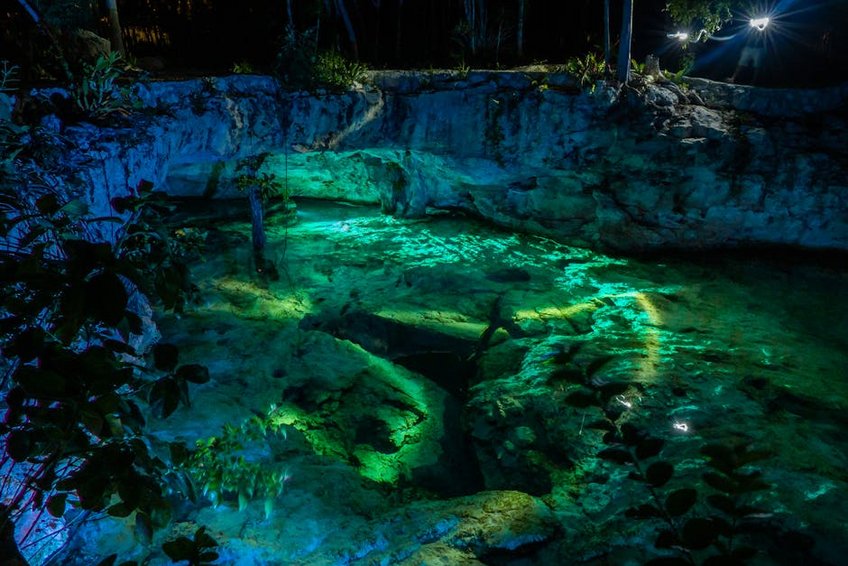
Mexico Cenotes Yucatan Swimming Holes Adventure
Exploring the Mexico Cenotes Yucatan Swimming Holes immerses you in natural freshwater sinkholes carved from limestone over thousands of years. These crystal-clear pools offer refreshing swims amid stunning rock formations and diverse marine life across the Yucatan Peninsula. This guide provides essential tips for planning your visit, discovering hidden spots, and enjoying safe aquatic adventures.
Essential Information About Yucatan Cenotes
Cenotes form when limestone bedrock collapses, revealing groundwater pools connected to extensive underground river systems. The Yucatan Peninsula hosts over 6,000 cenotes, ranging from open-air pools to fully enclosed caves. These natural wonders hold cultural significance for the Maya, who considered them sacred portals to the underworld.
Geologically, cenotes developed during the last ice age when sea levels dropped and rainwater dissolved porous limestone. This process created the world’s longest underwater cave system, with tunnels stretching 350 kilometers beneath the peninsula. Today, these ecosystems support unique species like blind cave fish and freshwater turtles.
What Are Cenotes – Key Facts
Understanding cenote types helps you choose experiences matching your comfort level and interests.
- Open cenotes feature sunlit pools with easy access, ideal for families and first-time swimmers visiting between November and April.
- Semi-open cenotes combine cave sections with open areas, offering dramatic light effects and water temperatures around 75°F (24°C).
- Cave cenotes require guided tours and sometimes diving certification, revealing stunning stalactites in water visibility exceeding 100 feet.
- Budget option: $15-30 daily covers public transportation, $5-10 cenote entries, and bringing your own snorkel gear for basic swimming holes like Cenote Azul.
- Mid-range option: $45-65 daily includes rental car costs, $15-20 cenote entries with facilities, and guided tours at sites like Ik Kil Cenote.
- Luxury option: $80-120 daily provides private transfers, $25-50 premium cenote access, professional photography sessions, and multi-cenote diving packages.
- Mexico Tourism Board
- National Geographic Cenote Guide
Geological Formation Process
The Chicxulub asteroid impact 66 million years ago created fractures in the limestone, accelerating cenote formation through water erosion. Rainwater slightly acidified by carbon dioxide slowly dissolved the bedrock over millennia. This process continues today, with new cenotes occasionally appearing after heavy rains or seismic activity.
Most cenotes maintain constant temperatures between 72-78°F (22-26°C) year-round due to groundwater sources. The water clarity results from natural filtration through limestone, creating visibility that often exceeds 150 feet in undisturbed areas. This makes them perfect for photography and marine observation.
Types of Cenotes in Yucatan
Yucatan’s cenotes vary from easily accessible roadside pools to remote underground chambers requiring special equipment. Open cenotes like Ik Kil attract crowds with their dramatic vines and shallow ledges. Cave cenotes such as Dos Ojos offer otherworldly experiences with minimal light pollution.
Some cenotes feature hydrogen sulfide layers that create haloclines, where salt and fresh water meet visibly. These phenomena occur closer to coastal areas where cenotes connect to ocean water. Always check current conditions before visiting, as water levels change seasonally.
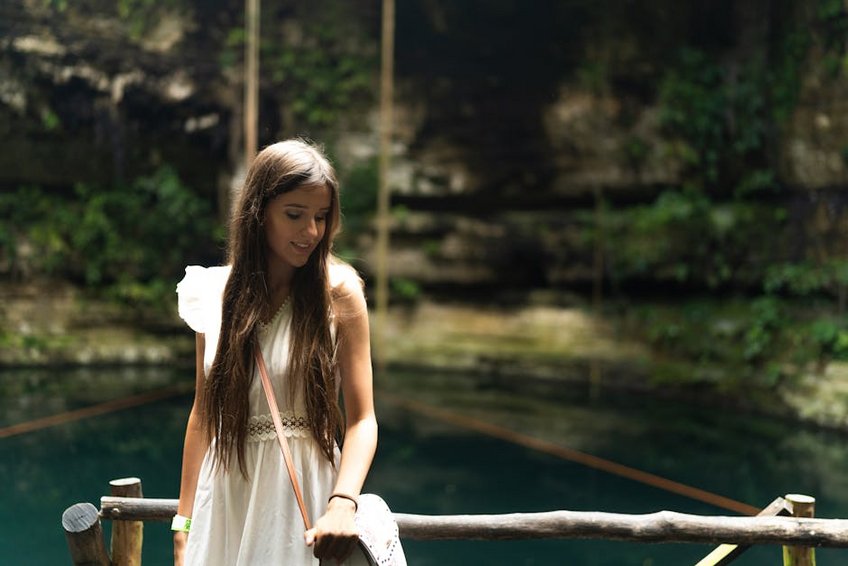
Alt: “yucatan-cenote-open-pool-jungle-surroundings-clear-water”
Planning Your Mexico Cenotes Yucatan Swimming Holes Trip
Your Mexico Cenotes Yucatan Swimming Holes adventure requires careful timing between December and April for optimal weather conditions. These months offer dry, sunny days with average temperatures of 82°F (28°C) and minimal rainfall affecting water clarity. Early morning visits help avoid crowds at popular locations like Gran Cenote.
Budget approximately $50-75 daily for cenote visits, including transportation, entrance fees, and equipment rentals. Many cenotes charge $5-20 entry, with additional costs for guides in protected areas. Consider purchasing a cenote pass if visiting multiple sites around Tulum or Valladolid.
Best Time to Visit Yucatan Cenotes
December through February provides ideal conditions with temperatures around 80°F (27°C) and low humidity levels around 70%. These months feature minimal rain, ensuring cenote water remains clear for photography and swimming. March and April see slightly warmer weather but remain excellent for water activities.
May through October brings rainy season with higher humidity and afternoon showers that can reduce visibility. However, this period offers fewer crowds and lush green surroundings. Hurricane season peaks August-October, occasionally limiting access to coastal cenotes.
Budget Planning and Costs
Manage expenses by selecting cenotes matching your budget and experience preferences.
Essential Preparation Checklist
Pack quick-dry clothing, water shoes with grip, and biodegradable sunscreen to protect delicate ecosystems. Bring underwater cameras or GoPros for capturing the stunning rock formations and marine life. A waterproof bag safeguards phones and wallets during swimming activities.
Check visa requirements—US and EU passport holders receive 180-day tourist visas upon arrival. Purchase travel insurance covering aquatic activities and emergency evacuation. Book accommodations in advance during peak season from December to April.
Top Cenote Attractions and Activities
The Yucatan Peninsula’s most famous swimming holes combine accessibility with breathtaking natural beauty. Gran Cenote near Tulum features extensive cave systems perfect for snorkelers observing turtles and fish. Ik Kil’s dramatic circular opening and hanging vines create iconic photo opportunities just two hours from Cancun.
Lesser-known gems like Cenote Xkeken near Valladolid offer intimate experiences in cathedral-like caves with minimal crowds. These spots often charge lower entry fees around $5-10 and provide more authentic interactions with local guides. Always respect posted rules about touching formations or using sunscreen.
Must-See Highlights
Dos Ojos (“Two Eyes”) cenote system features twin blue holes connected by a 400-meter cave passage, with visibility exceeding 100 feet. This site offers both snorkeling and diving experiences, with guided tours starting at $50 including equipment. Visit early to avoid tour groups arriving after 10 AM.
Sacred Cenote at Chichen Itza demonstrates the historical significance of these water sources to Maya civilization. While swimming isn’t permitted, the archaeological context enhances understanding of cenote culture. Combine with visits to nearby swimming cenotes like Ik Kil for a full experience.
Cenote Suytun’s circular platform and light beam create dramatic photography conditions, especially between 11 AM-1 PM when sunlight penetrates directly. The $10 entry fee includes life jacket rental, and the shallow waters suit all swimming levels. Arrive weekdays for fewer visitors.
Hidden Gems and Local Favorites
Cenote Samula near Dzitnup features a tree root descending through a small opening into the cavern below. The $8 entry includes access to neighboring Cenote Xkeken, making it excellent value. Local families frequent this site on weekends, offering cultural immersion opportunities.
Cenote Calavera (“Temple of Doom”) provides adventurous swimming through three surface openings into an underground chamber. The $15 fee includes snorkel gear for exploring the 15-foot deep waters. This less-commercialized spot maintains authentic atmosphere with basic facilities.
Cenote Snorkeling and Diving Tips
Beginner snorkelers should start at open cenotes like Casa Cenote with gradual entry points and abundant marine life. These locations typically charge $10-15 entry with $5-10 equipment rental. Always test gear before entering the water and stay within designated swimming areas.
Certified divers can explore cave systems at sites like The Pit, which drops 120 feet with dramatic light effects. These advanced dives require proof of certification and often cost $80-120 including guide services. Never dive alone or without proper training in overhead environments.
Practical Travel Information for Yucatan
Most visitors fly into Cancun International Airport (CUN), then rent cars or take ADO buses to cenote regions. The drive to Tulum takes approximately 90 minutes, with well-maintained highways connecting major cenote areas. Rental cars cost $25-40 daily, while bus fares range $10-20 per segment.
Accommodation options span from hostels in Tulum at $15-30 nightly to eco-resorts near cenotes costing $80-150. Booking three months ahead secures best rates during peak season. Many hotels offer cenote tour packages including transportation and guided visits.
| Cenote Type | Features and Access | Price Range (USD) |
|---|---|---|
| Open Cenotes | Sunlit pools, easy entry, family-friendly with facilities | $5-15 |
| Semi-Open Cenotes | Partial cave coverage, light effects, moderate swimming skills needed | $10-20 |
| Cave Cenotes | Full cave environments, guided tours required, advanced swimming | $20-35 |
| Private Cenotes | Exclusive access, luxury amenities, photography sessions included | $40-60 |