Mexico Copper Canyon Train Journey: An Epic Rail Adventure
The Mexico Copper Canyon train journey delivers breathtaking scenery across northwestern Mexico’s dramatic landscapes. This railway adventure traverses deep canyons, pine forests, and remote villages on the historic Ferrocarril Chihuahua al Pacífico line. Your itinerary covers essential planning tips, must-see stops, and cultural insights for an unforgettable expedition.
Essential Copper Canyon Information
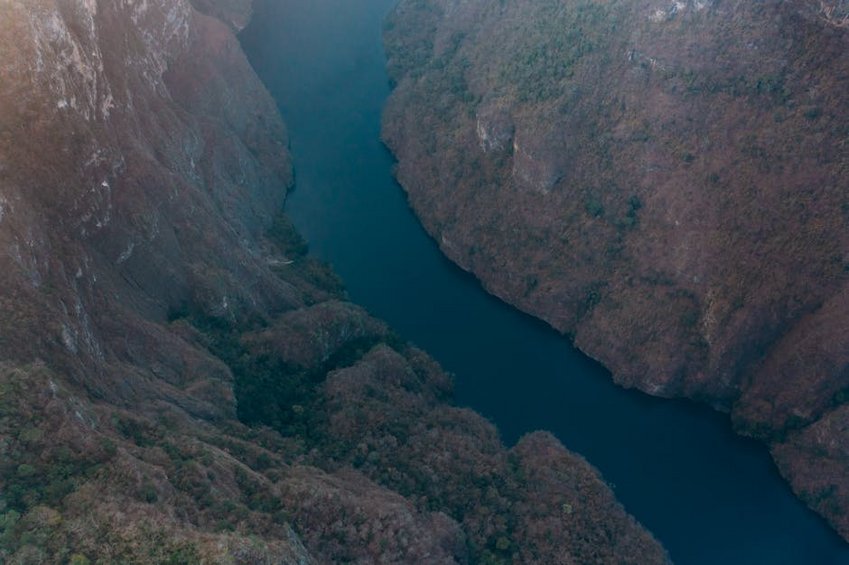
Copper Canyon encompasses a series of six distinct canyons in the Sierra Madre Occidental mountains. This vast network surpasses the Grand Canyon in total area, offering diverse ecosystems from high plateaus to subtropical valleys. The region’s name derives from the copper-green hue of its canyon walls during certain light conditions.
Indigenous Rarámuri communities have inhabited these mountains for centuries, maintaining traditional lifestyles. Their presence adds cultural depth to your travel experience through local crafts and hospitality. Understanding this background enriches your appreciation of the canyon’s significance beyond its physical grandeur.
Key Geological Features
These geological formations reveal millions of years of erosion and tectonic activity.
- Barranca del Cobre reaches depths exceeding 1,800 meters (5,900 feet) with spectacular viewpoints accessible via hiking trails.
- Basaseachi Waterfall plunges 246 meters (807 feet) as Mexico’s second-highest permanent waterfall located within the canyon system.
- Cerro del Gallego mountain peak offers panoramic views across multiple canyons from its 2,320-meter (7,610-foot) summit.
- Budget travelers spend $50-100 daily using hostels, local eateries, and second-class train service between selected stops.
- Mid-range visitors allocate $150-250 daily for comfortable hotels, restaurant meals, and first-class train segments with guided excursions.
- Luxury experiences cost $300-500 daily featuring boutique hotels, private guides, and exclusive adventure activities throughout the region.
- Mexico Tourism Board
- Chepe Train Official Website
Historical Railway Development
Construction began in the late 19th century to connect Mexico’s interior with Pacific coast ports. Engineers overcame immense challenges including steep gradients and unstable terrain throughout the 86-year project. The completed line features 37 bridges and 86 tunnels spanning 673 kilometers (418 miles) of track.
Regional Climate Zones
Temperatures vary dramatically between canyon floor and rim locations throughout the year. Lower elevations experience subtropical conditions with averages of 25-30°C (77-86°F) during summer months. Higher altitude areas maintain cooler averages of 10-15°C (50-59°F) with occasional winter snowfall.
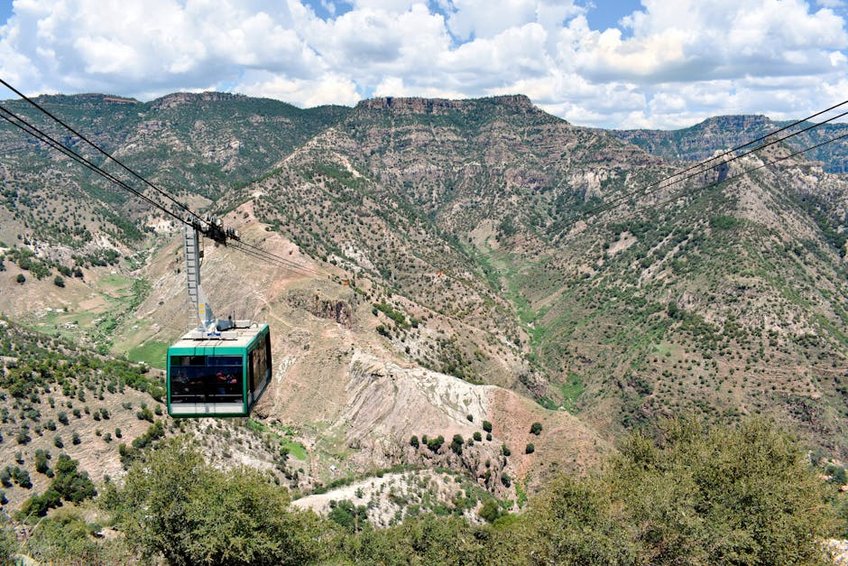
Alt: “copper-canyon-train-crossing-bridge-mountain-scenery”
Mexico Copper Canyon Train Journey – Planning Your Trip
Successful Mexico Copper Canyon train journey planning requires careful consideration of seasonal conditions and booking timelines. The railway operates year-round with distinct advantages during different months for various travel preferences. Advance reservations become essential during peak seasons between November and April.
Budget allocation should account for transportation, accommodation, and activity costs throughout the canyon region. Independent travelers can reduce expenses by selecting economical lodging and utilizing local transportation options. Guided tours provide convenience but increase overall trip expenditures significantly.
Best Time to Visit Copper Canyon
Peak season runs from November through April when daytime temperatures range from 15-25°C (59-77°F) with minimal rainfall. These months offer optimal hiking conditions and clear visibility for photography throughout the canyon system. Book train tickets and hotels three months in advance for December and January visits.
Shoulder seasons in May-June and September-October provide fewer crowds with moderate temperatures of 20-30°C (68-86°F). Afternoon thunderstorms occur more frequently during these transitional periods. Off-season July-August brings heavy rainfall but lush vegetation and discounted rates.
Budget Planning and Costs
Your expenditure depends on travel style, accommodation level, and included activities.
Essential Preparation Checklist
Pack layered clothing for temperature variations between 5-30°C (41-86°F) across different elevations. Include sturdy hiking shoes, rain gear, sun protection, and a daypack for excursions away from the train route. Camera equipment with extra batteries and memory cards captures the spectacular landscapes effectively.
Secure Mexican tourist permits if required for your nationality before departure. Purchase travel insurance covering adventure activities and emergency evacuation from remote canyon areas. Download offline maps and translation apps since internet connectivity remains limited in rural sections.
Top Attractions and Activities
Copper Canyon offers diverse experiences beyond the railway journey itself. Adventure enthusiasts find endless opportunities for hiking, biking, and cultural immersion throughout the region. Each canyon presents unique geological features and indigenous communities to explore.
The train route connects major viewpoints and towns where you can disembark for extended exploration. Popular stops include Creel, Divisadero, and El Fuerte with their distinct characteristics and activities. Allocate sufficient time at multiple stations to appreciate the area’s full diversity.
Must-See Highlights
Divisadero Station provides the canyon’s most famous viewpoint overlooking three major gorges simultaneously. Visit between 10 AM-2 PM for optimal lighting conditions and fewer crowds at this popular stop. The adjacent market features Rarámuri crafts and local food specialties worth sampling.
Basaseachi National Park showcases the magnificent waterfall within a protected forest environment. Arrive early morning to avoid day-tour groups and experience the mist-filled canyon in relative solitude. Entry costs $5 USD with additional fees for guided hikes to waterfall viewpoints.
Cerocahui Mission Town offers historical architecture and access to remote canyon trails. The 17th-century mission church contains valuable religious art preserved by local communities. Guided horseback riding tours from here reveal hidden valleys and traditional farming settlements.
Hidden Gems and Local Favorites
Cusarare Waterfall remains less crowded than Basaseachi while offering similar natural beauty. Local guides from Cusarare village lead hiking tours to this 30-meter (98-foot) cascade through pine-oak forests. The round-trip hike requires 2-3 hours at a moderate pace with some elevation gain.
Batopilas Canyon delivers dramatic scenery with a unique microclimate supporting tropical vegetation. This remote area requires overnight stays to fully appreciate its silver mining history and warm hospitality. Access involves a challenging 4-hour drive from Creel on unpaved mountain roads.
Adventure Activities in the Canyon
Zip-lining at Parque de Aventura en Barrancas offers thrilling perspectives across the canyon depths. Courses operate daily from 9 AM-5 PM with safety equipment provided for all participants. Reservations recommended during holiday periods when wait times can exceed one hour.
Mountain biking routes range from gentle valley paths to technical single-track along canyon rims. Rental shops in Creel provide quality bikes and route recommendations suitable for various skill levels. Guided multi-day biking expeditions explore remote areas inaccessible by vehicle.
Practical Travel Information
Transportation logistics require careful planning since the canyon region spans multiple states and elevations. The Chepe train provides the primary transportation backbone with connecting bus services to remote villages. Rental cars offer flexibility but demand experienced drivers comfortable with mountain roads.
Accommodation options range from basic hostels to luxury hotels across major stops along the railway. Book at least two months ahead for peak season visits between December and March. Shoulder seasons offer more availability with occasional last-minute discounts.
| Category | Options/Features | Price Range (USD) |
|---|---|---|
| Budget Accommodation | Hostels with shared facilities, basic hotels in Creel and El Fuerte | $25-50/night |
| Mid-Range Hotels | Private bathrooms, restaurants, tour booking services | $80-150/night |
| Luxury Properties | Boutique hotels with canyon views, spas, gourmet dining | $200-400/night |
| Train Tickets | First class (Chepe Express) vs second class (Chepe Regional) | $100-300/segment |