USA Savannah Georgia Historic District: Southern Charm and History
Savannah’s historic district captivates visitors with its preserved antebellum architecture, Spanish moss-draped oak trees, and twenty-two picturesque squares spanning 2.5 square miles. This National Historic Landmark District showcases Federal and Regency-style homes, cobblestone streets, and rich Civil War history accessible through guided tours and self-guided walks. Your USA Savannah Georgia Historic District exploration reveals Southern hospitality, haunted legends, and cultural depth perfect for history enthusiasts and casual travelers alike.
Essential Savannah Historic District Information
Savannah’s historic core dates to 1733 when General James Oglethorpe founded Georgia’s first city using a unique grid pattern with public squares. The district survived the Civil War largely intact thanks to General Sherman’s 1864 preservation order, allowing modern visitors to experience authentic 19th-century Southern architecture. Preservation efforts began in the 1950s, leading to its 1966 National Historic Landmark designation protecting over 1,600 historically significant structures.
Historical Background and Significance
Understanding Savannah’s layered history enhances any visit to this meticulously preserved urban landscape.
- Founding Era (1733-1776): Oglethorpe’s original plan included the distinctive squares system providing communal spaces and firebreaks, with prohibited slavery initially distinguishing Savannah from other Southern colonies.
- Antebellum Period (1800-1860): Cotton trade prosperity fueled construction of elaborate Greek Revival and Gothic Revival mansions, with the district becoming the South’s primary cotton export hub by 1818.
- Modern Preservation (1950s-present): The Historic Savannah Foundation formed in 1955, rescuing the Isaiah Davenport House from demolition and launching one of America’s most successful preservation movements.
- Budget Traveler ($75-125 daily): Stay at chain hotels outside the district with free parking, utilize free walking tours and square exploration, picnic in parks using groceries from Kroger, and visit free attractions like Cathedral of St John the Baptist and riverfront areas.
- Mid-Range Visitor ($150-250 daily): Book historic district B&Bs including breakfast, purchase combination tickets for 3-4 home museums, enjoy moderate restaurant meals, take guided ghost tours, and use rideshare services for longer distances.
- Luxury Experience ($300-500+ daily): Reserve suites in premium historic properties like Hamilton-Turner Inn, dine at upscale restaurants with reservations, hire private guides for customized tours, attend performing arts events, and utilize concierge services for exclusive access.
- Savannah Area Convention & Visitors Bureau
- National Park Service Historic District Information
Key Architectural Features and Styles
Savannah’s architectural diversity spans three centuries of American building traditions, with particular concentration of early 19th-century designs. The district showcases Federal-style homes with symmetrical facades and delicate details alongside Greek Revival mansions featuring massive columns and pediments. Italianate villas with bracketed cornices and Gothic Revival cottages with pointed arches create visual variety across different neighborhoods.
Regency architecture appears in William Jay-designed homes like the Owens-Thomas House, featuring delicate ironwork and innovative indoor plumbing systems. Later Victorian-era additions brought Queen Anne-style residences with wraparound porches and colorful stained glass windows. This architectural timeline remains remarkably intact due to continuous preservation efforts and restoration projects.
Visitor Essentials and District Layout
The historic district’s walkable layout centers around Bull Street running north-south with squares approximately every other block. Most attractions cluster within easy walking distance, though free DOT shuttle services connect peripheral areas. Visitor centers at Martin Luther King Jr Boulevard and Factors Walk provide maps, tour tickets, and historical context for first-time explorers.
Parking proves challenging with limited metered spaces ($1-2 hourly) and garage options ($15-20 daily), making rideshare services practical for day visitors. The district operates pedestrian-friendly with brick sidewalks and frequent benches, though summer humidity warrants hydration breaks. Most historic homes and museums charge admission fees between $10-25 per person.
USA Savannah Georgia Historic District – Planning Your Trip
Successful Savannah historic district visits combine advance planning with spontaneous discovery moments wandering hidden courtyards and garden spaces. Your USA Savannah Georgia Historic District itinerary should balance structured tours with ample time for simply sitting in squares observing daily life. Spring and fall months deliver ideal weather conditions, while summer visits require strategic indoor activity scheduling during peak heat hours.
Accommodation costs vary significantly between budget hotels outside the district ($120-180 nightly) and historic inns within walking distance ($250-400). Restaurant reservations become essential during festivals and weekends, particularly for popular spots like The Olde Pink House or Elizabeth on 37th. Many visitors underestimate the district’s walkability, packing comfortable shoes for covering 3-5 daily miles across uneven brick surfaces.
Best Time to Visit Savannah Historic District
March through May offers perfect conditions with temperatures between 65-80°F (18-27°C) and blooming azaleas creating spectacular photo opportunities. These spring months see moderate crowds except during the St Patrick’s Day celebration when hotel prices surge 40-60%. September through November provides similar comfortable weather with fewer visitors and vibrant fall foliage in the squares.
Summer months June through August bring intense humidity with temperatures reaching 90-95°F (32-35°C) and frequent afternoon thunderstorms. Winter visits December through February see smaller crowds and lower hotel rates, though temperatures can drop to 40-50°F (4-10°C) requiring layered clothing. Festival seasons like Savannah Music Festival (March/April) and Savannah Food & Wine Festival (November) create vibrant atmospheres but require earlier bookings.
Budget Planning and Costs
Savannah accommodates various budget levels while maintaining historic district access through strategic planning.
Essential Preparation Checklist
Comfortable walking shoes prove non-negotiable for navigating cobblestone streets and brick pathways throughout the historic district’s expansive layout. Lightweight rain gear and compact umbrellas provide protection from sudden afternoon showers common in coastal Georgia climate conditions. Photography enthusiasts should bring extra memory cards and portable chargers for capturing the district’s photogenic architecture and scenic squares.
Advance reservations secure preferred tour times at popular sites like Mercer Williams House and Owens-Thomas House, especially during peak visitation months. Download offline maps since cellular service can be inconsistent among dense historic buildings and tree-covered squares. Check festival calendars to either target or avoid major events based on your preference for crowd levels and accommodation pricing.
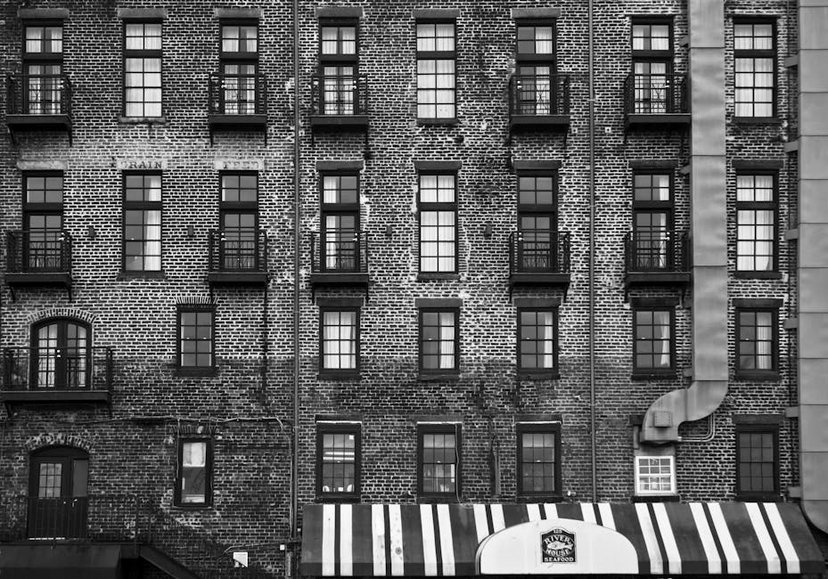
Alt: “savannah-historic-district-spanish-moss-oak-trees-architecture”
Top Attractions and Activities
Savannah’s historic district contains America’s largest urban National Historic Landmark area with countless preserved homes, museums, and cultural sites. Must-see locations include Forsyth Park’s iconic fountain, the riverfront’s restored cotton warehouses, and numerous house museums showcasing different architectural periods. Beyond major landmarks, the district’s true magic emerges through leisurely square exploration and unexpected discoveries in hidden gardens.
Guided walking tours provide essential historical context while revealing stories behind facades you might otherwise pass unnoticed. Evening ghost tours capitalize on Savannah’s reputation as America’s most haunted city, blending history with supernatural folklore. Many visitors find simply sitting in different squares throughout the day offers rewarding people-watching and atmospheric appreciation opportunities.
Must-See Highlights and Landmarks
Forsyth Park’s sprawling thirty acres feature the district’s most photographed element—the 1858 cast-iron fountain surrounded by walking paths and fragrant gardens. The park hosts frequent events from concerts to farmers markets while providing essential green space for relaxation between historic site visits. Arrive early morning for crowd-free photography or late afternoon for golden hour lighting effects.
River Street’s converted cotton warehouses now house restaurants, boutiques, and galleries along the active Savannah River waterfront. This bustling area showcases the city’s commercial history through preserved cobblestone streets and original railway tracks embedded in the pavement. Watch massive container ships navigate the river while exploring this revitalized industrial corridor dating to the early 1800s.
The Cathedral of St John the Baptist astonishes visitors with its French Gothic architecture, stunning stained glass, and meticulously restored interior following a 1898 fire. This active parish welcomes visitors for self-guided tours between services, with docents available to explain the cathedral’s history and artistic details. Modest donation requests support maintenance of this architectural masterpiece completed in 1876.
Hidden Gems and Local Favorites
Green-Meldrim House often escapes mainstream attention despite its significance as General Sherman’s headquarters and stunning Gothic Revival architecture. This National Historic Landmark operates as St John’s Episcopal parish house with limited public visiting hours, creating an intimate experience away from crowded tours. The property’s ornate ironwork and original interiors provide exceptional examples of 1850s residential design.
Colonial Park Cemetery offers atmospheric exploration of Savannah’s second-oldest burial ground with graves dating from 1750-1853. Historical markers explain notable interments and the cemetery’s role during the 1820 yellow fever epidemic. Local guides share fascinating stories about dueling victims and Revolutionary War figures buried here, with the site particularly evocative during evening tours.
Walking Tours and Guided Experiences
Architecture-focused tours highlight specific styles and periods, with expert guides explaining construction techniques and preservation challenges across different neighborhoods. These specialized walks typically cover 8-12 blocks over two hours, incorporating building interiors when possible through advance arrangements. Popular options include the Davenport House Museum’s architectural tours and the Massie Heritage Center’s educational programs.
Historical society tours provide academic perspectives on Savannah’s development from colonial settlement through Civil War preservation and modern revitalization. These experiences often include access to privately-owned properties not otherwise available to the public. Reservations frequently required weeks in advance due to limited group sizes and high demand from serious history enthusiasts.
Practical Travel Information
Savannah/Hilton Head International Airport (SAV) located twenty minutes from the historic district services major carriers with direct flights from eastern and midwestern hubs. Rental car facilities operate on-site, though most historic district visitors find vehicles unnecessary once arrived. Amtrak’s Palmetto route stops in Savannah with the station situated approximately two miles from the district’s edge.
Local transportation includes the free DOT shuttle circulating the historic district and riverfront areas every 15-20 minutes daily. Taxis and rideshare services provide convenient point-to-point transportation, particularly during evening hours or inclement weather. Bicycle rentals offer flexible exploration options with dedicated bike lanes on several major streets throughout the district.
| Accommodation Type | Features and Location | Price Range (USD/Night) |
|---|---|---|
| Historic Inns | Restored 19th-century homes with period furnishings, included breakfast, central square locations | $250-400 |
| Boutique Hotels | Modern amenities in historic buildings, rooftop bars, concierge services, walkable to attractions | $180-300 |
| Chain Hotels | Standardized accommodations outside district perimeter, free parking, pool facilities, shuttle service | $120-180 |
| Vacation Rentals | Full apartments in historic buildings, kitchen facilities, multiple bedrooms, residential neighborhoods | $150-250 |