USA Death Valley Zabriskie Point: Epic Sunrise Views and Hiking Adventures
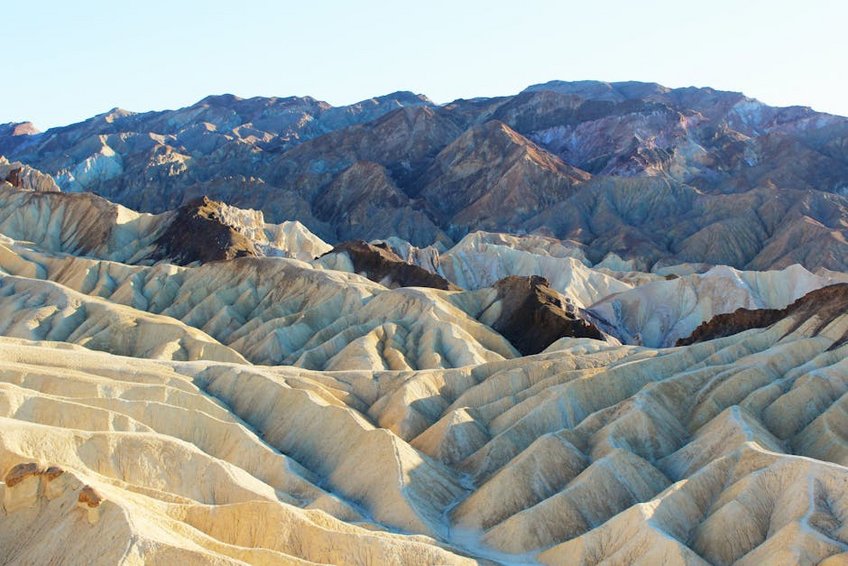
Zabriskie Point delivers some of America’s most dramatic desert panoramas within Death Valley National Park. This iconic viewpoint showcases eroded badlands that glow golden during sunrise and sunset hours. Your USA Death Valley Zabriskie Point visit rewards early risers with unforgettable photography opportunities and accessible hiking trails.
Death Valley Zabriskie Point Essentials
Zabriskie Point sits approximately 710 feet above Death Valley’s floor near Furnace Creek. The viewpoint’s namesake honors Christian Brevoort Zabriskie, a Pacific Coast Borax Company executive. Visitors access the site via a short paved path from the parking area.
The geological formations represent millions of years of sediment deposition and erosion. These badlands feature vibrant mineral layers including gypsum, clay, and volcanic ash. Erosion patterns create constantly changing textures across the landscape.
What Makes Zabriskie Point Special
This destination offers one of Death Valley’s most photographed vistas without strenuous hiking. The panoramic view encompasses Golden Canyon, Manly Beacon, and the surrounding badlands. Different lighting conditions throughout day create entirely distinct visual experiences.
Geological History and Significance
These formations began as lake bed sediments during the Pleistocene epoch. Subsequent volcanic activity and erosion sculpted the colorful badlands visible today. The area’s naming recognition came during the early 20th century borax mining era.
Best Photography Conditions
Sunrise provides the most dramatic lighting with long shadows and warm tones. Arrive 30 minutes before official sunrise for optimal color progression. Overcast days sometimes produce interesting moody atmospheres for creative shots.
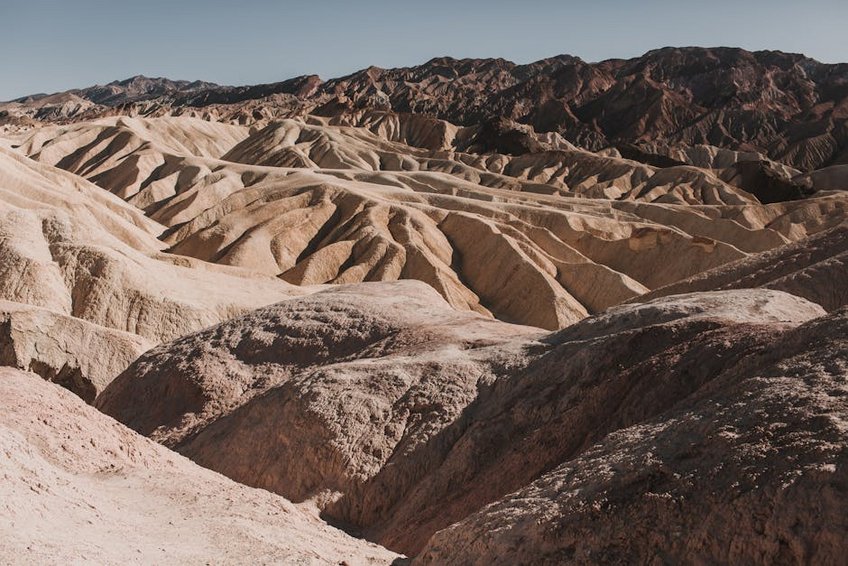
Alt: “death-valley-zabriskie-point-sunrise-badlands-golden-canyon”
Planning Your USA Death Valley Zabriskie Point Trip
Successful Zabriskie Point visits require careful timing around extreme desert conditions. Summer temperatures frequently exceed 120°F (49°C) making early morning essential. Winter brings pleasant daytime conditions around 60-70°F (15-21°C) with chilly nights.
Your USA Death Valley Zabriskie Point itinerary should allocate at least two days for flexibility. Accommodations near Furnace Creek provide the most convenient access to the viewpoint. Reserve lodging several months ahead for popular seasonal periods.
Best Time to Visit Death Valley for Zabriskie Point
October through April offers the most comfortable weather conditions for exploration. Daytime temperatures range from 60-80°F (15-27°C) with minimal rainfall during these months. Crowds peak around holiday weekends and spring break periods.
Summer visits remain possible with extremely early sunrise viewings before heat intensifies. May and September serve as shoulder seasons with moderate visitation levels. Always check current park conditions for unexpected weather events.
Budget Planning and Costs
Death Valley travel costs vary significantly based on accommodation choices and dining preferences.
- Budget travelers spend $75-125 daily using campgrounds, picnic lunches, and park shuttle services. Furnace Creek Campground costs $22 per night with reservable sites.
- Mid-range visitors allocate $150-250 daily for lodge rooms, restaurant meals, and rental car expenses. The Ranch at Death Valley offers rooms from $229 per night.
- Luxury experiences run $300+ daily featuring resort accommodations, guided tours, and fine dining. Inn at Death Valley rooms start at $399 with premium amenities.
- National Park Service – Death Valley
- National Weather Service
Essential Preparation Checklist
Pack at least one gallon of water per person daily plus extra emergency supplies. Sun protection requires wide-brimmed hats, SPF 50+ sunscreen, and UV-blocking sunglasses. Sturdy closed-toe shoes handle the rocky terrain comfortably.
Download offline maps since cellular service remains unreliable throughout most park areas. Check your vehicle’s cooling system and tire pressure before desert driving. Carry emergency supplies including first aid kits and extra food.
Must-See Attractions and Hikes
Death Valley National Park contains numerous spectacular sites beyond the main viewpoint. Badwater Basin sits 282 feet below sea level as North America’s lowest point. Artists Palette showcases mineral-colored hills accessible via a scenic drive.
Dante’s View provides an elevated perspective over the entire valley from 5,476 feet. Mesquite Flat Sand Dunes offer classic desert scenery perfect for photography. Each location presents unique geological features and visual appeal.
Zabriskie Point Viewpoint Experience
The main platform delivers immediate panoramic views without hiking requirements. Early morning typically sees smaller crowds compared to sunset periods. Photography tripods find good positioning along the paved pathway edges.
Visit during different times to witness the changing light patterns across the badlands. Full moon nights create magical silvery landscapes for night photography. Always stay on designated paths to protect the fragile desert environment.
Golden Canyon Trail
This moderate 2-mile round trip hike begins from the Zabriskie Point parking area. The trail descends through colorful canyon walls with minimal elevation gain. Allow 1-2 hours for a leisurely pace with photography stops.
Early morning or late afternoon provide the best lighting conditions for this hike. Summer months require completion before 9 AM to avoid extreme heat. Carry water and wear proper footwear for the uneven terrain.
Badwater Basin Excursion
North America’s lowest point sits 17 miles from Zabriskie Point via Highway 190. The salt flats extend dramatically across the valley floor with mountain backdrop. Walk out onto the crusted surface for unique perspective photos.
Visit during cooler hours since temperatures here often exceed other park areas. The basin’s elevation creates interesting atmospheric conditions for photography. Combine with nearby Natural Bridge Canyon for a full day of exploration.
Artist’s Drive Scenic Route
This 9-mile one-way road winds through multicolored volcanic hills. The namesake Artist’s Palette area features vibrant mineral deposits. Stop at designated pullouts for photography without blocking traffic.
Late afternoon light enhances the colors most dramatically. The drive typically takes 30-45 minutes without stops. Combine with a Zabriskie Point sunrise for a comprehensive day of sightseeing.
Practical Travel Guide
Death Valley National Park spans 3.4 million acres across California and Nevada. The main visitor center at Furnace Creek provides maps and current conditions. Park entry costs $30 per vehicle valid for seven days.
Most services concentrate around Furnace Creek including fuel, groceries, and lodging. Stovepipe Wells Village offers additional amenities 24 miles northwest. Cellular service remains limited to specific locations within the park.
| Category | Options/Features | Price Range (USD) |
|---|---|---|
| Accommodation | Campgrounds, Lodges, Resorts | $22-400 |
| Transportation | Car Rental, Shuttle, Tour Bus | $50-150 |
| Dining | Restaurants, Cafes, Groceries | $15-60 |
| Activities | Guided Tours, Self-Guided Hikes | $0-100 |