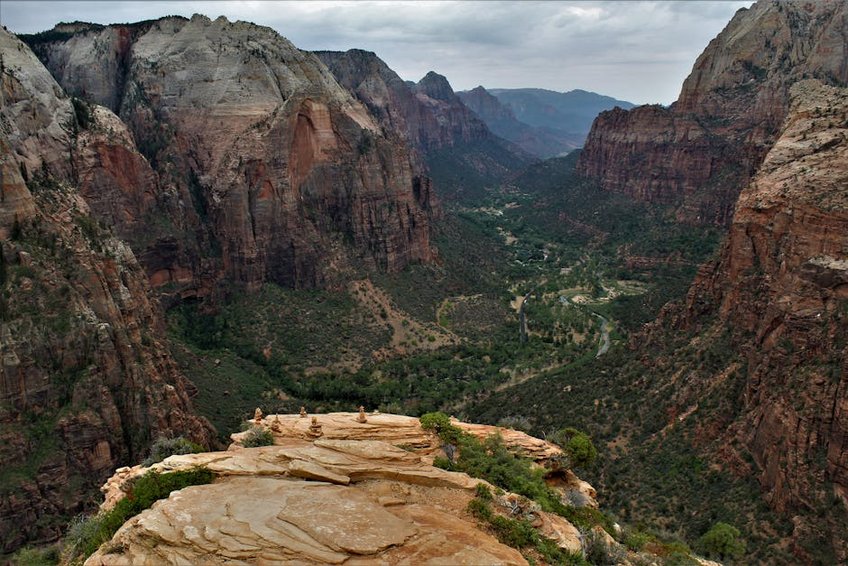
USA Zion National Park Angels Landing: Conquer Utah’s Iconic Adventure
Angels Landing in USA Zion National Park delivers one of America’s most thrilling day hikes, combining dramatic 1,500-foot sandstone cliffs with panoramic views across Zion Canyon. This strenuous 5.4-mile round-trip adventure features a legendary chain-assisted ridge walk that rewards prepared hikers with unforgettable Southwest scenery. Our guide covers essential permits, safety protocols, seasonal timing, and practical tips for maximizing your experience on this iconic Utah trail.
Essential Zion National Park Information
Zion National Park protects 229 square miles of dramatic canyon country in southwestern Utah, established as a national park in 1919. The park’s unique geography features towering Navajo sandstone cliffs, narrow slot canyons, and the Virgin River carving through the landscape. Visitor numbers exceed 4 million annually, with spring and fall offering the most comfortable hiking conditions.
The park operates a mandatory shuttle system from March through November for the Zion Canyon Scenic Drive, reducing traffic congestion and environmental impact. Private vehicles can access this area only during winter months, making advance planning essential for any Zion itinerary. Shuttle tickets are free with park admission but require timed reservations during peak seasons.
Park Regulations and Safety Protocols
Understanding Zion’s rules ensures both safety and preservation of this fragile ecosystem.
- All Angels Landing hikers must obtain permits through the seasonal lottery system, with rangers checking documentation at Scout Lookout before the chain section.
- Carry minimum one liter of water per person for every two hours of hiking, plus electrolyte supplements during summer heat exceeding 100°F (38°C).
- Stay on designated trails to protect cryptobiotic soil crusts and prevent erosion damage to the delicate desert environment.
- Budget option: $25-50 covers park entry, permit fees, and basic water/snacks, utilizing campground lodging at $20-30 nightly and preparing your own meals.
- Mid-range option: $75-150 includes quality hiking boots, moisture-wicking clothing, guided shuttle services, and comfortable Springdale hotels averaging $120-180 per night.
- Luxury option: $200-400 encompasses guided hiking tours, premium gear rentals, fine dining, and upscale lodge accommodations with Zion Canyon views starting at $250 nightly.
- National Park Service – Zion National Park
- Zion Canyon Visitors Bureau
Angels Landing Trail Specifics
The Angels Landing hike begins at the Grotto shuttle stop, climbing 1,488 feet through Walter’s Wiggles switchbacks before reaching Scout Lookout. This initial 2.1-mile section gains elevation steadily on paved and well-maintained paths suitable for most able-bodied hikers. The final half-mile chain section requires upper body strength and presents significant exposure not recommended for those with height concerns.
Hikers typically complete the full round-trip in 3-5 hours depending on fitness levels and crowds at the narrow sections. The trail sees its highest usage between 9 AM and 2 PM, creating bottlenecks at the chains where passing becomes challenging. Early morning starts before 8 AM provide cooler temperatures and significantly reduced congestion throughout the experience.
Geology and Natural History
Zion’s iconic cliffs formed over 200 million years through sedimentation, uplift, and erosion processes creating the dramatic landscape. The Angels Landing ridge represents a classic example of a fin formation, where softer rock eroded away leaving the durable sandstone spine. Native Southern Paiute people inhabited this area for centuries before Mormon settlers arrived in the 1860s, naming the promontory Angels Landing for its heavenly appearance.
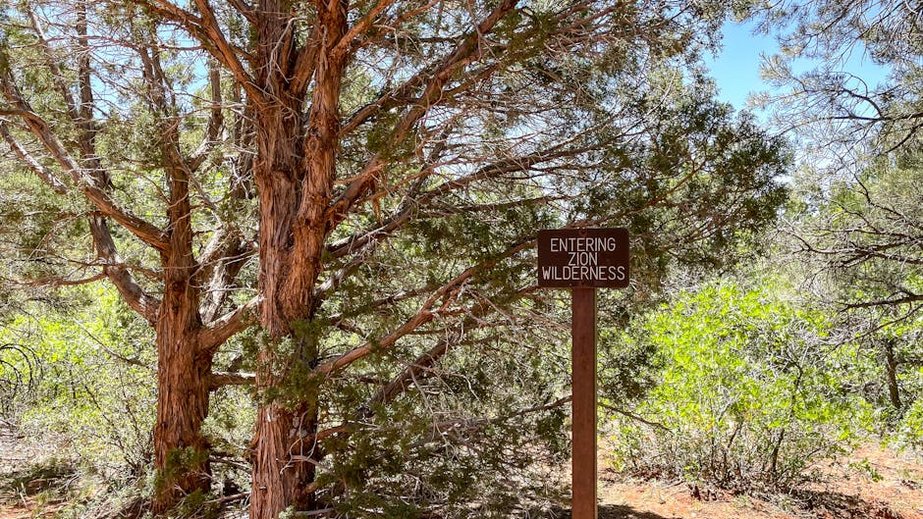
Alt: “angels-landing-trail-zion-national-park-chain-section-cliffs”
USA Zion National Park Angels Landing – Planning Your Trip
Successful Angels Landing adventures require careful preparation around permits, physical conditioning, and seasonal considerations. The park implemented a permit system in 2022 to manage overcrowding on the dangerous chain section, with applications accepted through Recreation.gov. Physical preparation should include regular cardiovascular exercise and upper body strength training for the chain-assisted climbing sections.
Budget for park entrance fees, potential guided tour costs, appropriate hiking gear, and accommodations in Springdale or nearby communities. The permit lottery charges a non-refundable $6 application fee for seasonal draws, with successful applicants paying an additional $3 per person fee. Day-before lottery opportunities exist for spontaneous travelers, though competition remains intense throughout the hiking season.
Best Time to Visit Zion National Park for Angels Landing
April through May and September through October deliver optimal conditions with daytime temperatures between 60-80°F (15-27°C) and minimal precipitation. Summer months from June to August bring extreme heat often exceeding 100°F (38°C), requiring pre-dawn starts and carrying extra water. Winter hiking presents unique challenges with potential ice on the chains, requiring traction devices and careful monitoring of weather forecasts.
Shoulder seasons offer the ideal balance of manageable temperatures, reasonable crowd levels, and reliable trail conditions. March and November present variable conditions with possible snow at higher elevations but significantly fewer visitors. Holiday weekends and Utah school breaks create peak congestion regardless of season, making mid-week visits preferable for solitude.
Budget Planning and Costs
Angels Landing hiking costs vary significantly based on equipment needs and accommodation preferences.
Essential Preparation Checklist
Proper gear makes the difference between an enjoyable adventure and a dangerous situation on this exposed trail. Essential items include sturdy hiking shoes with grip soles, at least two liters of water, high-energy snacks, sun protection, and a small first-aid kit. Trekking poles provide stability on the initial switchbacks but must be stowed during the chain section where hands need freedom.
Documentation requirements include your printed or digital permit, photo ID matching the permit name, and national park pass if applicable. Book accommodations 3-6 months in advance for peak season visits, with shuttle reservations secured immediately upon release. Physical conditioning should incorporate stair climbing, balance exercises, and exposure to heights if possible to build confidence for the chain section.
Top Zion National Park Attractions and Activities
Beyond Angels Landing, Zion National Park offers diverse experiences from river wading to canyon exploration across its distinct regions. The Zion Canyon area contains the park’s most famous features, including the Narrows, Emerald Pools, and Weeping Rock accessible via the shuttle system. Kolob Canyons in the northwest section provides spectacular hiking with fewer visitors, while the Zion-Mount Carmel Highway offers stunning drives and tunnel experiences.
Ranger-led programs operate throughout the year, covering topics from geology to wildlife spotting with morning and evening options. The Zion Human History Museum near the south entrance provides excellent context about indigenous cultures and settlement history. Various outfitters in Springdale offer guided canyoneering, climbing, and photography tours for those seeking expert-led adventures beyond standard hiking.
Must-See Highlights
The Narrows represents Zion’s most unique hiking experience, wading through the Virgin River between towering sandstone walls. This water trail requires special gear during cooler months but offers refreshing summer alternative to hot canyon hikes. Rangers provide current conditions and flash flood risk assessments each morning at the visitor center.
Emerald Pools Trail network delivers accessible beauty with upper, middle, and lower pools fed by seasonal waterfalls. This moderately easy 3-mile loop suits families and those seeking less strenuous options than Angels Landing. Observation Point via East Mesa Trail provides spectacular canyon views from above Angels Landing for those who missed permits or prefer less exposure.
Hidden Gems and Local Favorites
Canyon Overlook Trail delivers maximum scenic reward for minimal effort with its one-mile round-trip to breathtaking perspectives. This easily missed trailhead sits just east of the Zion-Mount Carmel Tunnel, offering sunrise photography opportunities without crowds. The parking area fills quickly, making early arrival essential for this local favorite.
Taylor Creek Trail in Kolob Canyons follows a perennial stream past historic cabins to Double Arch Alcove through stunning box canyon scenery. This moderate 5-mile round-trip sees significantly fewer visitors than main canyon trails while delivering comparable scenic beauty. Check road conditions before visiting as Kolob Canyon Road occasionally closes during winter months.
Family-Friendly Zion Alternatives
Pa’rus Trail provides paved accessibility along the Virgin River with bicycle and stroller-friendly design perfect for all ages. This 3.5-mile round-trip begins at the visitor center, connecting to canyon shuttle stops with minimal elevation gain. Riverside Walk serves as the gateway to the Narrows, offering flat, paved one-mile access to the river’s edge with interpretive signage.
Practical Zion National Park Travel Information
Zion National Park’s logistics center around Springdale, Utah, the gateway community offering comprehensive services, dining, and accommodations. The park maintains two primary entrances – south entrance near Springdale and east entrance connecting to Highway 9 – with the Kolob Canyons entrance providing separate access. Most visitors fly into Las Vegas McCarran International Airport (LAS), 160 miles southwest, or Salt Lake City International Airport (SLC), 300 miles north.
Springdale offers shuttle service to the park entrance, eliminating parking challenges during busy seasons when lots fill by 8 AM. Rental cars provide flexibility for exploring beyond the main canyon, though they’re unnecessary for Zion Canyon itself during shuttle operation months. The park’s campgrounds and lodges book months in advance, while Springdale accommodations require 2-4 months notice for peak season reservations.
| Accommodation Type | Location and Features | Price Range (USD) |
|---|---|---|
| Campgrounds | South and Watchman Campgrounds with restrooms, water, some electric hookups | $20-30 per night |
| Springdale Hotels | Walking distance to park entrance, pools, restaurants, shuttle access | $150-300 per night |
| Vacation Rentals | Homes and cabins in Springdale and Rockville with kitchens, multiple bedrooms | $200-500 per night |
| Luxury Lodges | Zion Lodge inside park and upscale resorts with spa services, fine dining | $300-600 per night |