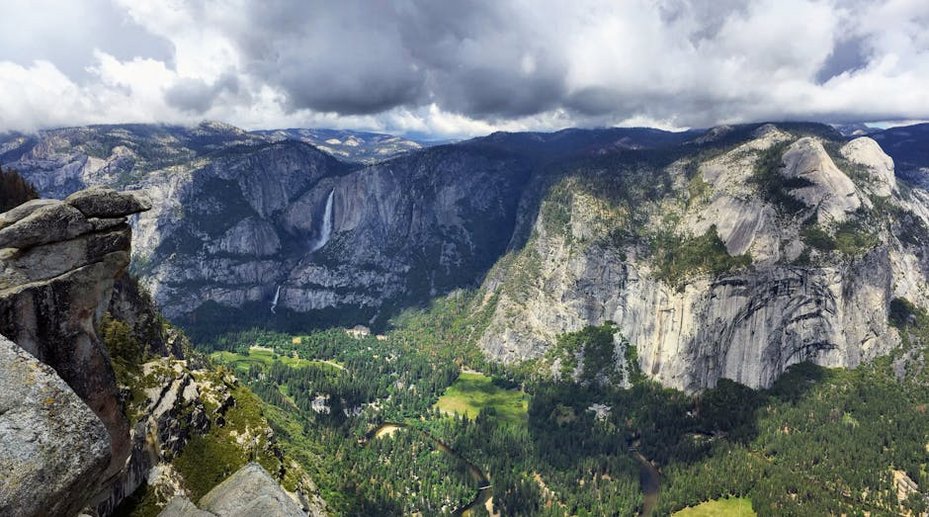
Complete USA Yosemite Half Dome Hike Guide 3 Tips

USA Yosemite Half Dome Hike: Conquer the Iconic Summit

The USA Yosemite Half Dome Hike challenges adventurers with its famous cable ascent and panoramic Sierra Nevada views from 8,839 feet elevation. This strenuous 14-16 mile round trip gains 4,800 feet elevation through diverse terrain from Mist Trail waterfalls to granite domes. Proper planning for permits, fitness, and seasonal conditions ensures a safe and rewarding Yosemite National Park experience.

Essential Yosemite National Park Information

Yosemite National Park spans 1,187 square miles across California’s Sierra Nevada mountains with granite cliffs and giant sequoia groves. Established in 1890, the park hosts over four million annual visitors exploring landmarks like El Capitan and Glacier Point. Summer temperatures range 50-90°F (10-32°C) with afternoon thunderstorms common in July and August.

What Makes Half Dome Unique

Half Dome’s distinctive shape resulted from glacial erosion exposing granite formations over millions of years. The final 400-foot cable section requires upper body strength and careful footing on polished granite. Hikers encounter diverse ecosystems from Merced River riparian zones to subalpine forests during the ascent.

Physical and Mental Requirements

This demanding hike requires excellent cardiovascular fitness and previous long-distance hiking experience. Prepare for 10-14 hours continuous exertion with significant elevation gain and potential dehydration. Mental resilience helps manage exposure on cables and unpredictable mountain weather changes.

Key Safety Considerations

Check daily weather forecasts thoroughly since lightning risk closes the cables frequently during summer storms. Carry microspikes for early season hikes when ice persists on granite surfaces. Hydration systems should hold 3-4 liters minimum with electrolyte supplementation for sodium loss.

USA Yosemite Half Dome Hike – Planning Your Adventure

Successful USA Yosemite Half Dome Hike preparation involves securing competitive permits months ahead through the National Park Service lottery system. Physical training should emphasize stair climbing with weighted packs and grip strength exercises for the cable sections. Booking Yosemite Valley lodging early ensures convenient trailhead access before dawn starts.

Best Time to Visit Yosemite

Ideal hiking conditions occur from late May through early October when cables are installed and daytime temperatures average 60-80°F (15-27°C). July and August offer longest daylight but encounter afternoon thunderstorms and peak visitor crowds. September provides cooler 50-70°F (10-21°C) temperatures with fewer hikers on the trail.

Budget Planning and Costs

Budget ranges vary significantly based on gear ownership and accommodation preferences.

  1. Budget option: $150-300 covers park entry $35, wilderness permit $10, camping $26-36, and bringing your own food and equipment.
  2. Mid-range option: $400-700 includes Curry Village tent cabin $140, guided hike preparation $200, rental equipment $75, and restaurant meals.
  3. Luxury option: $800-1,200 features Ahwahnee Hotel lodging $500, private guiding services $400, and premium gear rentals with transportation.
  4. Essential Preparation Checklist

    Break in hiking boots thoroughly with multiple long training hikes carrying your planned pack weight. Test all gear including headlamps, navigation devices, and water filtration systems before departure. For more details, read our Yosemite hiking tips guide covering additional preparation strategies.
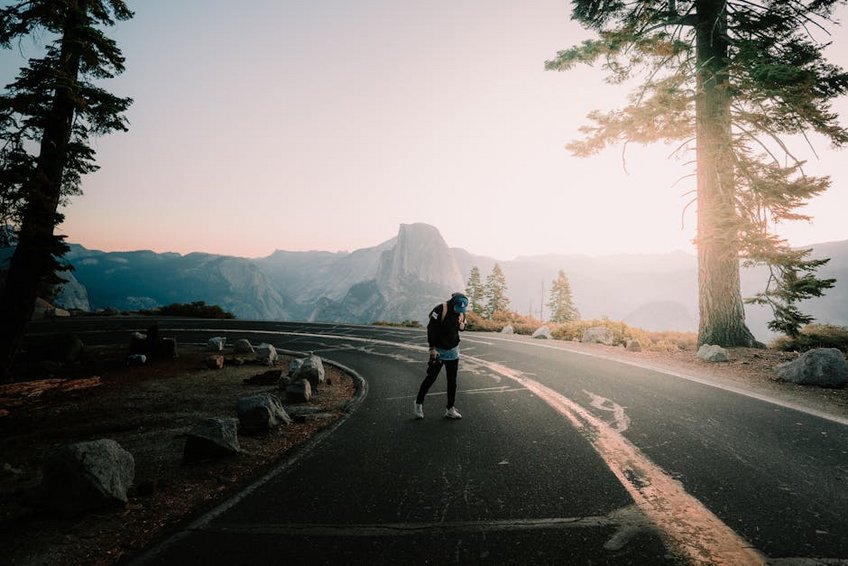
    USA Yosemite Half Dome Hike

    Alt: “yosemite-half-dome-cables-ascend-granite-dome”

    Top Yosemite Attractions and Activities

    Yosemite Valley contains numerous iconic landmarks beyond Half Dome including El Capitan’s 3,000-foot granite face and Bridalveil Fall’s 620-foot cascade. The park’s 800 miles of trails accommodate various fitness levels from paved valley loops to strenuous backcountry routes. Ranger-led programs offer educational opportunities about geology, wildlife, and conservation efforts.

    Must-See Park Highlights

    Glacier Point delivers spectacular Half Dome views from 3,200 feet above the valley floor via 4-mile round trip hike. Yosemite Falls ranks North America’s tallest at 2,425 feet with best flow in May and June from snowmelt. Mariposa Grove protects 500 mature giant sequoias including the 3,000-year-old Grizzly Giant sequoia.

    Hidden Gems and Local Favorites

    Tuolumne Meadows’ high country offers pristine alpine scenery with fewer crowds than Yosemite Valley areas. Tenaya Lake provides stunning swimming opportunities with granite beach access along Tioga Road. Hetch Hetchy Reservoir’s O’Shaughnessy Dam trail features wildflower displays and waterfall views in spring.

    John Muir Trail Connections

    The Half Dome hike intersects with the famous John Muir Trail offering potential multi-day backpacking extensions. Consider combining with Clouds Rest for additional panoramic views at 9,926 feet elevation. Proper wilderness permits are required for overnight stays in Yosemite’s backcountry zones.

    Practical Yosemite Travel Information

    Yosemite National Park operates year-round with limited services during winter months from November through April. Summer visitation requires reservations for day entry between 6am and 4pm from May through September. Free shuttle buses operate in Yosemite Valley and to Mariposa Grove reducing traffic congestion.

    Getting There and Around

    Fly into Fresno Yosemite International Airport (FAT) located 65 miles from park entrance with rental car availability. Amtrak serves Merced station with connecting YARTS bus service directly to Yosemite Valley visitor areas. Parking fills completely by 9am summer mornings requiring early arrival or shuttle use.

    Where to Stay

    Yosemite Valley accommodations provide closest trailhead access but require reservations six months in advance for peak season. Wawona Hotel offers historic charm near Mariposa Grove with fewer crowds than valley locations. For last-minute options, check Recreation.gov for cancellation alerts on campgrounds and lodging.

    USA Yosemite Half Dome Hike

    Alt: “yosemite-valley-lodging-mountain-background-evergreen-trees”

    Yosemite Food and Cultural Experience

    Yosemite’s culinary scene ranges from casual food courts to fine dining with emphasis on sustainable and locally sourced ingredients. The park’s cultural history includes Native American heritage dating back 8,000 years with Miwok and Paiute traditions. Contemporary conservation efforts continue John Muir’s legacy through educational programs and wilderness protection.

    Local Cuisine and Must-Try Dishes

    Ahwahnee Dining Room serves seasonal California cuisine with stunning views of Glacier Point and Yosemite Falls. Degnan’s Kitchen offers quick sandwiches and salads perfect for early morning hike preparations. The Mountain Room Restaurant features sustainable seafood and steak options near Yosemite Valley Lodge.

    Cultural Tips and Etiquette

    Respect wildlife by maintaining 100-foot distance from bears and never feeding any animals in the park. Practice Leave No Trace principles by packing out all trash and staying on designated trails. Tipping 15-20% applies at sit-down restaurants while shuttle drivers appreciate small gratuities.

    Wildlife Viewing Guidelines

    Black bears frequent Yosemite Valley requiring proper food storage in provided bear lockers at all times. Mule deer graze meadows at dawn and dusk while bobcats and coyotes remain more elusive. Always use binoculars for observing animals without approaching or disturbing natural behaviors.

    Sources and References

    • National Park Service Yosemite
    • Yosemite Mariposa County Tourism
    • Frequently Asked Questions

      When is the best time to visit Yosemite for Half Dome hiking?

      Visit between late May and early October when cables are installed and temperatures range 50-80°F (10-27°C). July and August offer longest daylight but encounter afternoon thunderstorms. September provides cooler conditions with fewer permits required after Labor Day.

      How much does the Half Dome hike cost?

      The Half Dome experience costs $150-1,200 depending on accommodation and gear choices. Park entry is $35, wilderness permits cost $10, and camping runs $26-36 nightly. Guided trips add $200-400 while luxury lodging exceeds $500 per night.

      How many days do you need for Yosemite Half Dome?

      Plan 2-3 days minimum to acclimate to elevation and complete the 14-16 hour hike safely. Arrive one day early for altitude adjustment and permit verification. Add extra days for weather delays or exploring other Yosemite attractions.

      How do you get to Yosemite National Park?

      Fly into Fresno Yosemite International (FAT) or Mammoth Lakes (MMH) airports with 2-3 hour drives to park entrances. Amtrak serves Merced with connecting YARTS bus service directly to Yosemite Valley. Rental cars provide flexibility but require early parking arrival.

      Where should you stay for the Half Dome hike?

      Stay in Yosemite Valley at Curry Village or Yosemite Valley Lodge for closest trailhead access. These locations require reservations 6-12 months in advance for summer dates. Alternative options include Wawona or El Portal with longer shuttle rides.

      Is Yosemite safe for hikers?

      Yes, Yosemite maintains excellent safety records with regular ranger patrols and emergency services. Follow posted warnings about weather, wildlife, and trail conditions. Proper preparation and equipment prevent most issues on the Half Dome route.

      Do you need special preparation for Half Dome?

      Yes, you need hiking permits, sturdy footwear, and grip strength for the cable sections. Reserve permits months ahead through the lottery system. Physical training should include stair climbing with weighted packs and altitude exposure if possible.

      Completing Your Yosemite Adventure

      Yosemite’s Half Dome delivers unparalleled Sierra Nevada vistas through careful preparation and respect for mountain environments. Your USA Yosemite Half Dome Hike succeeds with permit acquisitions 4-6 months ahead, physical conditioning emphasizing endurance, and flexible scheduling for weather variations. Which section of the trail interests you most for personal achievement?

      Related Stories

      spot_img

      Discover

      South Korea Jinhae Cherry Blossom Festival: 3 Essential

      South Korea Jinhae Cherry Blossom Festival: Your Guide to the Pink Canopy The South Korea...

      2026 Current India Jaipur Rose Festival Routes

      India Jaipur Rose Festival: A Guide to the Blossoming Celebration The India Jaipur Rose Festival...

      Ultimate Nepal Holi Festival Kathmandu Guide 12 Tips

      Nepal Holi Festival Kathmandu: A Guide to Celebrating the Festival of Colors Celebrating the Nepal...

      Philippines Moriones Festival Marinduque: 12 Ultimate

      Philippines Moriones Festival Marinduque Experiencing the Philippines Moriones Festival Marinduque offers a profound dive into...

      Top Indonesia Nyepi Silence Day Bali Guide 5 Tips

      Indonesia Nyepi Silence Day Bali Nyepi, the Balinese Day of Silence, transforms the vibrant island...

      Complete Vietnam Hue Festival Cultural Events Journey 3 Tips

      Vietnam Hue Festival Cultural Events The Vietnam Hue Festival cultural events represent a spectacular biennial...

      Popular Categories

      Comments

      LEAVE A REPLY

      Please enter your comment!
      Please enter your name here

    Accommodation Type Features and Locations Price Range (USD)
    Campgrounds Upper Pines, Lower Pines, North Pines with restrooms and bear lockers $26-36 per night
    Lodges Yosemite Valley Lodge, Curry Village with heating and dining $250-400 per night
    Premium Hotels Ahwahnee Hotel with fine dining and historic architecture $500-900 per night
    Backcountry Camping Wilderness permits required, no facilities, bear canister mandatory $10 permit plus $35 park entry