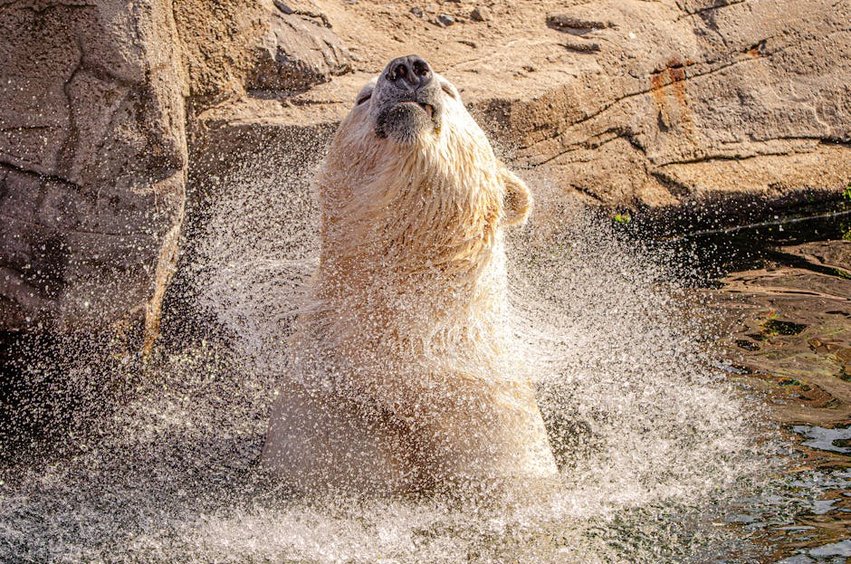
Churchill Manitoba Polar Bear Town: Arctic Wildlife Adventure
Churchill Manitoba Polar Bear Town offers unparalleled access to wild polar bears in their natural Arctic habitat along Hudson Bay. You can observe these majestic creatures from specialized tundra vehicles during peak season from October to November when bears gather near the coast. This guide covers essential planning tips, budget considerations, and unique experiences for your Arctic wildlife journey.
Essential Churchill Information
Churchill sits on the western shore of Hudson Bay in Manitoba, Canada, known globally as the Polar Bear Capital of the World. The town’s population of approximately 900 residents hosts thousands of visitors annually during bear viewing season. Its subarctic climate features extreme temperatures from -40°F in winter to 70°F in summer.
Historically, Churchill served as a strategic military site and remains an important shipping port for grain exports. The area’s ecosystem supports polar bears, beluga whales, Arctic foxes, and numerous bird species. Indigenous communities including Inuit and Cree have inhabited this region for thousands of years.
What You Need to Know
These key facts will help you understand Churchill’s unique characteristics before visiting.
- Churchill experiences polar night from December to January with only 4-5 hours of daylight, while summer brings midnight sun conditions with nearly 24-hour daylight in June.
- The town sits at the convergence of three major biomes: marine, boreal forest, and Arctic tundra, creating exceptional biodiversity despite harsh conditions.
- Polar bear season peaks October-November when bears migrate toward the freezing bay, while beluga whales arrive June-August in the thousands.
- Budget travelers should plan $1,500-$2,500 for 3-4 days, including hostel accommodations, one tundra buggy day tour, and self-catered meals while booking flights 6 months ahead for lowest fares.
- Mid-range visitors typically spend $3,500-$5,000 for 5-7 days with hotel packages including multiple guided tours, some meals, and airport transfers through specialized operators like Frontiers North.
- Luxury experiences range $6,000-$10,000+ featuring lodge stays with all meals, private guides, helicopter tours, and specialized photography workshops with professional instruction.
- Travel Manitoba Official Tourism Site
- Polar Bears International Conservation Organization
Key Details
Churchill’s remote location creates unique travel considerations different from typical destinations. The town is accessible only by air or train since no roads connect it to other Canadian cities. Flights from Winnipeg take approximately two hours, while the train journey covers 1,000 miles over 48 hours through stunning wilderness.
Weather dictates all activities in Churchill, with temperatures ranging from 30°F to -40°F (-1°C to -40°C) during peak bear viewing season. Proper cold-weather gear is essential, including insulated boots rated to -40°F, layered clothing systems, and face protection. Always book tours with licensed operators for safety around wildlife.
Wildlife and Environment
Beyond polar bears, Churchill’s ecosystem supports approximately 3,000 beluga whales that summer in the Churchill River estuary. The Aurora Borealis appears 300 nights annually, with optimal viewing from January through March. Birdwatchers can spot 270 species, including snowy owls and gyrfalcons.
The tundra environment features permafrost, dwarf shrubs, and wildflowers during brief summers. Conservation efforts focus on protecting polar bear habitats through regulated tourism and research programs. Visitors contribute to these efforts through tour fees and adherence to wildlife viewing guidelines.
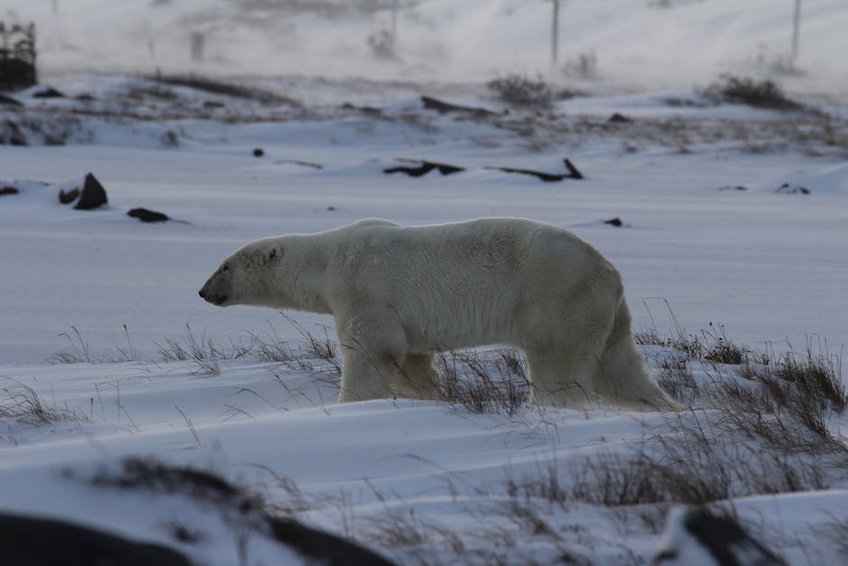
Alt: “churchill-manitoba-tundra-buggy-polar-bear-viewing-arctic”
Planning Your Canada Churchill Manitoba Polar Bear Town Trip
Your Canada Churchill Manitoba Polar Bear Town adventure requires careful timing and reservation planning due to limited capacity and seasonal accessibility. Most visitors focus on October and November for bear viewing, though each season offers distinct wildlife experiences. Booking six to twelve months ahead ensures availability for accommodations and specialized tours.
Budget considerations should include the higher costs associated with remote Arctic travel, with package tours ranging from $3,000 to $8,000 per person. Independent travel requires coordinating flights, hotels, and separate tour bookings, which can reduce costs but increase planning complexity. Travel insurance with polar region coverage is essential for weather-related cancellations.
Physical preparation involves assessing mobility for tundra vehicle access and cold tolerance for extended outdoor exposure. Most operators provide extreme cold weather gear, but personal base layers and photography equipment require advance planning. Document needs include passports for international visitors and any required visas for entry to Canada.
Best Time to Visit Churchill
Visit Churchill between October 15 and November 15 for prime polar bear viewing as bears congregate along the coast awaiting sea ice formation. Daytime temperatures range from 20°F to -10°F (-7°C to -23°C) with occasional snowfall. This peak season offers guaranteed bear sightings but requires booking 9-12 months in advance.
Shoulder seasons provide alternative experiences with June through August featuring 5,000-10,000 beluga whales and moderate temperatures of 40-60°F (4-16°C). January through March delivers spectacular Northern Lights viewing with temperatures between -10°F and -30°F (-23°C to -34°C). Each season demands different preparation and offers unique photographic opportunities.
Budget Planning and Costs
Churchill travel falls into three primary budget categories with these approximate per person costs.
Essential Preparation Checklist
Pack multiple thermal layers including merino wool base layers, insulated mid-layers, and windproof outer shells rated below -20°F. Essential gear includes insulated waterproof boots, heavy mittens, balaclavas, and quality sunglasses for snow glare protection. Camera equipment needs weather protection and extra batteries that function in extreme cold.
Required documentation includes valid passports with at least six months validity for international visitors, with US citizens not needing visas for stays under 180 days. Book comprehensive travel insurance covering weather disruptions, medical evacuation, and trip cancellation. Make all reservations 6-12 months in advance, especially for October-November peak season.
Top Attractions and Activities
Churchill’s primary draw remains polar bear viewing through licensed tundra vehicle tours that provide safe access to bear habitats. Beyond bears, summer brings beluga whale snorkeling and kayaking adventures in the Churchill River estuary. The Northern Lights season from January through March offers some of the world’s most reliable aurora viewing opportunities.
Cultural experiences include visiting the Itsanitaq Museum with its extensive Inuit artifact collection and learning about Indigenous history at the Parks Canada interpretative center. Dog sledding operations offer traditional transportation experiences, while bird watching tours access diverse species across tundra and coastal environments. Each activity showcases different aspects of this unique subarctic community.
Must-See Highlights
Tundra buggy tours provide the safest polar bear viewing, with full-day excursions departing Churchill daily during peak season. These specialized vehicles transport visitors across the fragile tundra to bear congregation areas near the coast. Tours typically cost $400-600 per person and include lunch, with photography platforms offering elevated perspectives.
The Churchill Northern Studies Centre offers educational programs and overnight stays for those interested in Arctic research and conservation. Beluga whale tours operate June through August, with boat-based viewing or in-water snorkeling experiences costing $150-300. The Aurora Dome at the Northern Studies Centre provides heated viewing for Northern Lights from January to March.
Hidden Gems and Local Favorites
Visit Cape Merry for historic stone fortifications and exceptional views of the Churchill River estuary without tour fees. The nearby Miss Piggy aircraft wreck provides unique photography opportunities just outside town, accessible via local taxi services. These sites receive fewer visitors than main attractions but offer authentic Churchill experiences.
Local guides know secret polar bear viewing spots along the coast reachable via smaller vehicles when conditions permit. The Churchill River system offers incredible kayaking through pristine waterways with opportunities to see seals and coastal birds. Community events like the Northern Lights Festival in February provide cultural immersion beyond standard tourist activities.
Polar Bear Viewing Tips
Book tundra buggy tours with established operators like Frontiers North or Great White Bear Tours for guaranteed wildlife sightings and safety protocols. Morning tours often provide better lighting for photography, while afternoon excursions might encounter more active bear behavior. Always follow guide instructions regarding distance from wildlife and vehicle protocols.
Dress in layers despite vehicle heating since viewing platforms expose you to Arctic winds and temperatures. Bring lens cloths for camera equipment to prevent fogging when transitioning between heated interiors and cold exteriors. Patience rewards photographers with unique behavioral shots as bears interact naturally in their environment.
Practical Travel Information
Churchill’s remote location requires careful logistics planning with limited transportation options available year-round. Flights from Winnipeg International Airport serve Churchill Airport (YYQ) daily, while the Via Rail train from Winnipeg offers a scenic 48-hour alternative. Within Churchill, walking suffices for town exploration, while taxis and tour operators provide access to outlying areas.
Accommodation ranges from basic hostels to comfortable hotels and full-service lodges, with prices reflecting Arctic remoteness and limited capacity. Dining options include local restaurants serving Canadian classics and Arctic specialties, though grocery stores carry premium-priced items due to transportation costs. Advance reservations remain essential for all services.
| Accommodation Type | Features | Price Range (USD) |
|---|---|---|
| Lodge | All-inclusive packages, guided tours, meals included | $400-800/night |
| Hotel | Private bathrooms, restaurant, central location | $200-400/night |
| Bed & Breakfast | Local hosts, home-cooked breakfast, personal service | $150-250/night |
| Hostel | Shared facilities, kitchen access, budget-friendly | $80-120/night |