Surf Canada’s Vancouver Island: Tofino Surfing Adventures
Canada Vancouver Island Tofino surfing offers world-class waves in a stunning Pacific Northwest setting, combining reliable surf conditions with breathtaking coastal scenery. This destination delivers consistent swells year-round, accessible breaks for all skill levels, and a vibrant surf culture rooted in West Coast traditions. This guide covers essential planning details, top surf spots, accommodation options, and practical tips for your surfing adventure.
Essential Tofino Surfing Information
Tofino’s location on Vancouver Island’s west coast positions it directly in the path of North Pacific swells, creating reliable surfing conditions throughout much of the year. The area experiences a temperate maritime climate with water temperatures ranging from 45°F to 55°F (7°C to 13°C) annually. These conditions support a diverse surfing community and well-developed infrastructure for visitors.
Surf culture here dates back to the 1960s when early pioneers discovered the potential of these remote breaks. Today, Tofino maintains its authentic character while offering modern amenities, including surf schools, gear rentals, and comfortable accommodations. The town balances environmental conservation with recreational access through protected marine areas.
What Makes Tofino Unique
Several factors distinguish this surfing destination from other coastal areas.
- Tofino receives consistent swell from multiple directions, with winter months bringing larger waves from Aleutian low-pressure systems and summer offering smaller, cleaner conditions.
- The area features diverse break types including beach breaks, point breaks, and reef setups, accommodating beginners through advanced surfers across different locations.
- Cold water surfing requires proper equipment, with 4/3mm to 5/4mm wetsuits, boots, and gloves necessary for comfort in 45-55°F (7-13°C) water temperatures.
- Budget option: $75-125 daily covers hostel accommodations, grocery meals, and bring-your-own gear, focusing on free beach access and self-guided surfing at public breaks like Chesterman Beach.
- Mid-range option: $150-300 daily includes vacation rental stays, restaurant meals, and rental equipment from local shops, adding surf lessons and occasional guided sessions to your itinerary.
- Luxury option: $350-600+ daily features oceanfront resorts, fine dining, and private guiding services, incorporating premium equipment, photography packages, and spa treatments after surfing.
- Tourism Tofino Official Website
- Surfline Tofino Surf Guide
Key Surf Conditions and Seasons
Winter surfing runs from November through March, bringing larger swells averaging 4-8 feet with water temperatures around 45-48°F (7-9°C). These months attract experienced surfers seeking powerful waves, though conditions require thicker wetsuits and proper safety awareness. Storm systems can create challenging but rewarding surf sessions.
Summer conditions from June to September feature smaller 2-4 foot waves with cleaner conditions and warmer 52-55°F (11-13°C) water. This season suits beginners and intermediate surfers, with more consistent weather patterns and longer daylight hours. Shoulder seasons in spring and fall offer a balance between wave size and favorable weather.
Surf Culture and Community
Tofino’s surf community embraces both local residents and visiting enthusiasts, creating a welcoming atmosphere centered around ocean appreciation. Local surf shops and schools employ knowledgeable staff who provide current conditions updates and safety advice. The area hosts several surfing events annually, including competitions and environmental awareness initiatives.
Respect for First Nations traditions and marine conservation remains central to the surfing experience here. Many local operators participate in beach cleanups and environmental education programs. This cultural foundation enhances the overall adventure beyond just wave riding.
Canada Vancouver Island Tofino Surfing – Planning Your Trip
Proper planning ensures you maximize your time in the water while accommodating Tofino’s unique logistical considerations. The remote location requires advance arrangements for transportation, accommodation, and surf gear rentals. Your Canada Vancouver Island Tofino surfing experience benefits from careful timing and preparation for the variable coastal climate.
Booking accommodations 2-3 months ahead proves essential during peak seasons, particularly for summer visits and holiday weekends. The limited lodging inventory fills quickly, especially properties with ocean views or proximity to popular surf breaks. Consider your preferred balance between convenience and budget when selecting your base.
Best Time to Visit for Surfing
Visit between June and September for beginner-friendly conditions with smaller waves, warmer water, and more predictable weather patterns. Air temperatures range from 60-70°F (15-21°C) during these months, creating comfortable surfing sessions with 2-4 foot waves ideal for learning. These popular months require advanced bookings but offer the most accessible experience.
Advanced surfers prefer October through April when larger swells produce 4-8 foot waves and fewer crowds. Water temperatures drop to 45-50°F (7-10°C) during this period, requiring proper cold-water gear. This season delivers more powerful conditions but with increased rainfall and stronger winds.
Budget Planning and Costs
Surfing adventures here accommodate various budget levels through different approaches.
Essential Preparation Checklist
Pack appropriate cold-water surfing gear including a 4/3mm or 5/4mm wetsuit, booties, gloves, and hood for winter sessions. Bring multiple swimsuits, quick-dry towels, and reef-safe sunscreen to handle variable conditions between surf sessions. Consider purchasing a waterproof watch or camera to document your experience.
Arrange travel insurance covering adventure sports and verify your vehicle has all-season tires if driving during winter months. Book surf lessons or rentals at least two weeks ahead during peak season, and check tide charts and surf forecasts daily upon arrival. Familiarize yourself with local marine hazards including riptides and wildlife protocols.
Alt: “tofino-chesterman-beach-surfing-lessons-summer”
Top Surf Spots and Activities
Tofino’s coastline features numerous breaks suitable for different skill levels and preferences, spread across several accessible beach areas. The most popular spots offer consistent waves, convenient amenities, and stunning natural backdrops of old-growth forests and rocky islands. Local surf shops provide current conditions reports and recommendations based on daily swell patterns.
Beginner-friendly beaches like Cox Bay and Chesterman Beach feature gradual sandy bottoms and smaller waves, ideal for learning and practicing fundamental skills. Intermediate surfers find consistent peaks at Long Beach and Wickaninnish Beach, while advanced riders seek out more challenging breaks like Florencia Bay during larger swell events.
Must-See Surf Breaks
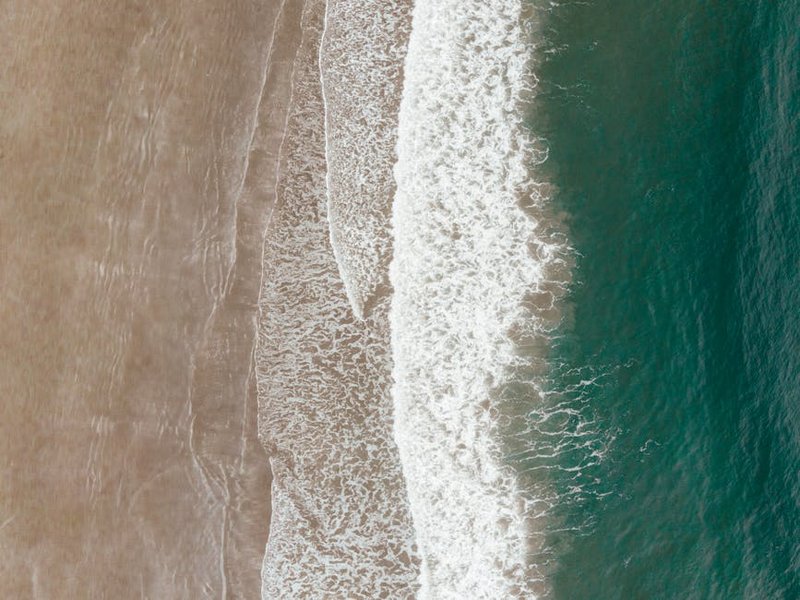
Chesterman Beach delivers reliable waves year-round with both left and right breaks across its expansive shoreline, accessible via a short walk from parking areas. This spot works well during mid to high tide, offering manageable 2-4 foot waves perfect for beginners and longboard enthusiasts. Several surf schools operate lessons here daily.
Long Beach within Pacific Rim National Park provides the area’s largest stretch of surfable coastline with multiple peaks working in different swell directions. This break handles larger winter swells effectively while offering smaller summer waves, accommodating various skill levels across its 10-mile length. Park entry requires a daily fee or annual pass.
Cox Bay features a powerful beach break that produces quality waves during larger swells, particularly popular among intermediate and advanced surfers. The southern end often creates longer rides while the northern section offers faster, more critical waves. Accommodations and restaurants sit within walking distance of this break.
Hidden Gems and Local Favorites
North Chesterman Beach beyond the rock outcrop often provides less crowded sessions with similar wave quality to the main beach area. Access requires walking around the point during low tide or taking the forest trail, rewarding visitors with more secluded surfing conditions. Local surfers frequent this spot during peak tourist seasons.
Incinerator Rock at the north end of Long Beach offers protection from prevailing winds, creating cleaner conditions when other spots become choppy. This area works particularly well during south swells, producing longer left-hand waves that appeal to intermediate surfers. Limited parking means arriving early during popular periods.
Surf Lessons and Equipment Rentals
Tofino surf schools offer beginner lessons starting at $75-120 for 2-3 hour sessions including all necessary equipment and instruction. These programs typically begin on the beach with safety orientation and basic technique before moving into the water with instructor support. Most operators provide wetsuits, boards, and booties as part of the package.
Equipment rentals range from $35-75 daily for surfboards and wetsuits, with package deals available for multi-day rentals. Several shops offer premium boards for experienced surfers including shortboards, fish shapes, and performance longboards. Rental staff provide current conditions advice and appropriate board recommendations based on your skill level.
Practical Travel Information
Reaching Tofino requires planning as it sits approximately 5 hours from Victoria on Vancouver Island’s remote west coast. Most visitors fly into Vancouver International Airport (YVR) then take a connecting flight to Tofino-Long Beach Airport (YAZ) or drive the scenic Highway 4. The journey itself forms part of the adventure through old-growth forests and mountain passes.
Accommodation options range from campgrounds and hostels to luxury resorts, with pricing varying significantly by season and proximity to beaches. Summer months command premium rates, while winter visits offer better value despite more challenging weather conditions. Booking directly with properties often provides cancellation flexibility.
| Category | Options/Features | Price Range (USD) |
|---|---|---|
| Budget Accommodation | Hostels, campgrounds with basic amenities, shared kitchens | $30-80 nightly |
| Mid-Range Accommodation | Vacation rentals, boutique hotels, breakfast included | $120-250 nightly |
| Luxury Accommodation | Oceanfront resorts, private cabins, spa services | $300-600+ nightly |
| Surf Package Deals | Accommodation + equipment + lessons bundled | $200-400 daily |