New Zealand Franz Josef Glacier Hike: Trending Adventure

New Zealand Franz Josef Glacier Hike: Exploring West Coast Ice Adventures

Hiking the New Zealand Franz Josef Glacier immerses you in a dynamic ice landscape where towering seracs and deep blue crevasses create an otherworldly environment accessible from the South Island’s rainforest corridor. This guided glacier experience combines moderate physical challenge with breathtaking alpine scenery, requiring proper equipment and weather-aware planning for safe exploration. Our guide covers seasonal timing, gear essentials, accommodation options, and cultural context to maximize your West Coast adventure.

Essential Glacier Information

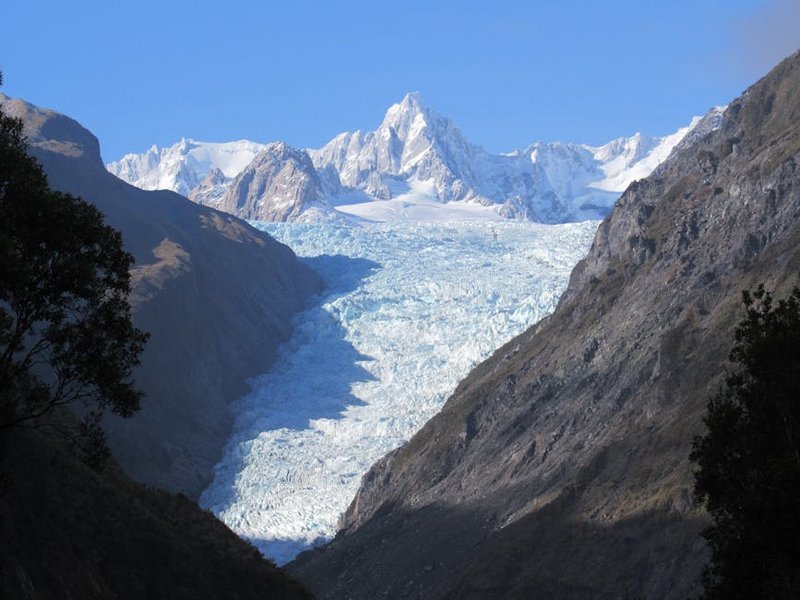
Franz Josef Glacier flows 12 kilometers from the Southern Alps into temperate rainforest, creating a unique ecosystem where ice meets lush vegetation at 300 meters above sea level. This rapidly changing glacier has retreated approximately 3 kilometers since the 1890s, yet remains one of New Zealand’s most accessible ice formations through authorized guiding companies. The Maori name Ka Roimata o Hine Hukatere translates to “The Tears of the Avalanche Girl,” reflecting indigenous legends about the glacier’s formation.

Geographical Context and Access

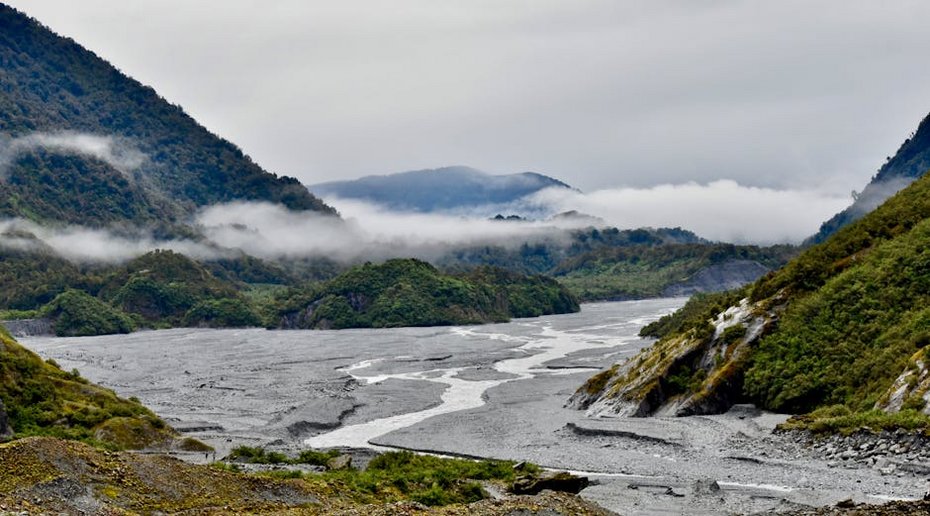
Located within Westland Tai Poutini National Park, the glacier terminal sits 5 kilometers from Franz Josef Village via well-maintained valley walking tracks. The access point requires crossing the Waiho River bed, where changing water levels dictate daily route variations managed by experienced guides. All glacier hiking occurs on guided tours due to safety concerns involving crevasses, ice falls, and variable weather conditions.

Climate and Weather Patterns

The West Coast microclimate generates approximately 5,000 millimeters of annual rainfall, creating the lush rainforest that surrounds the ice formation. Temperatures at the glacier face range from 35-55°F (2-13°C) during hiking seasons, with cooler conditions at higher elevations on the ice. Weather changes rapidly, with guides monitoring conditions hourly to determine safe access across the terminal moraine.

Glacier Dynamics and Change

Franz Josef Glacier exhibits unusual flow characteristics, moving up to 4 meters daily during warmer months compared to most glaciers advancing centimeters per day. Climate change has accelerated retreat patterns, with the terminal face receding 800 meters between 2008-2023 according to Department of Conservation monitoring. These changes require constant route adjustments by guiding companies to maintain visitor safety.

Planning Your New Zealand Franz Josef Glacier Hike

Organizing your Franz Josef Glacier hiking adventure involves selecting appropriate tour operators, understanding physical requirements, and booking accommodations well in advance during peak seasons. The glacier experience demands moderate fitness levels, with most tours involving 3-4 hours on ice after reaching the terminal face. Weather cancellations affect approximately 30% of booked tours annually, making flexible scheduling essential for successful glacier access.

Best Time to Visit Franz Josef Glacier

Prime hiking conditions occur between November and April, when temperatures range from 45-65°F (7-18°F) and rainfall decreases to 200-300mm monthly. December through February offers the most reliable weather windows, though these months also bring peak visitor numbers requiring 4-6 week advance bookings. Shoulder seasons in October and May provide smaller groups and available last-minute reservations, with slightly cooler temperatures of 40-55°F (4-13°C).

Budget Planning and Costs

Glacier hiking expenses vary significantly based on tour duration and inclusion of helicopter access.

  1. Basic valley walk tours cost $75-120 USD per person, covering 2-3 hours with certified guides and necessary safety equipment for terminal face viewing.
  2. Standard ice hiking experiences range $180-280 USD, including 4 hours on glacier ice, crampons, ice axes, and small group sizes up to 11 participants.
  3. Helihike packages cost $380-450 USD, combining scenic helicopter flights with 2 hours on upper glacier sections inaccessible by foot from the valley.
  4. Essential Preparation Checklist

    Packing appropriately ensures comfort and safety during your glacier adventure.
    • Waterproof jackets and pants rated for heavy rain, plus thermal layers suitable for 32-50°F (0-10°C) temperatures with moisture-wicking properties.
    • Sturdy hiking boots with ankle support, broken in before your tour, plus wool or synthetic socks that maintain warmth when wet.
    • Day pack containing 1-2 liters water, high-energy snacks, sunglasses with UV protection, sunscreen, and personal medications.
    • New Zealand Franz Josef Glacier Hike

      Alt: “franz-josef-glacier-ice-formations-guided-hike”

      Top Attractions and Activities

      Beyond the glacier itself, the Franz Josef area offers diverse natural attractions spanning rainforest walks, thermal pools, and nearby Fox Glacier comparisons. The village serves as adventure hub with helicopter flight options, kayaking opportunities, and access to coastal attractions along the Wild West Coast. Many visitors combine glacier experiences with trips to Lake Matheson’s famous mirror reflections or the Hokitika Gorge turquoise waters.

      Must-See Highlights

      Peter’s Pool provides stunning glacier reflections during calm conditions, located 1.5 kilometers from the village along an easy walking track suitable for all fitness levels. The Franz Josef Glacier Valley Walk extends 5.4 kilometers return to glacier viewing platforms, passing through regenerating rainforest with interpretive signs explaining glacial geology. Sentinel Rock lookout delivers panoramic views across the entire glacier terminal face, accessible via 20-minute climb from the car park.

      Hidden Gems and Local Favorites

      Tatare Tunnels offer adventurous exploration through historic gold mining waterways, requiring headlamps and waterproof gear for the dark, water-filled passages. Lake Wombat presents a serene swimming spot surrounded by native bush, known locally for its warm afternoon sun exposure despite the region’s frequent rainfall. The Canavans Knob Walk climbs through dense podocarp forest to elevated views over the Waiho River valley, typically less crowded than main glacier tracks.

      Guided Tours vs Independent Exploration

      Guided glacier hikes provide essential safety oversight, technical equipment, and route knowledge that independent visitors cannot access due to restricted ice areas. Helicopter-assisted tours reach pristine upper glacier sections featuring deep blue ice caves and towering seracs impossible to access via valley approaches. Independent hiking remains limited to valley walks and viewing platforms, with strict prohibitions against entering ice areas without certified guides.

      Practical Travel Information

      Reaching Franz Josef requires planning, as the village sits 3.5 hours drive from Queenstown and 4 hours from Christchurch along scenic but winding South Island highways. Accommodation options range from wilderness campsites to luxury lodges, though availability diminishes December through February without advance reservations. The compact village center contains essential services including supermarkets, fuel stations, medical clinic, and adventure booking offices.

      Getting There and Around

      Franz Josef Village connects via State Highway 6, with regular InterCity bus services from Christchurch (5 hours) and Queenstown (4.5 hours) operating multiple daily departures. Rental cars provide flexibility for exploring nearby attractions, though narrow mountain roads require cautious driving, especially during winter months when chains may become necessary. The nearest major airports include Hokitika (40 minutes drive) with connections to Christchurch, and Queenstown International Airport serving direct international flights.

      Where to Stay

      Village center accommodations place you within walking distance of tour operators, restaurants, and the glacier valley walk starting point, with prices averaging 20% higher than outlying options. Scenic View Road properties offer mountain panoramas and quieter settings 1-2 kilometers from the village, requiring vehicle access for tour pickups and dining. For extended stays, consider splitting time between Franz Josef and nearby Fox Glacier (30 minutes drive) to experience both West Coast ice formations with different guiding companies.

      New Zealand Franz Josef Glacier Hike

      Alt: “franz-josef-village-accommodation-mountain-backdrop”

      Food, Culture, and Local Experience

      Franz Josef’s dining scene reflects its international visitor base, featuring everything from casual burger bars to upscale New Zealand cuisine with local wine selections. The area’s gold mining history remains visible through preserved historic buildings and mining equipment displays along walking tracks near the village. Maori cultural significance permeates the landscape, with local iwi (tribes) maintaining strong connections to the glacier through traditional stories and environmental guardianship.

      Local Cuisine and Must-Try Dishes

      South Westland whitebait fritters represent regional specialty during spring season, served at local cafes with lemon wedges and bread for traditional preparation. Venison sourced from nearby high country stations appears on restaurant menus as steaks, burgers, and slow-cooked dishes highlighting New Zealand’s wild game traditions. Craft beer from West Coast breweries like Monteith’s pairs perfectly with post-hike meals, particularly their Black Beer or seasonal limited releases available at village pubs.

      Cultural Tips and Etiquette

      Respect Maori cultural protocols by not removing rocks or vegetation from sacred areas, particularly near the glacier which holds deep spiritual significance. Tipping remains uncommon in New Zealand, though exceptional guide service might warrant 5-10% gratuity at your discretion for particularly informative or safety-conscious glacier tours. Dress codes remain casual throughout the village, though proper hiking attire becomes essential for glacier access regardless of weather conditions at village level.

      Maori Heritage and Environmental Respect

      Local Ngai Tahu iwi consider the glacier tapu (sacred), with legends describing its formation from frozen tears of a young woman mourning her lost love. Climate change discussions occur frequently among guides and locals, with visitors encouraged to minimize environmental impact through responsible waste disposal and water conservation. The Department of Conservation manages extensive predator control programs to protect native species like the kea (alpine parrot), asking visitors not to feed wildlife.

      Sources and References

      • Department of Conservation New Zealand
      • Lonely Planet Franz Josef Guide
      • Frequently Asked Questions

        When is the best time to visit Franz Josef Glacier for hiking?

        Visit between November and April when temperatures range 45-65°F (7-18°C) and guided ice access remains most reliable. December through February offers longest daylight hours but requires advance bookings, while shoulder months provide smaller groups. Winter hiking occurs but involves more weather cancellations and colder conditions.

        How much does a Franz Josef Glacier hike cost?

        Guided glacier hikes cost $75-450 USD depending on duration and helicopter inclusion. Basic valley walks start at $75, while full ice experiences range $180-280, and helihikes combining flight and ice time cost $380-450. Prices include necessary safety equipment and certified guides.

        How many days do you need for Franz Josef Glacier?

        Plan 2-3 days minimum to account for weather variability affecting glacier access. This allows flexibility if tours cancel, plus time for valley walks, thermal pools, and nearby attractions. Extended stays of 4-5 days enable exploration of Fox Glacier and coastal areas.

        How do you get to Franz Josef Glacier?

        Fly into Christchurch (CHC) or Queenstown (ZQN) airports, then drive 4-5 hours via State Highway 6 or take scheduled bus services. The nearest small airport in Hokitika (HKK) connects via 40-minute drive, offering regional flights from Christchurch several times weekly.

        Where should you stay for Franz Josef Glacier hiking?

        Stay in Franz Josef Village center for walking access to tour operators and restaurants, with accommodation ranging $80-250 USD nightly. Properties along Scenic View Road offer mountain views 1-2km from village, requiring transport for tour pickups. Book 2-3 months ahead for peak season.

        Is Franz Josef Glacier safe for travelers?

        Yes, with certified guides providing necessary safety equipment and route knowledge. Independent glacier access remains prohibited due to crevasse dangers and rapidly changing conditions. Follow guide instructions precisely and disclose medical conditions during booking.

        Do you need special preparation for glacier hiking?

        Yes, you need sturdy hiking boots, waterproof layers, and moderate fitness for 4-6 hour tours involving uneven terrain. Book tours in advance during peak season, bring lunch and water, and have flexible plans for weather-related cancellations affecting 30% of trips.

        Final Glacier Adventure Considerations

        Franz Josef Glacier delivers remarkable alpine experiences through guided ice hiking amid spectacular Southern Alps scenery, with success depending on seasonal timing and weather-aware planning. Your New Zealand Franz Josef Glacier hike requires booking reputable operators months ahead for peak seasons, packing appropriate layers for changeable West Coast conditions, and maintaining itinerary flexibility. Which aspect of this dynamic ice environment most captivates your adventure interests?

        Related Stories

        spot_img

        Discover

        Perfect American Southwest Desert Wildflowers Adventure 12

        American Southwest Desert Wildflowers: Your Guide to the Seasonal Spectacle Witnessing the American Southwest desert...

        Complete China Luoyang Peony Festival Experience 12 Tips

        Luoyang Peony Festival: China's Spring Bloom Spectacle The annual Luoyang Peony Festival transforms this ancient...

        South Korea Jinhae Cherry Blossom Festival: 3 Essential

        South Korea Jinhae Cherry Blossom Festival: Your Guide to the Pink Canopy The South Korea...

        2026 Current India Jaipur Rose Festival Routes

        India Jaipur Rose Festival: A Guide to the Blossoming Celebration The India Jaipur Rose Festival...

        Ultimate Nepal Holi Festival Kathmandu Guide 12 Tips

        Nepal Holi Festival Kathmandu: A Guide to Celebrating the Festival of Colors Celebrating the Nepal...

        Philippines Moriones Festival Marinduque: 12 Ultimate

        Philippines Moriones Festival Marinduque Experiencing the Philippines Moriones Festival Marinduque offers a profound dive into...

        Popular Categories

        Comments

        LEAVE A REPLY

        Please enter your comment!
        Please enter your name here

      Accommodation Type Features and Location Price Range (USD)
      Wilderness Camping Department of Conservation sites with basic facilities, 2-5km from village $15-25 per night
      Hostels and Motels Private rooms with shared kitchens, village center locations $80-140 per night
      Mid-Range Hotels Ensuite bathrooms, on-site restaurants, glacier views $150-250 per night
      Luxury Lodges Helipads, spa facilities, guided activity packages included $400-600 per night