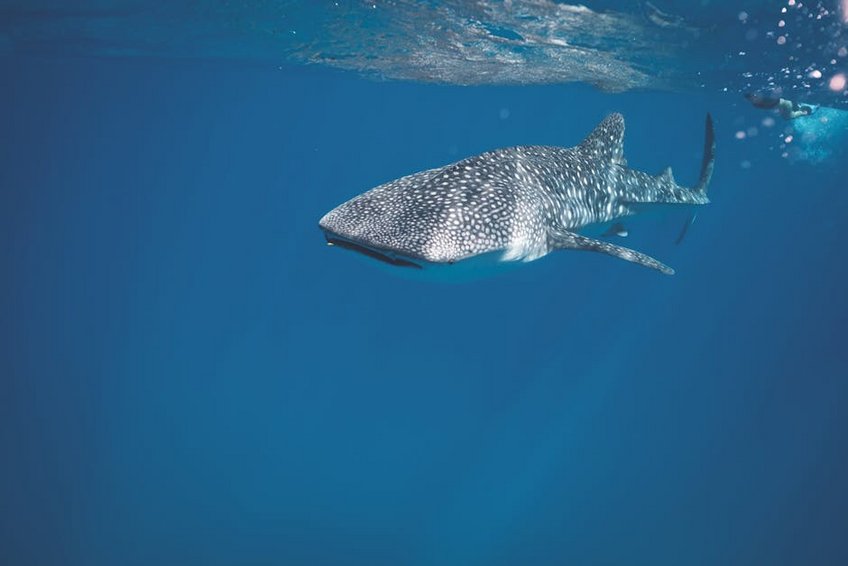
Mayotte Lagoon Snorkeling: Discover Pristine Marine Life
Mayotte offers world-class snorkeling within its protected lagoon, the largest enclosed lagoon in the Indian Ocean. This French overseas department provides accessible coral gardens teeming with vibrant fish, sea turtles, and dolphins just meters from shore. Your Mayotte Lagoon snorkeling adventure combines easy water access with remarkable biodiversity for an unforgettable tropical experience.
Essential Mayotte Information
Mayotte sits in the Mozambique Channel between Madagascar and the African coast. The island features a volcanic interior surrounded by a massive barrier reef creating the lagoon. This geography supports over 250 coral species and 2,000 marine organisms in clear, warm waters.
The territory became France’s 101st department in 2011 following a 2009 referendum. Local culture blends French administration with Mahoran traditions including music, dance, and Swahili influences. Visitors experience European infrastructure alongside Indian Ocean hospitality throughout their stay.
Geography and Climate Details
Understanding Mayotte’s physical characteristics helps plan your aquatic activities.
- The lagoon spans approximately 1,500 square kilometers with water temperatures consistently between 77-84°F (25-29°C) year-round.
- Two main islands comprise Mayotte: Grande-Terre and Petite-Terre, connected by regular ferry services operating every 30 minutes.
- Volcanic origins create dramatic underwater topography with drop-offs, caves, and canyons perfect for marine exploration.
- Budget travelers spend $70-100 daily staying in guesthouses, using public ferries, and snorkeling from public beaches with own gear.
- Mid-range visitors allocate $150-250 daily for beachfront hotels, rental cars, and guided snorkel tours including equipment.
- Luxury experiences cost $300-500+ daily featuring resort stays, private boat charters, and premium dive center services.
- Mayotte Tourism Official Website
- Lonely Planet Mayotte Travel Guide
Cultural Context and History
Mayotte’s unique position creates fascinating cultural intersections. French remains the official language while Shimaore and Kibushi serve as local vernaculars. The population maintains strong family traditions and Islamic religious practices dating back centuries.
European influence began with French colonization in 1841, though Arab and Persian traders visited much earlier. Today, the island balances modern European standards with traditional Comorian customs. Respect local dress codes, particularly outside tourist areas.
Marine Park Protection Status
The Mayotte Marine Natural Park protects the lagoon’s ecosystem since 2010. This designation ensures sustainable tourism practices and coral conservation efforts. Mooring buoys prevent anchor damage while guided tours educate visitors about preservation.
Park regulations prohibit touching marine life or removing any natural materials. These measures maintain pristine conditions for snorkeling and diving. Your visit directly supports ongoing conservation through park entry fees.

Alt: “mayotte-lagoon-coral-reef-tropical-fish-clear-water”
Planning Your Mayotte Lagoon Snorkeling Trip
Successful Mayotte Lagoon snorkeling requires strategic timing and thorough preparation. The dry season from May to November provides optimal visibility and calm sea conditions. You’ll need valid travel documents, appropriate gear, and advance bookings for the best experience.
European and US passport holders enjoy visa-free access for up to 90 days. Confirm your passport has six months’ validity beyond your departure date. Travel insurance covering water activities proves essential for peace of mind.
Best Time to Visit Mayotte for Snorkeling
Visit between July and October for prime snorkeling conditions with visibility exceeding 30 meters. Air temperatures range from 75-82°F (24-28°C) with minimal rainfall during these months. The water remains warm at 79-84°F (26-29°C) perfect for extended sessions.
Shoulder months of May-June and November still offer good conditions with fewer visitors. Avoid January-April during cyclone season when heavy rains reduce visibility. Morning sessions typically provide calmer waters before afternoon winds arrive.
Budget Planning and Costs
Budget strategically across these categories for your snorkeling vacation.
Essential Preparation Checklist
Pack reef-safe sunscreen, snorkel equipment, and protective clothing. Quality masks with silicone seals prevent leakage while fins enhance mobility in currents. Bring underwater cameras or GoPros for capturing marine encounters.
Secure European health insurance coverage since Mayotte follows French healthcare systems. Download offline maps and translation apps for navigating beyond tourist areas. Book accommodations three months early for peak season visits.
Top Snorkeling Spots and Activities
Mayotte’s lagoon presents countless snorkeling opportunities from shore and boat. The double barrier reef creates protected areas with minimal currents ideal for beginners. Advanced snorkelers find dramatic drop-offs and channel passages teeming with pelagic species.
Several marine preserves restrict boat traffic, preserving coral health and fish populations. These zones offer the most spectacular underwater viewing. Always check current conditions and heed local advice about water safety.
Must-See Highlights
Saziley Marine Park showcases exceptional biodiversity with regular turtle sightings. The protected bay features seagrass beds where green turtles feed daily. Visit during high tide for easiest water access from the sandy beach.
Passe en S snorkeling drift takes you through a channel with incoming ocean currents. This advanced spot delivers shark encounters and large fish aggregations. Local operators provide guided drifts with safety boats for this exhilarating experience.
N’Gouja Beach remains the most popular snorkeling destination with reef access directly from shore. The coral garden begins just meters into the water, packed with angelfish, parrotfish, and occasional reef sharks. Arrive early to avoid crowds during peak season.
Hidden Gems and Local Favorites
Mtsamboro Island’s northern reefs receive fewer visitors despite spectacular coral formations. The journey requires boat transfer from mainland Mayotte but rewards with pristine ecosystems. Local fishermen sometimes offer transport for reasonable fees.
Petite-Terre’s lagoon side features numerous unnamed coves with excellent snorkeling. Explore between Dzaoudzi and Pamandzi where lava rock formations create interesting underwater topography. These spots rarely appear on tourist maps but delight adventurous snorkelers.
Snorkeling Tours and Guided Experiences
Several operators provide half-day and full-day snorkeling excursions. Mayotte Ocean Excursions offers small-group tours focusing on turtle and dolphin encounters. Their guides provide ecological context and ensure respectful wildlife interactions.
Private boat charters allow customization to conditions and interests. Charter costs range $200-400 daily depending on boat size and inclusions. This option works well for families or groups seeking flexible scheduling and exclusive locations.
Practical Travel Information
Mayotte’s infrastructure supports comfortable travel with European standards. The territory uses the Euro with credit cards widely accepted in tourist areas. Carry cash for smaller establishments and market purchases outside main towns.
French remains essential for communication beyond hotels and tour operators. Learning basic phrases enhances interactions with local residents. Internet connectivity varies with better service in urban centers.
| Category | Options/Features | Price Range (USD) |
|---|---|---|
| Accommodation | Beach bungalows, mid-range hotels, luxury resorts with pools | $80-400 nightly |
| Transportation | Rental cars, taxis, public ferries between islands | $40-100 daily |
| Food & Dining | Local restaurants, French cuisine, seafood specialties | $15-50 per person |
| Activities | Snorkel tours, boat rentals, park entrance fees | $30-150 per activity |