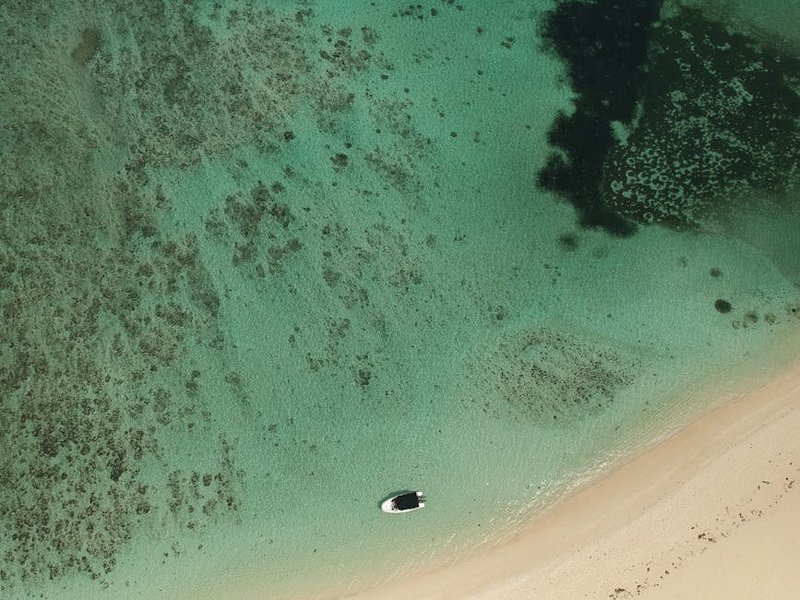
Mauritius Le Morne Mountain: Iconic Hiking and Cultural Experience
Mauritius Le Morne Mountain stands as a UNESCO World Heritage site offering dramatic coastal views and profound historical significance across its 556-meter basalt peak. This iconic landmark provides challenging hiking trails through unique microclimates alongside poignant stories from the 19th century maroon communities. Our guide covers essential planning details, seasonal considerations, and cultural insights for your mountain adventure.
Le Morne Mountain Essentials
Le Morne Brabant dominates southwestern Mauritius with geological formations dating back eight million years to volcanic activity that shaped the island. The mountain’s isolated position creates distinct vegetation zones from coastal shrubs to rare endemic plants like the Mandrinette hibiscus. These ecological variations support biodiversity found nowhere else on Mauritius.
Historical significance stems from the mountain’s role as shelter for escaped slaves during the 18th and early 19th centuries. These maroon communities established hidden settlements on the inaccessible slopes while developing unique cultural traditions. UNESCO designated the area in 2008 recognizing both natural beauty and this important narrative of freedom resistance.
Historical Significance and UNESCO Status
Understanding the cultural context enhances any visit to this protected landscape. The mountain symbolizes resistance and freedom for descendants across the Indian Ocean region.
- Maroon communities used the mountain’s complex topography for concealment between the 1700s and 1830s, developing survival techniques and cultural practices.
- UNESCO designation specifically honors this history alongside exceptional natural beauty, requiring preservation of both tangible and intangible heritage.
- Local guides share oral histories during hikes, connecting landscape features to specific events and personalities from resistance movements.
- Budget hiking: $25-50 covers park entrance, self-guided maps, and public transportation from Curepipe or Mahébourg with packed lunch and water.
- Mid-range experience: $75-120 includes certified guide, round-trip hotel transfer, hiking pole rental, and post-hike refreshments at local establishments.
- Premium packages: $130-200 features small group tours, professional photography, gourmet picnic, and combination tours with nearby attractions like Chamarel.
- Mauritius Tourism Promotion Authority
- UNESCO World Heritage Centre
Geological Features and Biodiversity
The basaltic monolith features sheer cliffs facing the ocean with more gradual slopes inland, creating varied hiking conditions. Weather patterns bring moisture from southeast trade winds, supporting rare cloud forest vegetation at higher elevations.
Conservation efforts protect twenty-nine plant species found only on Le Morne, including the critically endangered Trochetia boutoniana. Birdwatchers might spot the Mauritius kestrel or echo parakeet, both successfully rescued from near extinction through local programs.
Visitor Experience Overview
Most visitors allocate four to six hours for the round-trip hike covering approximately seven kilometers of varied terrain. The experience combines physical challenge with cultural immersion through informative signage and optional guide services.
Early morning starts avoid both heat and afternoon cloud cover that can obscure panoramic viewpoints. Proper footwear with ankle support proves essential for navigating rocky sections and occasional steep inclines throughout the ascent.
Mauritius Le Morne Mountain – Planning Your Trip
Successful Mauritius Le Morne Mountain adventures require careful timing between June and November when cooler, drier conditions prevail. Budget approximately $50-150 per person for guided hikes, equipment rentals, and transportation from major resorts. Advance reservations secure preferred time slots while supporting sustainable tourism limits.
Physical preparation should include cardiovascular training and lower body strength exercises for the moderately challenging climb. Visitors manage the hike independently or hire accredited guides for enhanced historical context and safety assurance throughout the journey.
Best Time to Visit Le Morne Mountain
Peak hiking conditions occur from June through November with temperatures ranging 68-79°F (20-26°C) and minimal rainfall disrupting trails. These months offer clear visibility from summit viewpoints and comfortable climbing conditions without excessive humidity.
Shoulder seasons in December and May see warmer temperatures 75-86°F (24-30°C) with occasional brief showers that rarely cancel hikes. January through April brings Mauritius’ rainy season with potential trail closures during heavy precipitation or cyclone warnings.
Budget Planning and Costs
Costs vary significantly based on guide services, equipment needs, and transportation arrangements.
Essential Preparation Checklist
Pack two liters of water per person, high-energy snacks, waterproof jacket, and sunscreen with minimum SPF 30 for tropical sun exposure. Break-in hiking shoes with solid grip prevent slips on smooth rock surfaces during steeper sections near the summit.
Documentation includes travel insurance details, emergency contacts, and photo identification for registration at the trailhead. Book guides two weeks ahead during peak season through reputable operators like Yanature or Otentic for guaranteed availability.
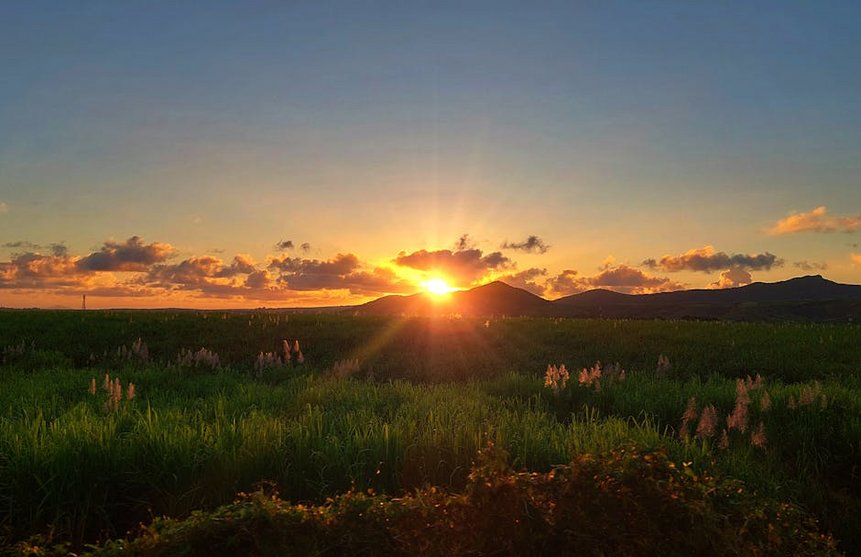
Alt: “le-morne-mountain-hiking-trail-panoramic-viewpoint”
Top Attractions and Activities
Beyond the primary hike, the Le Morne Peninsula offers world-class kitesurfing conditions from May through October with consistent winds and protected lagoons. Several operators provide equipment rentals and lessons for beginners starting around $70 for half-day introductions to the sport.
Cultural experiences include visiting the International Slave Route Monument and participating in traditional Sega dance workshops available through local community centers. These activities deepen understanding of the area’s heritage beyond the physical landscape.
Must-See Highlights
The Cross of Le Morne memorializes enslaved people who sought freedom while providing a reflective stopping point during the ascent. Photography enthusiasts capture stunning shots here with the mountain framing ocean vistas behind the symbolic structure.
Summit viewpoints reveal unparalleled 360-degree panoramas encompassing the turquoise lagoon, neighboring islands, and Mauritius’ southwestern coastline. Morning arrivals typically provide clearest visibility before cloud formation obscures distant features later in the day.
Hidden Gems and Local Favorites
Secret beaches along the peninsula’s eastern side offer secluded swimming spots away from resort crowds, accessible via unmarked paths through casuarina forests. Local fishermen sometimes share stories here about traditional techniques passed through generations.
The Maconde viewpoint along coastal roads presents dramatic cliff perspectives without requiring hiking, perfect for visitors with mobility limitations. Sunset visits here capture spectacular colors reflecting off the mountain’s western face during golden hour.
Water Sports and Marine Activities
Le Morne Lagoon’s protected waters host exceptional snorkeling and diving opportunities along vibrant coral reefs teeming with tropical fish. Several operators run daily boat trips to optimal sites with equipment included in $40-80 packages.
Stand-up paddleboarding tours explore calmer inland waterways where guides point out native bird species and explain mangrove ecosystems. These gentle alternatives appeal to travelers seeking nature immersion without strenuous physical activity.
Practical Travel Information
Sir Seewoosagur Ramgoolam International Airport (MRU) serves as Mauritius’ primary gateway located approximately sixty kilometers northeast of Le Morne. Rental cars provide flexibility for exploring the region, though taxis and ride-sharing services operate reliably throughout the southwest coast.
Accommodation ranges from luxury resorts like LUX* Le Morne to self-catering villas and guesthouses in nearby villages. Advance reservations prove essential December through March when international visitors peak alongside ideal weather conditions.
| Category | Options/Features | Price Range (USD) |
|---|---|---|
| Budget Accommodation | Guesthouses in La Gaulette, breakfast included, shared facilities | $40-80/night |
| Mid-Range Hotels | Beachfront locations, pool, restaurant, daily housekeeping | $120-220/night |
| Luxury Resorts | All-inclusive packages, spa, multiple dining, water sports | $300-600/night |
| Transportation | Rental car, taxi transfers, public buses, ride-sharing | $15-70/day |