Mozambique Quirimbas Archipelago: Pristine Islands and Rich Culture
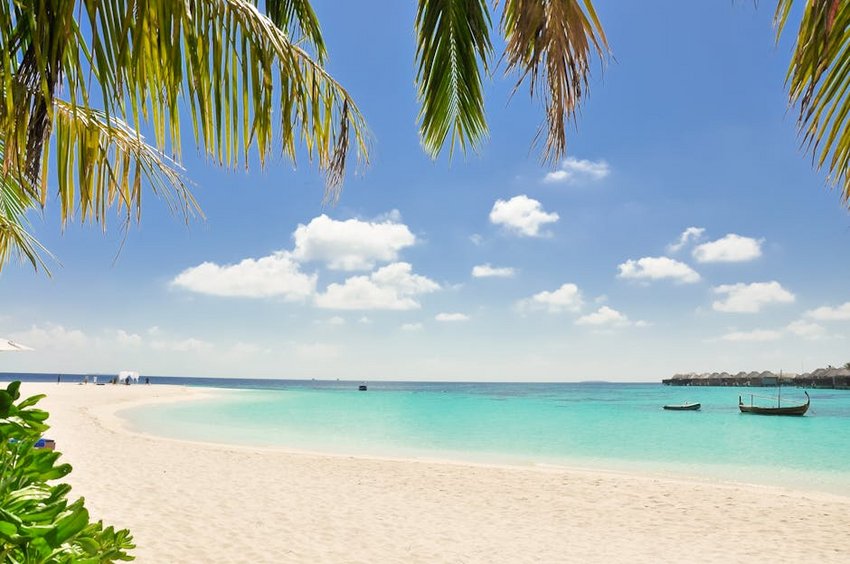
The Mozambique Quirimbas Archipelago stretches along the northern coast, offering thirty-two coral islands with untouched beaches and vibrant marine ecosystems. This remote destination combines historical Swahili influences with exceptional diving opportunities among healthy coral reefs and diverse sea life. Your guide covers essential planning details, top activities, and cultural insights for an immersive island experience.
Essential Archipelago Information
The Quirimbas Archipelago spans approximately 100 kilometers of Mozambique’s coastline near the Tanzanian border. These islands form part of the Quirimbas National Park, protecting both terrestrial and marine environments since 2002. The park covers 1,500 square kilometers including coastal forests and extensive coral reefs.
Historically, the archipelago served as important trading posts for Arab, Persian, and later Portuguese merchants. Ibo Island features well-preserved colonial architecture from the 16th century Portuguese occupation. Local communities maintain traditional fishing practices and Swahili cultural traditions across the islands.
Geographical Overview – Key Facts
Understanding the archipelago’s layout helps with trip planning and navigation between islands.
- The northern islands like Vamizi and Metundo offer exclusive resorts and pristine diving sites with minimal development.
- Central islands including Ibo and Matemo provide historical sites and cultural experiences with basic tourist infrastructure.
- Southern islands such as Quilaluia maintain traditional fishing villages accessible mainly by local dhows.
- Budget travelers can manage with $70-120 daily using guesthouses on Ibo Island, local meals, and limited guided activities while focusing on beach exploration and self-guided historical tours.
- Mid-range visitors should budget $150-300 per day for comfortable lodges with half-board, scheduled diving trips, and inter-island dhow transfers that include snorkeling gear and guided cultural tours.
- Luxury experiences range from $400-800 daily covering exclusive island resorts with all-inclusive packages, private diving guides, helicopter transfers, and spa treatments alongside gourmet dining options.
- Mozambique Tourism Authority
- Lonely Planet Travel Guide
Climate and Weather Patterns
The archipelago experiences a tropical climate with two distinct seasons influencing travel conditions. The dry season from April to November brings cooler temperatures around 75-85°F (24-29°C) with minimal rainfall. These months offer optimal visibility for diving and comfortable exploration conditions.
The wet season from December to March sees higher humidity and temperatures reaching 90°F (32°C) with occasional cyclones. While some resorts close during this period, you’ll encounter lush vegetation and fewer visitors. Marine conditions become less predictable with reduced underwater visibility.
Biodiversity and Conservation
Quirimbas National Park protects crucial habitats for endangered species both on land and underwater. The marine environment hosts over 375 fish species alongside turtles, dolphins, and migrating whales. Terrestrial areas shelter forest elephants, samango monkeys, and numerous bird species.
Conservation efforts focus on sustainable tourism and community involvement in protecting resources. Several islands operate eco-lodges that contribute directly to local conservation projects. Your visit supports these initiatives when choosing accredited operators.
Mozambique Quirimbas Archipelago – Planning Your Trip
Organizing your Mozambique Quirimbas Archipelago adventure requires attention to seasonal timing and logistical details. The dry season between May and October delivers ideal conditions for water activities and island exploration. You’ll need to arrange inter-island transportation early since options remain limited.
Budget considerations should account for higher costs associated with remote island logistics. While Pemba serves as the main gateway, reaching specific islands involves additional boat or light aircraft transfers. Comprehensive travel insurance covering medical evacuation proves essential for this destination.
Best Time to Visit Quirimbas Archipelago
Peak visiting months extend from June through September when temperatures average 75-82°F (24-28°C). These conditions provide excellent visibility for diving up to 30 meters and calm seas for sailing. You’ll encounter more visitors during this period requiring advanced bookings.
Shoulder months in April-May and October-November offer good conditions with fewer crowds and lower prices. Water temperatures remain warm around 79-84°F (26-29°C) though occasional rain may occur. Some marine life including whale sharks and manta rays appear more frequently during these transitions.
Budget Planning and Costs
Your daily expenses vary significantly based on accommodation style and activity choices.
Essential Preparation Checklist
Pack lightweight clothing, reef-safe sunscreen, and mosquito repellent alongside swimwear and quick-dry items. Bring certified diving credentials if planning underwater activities and consider a waterproof camera for marine life documentation. Sturdy sandals work better than shoes for beach and boat transitions.
Ensure your passport has six months validity and obtain a Mozambique visa beforehand through embassies or online platforms. Vaccinations for hepatitis A, typhoid, and yellow fever are recommended alongside malaria prophylaxis. Book international flights to Pemba (POL) via Johannesburg or Dar es Salaam at least three months ahead.
Alt: “quirimbas-archipelago-aerial-view-turquoise-waters-islands”
Top Attractions and Activities
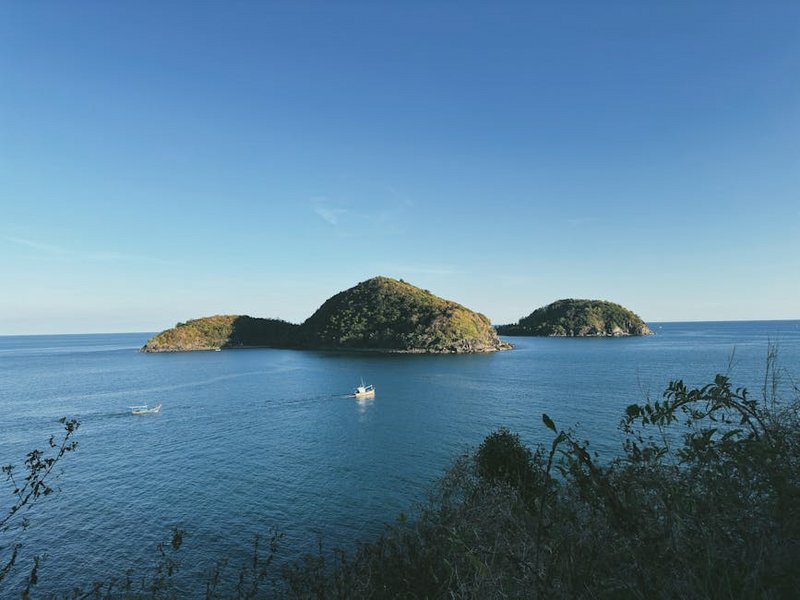
Island hopping reveals diverse experiences from historical exploration to world-class marine encounters. Ibo Island stands out for its cultural heritage while outer islands offer pristine natural environments. Each location provides unique perspectives on this Indian Ocean paradise.
Water-based activities dominate with exceptional diving sites featuring coral gardens, drop-offs, and abundant marine life. The archipelago’s protected status ensures healthy ecosystems with regular sightings of turtles, dolphins, and seasonal whale migrations. Land-based exploration includes historical sites and traditional village visits.
Must-See Highlights
Ibo Island’s historical center features Portuguese colonial architecture including forts, mansions, and silver workshops. The star fort provides panoramic island views while local guides share stories of slave trading history. Visit during early morning or late afternoon to avoid heat and capture best photography light.
Quirimbas National Park’s marine protected areas offer spectacular diving with sites like Neptune’s Arm featuring hard corals and pelagic fish. Day trips from various islands include equipment rental for $50-80 and certified guides. The park entrance fee of $10 per person supports conservation efforts.
Vamizi Island’s turtle nesting beaches host loggerheads and greens between November and March. Responsible viewing tours operate evenings with trained guides for $25-40 per person. The island’s luxury lodges provide exclusive access to pristine reefs with minimal human impact.
Hidden Gems and Local Favorites
Matemo Island’s northern beaches remain virtually deserted with powder-white sand and calm turquoise waters. Local fishermen sometimes offer spontaneous dhow trips to nearby sandbanks for small payments. The island’s village welcomes respectful visitors interested in traditional life.
Ibo Island’s silver workshop continues centuries-old filigree techniques taught by master craftsmen. You can watch demonstrations daily and purchase unique jewelry directly from artisans. This supports preservation of cultural traditions threatened by modernization.
Diving and Snorkeling Adventures
The archipelago’s coral reefs rank among East Africa’s healthiest with visibility often exceeding 25 meters. Dive sites suit various experience levels from shallow coral gardens to deeper walls and drift dives. You’ll encounter moray eels, reef sharks, and occasional whale sharks depending on season.
Snorkeling opportunities abound directly from many beaches with minimal equipment required. Several lodges provide complimentary snorkel gear for guests exploring house reefs. For more adventurous snorkeling, boat trips to outer reefs cost $30-60 including guide and equipment.
Practical Travel Information
Reaching the archipelago involves multiple transportation stages beginning with international flights to Pemba. From there, light aircraft or boat transfers deliver you to specific islands with varying frequency. Advance planning ensures smooth connections between different transport modes.
Accommodation ranges from basic guesthouses to luxury eco-resorts with significant price variations. Booking several months ahead secures preferred options especially during peak season. Most properties require minimum stays of 3-5 nights particularly on remote islands.
| Accommodation Type | Features and Amenities | Price Range (USD) |
|---|---|---|
| Budget Guesthouse | Basic rooms, shared facilities, village locations | $30-60 per night |
| Mid-Range Lodge | Private bathrooms, restaurant, activity desk | $100-200 per night |
| Eco-Resort | Beachfront location, diving center, full board | $250-400 per night |
| Luxury Island Resort | Private villas, spa, all-inclusive, transfers | $500-900 per night |