Zambia South Luangwa Walking Safari: Wild Encounters on Foot
Embarking on a Zambia South Luangwa walking safari immerses you directly into one of Africa’s most pristine wildlife ecosystems where you track animals by foot alongside expert guides. This intimate approach reveals behavioral details and hidden habitats inaccessible by vehicle, with the Luangwa River supporting dense concentrations of leopards, elephants, and over 400 bird species across 9,050 square kilometers of protected wilderness. Your journey balances thrilling wildlife encounters with essential safety protocols while exploring seasonal variations that transform the landscape from emerald green to golden plains.
Essential South Luangwa National Park Information
South Luangwa National Park anchors eastern Zambia’s wildlife circuit with exceptional biodiversity shaped by the seasonal Luangwa River flooding cycles. Established as a game reserve in 1938 and gaining national park status in 1972, this protected area pioneered walking safaris in Africa during the 1950s through legendary guides like Norman Carr. The park’s ecosystems range from lush riverine forests to expansive mopane woodlands, creating ideal habitats for specialized species like Thornicroft’s giraffe and Cookson’s wildebeest found nowhere else.
Unique Wildlife and Conservation Status
South Luangwa sustains impressive predator densities with approximately 50 leopards per 100 square kilometers alongside healthy lion prides and wild dog packs. The Luangwa River supports one of Africa’s largest hippopotamus populations exceeding 2,000 individuals, while elephant herds number around 14,000 across the wider ecosystem. Conservation initiatives actively combat poaching through community outreach programs and photographic tourism revenue.
- Thornicroft’s giraffe subspecies exclusively inhabits Luangwa Valley with distinctive darker star-shaped patches and population estimates around 600 individuals.
- Cookson’s wildebeest represent another endemic subspecies with approximately 1,000 animals migrating seasonally between the park and adjacent game management areas.
- Birdlife peaks during November-April migrant season when carmine bee-eaters nest in riverbanks and Pel’s fishing owls hunt along watercourses.
- Budget options at $250-400 daily include self-drive camping outside park gates or basic safari camps with shared facilities and scheduled walking activities from fixed locations.
- Mid-range experiences costing $400-700 per night feature comfortable tented camps inside the park with en-suite bathrooms, qualified guides, and inclusive walking safaris with vehicle transfers between areas.
- Premium mobile walking safaris range $700-1,200 daily offering exclusive traversing rights, luxury temporary camps moved between locations, and veteran guides with decades of Luangwa experience.
- Zambia Tourism Authority
- South Luangwa National Park Information
Park Geography and Seasonal Variations
The Luangwa River flows year-round through the park’s central corridor, creating oxbow lagoons that concentrate wildlife during dry months from May through October. Seasonal dambos (grassland clearings) provide crucial grazing areas while mopane woodlands dominate the northern sectors with their distinctive butterfly-shaped leaves. Altitude ranges between 500-800 meters above sea level, creating a humid subtropical climate with distinct wet and dry seasons.
During the rainy season from November to March, the landscape transforms into lush greenery with newborn animals appearing while reduced visibility makes wildlife spotting more challenging. The dry season from April to October offers optimal walking conditions with minimal vegetation cover and animals congregating around permanent water sources.
Historical Context and Safari Evolution
British conservationist Norman Carr revolutionized African tourism by establishing the first walking safaris here in the 1950s, shifting focus from hunting to photographic experiences. Local communities participate through Community Resources Boards that receive park revenue shares, fostering grassroots conservation support across the Luangwa Valley. Modern walking safaris maintain Carr’s ethos of minimal environmental impact while providing immersive wildlife education.
Alt: “south-luangwa-national-park-walking-safari-wildlife-river”
Zambia South Luangwa Walking Safari – Planning Your Trip
Organizing your Zambia South Luangwa walking safari requires careful seasonal timing between May and October when dry conditions concentrate wildlife along the Luangwa River. The experience demands moderate physical fitness for daily walks covering 10-15 kilometers across varied terrain with temperatures ranging from 50°F (10°C) at dawn to 95°F (35°C) during afternoon hours. Booking six to nine months ahead secures preferred camps during peak season from July to September when wildlife viewing reaches its dramatic climax.
Walking safaris operate under strict safety protocols with armed professional guides leading small groups of maximum six participants through designated wilderness areas. The Luangwa ecosystem presents minimal malaria risk during dry season months, though prophylaxis remains recommended alongside comprehensive travel insurance covering emergency evacuation. Pack lightweight neutral-colored clothing, broken-in hiking boots, binoculars, and camera equipment suitable for dust protection.
Best Time to Visit South Luangwa
Peak walking conditions occur from July through October when diminishing water sources force animals to congregate along the Luangwa River, creating exceptional wildlife viewing opportunities. Daytime temperatures average 75-90°F (24-32°C) with chilly mornings around 50°F (10°C), while vegetation thins significantly improving visibility for tracking and photography. Advance bookings become essential during these months with premium camps charging peak season rates.
Shoulder months in May-June and November offer compelling alternatives with lower prices, fewer visitors, and unique seasonal behaviors like impala rutting or migrant bird arrivals. The emerald season from December to April transforms the landscape with lush vegetation and newborn animals, though some camps close during heavy rains and walking activities may be limited.
Budget Planning and Costs
Walking safari pricing reflects the exclusive nature of guided wilderness experiences with professional guides and limited group sizes.
Essential Preparation Checklist
Physical preparation should include regular walking with a daypack over similar distances to safari conditions, focusing on building stamina for 4-5 hour morning walks across uneven terrain. Essential gear includes broken-in waterproof hiking boots, moisture-wicking clothing in neutral colors, wide-brimmed sun hat, high-SPF sunscreen, and quality binoculars for wildlife observation. Photography equipment requires dust protection, extra batteries, and lenses covering 70-300mm range for versatile shooting.
Health preparations mandate yellow fever vaccination certification, malaria prophylaxis suitable for Zambia, and comprehensive travel insurance covering emergency medical evacuation from remote areas. Documentation should include passport valid six months beyond travel dates, multiple Zambian visa copies if required, and printed confirmation for all bookings including international flights to Lusaka or Mfuwe airports.
Top Attractions and Walking Safari Experiences
South Luangwa’s walking trails reveal intimate wildlife moments impossible from vehicles, like tracking fresh leopard prints along riverbanks or observing elephant family interactions from concealed viewpoints. The Luangwa River frontage provides constant wildlife drama with hippo pods wallowing in oxbow lagoons while crocodiles bask on sandbanks and herbivores risk crossing between grazing areas. Expert guides interpret animal behavior, plant identification, and tracking techniques while maintaining safe distances from potentially dangerous species.
Must-See Wildlife Highlights
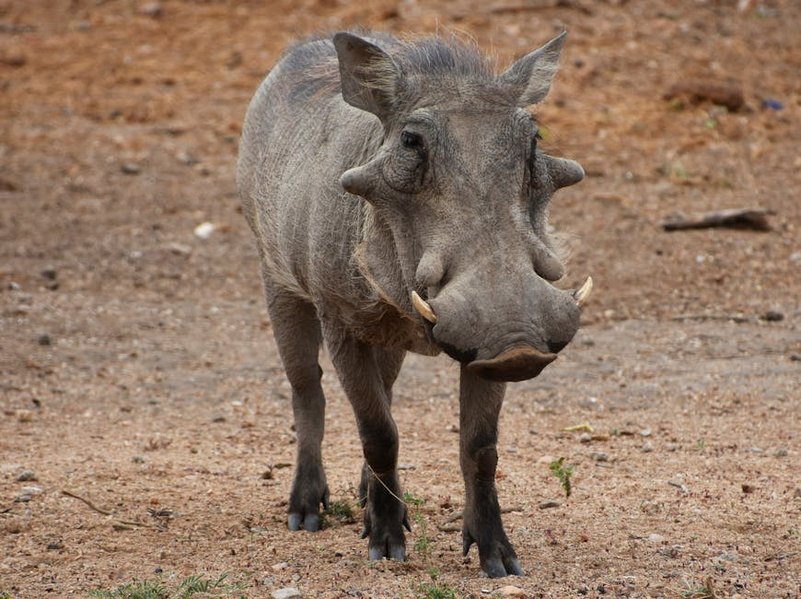
Leopard sightings occur frequently along the meandering Luangwa River where these elusive cats hunt impala and warthog during cooler morning and evening hours. Large elephant herds numbering up to seventy individuals regularly cross walking paths during their daily movements between feeding areas and water sources, requiring careful guide management. The park’s specialized endemic species including Thornicroft’s giraffe and Cookson’s wildebeest represent unique photographic opportunities found only in this ecosystem.
Hippopotamus concentrations reach their peak density along the Luangwa River with an estimated fifty animals per kilometer, creating spectacular viewing from safe vantage points during their grazing cycles. Predator activity intensifies during dry season when lion prides and wild dog packs become more visible while hunting concentrated prey populations around remaining waterholes. Birdlife diversity peaks with over 400 species including colorful carmine bee-eaters, majestic fish eagles, and rare Pel’s fishing owls nesting in large riverine trees.
Hidden Gems and Local Favorites
The Nsefu Sector offers exclusive walking areas with historical significance as Zambia’s first photographic tourism zone, featuring pristine woodland habitats and reduced visitor numbers. Oxbow lagoons formed by the meandering Luangwa River create secluded wildlife oases where animals drink undisturbed, accessible through careful approach routes planned by experienced guides. Seasonal mushroom foraging during November rains reveals edible varieties that guides incorporate into camp meals, adding unique culinary dimensions to walking experiences.
Local village visits to communities like Kawaza or Mfuwe provide cultural context beyond wildlife, demonstrating conservation benefits through school partnerships and craft cooperatives supported by tourism revenue. Night drives conducted after walking safaris reveal nocturnal species including genet cats, civets, and bushbabies alongside the mesmerizing eyeshine of hunting predators operating under cover of darkness.
Walking Safari Routes and Trail Options
Mobile walking safaris traverse between seasonal campsites covering different ecosystems from riverine forests to mopane woodlands, typically lasting four to seven nights with daily movements of 10-15 kilometers. Fixed camp walks operate from permanent lodges using radiating trail networks that explore specific areas in depth, ideal for travelers preferring consistent accommodation between walking activities. Specialist photographic walks focus on optimal lighting conditions and animal behavior patterns, with guides positioning groups for ideal composition opportunities.
Practical Travel Information for South Luangwa
Reaching South Luangwa involves flying into Lusaka’s Kenneth Kaunda International Airport (LUN) followed by connecting flights to Mfuwe Airport (MFU), the main gateway located just outside park boundaries. Road transfers from Lusaka require approximately 10-12 hours driving time, while charter flights directly to bush airstrips serve premium camps located deeper within the wilderness areas. Internal transportation between camps utilizes 4×4 safari vehicles capable of navigating rough tracks during seasonal weather conditions.
Accommodation standards range from basic camping facilities to ultra-luxurious tented suites with private plunge pools, though all walking safari camps maintain strict environmental policies minimizing ecological impact. The park’s remote location necessitates careful packing since shopping opportunities remain limited to small curio stalls at Mfuwe village outside the main gate. Communication infrastructure relies primarily on satellite systems with limited mobile network coverage available only near the park entrance and Mfuwe area.
| Accommodation Category | Features and Services | Price Range (USD/night) |
|---|---|---|
| Standard Safari Camps | Comfortable tents with en-suite bathrooms, central dining area, scheduled activities, qualified guides | $400-600 |
| Premium Tented Camps | Larger tents with indoor/outdoor showers, private verandas, pool facilities, expert guiding, exclusive locations | $600-900 |
| Mobile Walking Safaris | Seasonal temporary camps, full walking itinerary, traversing multiple areas, veteran guides, all-inclusive | $800-1,200 |
| Self-Drive Camping | Designated campsites, basic facilities, self-catering, park entry fees additional, walking tours bookable separately | $250-400 |