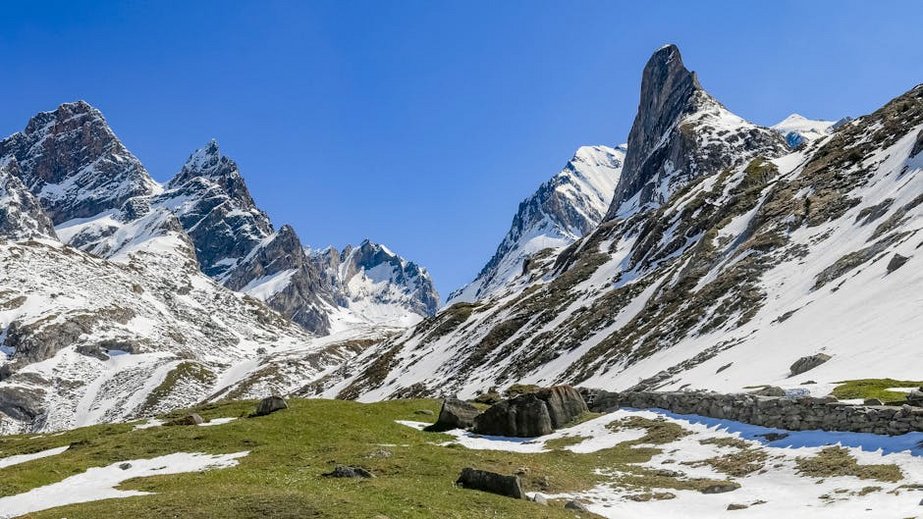
Malawi Mulanje Mountain – Africa’s Towering Granite Wonder
Malawi Mulanje Mountain rises dramatically from the plains of southern Africa, offering some of the continent’s most spectacular hiking and climbing experiences across its massive granite outcrops. This immense inselberg features numerous peaks over 2,500 meters, including Sapitwa—the highest point in Central Africa—with diverse ecosystems ranging from montane forests to high-altitude grasslands. Our guide covers essential planning details, top hiking routes, accommodation options, and cultural insights for your Malawian mountain adventure.
Essential Information About Mulanje Massif
Mulanje Massif stands as an enormous granite dome covering approximately 650 square kilometers in southern Malawi, creating a unique microclimate that supports rare plant species like the Mulanje cedar. The mountain’s highest point, Sapitwa Peak, reaches 3,002 meters (9,849 feet) above sea level, making it the tallest mountain between Mount Kilimanjaro and South Africa’s Drakensberg range. This UNESCO-protected biosphere reserve contains numerous endemic species found nowhere else on Earth.
The massif’s geological history dates back approximately 130 million years, formed through volcanic activity and subsequent erosion that created its distinctive sheer cliffs and deep valleys. Local communities have inhabited the mountain’s foothills for centuries, developing rich cultural traditions around the forest resources and spiritual significance of the peaks. European explorers first documented the massif in the late 19th century, with organized climbing expeditions beginning in the 1920s.
Geography and Location Details
Understanding the mountain’s layout helps with navigation and planning your routes effectively.
- The massif spans roughly 26 kilometers by 22 kilometers with its base sitting at 600-900 meters elevation, creating dramatic vertical relief of over 2,000 meters from base to summit.
- Major peaks include Sapitwa (3,002m), Chambe Peak (2,547m), and Nandalanda (2,468m), each offering distinct climbing challenges and panoramic views across Malawi and Mozambique.
- Access points concentrate around the towns of Mulanje and Likhubula, where the Forestry Department office issues mandatory hiking permits and arranges local guides.
- Budget trekking costs $25-40 daily covering basic permits, self-catering food, and camping, plus $15-25 for a mandatory guide on overnight trips—ideal for experienced backpackers carrying their own gear and preparing meals.
- Mid-range hiking averages $60-90 daily including guide services, porter assistance, mountain hut accommodation, and cooked meals at huts—excellent value for those wanting comfort without luxury.
- Full-service expeditions run $100-150 daily featuring experienced guides, dedicated porters, quality mountain huts, and better meals—perfect for climbers focusing on summit attempts without logistical worries.
- Physical training should include stair climbing, hiking with loaded pack, and cardiovascular exercise 3-4 months pre-trip, building to 6-8 hour endurance sessions with elevation gain.
- Required documentation includes passport, Mulanje Mountain hiking permit ($10-20 daily), comprehensive travel insurance covering high-altitude trekking, and emergency contact information.
- Essential gear comprises broken-in waterproof boots, layered clothing system, 4-season sleeping bag, headlamp with extra batteries, first aid kit, and water purification tablets or filter.
- Malawi Tourism Official Site
- Mulanje Mountain Conservation Trust
Climate and Weather Patterns
Mulanje Mountain creates its own weather systems, with conditions changing rapidly from base to summit throughout the day. Temperatures at lower elevations range from 15-25°C (59-77°F) during daytime, while summit areas can drop to freezing overnight with occasional frost. The rainy season from November to March brings frequent afternoon thunderstorms, making trails slippery and river crossings dangerous without proper preparation.
Dry season from April to October offers the most stable conditions for climbing, with clear skies and minimal precipitation from June through August. However, early morning mists often blanket the higher plateaus until midday, requiring navigation skills even on marked trails. Always carry warm layers regardless of season, as wind chill significantly reduces apparent temperature at altitude.
Historical Significance and Conservation
The mountain holds deep cultural importance for local communities, featuring in creation myths and traditional ceremonies of the Lomwe and Mang’anja peoples. Colonial era logging of Mulanje cedar beginning in the 1920s devastated populations of this endemic tree, leading to conservation efforts that established the forest reserve in 1927. Current management focuses on sustainable tourism, community involvement, and protecting critical habitats for rare species like the Mulanje chameleon.
International recognition came with UNESCO Man and Biosphere Reserve designation in 2000, highlighting the successful integration of conservation with local livelihood development. The Mulanje Mountain Conservation Trust now coordinates protection efforts, combating illegal logging while promoting responsible tourism that benefits surrounding villages. Your visit directly supports these initiatives through permit fees and guide employment.
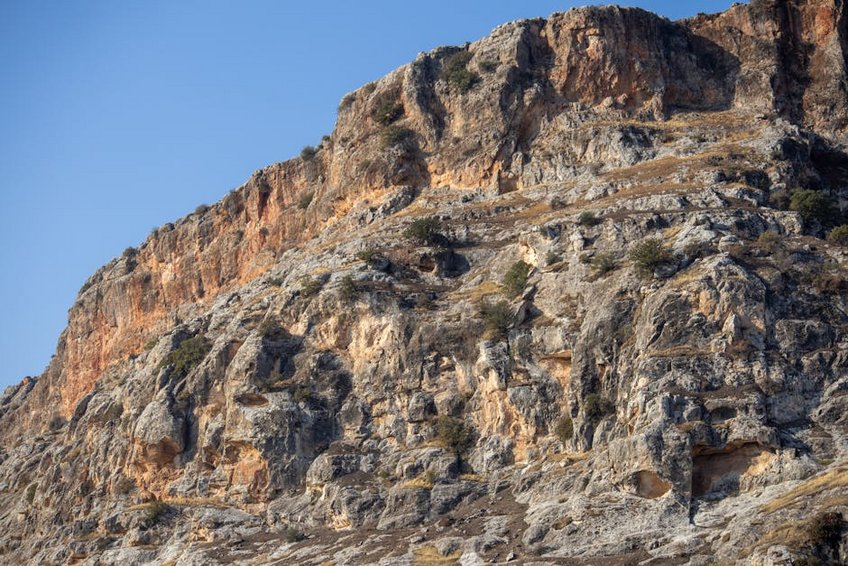
Alt: “malawi-mulanje-mountain-granite-peaks-hiking-trails”
Malawi Mulanje Mountain – Planning Your Trip
Proper preparation transforms your Malawi Mulanje Mountain experience from challenging to unforgettable, requiring attention to seasonal timing, physical conditioning, and logistical details. Dry season months from May to October provide optimal climbing conditions with minimal rainfall, stable temperatures, and clearer views from the summits. Budget approximately $35-50 daily for basic trekking, while guided expeditions with porters and mountain hut accommodation cost $80-120 per person daily.
Physical preparation should include cardiovascular training and leg strength exercises several months before your visit, as even moderate routes involve significant elevation gain over rough terrain. Essential gear includes broken-in hiking boots, waterproof layers, sleeping bag rated to 0°C (32°F), headlamp, and water purification methods for stream refills. The Likhubula Forestry Office requires all visitors to register, pay conservation fees, and hire certified guides for any overnight trips on the massif.
Best Time to Visit Mulanje Mountain
Peak climbing season runs from May to October when daytime temperatures range from 18-24°C (64-75°F) at base camps to 5-12°C (41-54°F) at higher elevations with minimal rainfall. June through August offers the driest conditions and clearest views, though nights can drop to freezing at summit huts requiring warm sleeping gear. These months attract the most visitors, so book guides and accommodation several weeks in advance through the Mulanje Mountain Conservation Trust.
Shoulder seasons in April and November present good alternatives with fewer crowds, though afternoon showers become more frequent and trails may be muddy. Avoid the rainy season from December to March when torrential downpours make routes dangerous, river crossings impassable, and leeches abundant in forest sections. Whatever your timing, always check current conditions with local authorities as weather patterns have become less predictable in recent years.
Budget Planning and Costs
Your expenses break down into several categories with options for different travel styles.
Essential Preparation Checklist
Thorough preparation ensures safety and enjoyment on the mountain’s challenging terrain.
Top Attractions and Activities
Mulanje Massif offers diverse experiences beyond summit attempts, from multi-day traverses to cultural encounters in foothill communities. The mountain’s varied ecosystems support unique biodiversity, including over 30 endemic plant species and rare birdlife like the cholo alethe and white-winged apalis. Numerous waterfalls cascade from plateau edges during wetter months, creating spectacular photography opportunities alongside natural swimming pools in river valleys.
Adventure options range from technical rock climbing on Chambe Peak’s massive walls to gentle day hikes through cedar forests teeming with butterflies and unusual insect life. Cultural tourism initiatives allow visits to tea estates surrounding the massif, traditional healer consultations, and homestays in local villages where you can learn about conservation efforts firsthand. Whatever your interests, the mountain provides memorable experiences beyond simply reaching the highest points.
Must-See Highlights
Sapitwa Peak demands respect as Central Africa’s highest point, requiring a full day ascent from nearby huts with some exposed scrambling near the summit. The views encompass Mozambique’s plains, Lake Chilwa, and on exceptionally clear days, Mount Mulanje’s full expanse—rewarding early starts to avoid afternoon cloud cover. Access requires a certified guide and reasonable fitness, with the round trip taking 8-10 hours from Chambe or Lichenya huts.
Chambe Peak presents the massif’s most dramatic rock faces, attracting climbers to its 300-meter granite walls with routes ranging from moderate to extremely difficult. The Chambe Hut serves as base camp for ascents and offers spectacular sunset views over the Phalombe Plain far below. Even non-climbers appreciate the hut’s accessibility via the Skyline Trail, making it popular for overnight stays without summit attempts.
Lichenya Plateau provides relatively gentle hiking through stunning high-altitude grasslands dotted with bizarre rock formations and seasonal wildflowers. The plateau connects several huts and serves as crossroad for various routes, offering excellent opportunities for acclimatization before attempting higher peaks. Its open landscape contrasts dramatically with the forested valleys below, creating unique photographic conditions especially during golden hour.
Hidden Gems and Local Favorites
Thuchila Hut remains less visited than main huts, offering solitude amidst beautiful montane forest with resident troops of blue monkeys and abundant birdlife. The approach trail passes several waterfalls and natural pools perfect for cooling off after hiking, while the hut itself provides basic but comfortable accommodation away from crowds. Local guides know secret viewpoints nearby that showcase the massif’s full grandeur without summit exertion.
Mulanje Cedar forests host one of Africa’s rarest trees, with conservation projects allowing visitors to learn about replanting efforts while walking among these majestic specimens. The cedar’s aromatic wood and unique ecosystem support specialized wildlife, including the Mulanje pygmy chameleon found nowhere else on Earth. Supporting community nurseries through visits or purchases helps ensure this iconic species survives for future generations.
Hiking and Climbing Routes
The massif offers routes for all experience levels, from gentle day hikes to demanding multi-day traverses requiring navigation skills and camping gear. Skyline Trail provides the most popular crossing, connecting Likhubula to the eastern side over 3-4 days with hut accommodation and minimal technical difficulty. This route showcases the mountain’s diversity, passing through forests, crossing plateaus, and offering optional peak ascents along the way.
Technical climbing concentrates on Chambe Peak’s massive faces, with routes established from the 1950s onward ranging from 5.8 to 5.12 in difficulty. The Chambe West Face presents the most famous line—a 10-pitch classic requiring solid trad skills and nerve for exposure. All technical climbing demands proper equipment, experience, and ideally local knowledge due to changing conditions and limited rescue resources.
Practical Travel Information
Reaching Mulanje Mountain typically involves flying into Chileka International Airport in Blantyre, then a 1.5-2 hour road transfer covering 65 kilometers to Mulanje town. Several daily minibuses connect Blantyre to Mulanje for approximately $5-8, while private taxis cost $40-60 one way—book through your accommodation for reliable service. The Likhubula Forestry Office serves as mandatory registration point before any mountain excursion, open daily from 7:30 AM to 4:30 PM.
Accommodation options range from basic camping at Likhubula to comfortable lodges in Mulanje town, with mountain huts providing shelter at strategic points along major routes. Booking huts through the Mulanje Mountain Conservation Trust ensures availability, especially during peak season from June to September when they fill weeks in advance. Cellular service remains limited on the mountain itself, though coverage improves in valleys and at higher viewpoints depending on your provider.
| Category | Options/Features | Price Range (USD) |
|---|---|---|
| Budget Accommodation | Camping at Likhubula, basic guesthouses in Mulanje town with shared facilities | $8-15 nightly |
| Mid-Range Lodging | Private rooms at CCAP Guesthouse, Mulanje Motel with en-suite bathrooms | $25-45 nightly |
| Mountain Huts | Dormitory-style with mattresses, cooking facilities, water access nearby | $10-15 per person |
| Guided Services | Certified guides, porter hire, cook services for groups | $15-40 daily |