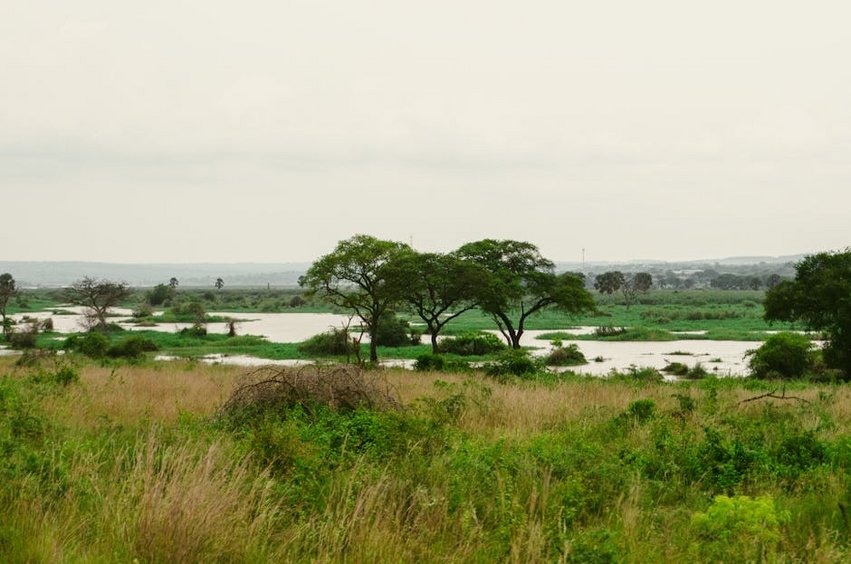
Uganda Murchison Falls: Witness Africa’s Most Powerful Waterfall
Murchison Falls National Park showcases Uganda’s wild heart where the Nile River explodes through a narrow gorge creating the world’s most powerful waterfall spectacle. Your Uganda Murchison Falls adventure delivers incredible wildlife viewing with elephants, giraffes, and lions roaming vast savannah plains alongside rare bird species. This comprehensive guide covers essential planning details from safari timing to budget considerations for an unforgettable East African journey.
Essential Park Information
Murchison Falls National Park spans 3,840 square kilometers across northwestern Uganda protecting diverse ecosystems from riverine forests to Borassus palm savannah. Established in 1952, the park serves as Uganda’s largest protected area featuring the dramatic waterfall that gives the reserve its famous name. Victoria Nile’s powerful waters force through a seven-meter gap before plunging 43 meters into the Devil’s Cauldron below.
The park’s biodiversity includes 76 mammal species and 450 bird types creating exceptional safari opportunities across multiple habitats. Four of Africa’s Big Five reside here with only rhinos absent from the current wildlife roster after reintroduction efforts. Conservation success stories include protected giraffe and elephant populations that visitors regularly encounter during game drives.
Park Geography and Ecosystems
Understanding the varied landscapes helps maximize your wildlife viewing success throughout different park sections.
- Northern sector features open savannah perfect for spotting lions, buffalo, and Uganda kob during morning game drives.
- Riverine forests along the Nile host primates like olive baboons and black-and-white colobus monkeys with excellent birding opportunities.
- Southern Budongo Forest offers chimpanzee tracking experiences through dense tropical woodland habitats accessible via guided walks.
- Budget options at $150-250 daily use public transportation, camping accommodations, and self-catering while focusing on essential park activities like standard game drives.
- Mid-range safaris costing $250-450 per day include comfortable lodge accommodations, private vehicle transfers, and guided activities like boat cruises and nature walks.
- Luxury experiences from $450-800 daily feature premium lodges with pool facilities, private guides, and exclusive activities like hot air balloon safaris or chimpanzee tracking.
- Uganda Wildlife Authority
- Lonely Planet Uganda Guide
Wildlife Viewing Highlights
Murchison Falls delivers consistent wildlife sightings with healthy populations of iconic African species throughout the year. The park’s elephant herds number approximately 1,300 individuals while giraffe populations have rebounded to nearly 1,500 animals after conservation efforts. Regular lion sightings occur particularly in the northern plains where prides hunt Uganda kob and other antelope species.
Bird enthusiasts find exceptional diversity with specialized species like the shoebill stork in delta areas and goliath herons along riverbanks. Nile crocodiles and hippos concentrate in dramatic numbers below the falls with boat safaris offering close viewing opportunities. Nocturnal drives reveal bushbabies, genets, and leopard activity for visitors staying at park lodges.
Historical Significance
Murchison Falls gained international recognition during the 19th century when explorers documented the powerful waterfall phenomenon. Winston Churchill visited in 1907 describing the falls in his African travel writings which helped establish the area’s reputation. Ernest Hemingway survived two plane crashes near the falls in 1954 adding to the location’s legendary status among adventure travelers.
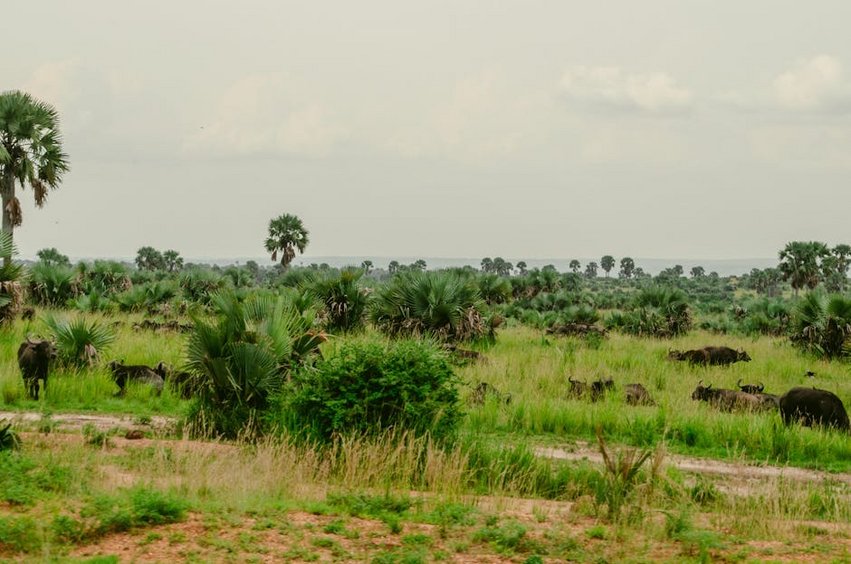
Alt: “murchison-falls-nile-river-powerful-waterfall-uganda”
Uganda Murchison Falls – Planning Your Trip
Organizing your Uganda Murchison Falls itinerary requires considering seasonal patterns, activity preferences, and transportation logistics for optimal experience. The dry seasons from December through February and June through September provide the best wildlife viewing with animals gathering near water sources. Booking accommodations three to six months in advance secures preferred lodges during peak visitor periods between Christmas and August.
Budget considerations should include park fees, accommodation levels, and transportation choices which significantly impact overall trip costs. Independent travelers can arrange visits through local tour operators while self-drive options work for experienced Africa travelers with 4×4 vehicles. Comprehensive travel insurance covering medical evacuation remains essential given the remote location and potential health considerations.
Best Time to Visit Murchison Falls
Peak wildlife viewing occurs during dry months from December to February when temperatures range from 75°F to 85°F (24°C to 29°C) with minimal rainfall. These conditions concentrate animals around the Nile River and remaining waterholes making predators easier to spot during game drives. Visitor numbers increase significantly during this period requiring earlier bookings for popular lodges and activities.
Shoulder months in June through September offer similar wildlife advantages with slightly lower crowds and pleasant temperatures around 70°F to 82°F (21°C to 28°C). The wet season from March to May creates lush landscapes but makes some roads challenging while reducing animal visibility in thicker vegetation. Birding enthusiasts prefer April and May when migratory species join resident populations.
Budget Planning and Costs
Uganda safari costs vary dramatically based on accommodation style, transportation method, and included activities.
Essential Preparation Checklist
Packing appropriate clothing and gear ensures comfort during variable conditions with temperatures shifting between cool mornings and hot afternoons. Neutral-colored clothing in beige, green, or brown tones works best for wildlife viewing while sturdy walking shoes handle diverse terrain. Essential items include binoculars, cameras with zoom lenses, sun protection, and reusable water bottles for hydration during activities.
Required documentation includes a valid passport with at least six months validity and appropriate Ugandan visa obtained online before travel. Vaccination requirements typically include yellow fever certification while malaria prophylaxis is strongly recommended for all visitors. Physical preparation for some walking activities helps maximize enjoyment though most safari experiences remain accessible to various fitness levels.
Top Attractions and Activities
Murchison Falls National Park delivers diverse experiences beyond the famous waterfall with wildlife encounters, river adventures, and cultural interactions. The Nile River serves as the park’s central feature providing both dramatic scenery and practical transportation routes for exploring different areas. Multiple activity options cater to various interests from intense wildlife viewing to relaxed river cruises with spectacular photography opportunities.
Standard safari itineraries typically include morning and afternoon game drives, a boat cruise to the falls, and waterfall hike combinations. Specialized activities like birding walks, sport fishing, and community visits add depth to the standard wildlife focus. Most visitors spend three to four days experiencing the park’s highlights though shorter or longer stays work depending on travel schedules.
Must-See Highlights
The waterfall itself remains the park’s namesake attraction where visitors can experience the powerful spectacle from multiple perspectives. Boat cruises from Paraa to the base of the falls provide the most dramatic approach watching the Nile’s entire volume force through the narrow gap. Hiking trails from the top allow different viewpoints including the crest where water begins its thunderous descent.
Game drives through the northern sector’s savannah plains deliver regular sightings of elephants, giraffes, buffalo, and antelope species. The delta area where the Nile enters Lake Albert offers exceptional birdwatching with shoebill stork sightings being a particular highlight for enthusiasts. Rhino tracking at Ziwa Rhino Sanctuary just outside the park provides opportunity to see these endangered animals up close.
Hidden Gems and Local Favorites
Buligi game tracks between the Albert and Victoria Niles offer excellent predator sightings with fewer vehicles than main circuits. Early morning drives here frequently encounter lions, leopards, and spotted hyenas particularly during dry months when wildlife concentrates. Local guides know specific territories and behavior patterns increasing chances of memorable predator interactions.
Budongo Forest’s chimpanzee tracking experiences provide intimate primate encounters without the permit challenges of more famous locations. The Kaniyo Pabidi sector offers guided walks through mahogany forests where visitors observe chimp families alongside other monkey species. Community-run crafts shops near the park entrance sell authentic handmade souvenirs supporting local economic development.
River Safari Experiences
Nile boat safaris operate morning and afternoon covering different sections of the river with unique wildlife viewing advantages. The standard Paraa to falls cruise focuses on hippos, crocodiles, and waterbirds with the waterfall climax while longer delta trips target shoebill storks. Sunset cruises provide spectacular photography conditions with golden light illuminating riverside landscapes and animal silhouettes.
Sport fishing opportunities exist for Nile perch and tiger fish with half-day or full-day excursions available through licensed operators. These trips combine angling excitement with wildlife viewing as elephants and other animals frequently visit riverbanks during fishing activities. All river-based activities include life jackets and experienced guides familiar with local conditions and animal behavior.
Practical Travel Information
Reaching Murchison Falls involves road transportation from Kampala or Entebbe with journey times varying based on route conditions and stops. The direct route via Masindi takes approximately 4-5 hours covering 280 kilometers while the southern approach through Hoima extends to 6-7 hours. Domestic flights from Kajjansi Airfield near Kampala to Pakuba or Bugungu airstrips reduce travel time to under two hours.
Accommodation options range from basic campsites to luxury lodges with price points reflecting amenities and locations relative to key activity areas. Most visitors stay in the Paraa area for convenience to boat launches and main game drive circuits though outlying lodges offer more exclusive experiences. Booking platforms like SafariBookings and local operator websites provide comparison options for different budgets and preferences.
| Category | Options/Features | Price Range (USD) |
|---|---|---|
| Budget Accommodation | Basic tents, shared facilities, self-catering options, community campsites | $15-40 per night |
| Mid-Range Lodges | Private rooms, en-suite bathrooms, restaurant dining, swimming pools | $100-250 per night |
| Luxury Safari Camps | Spacious tents, private decks, gourmet dining, guided activities included | $300-600 per night |
| Park Activities | Game drives, boat cruises, guided walks, chimpanzee tracking | $30-150 per activity |