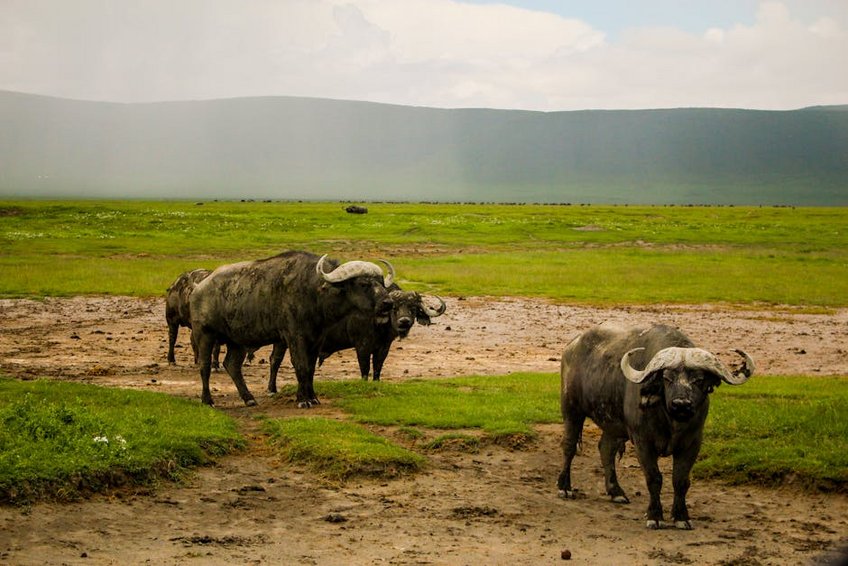
Tanzania Ngorongoro Crater: A Premier Wildlife Destination
The Tanzania Ngorongoro Crater delivers Africa’s most concentrated big game viewing inside a massive volcanic caldera. This UNESCO World Heritage Site spans 260 square kilometers with permanent water sources supporting lion, elephant, and rhino populations year-round. Our guide provides seasonal timing advice, accommodation options across budgets, and cultural experiences with local Maasai communities.
Essential Ngorongoro Information
Ngorongoro Conservation Area protects the world’s largest intact volcanic caldera formed three million years ago. The crater floor sits 600 meters below the rim creating unique microclimates across grassland, swamp, and lake environments. This ecosystem supports approximately 25,000 large animals including endangered black rhinos and massive buffalo herds.
Visitor numbers reached 650,000 annually before pandemic restrictions with most travelers visiting between June and October. The conservation area operates under special regulations balancing wildlife protection with Maasai pastoralist rights. Your safari experience combines game drives with cultural immersion opportunities.
Key Geological Features
Understanding the landscape enhances your wildlife viewing experience across different habitats.
- Caldera dimensions measure 19 kilometers across with walls rising 400-600 meters surrounding the crater floor.
- Lerai Forest features yellow-barked acacia trees sheltering elephants and dik-dik antelope throughout the day.
- Lake Magadi attracts thousands flamingos during wet season creating spectacular pink shorelines.
- Budget safari: $150-300 daily covering camping, group vehicles, and park fees without luxury amenities.
- Mid-range option: $400-700 daily including comfortable lodges, private guides, and better meal quality.
- Luxury experience: $800-1200 daily featuring premium lodges, specialist guides, and exclusive activities.
- Tanzania National Parks Authority
- UNESCO World Heritage Centre
Wildlife Conservation Status
Ngorongoro maintains Africa’s highest density of predators including 62 lion prides and 450 spotted hyenas. The crater represents one of few places where black rhinos remain easily observable with 22 individuals protected by anti-poaching units. However, wildlife faces challenges from habitat compression and limited genetic diversity.
Conservation fees directly fund ranger patrols and community development projects around the crater rim. Your visit contributes $70 per person daily to these preservation efforts. Additionally, vehicle numbers remain restricted to minimize environmental impact during peak seasons.
Historical and Cultural Context
Maasai people have inhabited the Ngorongoro highlands for over 200 years grazing livestock alongside wildlife. German explorers first documented the crater in 1892 before it became part of Serengeti National Park in 1951. The area gained separate conservation status in 1959 recognizing its unique human-wildlife coexistence model.
Modern Maasai communities maintain traditional lifestyles while participating in tourism through cultural bomas and guide services. Visitors should respect local customs including modest dress and photography permissions. These cultural interactions add depth beyond standard safari experiences.
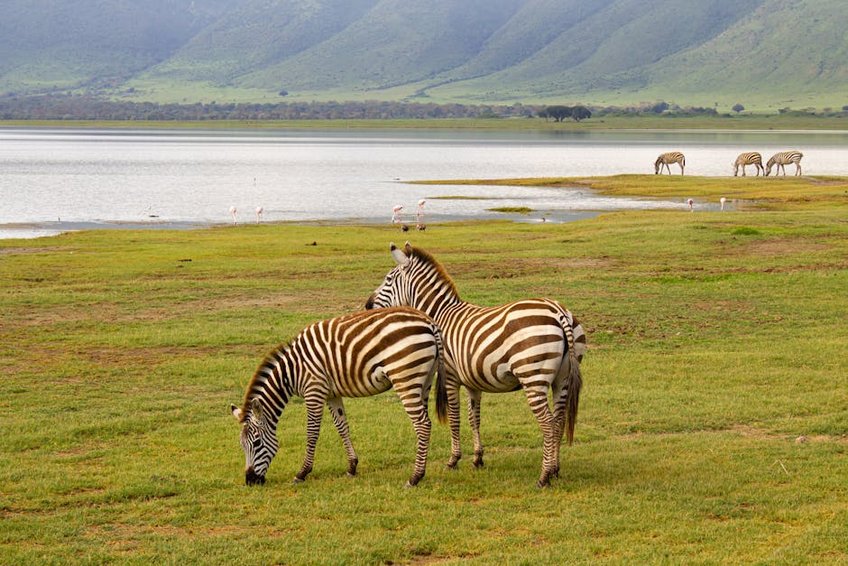
Alt: “ngorongoro-crater-panoramic-view-wildlife-grazing”
Tanzania Ngorongoro Crater – Planning Your Trip
Organizing your Tanzania Ngorongoro Crater adventure requires advance reservations during dry season months from June through October. The crater’s high elevation creates cool temperatures between 50-70°F (10-21°C) with occasional rain showers even during dry periods. You should book lodges six months ahead for prime dates and secure safari vehicles through reputable operators.
Budget considerations include $70 daily conservation fees, $200-400 for crater descent permits, and accommodation ranging from $150 to $1000 nightly. Travel insurance covering medical evacuation remains essential given remote location and limited medical facilities. Physical mobility helps with vehicle entries and crater rim walks.
Best Time to Visit Ngorongoro
Peak wildlife viewing occurs June-October when animals concentrate around water sources with minimal vegetation cover. Daytime temperatures average 68°F (20°C) with chilly mornings dropping to 50°F (10°C) requiring layered clothing. Shoulder months April-May and November offer fewer crowds but higher rain probability affecting road conditions.
January-March provides lush landscapes with migratory bird arrivals but thicker vegetation complicating predator spotting. Calving season brings abundant newborn animals though afternoon showers frequently occur. Ultimately, dry season delivers optimal game viewing despite higher visitor numbers and accommodation costs.
Budget Planning and Costs
Safari expenses vary significantly based on accommodation level and group size considerations.
Essential Preparation Checklist
Pack neutral-colored clothing, sturdy walking shoes, and warm layers for early morning game drives. Essential gear includes binoculars, telephoto lenses, sunscreen, and rain jackets for unpredictable weather changes. You should carry cash for souvenirs and tips since credit card facilities remain limited outside major lodges.
Required documentation includes valid passport, yellow fever vaccination certificate, and comprehensive travel insurance. Book international flights into Kilimanjaro International Airport (JRO) three months minimum before travel dates. Consult your doctor about malaria prophylaxis and carry basic medical supplies.
Top Attractions and Activities
Ngorongoro Crater’s primary draw remains spectacular wildlife viewing across easily accessible terrain. The crater floor contains five distinct habitats supporting different animal species throughout daily cycles. Additionally, cultural experiences with Maasai communities provide unique insights beyond standard safari itineraries.
Game drives typically begin at sunrise when predator activity peaks and last 4-6 hours covering key viewing areas. Afternoon visits often feature hippo pools and bird watching opportunities with different lighting conditions. Multiple day visits reveal behavioral patterns missed during shorter excursions.
Must-See Wildlife Highlights
Lerai Forest hosts elephant families and elusive leopards though spotting requires patience and guide expertise. Lake Magadi’s shallow waters attract thousands flamingos between November and May creating photographic opportunities. Meanwhile, the Gorigor Swamp area concentrates hippos and buffalo herds during dry months.
Ngoitokitok Springs provides reliable elephant sightings with picnic areas for midday breaks. The Seneto Plains deliver cheetah viewing possibilities though these cats remain less common than lions. Each location offers distinct perspectives on crater ecology across changing seasons.
Hidden Gems and Local Favorites
Olmoti Crater offers hiking opportunities with Maasai guides explaining medicinal plants and animal tracking. This smaller volcanic crater sits northeast of main caldera receiving few visitors despite stunning views. You need special permission and guide for this half-day excursion beyond standard itineraries.
Empakaai Crater features deep alkaline lake surrounded by forest where buffalo and bushbuck graze peacefully. The hike down steep trails rewards with unique birdlife and photographic angles. Local Maasai communities sometimes perform traditional dances at sunset for small groups by prior arrangement.
Photography and Birdwatching Tips
Early morning light creates dramatic shadows across the crater floor perfect for landscape and wildlife photography. Telephoto lenses 200-400mm capture animal behaviors while wide-angle lenses document the vast caldera scenery. You should bring multiple memory cards and backup batteries since electricity remains unreliable.
Birdwatchers can spot over 500 species including Kori bustards, secretary birds, and endemic rufous-tailed weavers. November through April brings migratory species from Europe and Asia doubling bird populations. Specialist guides enhance identification success for rare species.
Practical Travel Information
Reaching Ngorongoro requires flying into Kilimanjaro International Airport (JRO) or Arusha Airport (ARK) followed by 3-4 hour road transfer. Most visitors combine crater visits with Serengeti National Park creating 5-7 day safari itineraries. Road conditions vary seasonally with 4×4 vehicles essential year-round.
Accommodation spans luxury lodges on the crater rim to budget campsites outside conservation area boundaries. Advance reservations prove crucial during peak seasons with limited availability across price categories. You should confirm meal inclusions and activity options before finalizing bookings.
| Accommodation Type | Features and Location | Price Range (USD) |
|---|---|---|
| Luxury Lodges | Crater rim views, swimming pools, guided walks | $600-1000 nightly |
| Mid-Range Lodges | Comfortable rooms, restaurant, game drive packages | $300-500 nightly |
| Tented Camps | Authentic safari experience, shared facilities | $150-250 nightly |
| Budget Camping | Basic amenities, self-catering options | $50-100 nightly |