Kenya Amboseli Elephant Herds: Majestic Wildlife Encounters
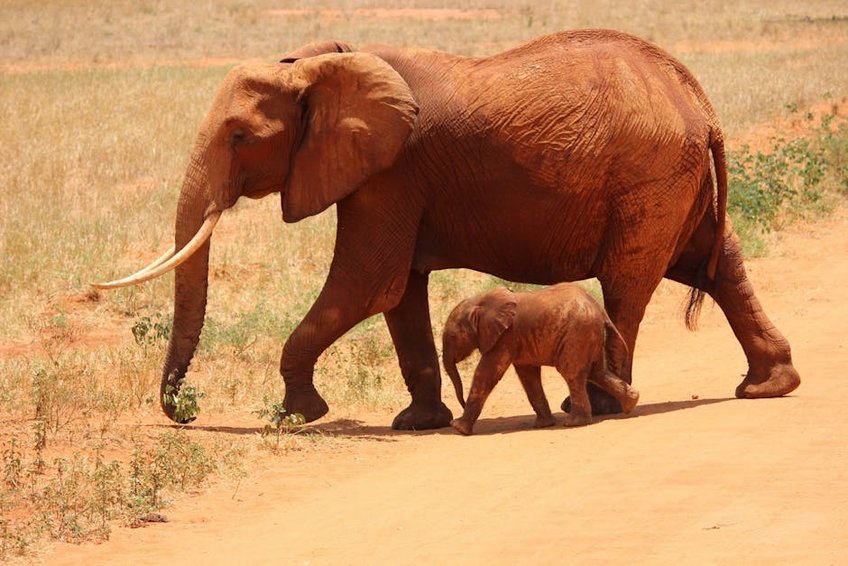
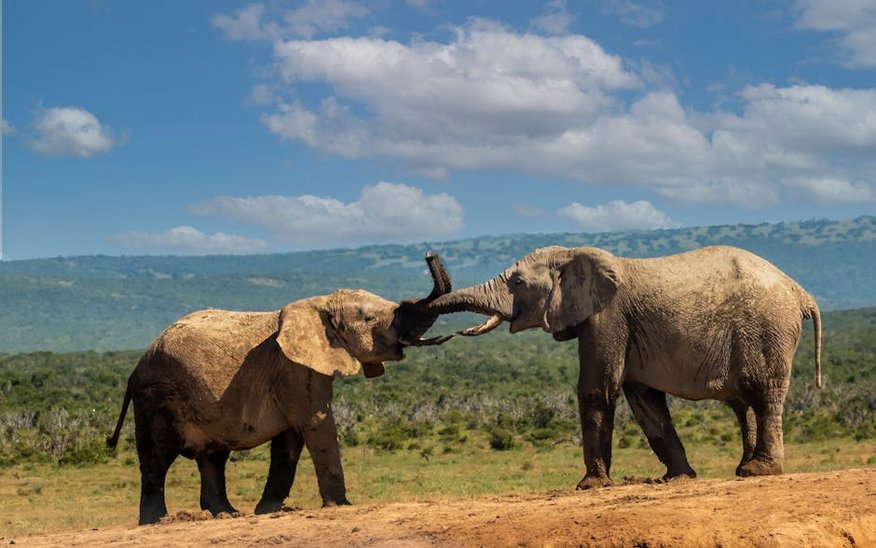
Witnessing the Kenya Amboseli elephant herds offers an unparalleled African wildlife experience where hundreds of elephants roam freely against Mount Kilimanjaro’s stunning backdrop. These massive herds, some containing over 1,600 individuals across 50 family units, provide incredible viewing opportunities during dry seasons when they congregate around permanent water sources. Your safari adventure combines elephant behavioral observations with photographic moments in one of Kenya’s most accessible national parks.
Essential Amboseli National Park Information
Amboseli National Park spans 392 square kilometers in southern Kenya, bordering Tanzania near Mount Kilimanjaro. The park’s ecosystem features swamps, savannah grasslands, and acacia woodlands that support diverse wildlife beyond its famous elephant populations. Established as a reserve in 1906 and gaining national park status in 1974, Amboseli represents one of Africa’s oldest protected areas with continuous conservation efforts.
Elephant herds here benefit from the park’s unique hydrological system, where underground rivers from Kilimanjaro create permanent swamps. These water sources sustain wildlife during dry seasons from June to October, creating ideal viewing conditions. The Amboseli Elephant Research Project, ongoing since 1972, provides valuable insights into elephant social structures and behaviors observed throughout the park.
Park Geography and Ecosystems
Understanding Amboseli’s landscape enhances your wildlife viewing experience across its distinct zones.
- Swamp Areas: Permanent wetlands like Enkongo Narok and Longinye support elephant herds daily, with observation points accessible via designated tracks during morning hours before crowds arrive.
- Savannah Plains: Open grasslands dominate the central park, offering unobstructed elephant viewing particularly during early morning and late afternoon game drives when animals are most active.
- Acacia Woodlands: These peripheral areas provide shade and browsing opportunities for elephants, with specific trees showing distinctive stripping patterns from generations of elephant feeding behavior.
- Budget Safari: $150-250 USD daily covers basic campsite accommodations outside the park, self-drive vehicle rentals, and park entry fees, requiring advance meal preparation and limited guided activities.
- Mid-Range Safari: $350-600 USD daily includes comfortable lodge accommodations with full board, shared game drives with professional guides, and transportation from Nairobi, representing the best value for most travelers.
- Luxury Safari: $700-1,200 USD daily provides premium tented camps inside the park, private vehicle game drives with expert guides, gourmet dining, and additional experiences like sundowners or bush walks.
- Kenya Wildlife Service – Amboseli National Park
- Amboseli Trust for Elephants Research
Elephant Population Dynamics
Amboseli’s elephant population represents one of Africa’s most studied and protected herds with unique characteristics. Researchers have documented individual elephants across multiple generations, recognizing matriarchs leading family units of 8-20 members each. The herds follow traditional migration routes between Kenya and Tanzania, though they predominantly remain within Amboseli’s protected boundaries.
Conservation success here stems from community partnerships with local Maasai landowners who recognize elephants’ economic value through tourism. Elephant viewing peaks during dry months when water scarcity concentrates animals around predictable locations. Herd movements typically follow dawn and dusk patterns, with midday rest periods in shaded areas away from tourist routes.
Wildlife Beyond Elephants
While elephant herds dominate Amboseli’s landscape, the park supports impressive biodiversity across its ecosystems. You’ll encounter buffalo herds, zebra migrations, and giraffe families alongside predators like lions, cheetahs, and hyenas. Birdwatchers document over 400 species here, including numerous raptors and waterbirds inhabiting the swamp regions.
The park’s relatively small size creates concentrated wildlife viewing opportunities compared to larger Kenyan reserves. Your safari experience benefits from Amboseli’s open vistas that allow extended animal observation across considerable distances. Morning game drives typically yield the most active wildlife sightings before temperatures rise significantly.
Alt: “amboseli-national-park-elephant-herds-mount-kilimanjaro-backdrop”
Kenya Amboseli Elephant Herds – Planning Your Trip
Organizing your Kenya Amboseli elephant herds safari requires considering seasonal patterns, accommodation options, and viewing strategies for optimal wildlife encounters. The dry season from June to October offers prime elephant viewing as herds concentrate around permanent water sources with minimal vegetation obstruction. You’ll find various lodging choices ranging from luxury tented camps to budget-friendly options outside park boundaries.
Booking your safari 3-6 months in advance secures preferred accommodations during peak seasons, while last-minute travelers might find availability during shoulder months. Park entry fees cost $60 USD for adults per day, with additional vehicle fees bringing total access costs to approximately $80-100 USD daily. Many visitors combine Amboseli with other Kenyan destinations like Tsavo or Masai Mara for comprehensive wildlife experiences.
Best Time to Visit Amboseli
Visit Amboseli between June and October for optimal elephant viewing conditions, with daytime temperatures ranging from 70-85°F (21-29°C) and minimal rainfall below 1 inch monthly. These dry months force elephant herds to congregate around permanent swamps, creating predictable viewing locations and excellent photographic opportunities against clear skies. January and February also provide good conditions with slightly greener landscapes after short rains.
Avoid April and May during long rains when roads become challenging and elephant dispersal reduces viewing consistency. Shoulder months like November and March offer fewer crowds with reasonable wildlife sightings, though afternoon showers might occasionally disrupt game drives. Early morning starts around 6:30 AM maximize animal activity before temperatures peak near midday.
Budget Planning and Costs
Your Amboseli safari budget varies significantly based on accommodation style, transportation method, and tour inclusions.
Essential Preparation Checklist
Pack neutral-colored clothing in beige, green, or brown tones to blend with the environment during wildlife viewing activities. Essential gear includes binoculars (8×42 magnification recommended), cameras with telephoto lenses (200-400mm ideal), sun protection (SPF 50+), and sturdy closed-toe shoes for occasional walking safaris. Layered clothing accommodates temperature variations from 55°F (13°C) mornings to 85°F (29°C) afternoons.
Secure comprehensive travel insurance covering emergency medical evacuation, as nearest quality medical facilities remain in Nairobi approximately 4 hours away. Obtain your Kenyan eVisa online 2-3 weeks before travel for $51 USD, valid for 90 days, and ensure passport validity extends 6 months beyond your departure date. Book malaria prophylaxis since Amboseli sits in a moderate-risk zone despite its arid climate.
Top Attractions and Safari Activities
Amboseli delivers exceptional wildlife experiences beyond elephant viewing, with diverse activities accommodating various interests and fitness levels. Morning and late afternoon game drives yield the most animal activity, while guided nature walks provide intimate landscape experiences away from vehicles. Cultural visits to Maasai villages offer insights into local traditions and conservation partnerships benefiting both communities and wildlife.
Observation Hill provides panoramic park views perfect for sunset photography and landscape appreciation across the swamp systems. The various swamp areas host different wildlife concentrations throughout the day, with Enkongo Narok Swamp typically attracting the largest elephant herds during dry months. Your safari itinerary should balance structured game drives with relaxed observation periods at prime viewing locations.
Must-See Highlights
Observation Hill offers 360-degree park vistas, accessible via a gentle climb perfect for photographing elephant herds against Kilimanjaro’s backdrop during early morning light. Enkongo Narok Swamp hosts the largest elephant concentrations from July to October, with viewing platforms providing extended observation opportunities of social interactions and bathing behaviors. The park’s western sector features acacia woodlands where elephant families browse, creating classic African safari imagery.
Kitirua Conservancy bordering the park provides additional viewing areas with fewer vehicles, accessible through specific lodges for more exclusive experiences. Lake Amboseli’s seasonal fluctuations attract different bird species throughout the year, with greater flamingo populations appearing during wetter periods. These highlights deliver comprehensive wildlife encounters across Amboseli’s diverse ecosystems during standard 2-3 day visits.
Hidden Gems and Local Favorites
Lesser-visited Kimana Gate area offers tranquil elephant viewing with minimal tourist traffic, particularly during midday hours when main park areas experience higher vehicle density. The sinamai circuit near the Tanzanian border provides opportunities to observe elephant migration patterns and cross-border movements rarely seen by most visitors. Local guides know specific acacia groves where particular elephant families traditionally rest during hottest hours.
Maasai guides share knowledge of traditional plant uses and animal tracking techniques during walking safaris in designated conservancy areas. Early morning visits to the park’s northern swamps often reveal nocturnal animals returning from nightly activities before daytime crowds arrive. These insider experiences deepen your understanding of Amboseli’s ecosystem beyond standard game drive routines.
Photography Techniques for Elephant Herds
Successful elephant photography requires understanding animal behavior, lighting conditions, and composition techniques specific to Amboseli’s environment. Early morning light between 6-8 AM creates warm tones and long shadows that accentuate elephant textures and Kilimanjaro backdrops. Position your vehicle with the sun behind or to the side for optimal illumination, using bean bags or window mounts for camera stability during shooting.
Capture behavioral sequences like mud bathing, social greetings, or calf interactions that tell compelling wildlife stories beyond standard portraits. Telephoto lenses (300mm minimum) isolate subjects against blurred backgrounds, while wider angles (24-70mm) incorporate environmental context during landscape scenes. Patience proves essential for anticipating moments rather than rushing shots as elephant herds move at their own deliberate pace.
Practical Travel Information and Logistics
Reaching Amboseli involves multiple transportation options from Nairobi, with drive times averaging 4-5 hours depending on road conditions and traffic. Most visitors access the park through the main Meshanani Gate, though alternative entries like Kitirua Gate serve specific lodges and conservancies. Internal park navigation requires 4×4 vehicles during wet seasons, though standard safari vehicles suffice in dry months across main circuits.
Accommodation choices range from luxurious tented camps inside the park to budget-friendly lodges in nearby towns like Kimana or Emali. Advance reservations prove essential during peak seasons from June-October and December-January when availability becomes limited. Your safari experience benefits from flexible scheduling that accommodates weather variations and animal movement patterns.
| Accommodation Type | Features and Amenities | Price Range (USD) |
|---|---|---|
| Luxury Tented Camps | Inside park locations, private guides, gourmet dining, swimming pools | $400-800 nightly |
| Mid-Range Lodges | Pool facilities, organized game drives, comfortable rooms, buffet meals | $200-350 nightly |
| Budget Camps | Basic amenities, self-catering options, shared facilities, outside park | $50-150 nightly |
| Conservancy Camps | Exclusive access, walking safaris, cultural activities, higher privacy | $300-600 nightly |