Ethiopia Simien Mountains Trek: Trending Discovery 2025

Ethiopia Simien Mountains Trek: High-Altitude Adventure Awaits

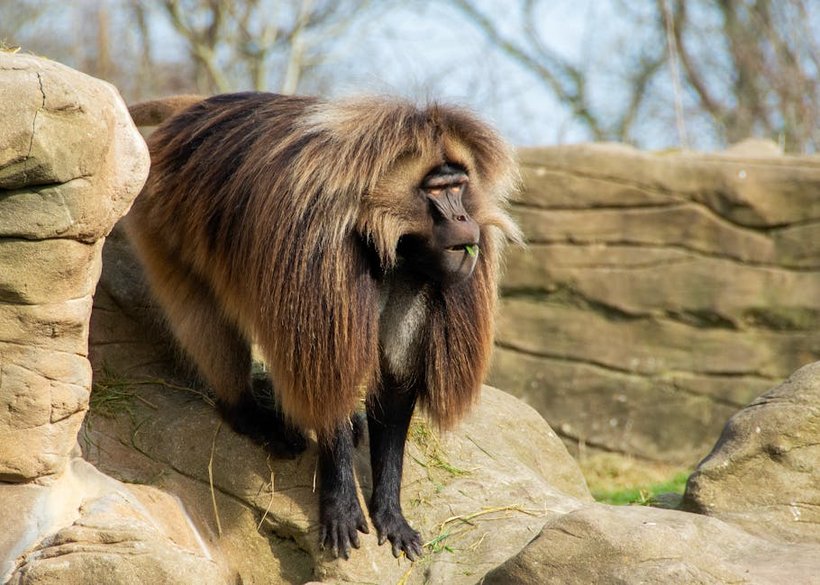
The Ethiopia Simien Mountains Trek immerses you in one of Africa’s most dramatic landscapes, where jagged peaks soar over 4,000 meters and unique wildlife roams freely. This UNESCO World Heritage site offers unparalleled hiking through rugged terrain, with chances to spot Gelada baboons and Ethiopian wolves in their natural habitat. Our guide covers everything from seasonal planning and budget tips to cultural insights and practical logistics for your expedition.

Essential Simien Mountains Information

The Simien Mountains National Park spans over 400 square kilometers in northern Ethiopia, featuring some of the continent’s highest peaks like Ras Dashen at 4,550 meters. This high-altitude region experiences distinct wet and dry seasons, dramatically affecting trail conditions and wildlife visibility. UNESCO designated it a World Heritage site due to its exceptional biodiversity and geological significance.

Geography and Climate Basics

The Simien Mountains form part of the Ethiopian Highlands, created by volcanic activity millions of years ago and subsequently eroded into deep valleys and sharp precipices. Temperatures range from 50°F to 68°F (10°C to 20°C) during daytime, dropping below freezing at night, with annual rainfall varying between 900mm and 1,200mm. The landscape transitions from Afro-alpine meadows to precipitous cliffs, creating microclimates across different elevations.

Wildlife and Biodiversity

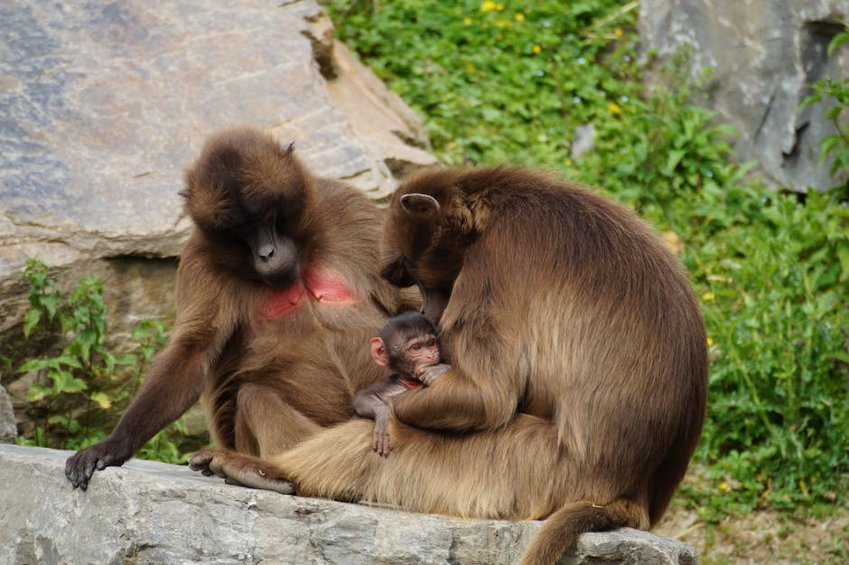
The park protects several endemic species found nowhere else on Earth, including the charismatic Gelada baboon and critically endangered Ethiopian wolf. Birdwatchers can spot over 180 species, from the majestic Lammergeier vulture to the thick-billed raven, while Walia ibex navigate sheer cliff faces. Conservation efforts focus on preserving these unique animals through community-based tourism and anti-poaching patrols.

Historical and Cultural Significance

Local communities like the Amhara people have inhabited these highlands for centuries, maintaining agricultural traditions and Orthodox Christian practices dating to the 4th century. Historical sites include ancient churches and monasteries hidden in the mountains, while traditional village life continues with terraced farming and coffee ceremonies. The region’s isolation has preserved cultural heritage despite modernization pressures.

Planning Your Ethiopia Simien Mountains Trek

Organizing your Ethiopia Simien Mountains Trek requires careful consideration of seasons, physical preparation, and logistical arrangements for optimal experience. The dry season from October to March provides the best conditions, while shoulder months offer fewer crowds but unpredictable weather patterns. Budget between $800 and $3,000 depending on tour style, duration, and comfort level.

Best Time to Visit Simien Mountains

October through early December delivers ideal trekking conditions with clear skies, moderate temperatures of 55-70°F (13-21°C), and minimal rainfall for comfortable hiking. January to March brings colder nights near freezing but excellent visibility, while June to September sees heavy rains making trails slippery and access difficult. Shoulder months like April and May offer blooming flowers but require flexibility for sudden weather changes.

Budget Planning and Costs

Your trekking budget varies significantly based on group size, duration, and comfort preferences.

  1. Budget trekking: $800-1,200 covers camping, basic meals, and mandatory scout/guide fees for 4-5 days, ideal for self-sufficient travelers bringing their own gear.
  2. Mid-range option: $1,500-2,200 includes better equipment, lodge accommodations some nights, and experienced guides with wildlife knowledge over 6-7 days.
  3. Luxury experience: $2,500-3,000 features premium lodges, vehicle support, certified guides, and gourmet meals throughout an 8-day comprehensive itinerary.
  4. Essential Preparation Checklist

    Proper gear and documentation ensure a safe and enjoyable high-altitude adventure.
    • Layered clothing system including thermal base layers, insulated jacket, and waterproof outer shell for temperature extremes from 20°F to 70°F (-7°C to 21°C).
    • Sturdy broken-in hiking boots with ankle support, trekking poles for steep descents, and sleeping bag rated to 20°F (-7°C) for cold nights.
    • Required documents include Ethiopian visa ($52-82 depending on nationality), travel insurance with emergency evacuation, and park entry permits arranged through licensed operators.
    • Ethiopia Simien Mountains Trek

      Top Attractions and Trekking Experiences

      The Simien Mountains deliver breathtaking scenery and unique wildlife encounters across various trekking routes suitable for different fitness levels. From multi-day expeditions to Ras Dashen summit to shorter walks to dramatic viewpoints, the park offers diverse experiences. Local guides enhance your journey with insights into ecology, culture, and the best photographic opportunities.

      Must-See Highlights

      Gich Camp provides stunning sunrise views over the mountains and reliable Gelada baboon sightings in nearby meadows each morning. Sankaber area features the dramatic Jinbar Waterfall plunging 500 meters into a gorge, accessible via a moderate 3-hour hike from the park headquarters. Ras Dashen summit challenges experienced trekkers with a 2-3 day ascent to Ethiopia’s highest point at 4,550 meters, requiring acclimatization.

      Chennek Camp serves as the best location for spotting Walia ibex on cliff faces and offers access to Bwahit Peak at 4,430 meters. The Silki Plateau presents expansive Afro-alpine meadows dotted with giant lobelia plants and excellent birdwatching opportunities throughout the day. Each site requires proper timing—early mornings for wildlife, midday for clearer views, and golden hour for photography.

      Hidden Gems and Local Favorites

      Arkwazye Village offers authentic cultural experiences where visitors can participate in traditional coffee ceremonies and learn about local farming techniques. The lesser-trekked pathways around Ambiko provide solitude and unexpected wildlife encounters without the crowds of main routes. Local guides know secluded viewpoints like Limalimo Lodge area for spectacular sunset photography over the escarpment.

      Community-run campsites like Sona give back directly to villages while providing unique overnight experiences with home-cooked meals. These hidden spots require local knowledge to access but deliver more intimate connections with the landscape and people. Ask your guide about adding these detours to standard itineraries.

      Trekking Routes and Difficulty Levels

      The classic Simien trek spans 4-5 days covering approximately 60 kilometers from Sankaber to Chennek, suitable for moderate fitness levels with daily ascents of 500-800 meters. Extended routes to Ras Dashen add 2-3 days and significant altitude gain, requiring excellent physical condition and prior high-altitude experience. Shorter 2-3 day options focus on specific areas like Gich to Sankaber for those with limited time.

      Each route presents different challenges—rocky trails, rapid weather changes, and altitude effects above 3,000 meters. Beginners should choose guided tours with vehicle support, while experienced trekkers can attempt more remote sections with proper preparation. Daily distances range from 10-18 kilometers depending on elevation gain and pace.

      Practical Travel Information

      Reaching the Simien Mountains involves flying to Gondar or driving from Addis Ababa, followed by road transport to the park entrance at Debark. Accommodation ranges from basic camping to comfortable lodges, with prices reflecting amenities and location accessibility. Advance booking through reputable operators ensures permits, guides, and logistics are properly arranged.

      Getting There and Around

      Fly into Gondar Airport (GDQ) from Addis Ababa Bole International Airport (ADD) on Ethiopian Airlines, with daily 1-hour flights costing $80-120 one-way. From Gondar, hired 4×4 vehicles transport you to Debark park headquarters in 2-3 hours over 100 kilometers of paved and unpaved roads. Within the park, all movement happens on foot with mandatory scouts and guides accompanying each group.

      Road conditions vary significantly—paved highways connect cities but mountain tracks require robust vehicles, especially during rainy season. Public transportation exists but proves unreliable for trekking schedules, making private transfers worth the investment. Navigation apps work poorly in remote areas, emphasizing the need for experienced local drivers.

      Where to Stay

      Debark town offers basic hotels like Simien Park Hotel ($15-25/night) for pre-trek overnight stays near the park entrance. Inside the park, designated campsites provide stunning locations but require bringing all equipment or booking through tour operators. Limalimo Lodge stands as the premium option with eco-friendly design and panoramic views from its location near the escarpment edge.

      Booking accommodations 2-3 months in advance secures better options, especially during peak season from October to January. Mid-range choices include Simien Lodge, Africa’s highest hotel at 3,260 meters, offering heated rooms and oxygen for altitude adjustment. Budget travelers should expect basic facilities with shared bathrooms and limited electricity outside main towns.

      Ethiopia Simien Mountains Trek

      Food, Culture, and Local Experience

      Ethiopian cuisine features unique flavors and communal dining traditions centered around injera bread and spicy stews called wot. Cultural interactions with local Amhara communities reveal ancient Christian traditions, coffee ceremonies, and agricultural practices unchanged for generations. Respectful engagement enhances your experience while supporting conservation through tourism revenue.

      Local Cuisine and Must-Try Dishes

      Injera, a spongy fermented flatbread, serves as the staple food, used to scoop up various vegetable and meat dishes like doro wot (chicken stew) and shiro (chickpea paste). Traditional meals include tibs (sautéed meat), kitfo (minced beef), and fasting foods like lentil stews during religious periods. Restaurants in Gondar such as Four Sisters and Habesha Restaurant offer authentic versions with cultural performances.

      Meal costs range from $3-8 in local eateries to $15-25 in tourist restaurants, with bottled water essential for avoiding stomach issues. Vegetarian options abound due to Ethiopian Orthodox fasting traditions, while meat dishes use beef, chicken, or lamb. Always wash hands before eating as utensils aren’t typically used in traditional settings.

      Cultural Tips and Etiquette

      Dress modestly covering shoulders and knees, especially when visiting churches or rural communities, to show respect for conservative norms. Greet people with a slight bow and handshake, using basic Amharic phrases like “selam” (hello) and “ameseginalehu” (thank you) appreciated by locals. Photography requires permission for people and religious sites, with small tips expected for posed shots.

      Tipping customs include 10-15% in restaurants, $5-10 daily for guides, and $3-5 for scouts and drivers depending on service quality. Religious sensitivity is crucial—remove shoes before entering churches, avoid disruptive behavior during ceremonies, and respect fasting periods when meat dishes disappear from menus. Bargaining happens in markets but not in established shops.

      Interacting with Local Communities

      Village visits provide income directly to families through homestays or cultural demonstrations like weaving and coffee ceremonies. Ask guides to arrange interactions rather than approaching randomly, ensuring respectful engagement and fair compensation for hospitality. Learning a few phrases in Amharic breaks barriers and creates more meaningful connections during your travels.

      Community tourism projects like those in Mekane Berhan village demonstrate how tourism supports conservation and local development. These experiences typically cost $10-20 per person and include traditional meals, dancing, and insights into daily life. Your participation funds school supplies, healthcare, and environmental initiatives in remote mountain communities.

      Sources and References

      • Ethiopian Tourism Organization
      • UNESCO World Heritage Centre
      • Frequently Asked Questions

        When is the best time to visit Simien Mountains for trekking?

        Visit between October and March for optimal trekking conditions with dry trails, clear skies, and comfortable temperatures of 50-70°F (10-21°C). These months avoid the heavy June-September rains that make routes slippery and provide the best wildlife viewing opportunities as animals gather around reliable water sources.

        How much does a Simien Mountains trek cost?

        A Simien Mountains trek costs $800-3,000 depending on duration, group size, and comfort level, with budget camping at the lower end and luxury lodges at the higher range. This typically includes park fees ($25-50), guide/scout services ($15-30 daily), accommodation, meals, and transportation from Gondar.

        How many days do you need for Simien Mountains trek?

        Plan 4-7 days to experience the main highlights, with 4-5 days covering the classic route and 6-7 days allowing summit attempts or more leisurely exploration. Shorter 2-3 day trips focus on specific areas but miss key attractions like Ras Dashen or extended wildlife viewing opportunities.

        How do you get to Simien Mountains?

        Fly to Gondar Airport (GDQ) from Addis Ababa on Ethiopian Airlines, then drive 2-3 hours to Debark park headquarters where treks begin. Alternatively, take a 12-hour bus from Addis Ababa to Gondar ($15-25) before arranging local transport, though flying saves time and avoids rough road travel.

        Where should you stay for Simien Mountains trek?

        Stay in Debark for budget options before your trek, or book lodges inside the park like Simien Lodge for immediate access to trails. Camping at designated sites offers the most authentic experience, while luxury choices like Limalimo Lodge provide comfort after long hiking days.

        Is Simien Mountains safe for travelers?

        Yes, Simien Mountains maintains good safety records with mandatory guides and scouts accompanying all trekkers to ensure route safety and wildlife awareness. Basic precautions like acclimatizing to altitude, staying on marked trails, and following guide instructions prevent most issues in this remote region.

        Do you need special preparation for Simien Mountains trek?

        Yes, you need proper acclimatization, sturdy hiking gear, and physical conditioning for high-altitude trekking with daily ascents of 500-800 meters. Additional preparation includes Ethiopian visa acquisition, travel insurance with emergency evacuation coverage, and booking through licensed operators for permit arrangements.

        Final Trekking Preparation Tips

        The Ethiopia Simien Mountains Trek delivers unparalleled high-altitude adventure through dramatic landscapes inhabited by unique wildlife and traditional communities. Your Ethiopia Simien Mountains Trek succeeds with careful physical training, flexible weather planning, and bookings made 3-4 months ahead for peak season visits. Allocate extra days for acclimatization and cultural interactions to fully appreciate this extraordinary destination.

        Related Stories

        spot_img

        Discover

        South Korea Jinhae Cherry Blossom Festival: 3 Essential

        South Korea Jinhae Cherry Blossom Festival: Your Guide to the Pink Canopy The South Korea...

        2026 Current India Jaipur Rose Festival Routes

        India Jaipur Rose Festival: A Guide to the Blossoming Celebration The India Jaipur Rose Festival...

        Ultimate Nepal Holi Festival Kathmandu Guide 12 Tips

        Nepal Holi Festival Kathmandu: A Guide to Celebrating the Festival of Colors Celebrating the Nepal...

        Philippines Moriones Festival Marinduque: 12 Ultimate

        Philippines Moriones Festival Marinduque Experiencing the Philippines Moriones Festival Marinduque offers a profound dive into...

        Top Indonesia Nyepi Silence Day Bali Guide 5 Tips

        Indonesia Nyepi Silence Day Bali Nyepi, the Balinese Day of Silence, transforms the vibrant island...

        Complete Vietnam Hue Festival Cultural Events Journey 3 Tips

        Vietnam Hue Festival Cultural Events The Vietnam Hue Festival cultural events represent a spectacular biennial...

        Popular Categories

        Comments

        LEAVE A REPLY

        Please enter your comment!
        Please enter your name here

      Category Options/Features Price Range (USD)
      Budget Camping Basic tents, communal facilities, scout included $25-40/night
      Mid-Range Lodges Private rooms, hot showers, restaurant meals $80-150/night
      Luxury Eco-Lodges Heated rooms, gourmet dining, guided activities $200-350/night
      Guided Tour Packages All-inclusive: transport, meals, guides, permits $800-3,000 total