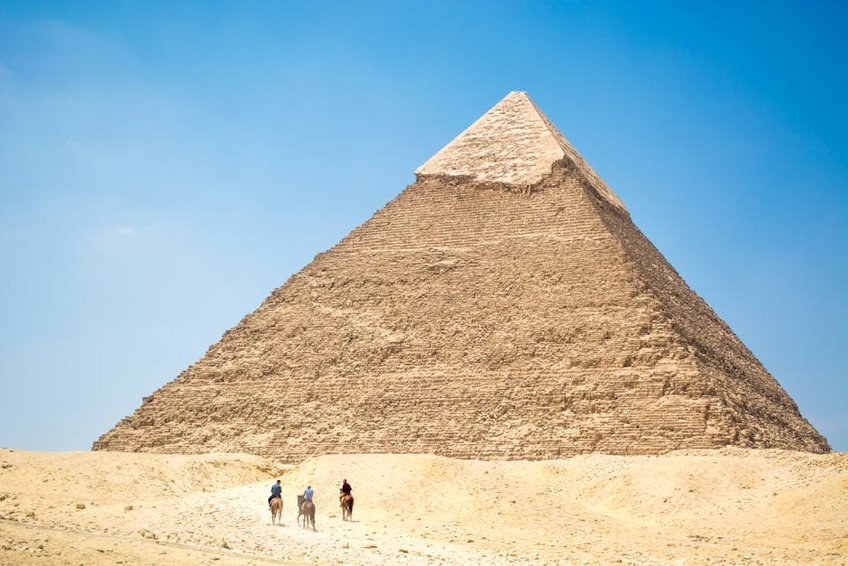
Sudan Meroe Pyramids Desert: Ancient Nubian Wonders
The Sudan Meroe Pyramids Desert presents a remarkable archaeological landscape where over 200 ancient Nubian pyramids rise from the Sahara sands, offering a quieter alternative to Egypt’s Giza complex. These UNESCO World Heritage structures date back to the Meroitic Kingdom, featuring distinctive steep angles and offering incredible photography opportunities against dramatic desert backgrounds. This guide covers essential travel planning, cultural insights, and practical tips for exploring these historic treasures safely and enjoyably.
Essential Historical and Geographical Information
The Meroe pyramids served as royal burial sites for the Kingdom of Kush, which flourished between 800 BCE and 350 CE, representing one of Africa’s most advanced ancient civilizations. These Nubian structures differ significantly from Egyptian pyramids with their narrower bases, steeper slopes, and decorative elements reflecting both Egyptian and African influences. The archaeological site spans three main pyramid fields containing tombs of kings, queens, and nobles across approximately one square mile of desert terrain.
Historical Significance and Discovery
European explorers first documented the pyramids in the 1820s, though local communities had preserved knowledge of these structures throughout centuries. The Meroitic Kingdom controlled extensive trade routes, developing its own written language and distinctive architectural style visible in the pyramid designs. Restoration efforts began in the early 20th century, with ongoing preservation work maintaining the site’s integrity against natural erosion and human impacts.
Geographic Location and Climate Conditions
The Meroe pyramids sit approximately 200 kilometers northeast of Khartoum in Sudan’s Nile Valley, positioned between the river and the Bayuda Desert. This region experiences extreme desert climate with daytime temperatures frequently exceeding 104°F (40°C) from May to September, dropping to pleasant 68-86°F (20-30°C) between November and February. Visitors encounter minimal rainfall year-round, with occasional sandstorms during transitional seasons requiring flexible itinerary planning.
Cultural Importance and Preservation Status
These pyramids represent the final flowering of Nubian pyramid building traditions, showcasing unique artistic elements blending Pharaonic Egyptian motifs with distinct African styles. Local Nubian communities maintain cultural connections to these ancient sites, with some archaeological evidence suggesting continuous local knowledge throughout Islamic periods. UNESCO designated Meroe as a World Heritage Site in 2011, recognizing its outstanding universal value while implementing conservation measures against environmental threats.
Sudan Meroe Pyramids Desert – Planning Your Trip
Visiting the Sudan Meroe Pyramids Desert requires careful advance preparation due to remote location, climate considerations, and specific entry requirements for international travelers. You’ll need to coordinate transportation from Khartoum, secure appropriate accommodations, and obtain necessary permits through registered tour operators. The experience rewards those who plan ahead with unparalleled access to ancient history without the crowds found at more famous pyramid sites.
Best Time to Visit Meroe Pyramids
The ideal visiting window falls between November and February when daytime temperatures range from 75-85°F (24-29°C) and nights cool to 50-60°F (10-15°C). These months offer comfortable exploration conditions with minimal rainfall and reduced sandstorm probability compared to spring months. March through April provides acceptable conditions though increasing heat may limit afternoon activities, while summer months from May to October prove extremely challenging with temperatures regularly above 100°F (38°C).
Budget Planning and Costs
Consider these three budget categories when planning your Nubian pyramids expedition.
- Budget travelers can manage with $50-80 daily using public transportation from Khartoum, basic guesthouses in nearby towns, and self-guided exploration with packed meals, though this requires more logistical effort and flexibility with conditions.
- Mid-range visitors typically spend $100-150 daily for organized day trips from Khartoum, comfortable hotels with air conditioning, licensed guides, and included meals, offering better comfort and convenience for pyramid exploration.
- Luxury experiences cost $200-300+ daily featuring private drivers, premium desert camps near the pyramids, expert archaeological guides, and comprehensive meal services with sunset viewing arrangements at the sites.
- UNESCO World Heritage Centre – Archaeological Sites of the Island of Meroe
- Lonely Planet – Meroe Pyramids Travel Guide
Essential Preparation Checklist
Pack lightweight, light-colored clothing covering arms and legs for sun protection, sturdy closed-toe shoes for walking on uneven terrain, and wide-brimmed hats with high-SPF sunscreen. Bring multiple water containers (minimum 3 liters daily), portable snacks, and basic first-aid supplies including rehydration salts for desert conditions. Secure comprehensive travel insurance covering medical evacuation, obtain your Sudanese visa in advance, and carry multiple photocopies of your passport and visa documentation.
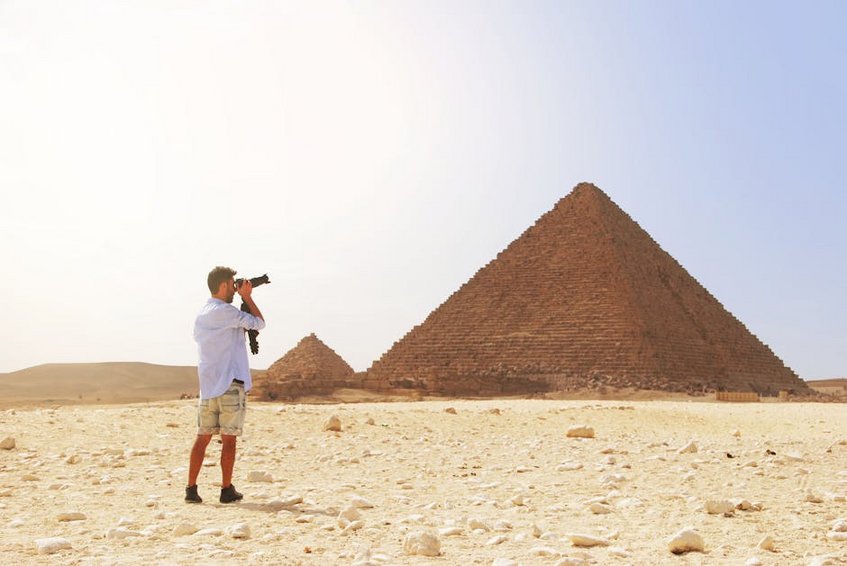
Alt: “meroe-pyramids-desert-landscape-sunset-view”
Top Archaeological Sites and Desert Activities
The Meroe pyramid fields divide into three main groups – northern, southern, and western – each containing dozens of structures with varying preservation states and architectural details. Beyond the pyramids themselves, visitors can explore nearby temples, royal baths, and settlement ruins that provide context about Meroitic daily life and cultural practices. Guided tours typically include the most accessible and impressive pyramids while specialized excursions can arrange access to more remote archaeological features.
Must-See Pyramid Complexes
The Northern Cemetery contains the best-preserved pyramids including those of King Arkamani and Queen Amanishakheto, featuring partially restored chapels with surviving inscriptions and decorative elements. The Southern Cemetery offers impressive structures though with more erosion damage, while the Western Cemetery contains smaller noble tombs with interesting architectural variations worth photographing during morning light. All three areas provide different perspectives on Meroitic burial practices and artistic development across centuries of pyramid construction.
Hidden Gems and Lesser-Known Sites
The Royal Baths complex located northeast of the main pyramids showcases advanced hydraulic engineering with elaborate water systems and decorative elements rarely found in other Nubian sites. Musawwarat es-Sufra, approximately 40 kilometers away, features extensive temple complexes with unique elephant sculptures and inscriptions providing insight into Meroitic religious practices. Naga archaeological site offers well-preserved temples blending Egyptian, Roman, and indigenous architectural styles, accessible as a day trip combining with Meroe pyramid visits.
Desert Photography and Exploration
Early morning and late afternoon provide optimal lighting conditions for pyramid photography, creating dramatic shadows and highlighting the structures’ distinctive silhouettes against desert backgrounds. Local guides can identify specific viewpoints that capture multiple pyramids in single frames and recommend angles that emphasize the steep profiles characteristic of Nubian architecture. Sunset photography sessions require special arrangements but reward visitors with spectacular color transitions across the sandstone structures and surrounding landscape.
Practical Travel Information and Logistics
Reaching the Meroe pyramids involves traveling from Khartoum by road, with journey times varying from 3-5 hours depending on transportation mode and specific route conditions. Accommodation options range from basic guesthouses in Shendi town to desert camps near the archaeological site itself, with significant differences in comfort levels and proximity to the pyramids. All visitors must register with local authorities and typically visit through approved tour operators who handle necessary permits and logistics.
| Accommodation Type | Features and Location | Price Range (USD) |
|---|---|---|
| Desert Camps | Basic tents near pyramids, shared facilities, included meals, sunset/sunset viewing | $80-120/night |
| Shendi Hotels | Air-conditioned rooms, private bathrooms, restaurant access, 30-minute drive to site | $40-70/night |
| Khartoum Hotels | International standards, swimming pools, multiple dining options, 3-4 hour drive to pyramids | $100-200/night |
| Local Guesthouses | Basic rooms, shared facilities, local meals, cultural interaction opportunities | $20-40/night |