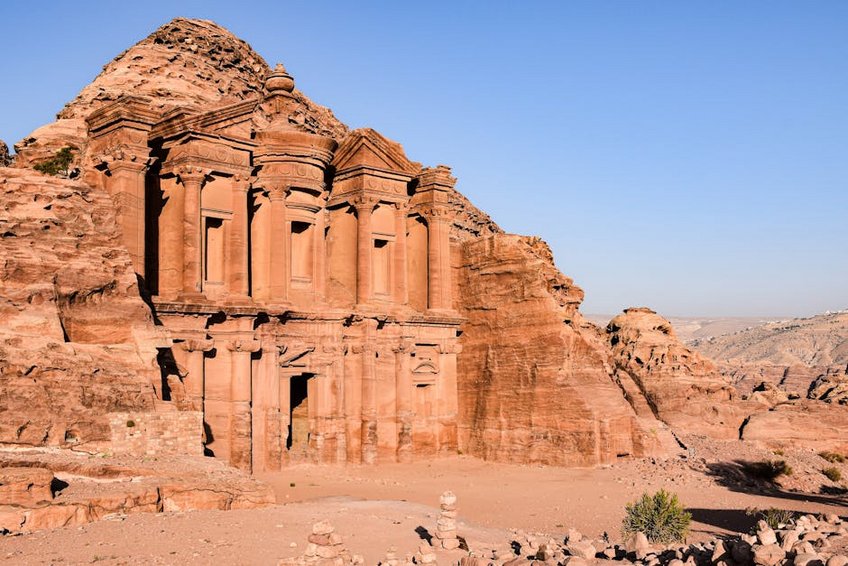
Jordan Little Petra Siq Trail: Ancient Canyon Adventure
The Jordan Little Petra Siq Trail offers a captivating journey through narrow sandstone canyons and ancient Nabatean ruins just north of the main Petra archaeological site. This hiking experience reveals intricate rock-cut tombs, water channels, and carvings while avoiding the larger crowds found at Petra’s famous Treasury. Your adventure along this historic route provides intimate access to Jordan’s rich cultural heritage and stunning desert landscapes.
Essential Little Petra Information
Siq al-Barid, commonly called Little Petra, served as a suburban settlement and caravan station for the ancient Nabatean kingdom around the 1st century BCE. The site features similar rock-cut architecture to main Petra but on a more intimate scale, with several chambers, triclinium dining rooms, and a narrow canyon entrance. Archaeological evidence suggests this location hosted traveling merchants and provided storage for goods along the incense trade route.
What Makes This Trail Special
This hiking route combines multiple elements that create a memorable desert experience.
- The main siq measures approximately 350 meters long with walls rising up to 40 meters, creating dramatic narrow passages that change color with sunlight angles throughout the day.
- Ancient water conservation systems remain visible along the route, including carved channels and cisterns that collected precious desert rainfall for Nabatean inhabitants.
- Several well-preserved Nabatean facades feature intricate carvings and classical elements that demonstrate the civilization’s architectural sophistication and cultural connections.
- Budget travelers can explore Little Petra for approximately $25-40 daily by using shared transportation from Wadi Musa ($5-10 round trip), bringing their own water and snacks, and combining the visit with their Petra ticket which typically includes Little Petra access.
- Mid-range visitors might spend $60-100 daily by hiring a private taxi for flexibility ($30-50), joining a guided tour for historical context ($20-30), and enjoying meals at local restaurants in Wadi Musa ($10-15 per meal).
- Luxury experiences range from $150-300 daily with private guided tours including transportation ($100-150), premium accommodations in Wadi Musa ($80-150 nightly), and special experiences like Bedouin-style meals in the desert ($30-50 per person).
- Jordan Tourism Board
- UNESCO World Heritage Centre – Petra
Historical Significance and Context
Little Petra functioned as an important satellite community to the main Petra city during the height of Nabatean power between the 4th century BCE and 2nd century CE. The site’s strategic location along trade routes allowed it to serve as a rest stop and trading post for caravans carrying frankincense, myrrh, and spices. Recent excavations have revealed evidence of painted frescoes in one structure, suggesting the presence of wealthy patrons or important ceremonial spaces.
The Nabateans developed sophisticated hydraulic engineering throughout the Petra region, with Little Petra containing multiple water management features. These systems enabled sustainable settlement in the arid environment by capturing seasonal rainfall in carved cisterns. The civilization’s decline began after Roman annexation in 106 CE, though the site continued to be used by later cultures including Byzantine and early Islamic periods.
Trail Specifications and Features
The Little Petra Siq Trail typically begins at the Siq al-Barid entrance and continues through the main canyon before connecting to surrounding desert paths. The primary section through the siq itself is relatively flat and accessible for most fitness levels, with the entire route covering approximately 2 kilometers round trip without extensions. Several chambers along the route contain carved interior spaces that visitors can explore, including the famous Painted House with its remaining fresco fragments.
Beyond the main siq, the trail connects to additional hiking routes that lead to viewpoints overlooking the Petra region and potential connections to the main Petra site via back routes. These extended paths vary in difficulty from moderate walks to more challenging scrambles, offering options for different experience levels. The entire area showcases the remarkable sandstone formations that characterize southern Jordan’s landscape, with colors shifting from pale pink to deep orange throughout the day.
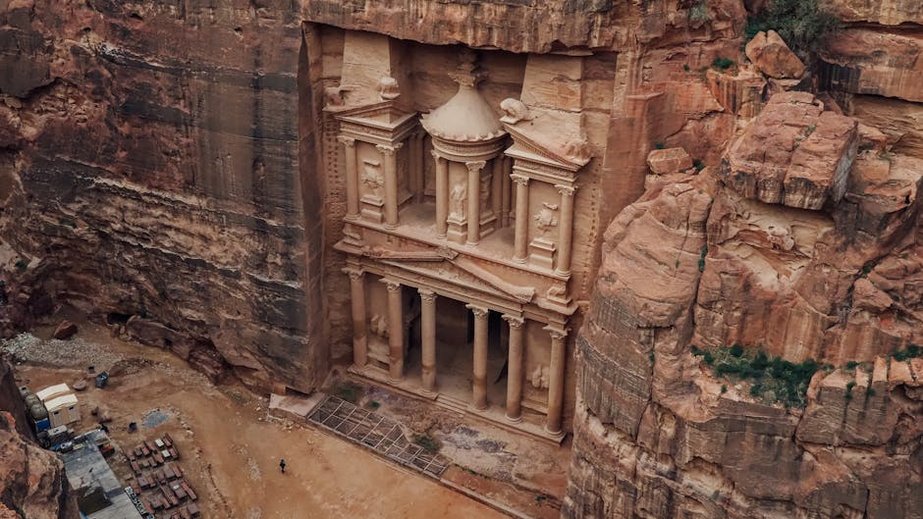
Alt: “little-petra-siq-canyon-narrow-passage-jordan”
Planning Your Jordan Little Petra Siq Trail Trip
Organizing your Jordan Little Petra Siq Trail adventure requires consideration of seasonal weather patterns, entry requirements, and local transportation options. The trail remains accessible year-round, but temperatures vary significantly between seasons, affecting the comfort and safety of your hiking experience. You’ll need to arrange transportation from nearby towns like Wadi Musa, where most visitors stay when exploring the Petra region.
Jordan operates a efficient tourism infrastructure with clear signage and established pathways at major archaeological sites like Little Petra. The site typically sees fewer visitors than main Petra, allowing for a more relaxed exploration pace and better photography opportunities without crowds. Planning your visit during early morning or late afternoon provides the most comfortable temperatures and optimal lighting conditions for appreciating the sandstone canyon’s colors.
Best Time to Visit Little Petra
Visit Little Petra between March and May or September to November for ideal hiking conditions with daytime temperatures ranging from 65-80°F (18-27°C). These spring and autumn months provide comfortable exploration weather without the extreme heat of summer or potential cold of winter. The landscape appears particularly vibrant during spring when occasional rainfall brings brief desert blooms to the surrounding areas.
Summer months from June to August bring intense heat with temperatures regularly exceeding 95°F (35°C), making hiking challenging during midday hours. Winter from December to February offers cooler conditions between 45-60°F (7-16°C) but brings potential rainfall and shorter daylight hours. Regardless of season, start your hike early to avoid peak heat and maximize your time exploring the site.
Budget Planning and Costs
Your Jordan travel budget should account for site entry fees, transportation, and additional experiences.
Essential Preparation Checklist
Proper preparation ensures a safe and enjoyable experience exploring Jordan’s desert archaeological sites. Pack sturdy walking shoes with good grip for uneven sandstone paths, sun protection including hat, sunglasses, and high-SPF sunscreen, and sufficient water—at least 2 liters per person for a half-day visit. Lightweight, breathable clothing that covers skin provides better sun protection than exposed areas during hiking.
Bring your Jordan Pass or purchase site entry tickets in advance during peak seasons to avoid queues, and carry local currency (Jordanian dinar) for small purchases, tips, or emergency transportation. Verify your travel insurance covers outdoor activities and medical evacuation, and download offline maps since cellular service can be unreliable in canyon areas. Inform your accommodation of your planned return time when hiking extended routes beyond the main siq.
Top Attractions and Activities
Beyond the main canyon passage, Little Petra offers several significant archaeological features and connection points to the wider Petra region. The site’s compact layout allows visitors to experience multiple highlights within a relatively small area, each revealing different aspects of Nabatean civilization and desert landscape. Many visitors combine their Siq al-Barid exploration with viewpoints overlooking the dramatic Wadi Arabah region.
The entire Petra archaeological park spans approximately 264 square kilometers, with Little Petra representing one of several significant clusters of Nabatean remains. Unlike the main Petra site which requires substantial walking between major monuments, Little Petra’s attractions concentrate within a manageable area ideal for visitors with limited time or mobility. The intimate scale allows for detailed examination of architectural features that might be overlooked in larger, more crowded archaeological sites.
Must-See Highlights
The Painted Biclinium represents one of Little Petra’s most significant structures, containing remnants of ancient frescoes that once decorated the interior walls. This chamber likely served ceremonial purposes for Nabatean religious practices or elite gatherings, with the remaining painted fragments showcasing classical influences in their depiction of vines, figures, and geometric patterns. Access requires climbing a modern staircase but provides a unique glimpse into Nabatean artistic traditions beyond architectural carving.
The main siq entrance immediately impresses with its narrow, winding passage through towering sandstone walls that filter sunlight into dramatic patterns. Several triclinium dining rooms carved into the canyon walls feature raised platforms where participants would recline during meals, demonstrating the social and ritual importance of communal dining in Nabatean culture. The water channel systems remain visible along the siq walls, highlighting the engineering sophistication that enabled settlement in this arid environment.
Hidden Gems and Local Favorites
Beyond the main tourist path, a short climb leads to viewpoints above the siq that provide panoramic perspectives of the canyon’s formation and surrounding desert landscape. These elevated positions offer excellent photography opportunities, particularly during golden hour when the low-angle sunlight intensifies the sandstone’s red and orange hues. Local Bedouin guides sometimes share stories about the area’s more recent history and their cultural connections to the landscape.
The nearby Neolithic village sites predate the Nabatean structures by thousands of years, representing some of the earliest human settlements in the region. While less visually dramatic than the carved facades, these archaeological remains provide important context about the long history of human habitation in the Petra area. Some visitors arrange through local guides to follow ancient paths connecting Little Petra to the main site, though these routes require good fitness and local knowledge.
Guided Tour Options
Numerous licensed tour operators in Wadi Musa offer guided experiences at Little Petra, with options ranging from brief introductory tours to comprehensive full-day explorations connecting multiple sites. Specialized archaeology-focused tours provide deeper historical context about Nabatean civilization, trade routes, and architectural techniques visible throughout the siq. Photography tours time visits for optimal lighting conditions and guide participants to the best vantage points for capturing the canyon’s unique features.
Bedouin-led tours incorporate cultural elements beyond standard historical narratives, sharing personal connections to the landscape and traditional knowledge about desert survival. These experiences might include tea preparation in desert settings, identification of native plants with practical uses, or stories about more recent history in the region. Multi-day hiking tours sometimes incorporate Little Petra as part of longer trails through the Petra region, combining archaeological sites with wilderness camping experiences.
Practical Travel Information
Visiting Little Petra requires basic logistical planning regarding transportation, accommodation, and site access from the main tourist hub of Wadi Musa. The site lies approximately 8 kilometers north of Petra’s main entrance, accessible via the Desert Highway with clear signage directing visitors to the parking area. Most visitors base themselves in Wadi Musa, which offers a range of accommodation options and services catering to Petra region explorers.
The Jordan Pass includes entry to Little Petra along with many other historical sites nationwide, providing excellent value for visitors planning to explore multiple destinations. Independent travelers can easily reach the site using affordable taxi services from Wadi Musa, while organized tours typically include transportation as part of their package. Little Petra maintains shorter operating hours than the main Petra site, typically from 8:00 AM to 5:00 PM daily, with seasonal variations.
| Category | Options/Features | Price Range (USD) |
|---|---|---|
| Accommodation | Budget guesthouses in Wadi Musa with basic amenities, shared bathrooms | $25-50 nightly |
| Mid-Range Hotels | Comfortable hotels with private bathrooms, swimming pools, restaurant options | $70-120 nightly |
| Luxury Resorts | Premium properties with spa facilities, multiple dining venues, panoramic views | $150-300 nightly |
| Transportation | Taxi from Wadi Musa (round trip), rental car (daily), tour transportation | $15-60 daily |