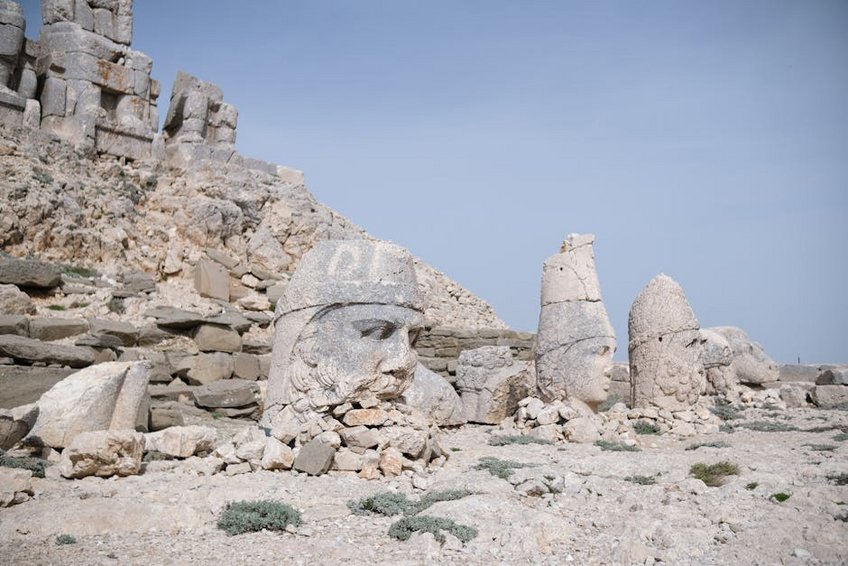
Turkey Mount Nemrut Statues: Ancient Wonders at Sunrise
The Turkey Mount Nemrut Statues stand as one of Anatolia’s most enigmatic archaeological treasures, drawing travelers to their remote mountain perch. These colossal stone heads and throne figures date to the 1st century BC Commagene Kingdom, blending Persian and Greek artistic traditions under King Antiochus I. This guide details sunrise viewing strategies, historical context, and practical logistics for your Eastern Turkey adventure.
Essential Nemrut Dağı Information
Mount Nemrut’s summit sanctuary sits at 2,134 meters (7,001 feet) elevation within Eastern Anatolia’s Adıyaman Province. King Antiochus I constructed this royal tomb-sanctuary around 62 BC, featuring terraces with giant statues up to 10 meters (33 feet) tall. The site remained largely unknown to the Western world until 1881 when German engineer Karl Sester documented the ruins.
UNESCO designated Mount Nemrut a World Heritage Site in 1987, recognizing its unique cultural synthesis. The monument’s statues depict various deities alongside the king himself, representing his divine ancestry claims. Visitors access the summit via a steep pathway, with the eastern and western terraces containing identical statue arrangements.
What You Need to Know Before Visiting
Understanding these key aspects ensures a smoother Nemrut experience.
- Altitude considerations require acclimatization, with temperatures dropping to -10°C (14°F) even in summer months at the summit.
- Limited infrastructure means bringing water and snacks, as only basic facilities exist at the base camp area near the parking lot.
- Photography permits aren’t required for personal use, but tripods need special authorization from site management for commercial shooting.
- Budget travelers spend $30-50 USD daily using public dolmuş minibuses from Adıyaman, staying in guesthouses, and packing meals, with entrance fees and basic expenses covered.
- Mid-range visitors allocate $75-120 USD daily for organized day tours including transportation, guide services, lunch, and comfortable hotels with breakfast included.
- Luxury experiences cost $200-350 USD daily featuring private guides, premium hotels in Kahta, gourmet meals, and special access permissions for photography sessions.
- Turkish Ministry of Culture and Tourism
- UNESCO World Heritage Centre
Historical Context and Significance
The Commagene Kingdom flourished between 163 BC and 72 AD as a buffer state between the Roman Empire and Parthian Empire. Antiochus I used the Mount Nemrut complex to cement his legacy through this syncretic religious monument. The statues combine Zeus-Oromasdes with Heracles-Artagnes-Ares and other composite deities.
Archaeological work intensified in the 1950s through American excavations, though the main burial chamber remains undiscovered. The site’s isolation contributed to its preservation, with the statues’ heads deliberately toppled possibly during early Christian periods. Modern conservation efforts focus on protecting the limestone statues from erosion.
Visiting Hours and Accessibility
The Mount Nemrut National Park opens daily from 8:00 AM until 7:00 PM during peak season from April through October. Winter access depends on weather conditions, with the road often closed from November through March due to heavy snowfall. The final ascent involves a 600-meter (1,969-foot) walk uphill from the parking area.
Visitors with mobility challenges can access the lower terraces with assistance, though the summit pathway remains steep and uneven. Golf cart services sometimes operate for an additional fee of approximately $10-15 USD, but availability varies seasonally. The site receives about 150,000 annual visitors, with crowds peaking at sunrise.
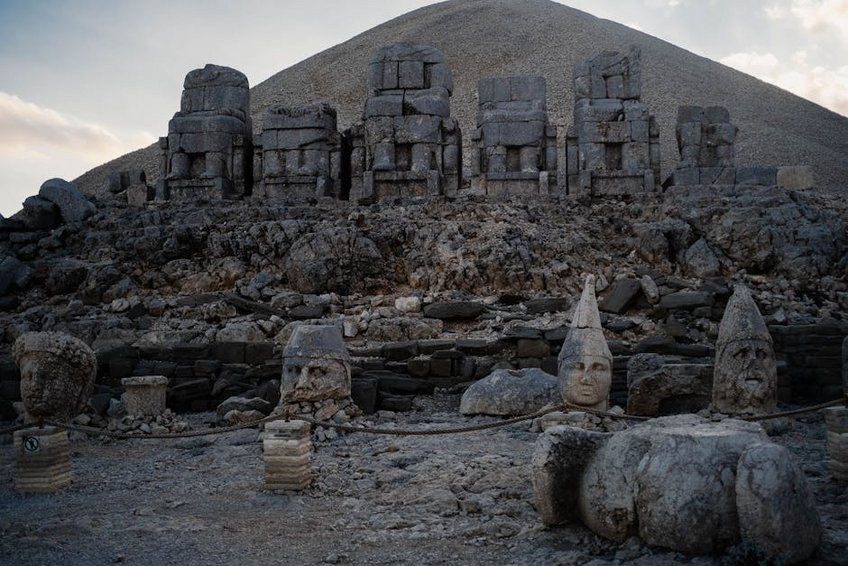
Alt: “mount-nemrut-sunrise-stone-heads-commagene-kingdom”
Turkey Mount Nemrut Statues – Planning Your Trip
Successful Turkey Mount Nemrut Statues visits require careful timing between May and September when roads remain clear and temperatures hover around 15-25°C (59-77°F) at base levels. The dry season from June to August offers the most reliable conditions, though you’ll share the experience with larger tourist groups. Booking guided tours from nearby cities like Malatya or Adıyaman simplifies logistics significantly.
Budget approximately $50-75 USD daily for mid-range independent travel, including shared transportation, entrance fees, and basic accommodations. Luxury tours including private guides and boutique hotels range from $150-300 USD per person daily. The Turkish Ministry of Culture and Tourism maintains the site with an entrance fee of approximately $10 USD per person.
Best Time to Visit Mount Nemrut
Peak season runs from mid-June through August, offering warm daytime temperatures around 20-25°C (68-77°F) but crowded sunrise viewings. These months provide the clearest skies for photography, though you should arrive at least 90 minutes before sunrise to secure prime viewing spots. Hotel prices increase 30-50% during this period, requiring advance reservations.
Shoulder months of May and September deliver ideal conditions with moderate crowds and pleasant temperatures between 10-20°C (50-68°F). The autumn landscape features golden hues, while spring brings wildflowers across the lower slopes. Winter visits from December to February appeal only to experienced adventurers willing to brave temperatures dropping to -15°C (5°F).
Budget Planning and Costs
Your Nemrut expedition cost varies significantly based on travel style and comfort level.
Essential Preparation Checklist
Pack layered clothing including thermal underwear, windproof jackets, and sturdy hiking boots for changing summit conditions. Essential gear includes headlamps for pre-dawn ascents, portable power banks for devices, and high-energy snacks since no food services exist atop the mountain. Photography equipment should include wide-angle lenses and polarizing filters for optimal statue shots.
Required documentation includes your passport for identification, though no special visas are needed for most Western passport holders for stays under 90 days. Book accommodations at least two months ahead for June-August visits, and confirm tour operators’ credentials through the Turkish Guides Association. Consider travel insurance covering high-altitude hiking and trip cancellations due to weather disruptions.
Top Attractions and Activities
The Eastern Terrace presents the most photogenic statue alignment during sunrise, with the stone heads catching the first light dramatically. This terrace contains five seated deities flanked by guardian lion and eagle statues, all facing the rising sun. The Western Terrace offers spectacular sunset views with softer lighting conditions and typically smaller crowds throughout the day.
The North Terrace features a processional road and ancient inscriptions detailing Antiochus’ religious reforms and dynasty history. Nearby Karakuş Tumulus offers another Commagene royal burial site with distinctive column monuments visible from the main highway. The Cendere Bridge, a Roman construction from the 2nd century AD, provides historical context just 15 kilometers from the mountain base.
Must-See Highlights
The colossal head of Antiochus I himself displays distinctive Armenian facial features and royal headgear on the Eastern Terrace. The Zeus-Oromasdes statue represents the largest deity figure at approximately 10 meters tall, though now toppled like the others. The guardian eagle and lion statues flanking the terraces symbolize royal power and divine protection in Commagene iconography.
The hierothesion (tomb-sanctuary) complex includes altars where ancient ceremonies occurred, with some retaining evidence of fire rituals. The stelae on the Western Terrace depict Antiochus shaking hands with various deities, emphasizing his claimed divine connections. The summit tumulus itself rises 50 meters high, though archaeological excavations haven’t yet located the actual burial chamber.
Hidden Gems and Local Favorites
Arsameia ruins located 25 kilometers from Nemrut feature reliefs of Mithridates I shaking hands with Hercules, plus underground chambers. Local guides know secret viewpoints along the northern slopes that offer unique perspectives of the statues without sunrise crowds. The nearby village of Karadut provides authentic homestay experiences and homecooked meals with local families.
Eski Kahta castle presents well-preserved medieval fortifications with panoramic views of the Atatürk Dam reservoir area. Early morning hikes from the south approach reveal the mountain’s silhouette against the Mesopotamian plains. Local shepherds sometimes permit visitors to observe traditional cheese-making processes in nearby highland pastures during summer months.
Sunrise and Sunset Viewing Strategies
Sunrise viewing requires departing your accommodation by 3:30 AM during summer months to reach the summit before first light around 5:15 AM. The Eastern Terrace fills quickly, so position yourself at the far right side for unobstructed head-on photography angles. Sunset sessions on the Western Terrace allow more leisurely arrival times, with optimal lighting occurring one hour before official sunset.
Professional photographers utilize graduated neutral density filters to balance the bright sky with darker foreground statues during golden hour. The pre-dawn temperature drop often creates atmospheric mist that enhances morning photography opportunities. Consider visiting both terraces on consecutive days to experience different lighting conditions and compositional possibilities.
Practical Travel Information
Most international travelers fly into either Istanbul Airport (IST) or Ankara Esenboğa Airport (ESB), then take domestic flights to Adıyaman Airport (ADF) or Malatya Airport (MLX). From these regional airports, shared dolmuş minibuses or private transfers complete the journey to Kahta, the main gateway town. The final ascent involves either hiking or arranged 4×4 vehicles depending on road conditions and your fitness level.
Accommodation options range from basic guesthouses in Karadut village starting at $25 USD nightly to boutique hotels in Kahta costing $60-120 USD. The Nemrut Dağı Milli Parkı area offers limited camping opportunities with proper permits from park authorities. Advance reservations become essential from June through September, with many properties requiring minimum two-night stays.
| Category | Options/Features | Price Range (USD) |
|---|---|---|
| Accommodation | Guesthouses with shared baths, hotels with private facilities, luxury boutique properties | $25-150 |
| Transportation | Public dolmuş, private taxis, organized tours with transfers, rental cars | $10-100 |
| Guided Tours | Half-day sunrise tours, full-day historical tours, multi-day regional packages | $30-200 |
| Food & Dining | Local restaurants, hotel restaurants, packed meals, village homestay meals | $10-40 |