Turkey Pamukkale Travertine Pools: A Natural Wonder Guide
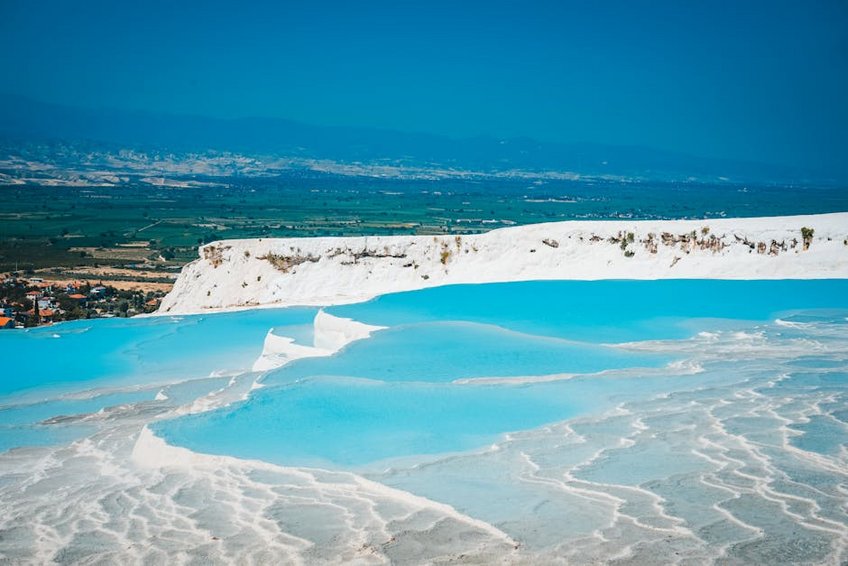
The Turkey Pamukkale Travertine Pools represent one of Earth’s most unique geological formations, featuring brilliant white terraces filled with thermal waters rich in minerals. These calcium carbonate deposits create a stunning landscape that has attracted visitors for centuries, combining natural beauty with ancient history from the nearby Hierapolis ruins. This guide covers everything from seasonal timing to cultural etiquette for planning your perfect visit to this UNESCO World Heritage site.
Essential Information About Pamukkale
Pamukkale, meaning “Cotton Castle” in Turkish, forms through hot springs depositing travertine, a sedimentary rock, across the hillside over millennia. The thermal waters maintain a constant temperature around 95°F (35°C) year-round, flowing from springs at the top of the terraces. This natural process creates the iconic white pools that change appearance throughout the day with shifting sunlight angles.
Hierapolis, the ancient city adjacent to the terraces, served as a therapeutic spa center during the Roman Empire around 2nd century BC. Archaeological remains include a well-preserved theater, necropolis, and antique pool where visitors can swim among submerged columns. The site’s dual status as both natural wonder and historical landmark makes it exceptional among global destinations.
Geological Formation Process
The travertine terraces develop through a precise chemical reaction involving calcium-rich spring water and atmospheric carbon dioxide. When the thermal water emerges, it releases CO2 and deposits calcium carbonate, which solidifies into the white limestone formations. This process continues today, though visitor access to some areas is restricted to preserve the delicate structures.
- Thermal springs originate from 17 separate sources with water temperatures between 95-100°F (35-38°C) and flow rates of 510 liters per second.
- Calcium carbonate concentration measures approximately 2.2 grams per liter, creating the brilliant white coloration through light reflection.
- Active deposition adds approximately 1mm of new travertine annually, though human interaction has altered natural formation patterns in recent decades.
- Budget travelers spend $40-60 daily using hostels, local restaurants, and public buses from Denizli, with site entrance costing $12 and simple meals around $5-8.
- Mid-range visitors allocate $80-120 per day for comfortable hotels in Pamukkale town, rental car or private transfers, and guided tours averaging $25-40 per person.
- Luxury experiences cost $150-300 daily featuring thermal spa hotels, private guides, fine dining, and potentially helicopter tours from nearby cities like Izmir or Antalya.
- Turkish Ministry of Culture and Tourism
- UNESCO World Heritage Centre
UNESCO World Heritage Designation
Pamukkale and Hierapolis received UNESCO World Heritage status in 1988 for representing exceptional natural phenomena and significant human history. The designation recognizes the unique interaction between the thermal spring formation and the ancient spa city that developed around it. UNESCO’s protection measures help balance tourism with preservation of the fragile travertine structures.
Conservation efforts include designated walking paths, restricted swimming areas, and mandatory barefoot traversal to minimize damage. Visitor numbers are monitored daily, with capacity limits during peak seasons to prevent overcrowding. The site management implements regular maintenance to ensure sustainable tourism while protecting the geological formations.
Modern Conservation Efforts
Turkish authorities have implemented extensive measures to restore and protect the travertine terraces since the 1990s. Artificial water channels were constructed to redirect thermal waters across dried-out sections, reviving the white coloration. These interventions have successfully restored approximately 70% of the terraces to their original appearance while maintaining the natural formation process.
Visitor regulations require removing shoes before walking on the travertines to prevent erosion and contamination. Designated swimming areas like the Antique Pool help concentrate foot traffic away from the most fragile formations. Ongoing scientific monitoring tracks water flow, mineral deposition rates, and structural integrity to inform future conservation strategies.
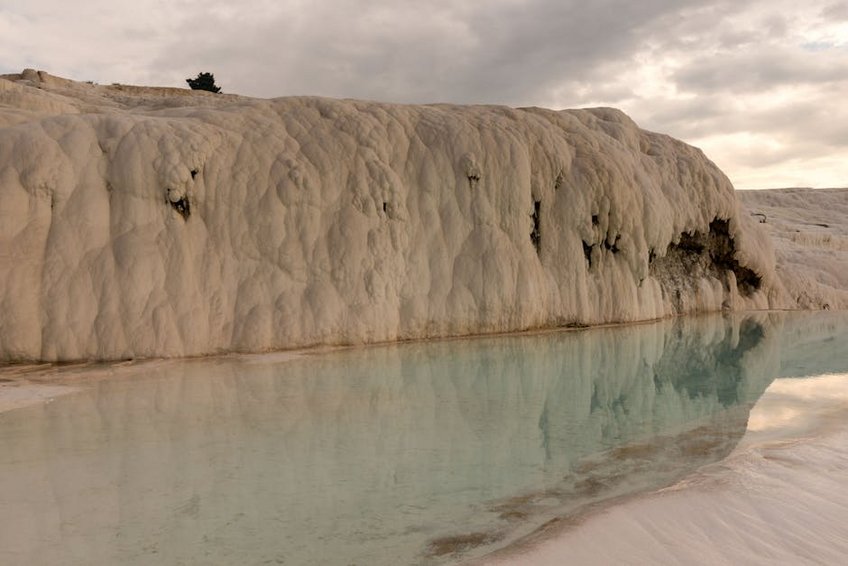
Alt: “pamukkale-travertine-terraces-white-calcium-carbonate-pools”
Planning Your Turkey Pamukkale Travertine Pools Trip
Your Turkey Pamukkale Travertine Pools experience requires careful timing to avoid extreme heat and crowds while maximizing photographic opportunities. Spring and autumn deliver ideal conditions with comfortable temperatures and softer lighting for capturing the brilliant white formations. Advance booking for accommodations and tours becomes essential during these popular seasons to secure preferred options.
Budget considerations should account for entrance fees, transportation between cities, and potential guided tour costs if desired. The site offers different ticket options including combination passes with Hierapolis archaeological area. Planning your itinerary around early morning or late afternoon visits helps avoid the midday sun when reflective surfaces create harsh lighting conditions.
Best Time to Visit Pamukkale
April through May and September through October provide optimal conditions with daytime temperatures between 65-75°F (18-24°C) and minimal rainfall. These shoulder seasons offer comfortable exploration weather without the intense summer heat that can reach 95°F (35°C) in July and August. Visitor numbers decrease by approximately 40% compared to peak summer months, reducing wait times and crowding.
Winter visits from November to March bring cooler temperatures of 45-55°F (7-13°C) and occasional rain, but offer the advantage of fewer tourists and potential hotel discounts. The thermal waters remain warm year-round, creating steam effects during colder mornings that enhance photography opportunities. Some facilities may have reduced hours during this off-season period.
Budget Planning and Costs
Your Pamukkale expenses vary significantly based on accommodation style, dining preferences, and transportation choices.
Essential Preparation Checklist
Pack lightweight, breathable clothing for daytime exploring plus layers for cooler evenings, with swimwear mandatory for the thermal pools. Sturdy water shoes protect feet on the rough travertine surfaces while complying with the barefoot requirement on the terraces themselves. Bring high-SPF sunscreen, polarized sunglasses to reduce glare, and a wide-brimmed hat for sun protection.
Documentation needs include your passport, Turkish visa if required (e-visa available for many nationalities), and travel insurance covering medical emergencies. Book accommodations at least two months ahead for spring/autumn visits, with confirmed reservations for popular hotels near the entrance. Download offline maps and translation apps since English proficiency varies outside major tourist areas.
Top Attractions and Activities
Pamukkale’s primary draw remains the breathtaking travertine terraces, but the adjacent Hierapolis archaeological site offers equally impressive historical exploration. The Antique Pool provides a unique swimming experience among submerged Roman columns with warm, mineral-rich waters believed to have therapeutic properties. Combining these elements creates a full-day itinerary that balances natural wonders with cultural discovery.
Early morning visits capture the terraces in optimal light with fewer visitors, while afternoons work better for exploring the ancient city ruins when shadows highlight architectural details. The necropolis, one of the largest in Turkey, contains elaborate tomb structures spanning several centuries of burial traditions. Evening visits during summer months sometimes feature sound and light shows illuminating the historical sites.
Must-See Highlights
The travertine terraces themselves offer constantly changing vistas as sunlight interacts with the white surfaces and blue pool waters. Start at the upper entrance near Hierapolis to walk downhill across the formations, stopping at designated photo points where the contrast between white limestone and blue sky appears most dramatic. The Cleopatra Antique Pool remains the most famous swimming spot, with water temperatures maintained at 96°F (36°C) year-round.
Hierapolis Theatre presents remarkably preserved seating for 15,000 spectators with intricate carved decorations and sweeping views across the valley. The archaeological museum housed in former Roman baths displays artifacts excavated from the site, including sarcophagi and religious items. The Plutonium, an ancient gateway to the underworld, demonstrates unique geological activity with carbon dioxide emissions that remain dangerous to approach without guides.
Hidden Gems and Local Favorites
Karahayit Hot Springs, located just 5km from Pamukkale, features unique red-colored waters from high iron content, creating a striking contrast to the white terraces. Local families frequent these less-crowded pools, especially during weekday mornings when tourist numbers are lowest. The surrounding village offers authentic Turkish breakfast cafes where you can observe daily life away from the main tourist circuit.
Ancient Laodicea, an archaeological site 15 minutes by car from Pamukkale, contains extensive Roman ruins including stadiums, temples, and one of the Seven Churches of Revelation. This destination receives far fewer visitors than Hierapolis while offering comparable historical significance and photographic opportunities. Local guides often provide more detailed explanations here due to smaller group sizes.
Thermal Pool Experiences
Beyond the main travertine pools, several licensed thermal facilities around Pamukkale offer controlled swimming environments with additional amenities. These establishments maintain water temperatures between 95-104°F (35-40°C) and often include massage services, traditional Turkish baths, and restaurant facilities. The mineral composition varies slightly between locations, with some specializing in specific therapeutic treatments for skin conditions or musculoskeletal issues.
Private thermal pools at upscale hotels provide exclusive access for guests, typically available from early morning until late evening. These facilities often feature temperature control options, underwater lighting for night swimming, and poolside service. Booking hotels with these amenities costs approximately 30-50% more than standard accommodations but offers convenience and privacy, especially for families with children.
Practical Travel Information
Pamukkale village serves as the primary base for visitors, offering accommodation ranging from budget hostels to luxury thermal hotels with direct terrace access. The nearest major city is Denizli, approximately 18km away, providing additional lodging options and better public transportation connections. Most visitors find staying in Pamukkale itself more convenient for early morning and evening access to the terraces.
Transportation options include regular minibuses (dolmuş) from Denizli bus station, rental cars from airports in Izmir or Antalya, and organized tours from coastal resorts. The site operates from 6:00 AM to 8:00 PM during summer months with extended hours for special events, while winter hours typically run 8:00 AM to 5:00 PM. Ticket prices include access to both the travertines and Hierapolis archaeological zone.
| Category | Options/Features | Price Range (USD) |
|---|---|---|
| Accommodation | Thermal hotels with pool access, family-run pensions, luxury resorts with spa facilities | $40-250 nightly |
| Transportation | Dolmuş from Denizli, rental cars, private transfers, guided tour buses | $5-150 per trip |
| Food & Dining | Local kebabs, traditional Turkish breakfast, international cuisine, thermal restaurant views | $8-40 per person |
| Tours & Guides | Archaeological tours, photography workshops, thermal therapy sessions, private guides | $25-120 per experience |