Turkey Lake Van Cat House: Exploring Turkey’s Unique Feline Sanctuary
The Turkey Lake Van Cat House represents a distinctive attraction blending animal conservation with cultural tourism in eastern Anatolia. This facility focuses on preserving the rare Van cat breed, known for its striking heterochromia and affinity for water, while offering visitors immersive educational experiences. Your guide covers visiting logistics, regional cultural context, and practical tips for maximizing this specialized destination.
Essential Van Cat Information
Located on the shores of Lake Van in eastern Turkey, this sanctuary protects the genetic heritage of the Van cat breed through controlled breeding and public education programs. These cats display unique characteristics including frequent heterochromia, semi-longhair white coats, and unusual swimming behavior documented since the breed’s formal recognition in the 1950s. The facility operates under Turkey’s Ministry of Agriculture and Forestry with specific conservation mandates.
Van cats represent one of Turkey’s national treasures with historical references dating to Armenian kingdoms inhabiting the region centuries before modern Turkish republic establishment. Local folklore describes the cats arriving on Noah’s Ark after the biblical flood waters receded, though scientific records confirm natural evolution in the isolated Lake Van basin. Their genetic isolation created distinctive traits preserved through this conservation initiative.
Van Cat Breed Characteristics
Understanding breed specifics enhances visitor appreciation for the conservation work.
- Physical traits include predominantly white semi-longhair coats, frequent odd-eyed appearance with one amber and one blue eye, and robust bodies adapted to the high-altitude continental climate around Lake Van.
- Behavioral characteristics feature unusual swimming capability, high intelligence levels, and strong bonding with human caregivers despite general independence common in natural breed populations.
- Conservation status remains vulnerable with estimated global population under 100 purebred specimens outside Turkey, making this facility critical for genetic diversity preservation through managed breeding programs.
- Budget travelers spend $35-50 daily using public transportation, guesthouse accommodations, and street food while visiting the cat house during free admission hours typically available weekdays before noon.
- Mid-range visitors allocate $75-120 daily for comfortable hotels, rental car access, restaurant meals, and guided regional tours including the cat sanctuary with specialized educational components.
- Luxury experiences cost $150-250+ daily featuring boutique hotels, private drivers, fine dining, and exclusive animal interaction sessions arranged through university veterinary department partnerships.
- Turkish Ministry of Culture and Tourism
- Lonely Planet Eastern Turkey Guide
Facility Location and Access
The cat house occupies dedicated buildings within Van Yüzüncü Yıl University campus approximately 5 kilometers from central Van city. Visitors access the facility via public transportation routes 4 and 7 from downtown, with taxi services available throughout the region for approximately 50-70 Turkish Lira per trip.
Regional infrastructure improved significantly following 2011 earthquake reconstruction, with modern highways connecting Van to airports and neighboring provinces. The sanctuary operates daily except Mondays from 9:00 AM to 5:00 PM local time, requiring approximately 1.5-2 hours for thorough visitation including educational displays and cat interaction areas.
Historical and Cultural Context
Van cats feature prominently in local Armenian and Turkish cultural heritage with archaeological evidence suggesting domestication dating to Urartian civilization periods around 1000 BCE. Modern conservation efforts intensified during the 1990s when population declines prompted government intervention through university partnerships.
The current facility opened its public wings in 2015 following extensive renovations improving animal welfare standards and visitor experience. Educational programs highlight the cats’ symbolic importance to regional identity alongside scientific conservation methodologies employed by veterinary staff.
Turkey Lake Van Cat House – Planning Your Visit
Successful Turkey Lake Van Cat House visits require understanding seasonal accessibility, budget considerations, and regional travel logistics specific to eastern Turkey. The high-altitude location experiences extreme temperature variations between seasons, affecting both travel comfort and cat viewing opportunities throughout the year.
Budget planning should account for regional economic factors with lower costs than western Turkish destinations but additional transportation expenses for reaching this relatively remote area. Advance accommodation reservations prove essential during peak visitation months when domestic tourism increases facility crowds significantly.
Cultural preparation includes learning basic Turkish phrases and understanding conservative dress norms predominant throughout the predominantly Kurdish eastern Anatolia region surrounding Lake Van.
Best Time to Visit Van Cat Sanctuary
Peak visitation months span May through September when temperatures range 65-80°F (18-27°C) with minimal precipitation disrupting travel plans. These months offer optimal conditions for combining cat house visits with Lake Van shoreline exploration and historical site tours throughout the region.
Shoulder seasons in April and October provide smaller crowds with temperatures 45-60°F (7-16°C) requiring warmer clothing but maintaining facility accessibility. Winter months from November to March see temperatures dropping to 15-30°F (-9 to -1°C) with potential transportation disruptions from heavy snowfall.
Budget Planning and Costs
Eastern Turkey offers budget-friendly travel options with these tiered expenditure categories.
Essential Preparation Checklist
Pack layered clothing accommodating temperature fluctuations between indoor facilities and outdoor environments, with modest attire respecting local cultural norms. Essential documentation includes passports with valid Turkish visas for non-exempt nationals, international driving permits for rental vehicles, and comprehensive travel insurance covering medical evacuation.
Technology preparation requires power adapters for Turkish Type F outlets (220V), offline maps for areas with limited connectivity, and translation apps facilitating communication with facility staff primarily speaking Turkish and Kurdish. Health considerations include altitude adjustment time for Lake Van’s 5,380-foot elevation and any necessary medications unavailable in regional pharmacies.
Alt: “van-cat-sanctuary-lake-van-turkey-conservation”
Top Regional Attractions and Activities
Eastern Anatolia offers diverse experiences complementing your cat sanctuary visit with historical, natural, and cultural attractions within practical day-trip distance. The region’s complex history spanning Urartian, Armenian, Ottoman, and modern Turkish periods creates layered cultural exploration opportunities beyond the specialized animal facility.
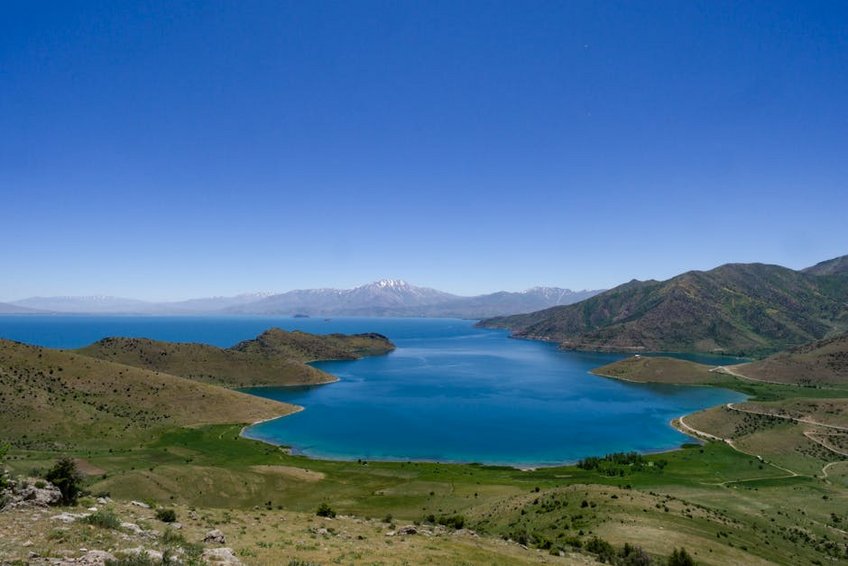
Lake Van itself provides stunning scenic backdrops for photography with its alkaline waters creating unique turquoise hues against surrounding mountain landscapes. Nearby historical sites including Akdamar Island and Van Castle deliver centuries of architectural heritage within compact geographical areas easily accessible via organized tours or independent transportation.
Must-See Highlights
Akdamar Island’s Armenian Church of the Holy Cross features exquisite 10th-century stone carvings accessible via regular ferry services operating from the mainland pier. The church underwent extensive restoration between 2005-2007 and now serves as both museum and cultural monument with admission costing approximately $5 USD including round-trip boat transportation.
Van Castle represents the ancient Urartian capital dating to the 9th century BCE with extensive ruins overlooking modern Van city from rocky outcrops. Visitors explore massive stone walls, royal tomb chambers, and cuneiform inscriptions while enjoying panoramic Lake Van views from the summit requiring moderate physical exertion for access.
The Van Museum houses regional archaeological artifacts spanning millennia including Urartian bronze works, Ottoman manuscripts, and ethnographic displays contextualizing local cultures. Allocate 2-3 hours for thorough exhibition viewing with English information panels available throughout most gallery sections.
Hidden Gems and Local Favorites
Çarpanak Island hosts a lesser-known Armenian church ruin accessible via private boat hires from Van marina, offering serene environments without peak season crowds. Local fishermen occasionally provide transportation for small groups when weather conditions permit safe crossing to the island’s protected harbor area.
Muradiye Waterfalls located 80 kilometers north of Van present spectacular natural scenery particularly during spring snowmelt periods when water volume peaks. The surrounding picnic areas attract local families on weekends, providing authentic cultural interaction opportunities beyond standard tourist itineraries.
Interactive Cultural Experiences
Traditional Kurdish carpet weaving demonstrations occur in villages surrounding Van, where visitors observe intricate textile production methods passed through generations. Several workshops accept visitors by appointment, explaining symbolic patterns and natural dye techniques creating these regional art forms.
Local culinary classes teach Van breakfast traditions featuring unique cheeses, honey varieties, and savory pastries specific to eastern Anatolian cuisine. These experiences typically include market tours identifying regional ingredients before hands-on cooking sessions in local home kitchens.
Practical Travel Information
Eastern Turkey requires specific logistical planning differing from western tourist centers like Istanbul or Cappadocia. Transportation options include domestic flights to Van Ferit Melen Airport from major Turkish cities, with connecting bus services covering regional destinations efficiently.
Accommodation ranges from basic guesthouses to international chain hotels, though luxury options remain limited compared to western Turkey. Advance reservations prove particularly important during July and August when domestic tourism peaks alongside international visitor numbers.
| Category | Options/Features | Price Range (USD) |
|---|---|---|
| Accommodation | Budget guesthouses, mid-range hotels, boutique properties | $25-150/night |
| Transportation | Public buses, rental cars, domestic flights, taxis | $5-100/day |
| Dining | Street food, local restaurants, hotel restaurants | $8-40/day |
| Activities | Sanctuary entry, guided tours, museum tickets | $5-75/activity |