Turkey Summela Monastery Cliffs: Ancient History Meets Dramatic Nature
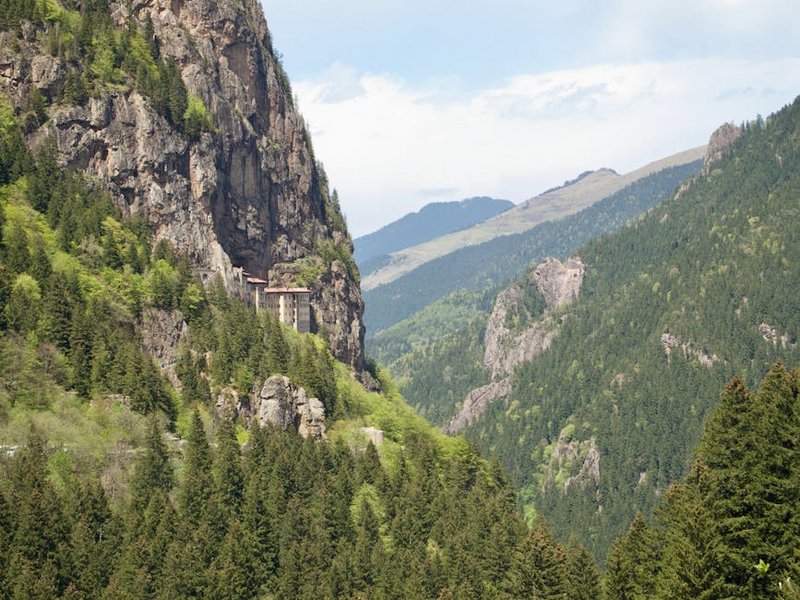
The Turkey Summela Monastery Cliffs represent one of the world’s most breathtaking historical sites, perched 1,200 meters high on the steep face of Mount Mela in Altindere Valley National Park. This Byzantine monastery complex dates to the 4th century AD and features stunning frescoes, hidden chapels, and architectural marvels built directly into the cliffside. Your visit combines rigorous hiking through pristine forests with profound cultural immersion into Eastern Orthodox heritage preserved for over sixteen centuries.
Essential Monastery Information
Sumela Monastery sits within the Pontic Mountains in Turkey’s Black Sea region, specifically in Maçka district of Trabzon Province. The monastery’s full Turkish name is Sümela Manastırı, and it operated continuously from 386 AD until the 1923 population exchange between Greece and Turkey. This UNESCO World Heritage tentative site underwent extensive restoration between 2015 and 2020, reopening to visitors with improved safety features and preserved artwork.
Altindere Valley National Park protects the monastery within its 4,800-hectare boundaries, featuring dense forests of Eastern spruce and Caucasian fir trees. The park maintains an average altitude between 1,100 and 1,300 meters, creating a cool microclimate even during summer months. Visitor numbers have increased steadily since restoration, with approximately 300,000 annual guests exploring the site between May and October.
What You Need to Know Before Visiting
Prepare for your monastery exploration with these essential details about access and facilities.
- Entry requires climbing 285 steep steps from the parking area, with handrails available but challenging for visitors with mobility issues or heart conditions.
- The monastery complex spans four main levels connected by narrow staircases and pathways, with the Church of the Virgin Mary containing the most significant frescoes from the 14th century.
- Restoration work continues periodically, so check the Turkish Ministry of Culture website for closure announcements, especially during winter months from November through March.
- Budget travelers should allocate $25-40 daily, using public dolmuş minibuses from Trabzon ($4 roundtrip), packing lunch, and staying in hostels ($15-20 nightly) in Maçka town rather than Trabzon city.
- Mid-range visitors typically spend $60-100 daily, including rental cars ($35 daily), comfortable hotels in Trabzon ($40-60 nightly), restaurant meals ($15-25 daily), and guided monastery tours ($20-30).
- Luxury experiences range from $150-300 daily, featuring private drivers ($80-120 daily), boutique hotels in Uzungöl ($100-180 nightly), fine dining in Trabzon ($40-60 per meal), and specialized photography tours ($75-100).
- Turkish Ministry of Culture and Tourism
- UNESCO World Heritage Centre
Key Historical Details
According to tradition, two Athenian monks named Barnabas and Sophronios founded the monastery after discovering a miraculous icon of the Virgin Mary in a mountain cave. The site expanded significantly during the Komnenian Empire in the 13th century, when Trabzon served as the capital of the Empire of Trebizond. Ottoman Sultan Mehmed II granted protection to the monastery after his conquest of Trabzon in 1461, allowing Orthodox Christian worship to continue uninterrupted for centuries.
The monastery’s most valuable artifact was the Sumela Icon of the Virgin Mary, which Greek monks transported to Greece during the 1923 population exchange. Today, that icon resides in the new Sumela Monastery near Veria, Greece, while the Turkish site preserves the original architecture and remaining frescoes. Major conservation projects between 2015 and 2020 stabilized the cliffside structures and cleaned centuries of soot from the interior paintings.
The Monastery’s Architectural Layout
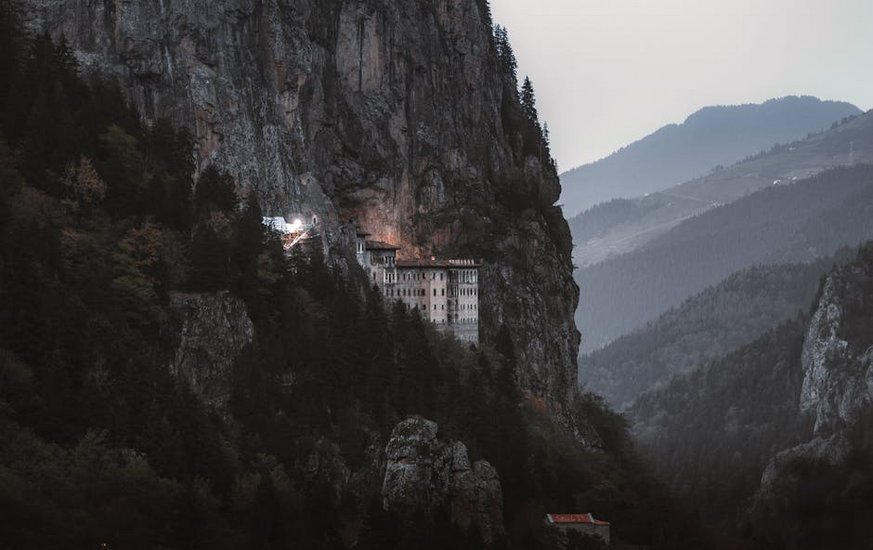
Sumela Monastery features a complex multi-level design adapted perfectly to the vertical cliff environment. The Rock Church forms the spiritual center, carved directly into the mountain face and decorated with frescoes depicting biblical scenes and saints. A rectangular library building housed precious manuscripts before their transfer to Ankara, while monastic cells, guest quarters, and a sacred spring complete the functional spaces.
The architectural style blends Byzantine masonry with local Pontic construction techniques, using stone from the mountain itself. Engineers installed sophisticated water channels and storage systems to collect mountain spring water, ensuring self-sufficiency for the monastic community. Defensive walls and watchtowers protected the monastery during various conflicts throughout its long history.
Alt: “sumela-monastery-cliffside-architecture-black-sea-region”
Turkey Summela Monastery Cliffs – Planning Your Trip
Successful visits to the Turkey Summela Monastery Cliffs require careful timing and preparation due to the site’s mountainous location and seasonal accessibility. The monastery operates from 8:00 AM to 7:00 PM during summer months, with last entry at 6:15 PM sharp. Purchase tickets online through the Turkish Ministry of Culture website to avoid long queues, especially on weekends when local families visit from Trabzon.
Budget approximately $40-60 per person for transportation, entry fees, and guide services if visiting independently from Trabzon city. Guided tours from Istanbul typically cost $350-500 including flights, offering better value for first-time visitors to Turkey. The Turkish Museum Pass provides excellent value at $85 for 15 days, covering entry to Sumela Monastery and hundreds of other historical sites nationwide.
Physical preparation proves essential for enjoying the monastery experience, with the climb equivalent to 15-20 flights of stairs at high altitude. Wear sturdy hiking shoes with good grip, as the stone pathways become slippery after rain or during morning dew. Carry water and light snacks, as food options remain limited within the national park boundaries.
Best Time to Visit Sumela Monastery
Visit between late May and early October for optimal weather conditions, with daytime temperatures ranging from 65-75°F (18-24°C) and minimal rainfall. July and August offer the warmest conditions around 73°F (23°C) but attract the largest crowds, particularly during Turkish school holidays. September provides ideal conditions with comfortable temperatures around 68°F (20°C) and significantly fewer visitors after the summer peak.
Shoulder seasons in May and October see temperatures drop to 55-60°F (13-16°C) with increased rain likelihood, though the misty atmosphere enhances the mystical quality of the monastery. Winter visits from November through April prove challenging, with temperatures often below freezing and snow closing access roads periodically. Check local weather forecasts diligently if planning off-season exploration, as conditions change rapidly in the Pontic Mountains.
Budget Planning and Costs
Manage your travel expenses effectively with these budget tier recommendations for different travel styles.
Essential Preparation Checklist
Pack layered clothing suitable for mountain weather, including a waterproof jacket, warm fleece, and breathable base layers regardless of season. Sturdy hiking boots with ankle support prove essential for navigating the uneven stone pathways and numerous stairs throughout the monastery complex. Bring a daypack containing at least 1 liter of water per person, high-energy snacks, sunscreen, and a basic first aid kit for minor emergencies.
Ensure your passport remains valid for at least six months beyond your travel dates, though most Western visitors receive 90-day visa-free entry to Turkey. Purchase comprehensive travel insurance covering emergency evacuation, as the remote mountain location presents unique challenges for medical emergencies. Download offline maps of Trabzon province and essential Turkish phrases, as English proficiency decreases significantly outside major tourist areas.
Top Attractions and Activities
Beyond the monastery itself, Altindere Valley National Park offers numerous additional attractions worth exploring during your visit. The park features several well-marked hiking trails ranging from easy 1-hour walks to challenging 4-hour treks through pristine old-growth forests. Local guides provide invaluable insight into the region’s unique flora and fauna, including endemic bird species and ancient trees exceeding 500 years in age.
Nearby Uzungöl Lake presents a spectacular secondary destination, located approximately 90 minutes from the monastery by car. This stunning mountain lake surrounded by traditional wooden houses offers boating, fishing, and numerous photography opportunities throughout the year. The surrounding villages maintain authentic Laz culture and cuisine, providing a fascinating contrast to the historical aspects of the monastery visit.
Must-See Monastery Highlights
The Church of the Virgin Mary contains the monastery’s most impressive frescoes, depicting scenes from the Bible and lives of saints in vibrant colors preserved through centuries. These artworks represent different historical periods, with the earliest examples dating to the 9th century and later additions from the 18th century. Visit during morning hours when sunlight illuminates the interior naturally, creating optimal viewing conditions for the detailed paintings.
The monastic library building, though now empty of its original manuscripts, showcases impressive stone masonry and offers panoramic views across the valley from its elevated position. The sacred spring believed to have healing properties continues to flow within a small chapel, where visitors can still collect water using provided cups. The kitchen and bakery areas demonstrate the self-sufficient nature of the monastic community, with original ovens and food preparation spaces intact.
Several hidden chapels and meditation caves dot the cliffs around the main complex, accessible via narrow pathways that require careful navigation. These secluded spaces offer quiet reflection opportunities away from the main tourist flow, particularly during busy afternoon hours. The defensive walls and watchtowers provide fascinating insight into the monastery’s strategic importance throughout various historical conflicts.
Hidden Gems and Local Favorites
Vazelon Monastery located deeper in the forests offers a more rustic alternative to Sumela, with fewer visitors and equally impressive cliffside construction. This smaller monastery requires a 2-hour hike from the nearest road but rewards explorers with complete solitude and untouched architectural details. Local guides in Maçka can arrange visits to Vazelon, though advance planning proves essential due to the challenging access.
The traditional villages surrounding Altindere Valley maintain authentic Black Sea culture, with distinctive wooden architecture and unique culinary traditions. Kayabaşı Village features several family-run guesthouses offering homemade meals featuring local specialties like kuymak (cornmeal with cheese) and hamsi (Black Sea anchovies). These communities provide genuine hospitality experiences far removed from mainstream tourism, with many residents maintaining ancestral connections to the monastery’s history.
Hiking the Monastery Trails
Several well-marked trails connect the monastery to other points of interest within Altindere Valley National Park, ranging from easy walks to challenging climbs. The main path from the parking area to the monastery entrance spans approximately 1.5 kilometers with an elevation gain of 300 meters, requiring 30-45 minutes at a moderate pace. This route features interpretive signs explaining the local ecosystem and monastery history, with several resting points offering photographic opportunities.
More experienced hikers can attempt the Karçal Mountains trail, which begins near the monastery and ascends to altitudes exceeding 3,000 meters over 2-3 days. This challenging route requires proper equipment and guide assistance, but rewards adventurers with unparalleled views and complete wilderness immersion. Always register with park authorities before attempting extended hikes, as weather conditions change rapidly in the high mountains.
Practical Travel Information
Trabzon Airport (TZX) serves as the primary gateway to the region, with direct flights from Istanbul, Ankara, and several European cities including Berlin and Düsseldorf. The airport lies approximately 45 kilometers from Sumela Monastery, requiring 60-90 minutes by road depending on traffic conditions. Rental car agencies operate at the airport, though many visitors prefer hiring drivers familiar with the mountainous roads.
Public transportation options include frequent dolmuş (shared minibuses) from Trabzon city to Maçka town, with connecting services to the monastery entrance during peak season. These affordable options cost $3-5 per person but operate on irregular schedules, particularly during off-peak months. Private taxis from Trabzon to the monastery cost $25-40 roundtrip, with waiting time included in the negotiated price.
| Category | Options/Features | Price Range (USD) |
|---|---|---|
| Accommodation | Hostels in Maçka, hotels in Trabzon, boutique resorts in Uzungöl with mountain views | $15-180 nightly |
| Transportation | Dolmuş minibuses, rental cars, private drivers, taxis from Trabzon airport | $4-120 daily |
| Activities | Monastery entry, guided hikes, photography tours, cultural workshops in local villages | $10-100 per experience |
| Food & Dining | Street food, local restaurants, hotel dining, specialty Black Sea cuisine experiences | $5-60 daily |