Summiting Greece’s Mount Olympus: Complete Guide
Climbing Greece Mount Olympus Summit combines ancient mythology with modern adventure across rugged terrain reaching 2,917 meters elevation. Your ascent rewards with panoramic Aegean Sea views, diverse ecosystems from forests to alpine zones, and connection to legendary home of Greek gods. This guide covers essential preparation, seasonal timing, and practical logistics for successfully reaching Mytikas peak.
Essential Olympus Information
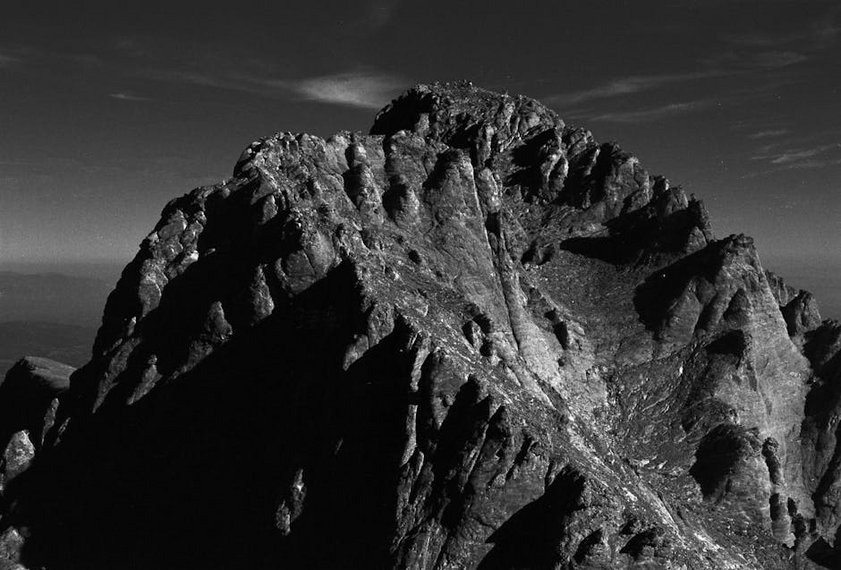
Mount Olympus stands as Greece’s highest mountain in the Olympus Range, located in Thessaly near the Aegean Sea. The massif features over 50 peaks with Mytikas as the tallest at 9,573 feet (2,917 meters), creating a natural border between Macedonia and Thessaly. Its unique biodiversity includes 1,700 plant species and rare wildlife like chamois and golden eagles.
Olympus gained international recognition when designated Greece’s first National Park in 1938 and later a UNESCO Biosphere Reserve. The mountain’s geological formation began 200 million years ago through tectonic activity, with its current shape emerging during the Pleistocene ice ages. Modern climbing history dates to 1913 when Swiss photographers Frédéric Boissonnas and Daniel Baud-Bovy made the first recorded ascent.
Mythological Significance and Legacy
Ancient Greeks believed Olympus served as the divine residence for the Twelve Olympian gods led by Zeus. The mountain’s often cloud-shrouded summit reinforced its mystical status in Homer’s Iliad and Odyssey. Modern visitors still sense this spiritual connection while hiking through landscapes that inspired millennia of mythology.
- Zeus’s Throne: Explore locations associated with the king of gods, including the Stefani peak often called Thronos Dios (Throne of Zeus)
- Mouson Plateau: Walk through areas dedicated to the Nine Muses, where ancient poets sought inspiration
- Ancient Dion: Visit the archaeological site at Olympus’s foothills featuring temples to Zeus and Demeter
- Budget independent climb: $400-600 covers refuge dorm beds at $15-25 nightly, self-catered meals, public transport from Thessaloniki, and basic equipment rental
- Mid-range guided experience: $700-900 includes two nights refuge accommodation, professional guide services, most meals, and transfer from Litochoro
- Full-service expedition: $1,000-1,200 provides private refuge rooms, all meals, equipment rental, airport transfers, and photography services
- Greek National Tourism Organization
- Olympus National Park Management Agency
Geographic and Environmental Overview
The Olympus massif spans 500 square kilometers with dramatic elevation changes from sea level to summit within 18 kilometers. Its unique position creates multiple microclimates supporting beech-fir forests up to 2,400 meters and alpine meadows above. The Enipeas River Gorge cuts through the eastern slopes with waterfalls and natural pools.
Conservation efforts protect 43 mammal species, 108 bird types, and numerous reptiles across eight distinct vegetation zones. Summer temperatures range from 68°F to 80°F (20°C to 27°C) at base levels, dropping below freezing at summit year-round. Snow persists on north-facing slopes from November through June.
Modern Climbing Development
Organized climbing began after the 1913 ascent, with the first refuge built in 1930 and the E4 European long-distance path established later. The Olympic Mountain Climbing and Skiing Club formed in 1931, creating marked trails and safety systems. Today, approximately 10,000 climbers attempt the summit annually with professional guides available.
Infrastructure now includes six mountain refuges, maintained trails, and rescue services operated by the Hellenic Rescue Team. The most popular route from Litochoro to Summit takes two to three days round-trip. Advance booking remains essential during July and August peak season.
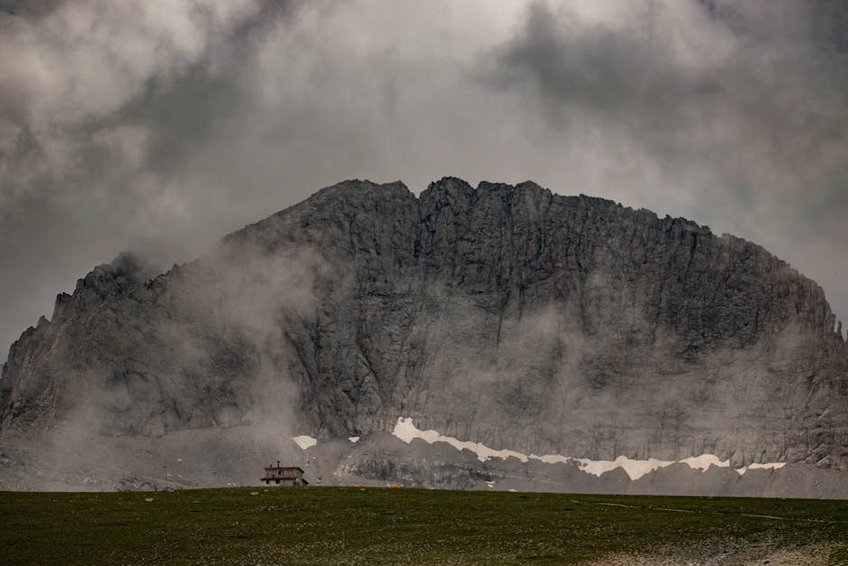
Alt: “mount-olympus-summit-trail-hikers-greece”
Greece Mount Olympus Summit – Planning Your Trip
Successful Greece Mount Olympus Summit adventures require careful timing between June and September when trails become snow-free and refuges operate fully. You’ll need three to four days minimum for proper acclimatization and summit attempt, accounting for weather changes that can occur rapidly. Budget between $400 and $1,200 per person depending on guide services, accommodation level, and equipment rental needs.
Physical preparation should include regular cardio training three months prior, focusing on stair climbing with 15-20 pound packs. Technical climbing experience isn’t mandatory for the standard route, but scrambling skills help on the final summit section. Permits aren’t required for independent climbing, but registering at refuges provides safety tracking.
Best Time to Visit Mount Olympus
July through August offers the most stable weather with average temperatures of 50°F to 68°F (10°C to 20°C) at higher elevations and minimal snow coverage. These months provide 12-14 hours of daylight but bring crowded trails requiring refuge reservations three months ahead. Afternoon thunderstorms occur frequently, necessitating early summit attempts.
June and September shoulder seasons feature cooler temperatures of 41°F to 59°F (5°C to 15°C) with fewer crowds and available accommodation. Snow patches may persist on north-facing sections above 2,500 meters during June, requiring extra caution. September offers spectacular autumn colors but shorter days with summit starts before 6 AM.
Budget Planning and Costs
Your Olympus climb budget varies significantly based on guiding needs and comfort preferences.
Essential Preparation Checklist
Physical training should incorporate hiking with weighted packs three times weekly, plus cardiovascular exercise maintaining 70-80% maximum heart rate. Focus on leg strength and balance exercises since the trail involves 5,900 feet (1,800 meters) elevation gain over rocky terrain. Altitude acclimatization happens naturally on the two-day itinerary if you sleep at lower refuges first.
Essential gear includes waterproof hiking boots with ankle support, layered clothing for temperature shifts, headlamp with extra batteries, and emergency shelter. Navigation requires detailed maps or GPS since weather changes quickly reduce visibility. Carry at least two liters of water daily, with purification tablets for refilling at streams.
Top Attractions and Activities
Beyond the summit climb, Olympus National Park offers spectacular day hikes to waterfalls, ancient sites, and panoramic viewpoints accessible to various fitness levels. The Enipeas Gorge trail features impressive rock formations, natural pools, and diverse flora across its 10-kilometer length. Cultural enthusiasts should allocate time for Dion archaeological museum displaying artifacts from Zeus worship sites.
Adventure options include via ferrata routes on challenging faces, mountain biking through forest trails, and winter snowshoeing when conditions permit. Local guides offer mythology tours explaining connections between landscape features and ancient stories. Photography workshops focus on capturing golden hour light across the Aegean Sea from high elevations.
Must-See Highlights
Mytikas Summit delivers breathtaking 360-degree views spanning the Thermaic Gulf, Pelion Peninsula, and distant Macedonian peaks on clear days. The final 100-meter scramble requires hands-on climbing up loose rock, creating an exhilarating finish to the journey. Summit early to avoid afternoon clouds and capture sunrise photographs.
Prionia starting point serves as the main trailhead with parking, water source, and last supplies before ascending. This location marks the beginning of the ancient path pilgrims used toward Dion, surrounded by dense black pine forests. Arrive by 7 AM to secure parking during peak season.
Spilios Agapitos Refuge (Refuge A) provides the most popular overnight stop at 6,890 feet (2,100 meters) with hot meals and dorm accommodation. The surrounding meadow displays stunning wildflowers from June to August, with resident marmots often visible at dawn. Book beds two months ahead for July-August visits.
Hidden Gems and Local Favorites
Petrostrouga Refuge offers quieter alternative accommodation with spectacular sunset views over the Litochoro coast away from main trail crowds. The approach trail winds through ancient Bosnian pine forests with fewer hikers, creating peaceful hiking experience. Reserve through the Hellenic Federation of Mountaineering for authentic local hospitality.
Agia Triada Monastery near Litochoro features 14th-century frescoes and traditional architecture with monk-guided tours explaining the site’s significance. The monastery maintains ancient manuscripts and icons related to mountain spirituality, providing cultural context before your climb. Visit during morning hours when illumination best highlights artwork.
Hiking Routes and Trail Options
Standard E4 Route from Litochoro follows the Enipeas Gorge to Prionia, then ascends to Refuge A before summit day, covering 13.5 miles (21.7 km) total. This well-marked path gains 5,380 feet (1,640 meters) elevation with water sources every 2-3 hours and refuge spacing ideal for acclimatization. Allow 2-3 days round-trip with overnight at 2,100 meters.
Gortsia Approach begins on the western side with gentler gradient through fir forests, joining main trail near Skolio peak. This alternative sees fewer hikers and offers different perspectives of the massif, though requires car transfer to trailhead. The route adds approximately four miles but reduces scrambling sections.
Practical Travel Information
Litochoro serves as the primary gateway with bus connections from Thessaloniki International Airport (SKG), car rental agencies, and tourist information. The town offers supermarkets, outdoor gear shops, and accommodation ranging from hostels to luxury hotels with mountain views. Base yourself here for 1-2 nights pre-climb for supplies and last-minute preparations.
Mountain refuges provide basic dorm accommodation with communal kitchens, though most offer hot meals and limited supplies at premium prices. Sleeping bag liners are mandatory in all refuges, with pillows and blankets provided. Advance reservations guarantee space, while walk-ins depend on cancellation availability.
| Category | Options/Features | Price Range (USD) |
|---|---|---|
| Accommodation | Refuge dorms, private rooms, Litochoro hotels | $15-150 nightly |
| Transportation | Rental car, taxi, KTEL bus from Thessaloniki | $20-80 daily |
| Guided Services | Summit guides, equipment rental, photography tours | $50-200 daily |
| Food/Supplies | Restaurant meals, refuge dining, supermarket supplies | $15-40 daily |