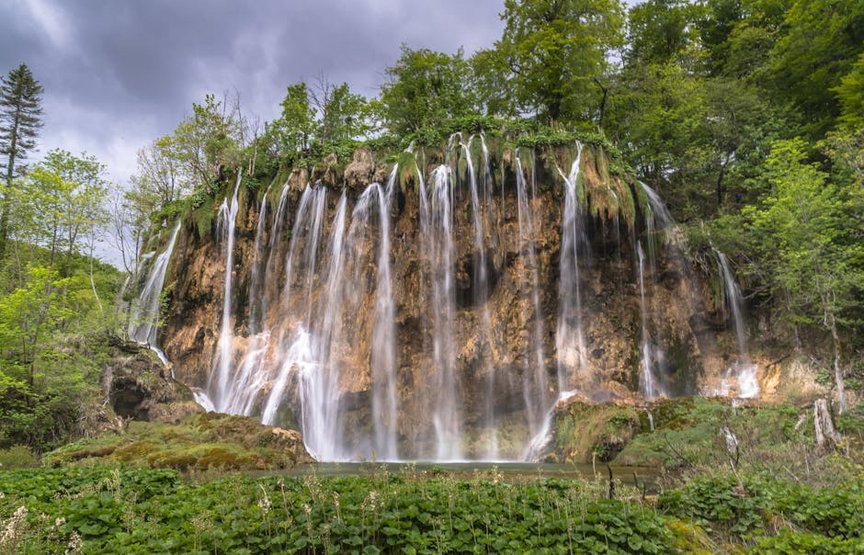
Croatia Plitvice National Park: Your Guide to the Waterfall Wonderland
Croatia Plitvice National Park showcases sixteen turquoise lakes interconnected by spectacular waterfalls across nearly 300 square kilometers of protected Croatian wilderness. Your visit reveals wooden walkways winding through limestone canyons, electric boat rides across Kozjak Lake, and hiking trails through beech and fir forests teeming with diverse wildlife. This comprehensive guide covers seasonal strategies, budget-friendly approaches, and insider tips for maximizing your Plitvice Lakes adventure.
Essential Park Information
Plitvice Lakes National Park earned UNESCO World Heritage status in 1979 for its exceptional natural beauty and unique geological processes creating travertine barriers. The park spans two counties—Lika-Senj and Karlovac—featuring Upper Lakes (Gornja jezera) and Lower Lakes (Donja jezera) with elevation differences reaching 135 meters. Visitors access well-maintained paths, shuttle buses, and boats included with admission tickets for seamless exploration.
This protected area represents one of Europe’s oldest national parks, established in 1949, preserving habitats for brown bears, wolves, and over 160 bird species. The travertine-forming process continues daily as mineral-rich waters deposit calcium carbonate, gradually building new waterfalls and reshaping existing formations. Conservation efforts maintain strict regulations against swimming to protect these delicate natural processes.
Park Geography and Layout
Understanding the park’s division helps planning efficient routes through different scenic zones.
- Upper Lakes: Twelve lakes including Prošćansko jezero and Ciginovac feature gentle waterfalls and lush vegetation across higher elevation plateaus, accessible via Entrance 2 with easier walking trails.
- Lower Lakes: Four dramatic lakes like Milanovac and Gavanovac showcase the park’s tallest waterfalls including the 78-meter Great Waterfall (Veliki slap), best reached from Entrance 1 with steeper paths.
- Kozjak Lake: The largest and deepest lake at 82 hectares serves as the central connecting point with electric boat transfers between upper and lower sections throughout operating hours.
- Budget travelers spend $50-75 daily using camping or hostel accommodations outside the park, self-prepared meals, and shoulder season one-day tickets costing approximately $25-40 per person with online discounts.
- Mid-range visitors allocate $100-150 daily for private guesthouses in nearby villages like Mukinje, restaurant meals averaging $15-25, and two-day park passes providing relaxed exploration across different zones.
- Luxury experiences range $200-300+ daily featuring park-view hotels, guided photography tours, fine dining at Lička kuća restaurant, and private transfers from Zagreb or Zadar airports.
- Plitvice Lakes National Park Official Website
- Lonely Planet Croatia Travel Guide
Historical Significance and Protection
Croatia’s dedication to preserving this natural treasure spans generations with evolving conservation approaches. The area gained protection status before modern environmental movements, recognizing its unique hydrological system and biodiversity value. UNESCO designation highlighted the ongoing travertine formation processes as outstanding universal value worth global preservation.
Modern management balances tourism demands with ecosystem protection through timed entry systems, designated pathways, and educational programs. Visitor numbers exceeded 1.8 million annually pre-pandemic, requiring careful crowd management strategies during peak seasons. The park authority implements sustainable tourism practices including waste reduction and renewable energy use.
Flora and Fauna Diversity
Plitvice’s ecosystems support remarkable biological richness across forest, aquatic, and karst environments. Old-growth forests contain beech, fir, and spruce trees centuries old, creating habitat for European brown bears, lynx, and wolves though sightings remain rare. Birdwatchers spot eagles, owls, and kingfishers throughout the park’s varied microclimates.
The aquatic environments host endemic species like the olm salamander and trout species adapted to the mineral-rich waters. Spring brings spectacular wildflower displays including orchids and lilies along pathways, while autumn colors transform the landscape with vibrant foliage. Park regulations protect these delicate ecosystems through strict stay-on-path rules.
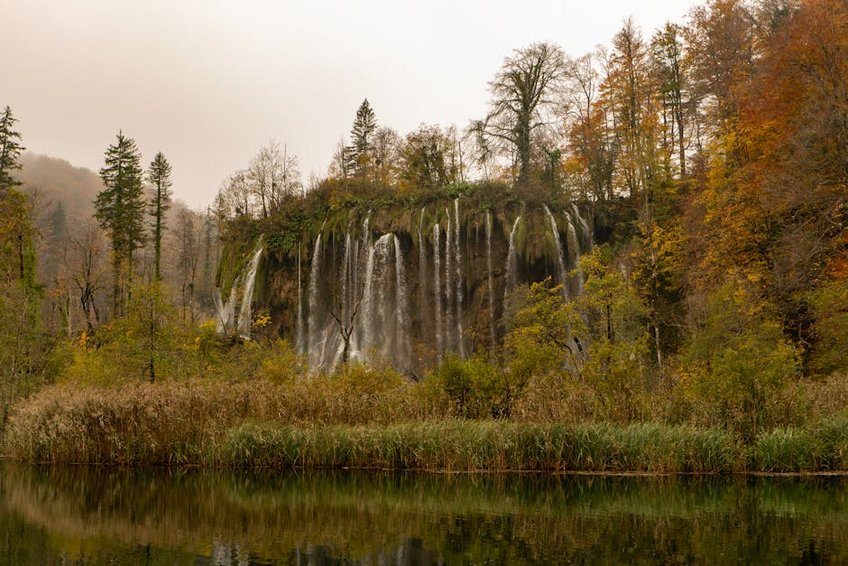
Alt: “plitvice-lakes-waterfall-cascades-wooden-walkways”
Croatia Plitvice National Park – Planning Your Visit
Successful Croatia Plitvice National Park exploration requires strategic timing decisions and advance preparations to avoid crowds while experiencing optimal conditions. Summer months bring warmer weather but significant visitor numbers, while winter offers frozen waterfalls with minimal crowds but limited access to some trails. Shoulder seasons provide ideal balance with comfortable temperatures and reduced attendance.
Budget considerations should include park admission, transportation between entrances, accommodation in nearby villages, and meal costs averaging $25-40 daily. Purchase tickets online weeks ahead for peak season visits to guarantee entry, as daily caps frequently sell out by mid-morning. Pack comfortable waterproof footwear, layered clothing, and rain protection for changeable mountain weather.
Best Time to Visit Plitvice Lakes
Visit Plitvice between May-June or September-October for optimal weather conditions averaging 60-75°F (15-24°C) with manageable crowds and full trail access. July-August sees peak visitation exceeding 10,000 daily visitors with temperatures reaching 85°F (29°C), requiring early morning arrivals before 8 AM to experience popular sections peacefully.
Winter months from November-March offer magical frozen landscapes with temperatures between 25-40°F (-4 to 4°C) and occasional snowfall transforming waterfalls into ice sculptures. Limited trail access applies during freezing conditions, with Upper Lakes typically remaining open while Lower Lakes sections may close temporarily. Check park websites for current conditions before winter visits.
Budget Planning and Costs
Plitvice visits fit various budget levels through strategic planning and off-season timing.
Essential Preparation Checklist
Proper preparation ensures comfortable exploration across Plitvice’s varied terrain and changeable weather conditions. Pack waterproof hiking shoes with good grip for wooden walkways, layered clothing for temperature shifts, and rain gear regardless of forecast. Bring refillable water bottles, snacks, sunscreen, and cameras with extra batteries for full-day exploration between facilities.
Secure necessary documents including valid passport for non-EU visitors, travel insurance covering outdoor activities, and printed or digital park tickets with QR codes. Book accommodations three months ahead for summer visits, and arrange rental cars for flexibility exploring surrounding Lika region attractions. Download offline maps and check park websites for any trail closures before departure.
Top Attractions and Activities
Plitvice Lakes National Park delivers breathtaking natural wonders through carefully designed visitor experiences highlighting diverse geological formations and ecosystems. The iconic wooden walkways provide intimate waterfall views while electric boats offer panoramic perspectives across Kozjak Lake. Eight designated routes cater to different fitness levels and time constraints, ranging from 2-8 hour circuits.
Photography opportunities abound throughout the park with golden hour lighting enhancing turquoise waters and waterfall mist creating rainbows during midday sun. Early morning visits capture tranquil reflections on lake surfaces before boat operations begin, while late afternoons provide softer lighting for landscape shots. Tripod use requires careful positioning to avoid blocking narrow pathways during busy periods.
Must-See Highlights
Veliki Slap (Great Waterfall) plunges 78 meters from the Upper Lakes into the Lower Lakes canyon, creating the park’s most photographed scene accessible via staircase from Entrance 1. This powerful waterfall originates from the Plitvica Stream and represents Croatia’s tallest waterfall, with viewing platforms providing dramatic perspectives from multiple angles.
Šupljara Cave offers unique underground viewing of waterfalls through karst formations near the Lower Lakes, reached via metal staircases with moderate climbing requirements. The cave’s opening frames perfect waterfall compositions for photographers while providing cool respite during summer heat. Combine this with nearby Milanovac Lake for comprehensive Lower Lakes exploration.
Kozjak Lake boat transfers deliver relaxing transportation between park sections while offering unparalleled views of surrounding cliffs and forests. The electric boats operate continuously between P1, P2, and P3 stations, with the journey between Upper and Lower Lakes taking approximately 20 minutes. Morning rides often feature misty lake conditions creating ethereal atmospheres.
Hidden Gems and Local Favorites
Prošćansko Lake, the highest Upper Lake, receives fewer visitors despite its serene beauty and accessible pathways from Entrance 2. This tranquil area features smaller cascades and dense forest surroundings ideal for birdwatching and peaceful contemplation away from main tourist flows. The hike from here to Ciginovac Lake showcases pristine wilderness with minimal crowds.
Plitvica River origin point near Entrance 2 reveals the hydrological source feeding the entire lake system through modest springs that eventually form massive waterfalls downstream. Educational displays explain the travertine formation process while shaded benches provide resting spots. Local guides often start tours here to contextualize the park’s geological significance.
Hiking Trail Recommendations
Route C spans 4-6 hours covering both Upper and Lower Lakes highlights using boat and train transfers included with admission. This moderately challenging path delivers comprehensive park experiences with approximately 8 kilometers walking distance and minimal elevation gain. Start early from Entrance 2 to experience Upper Lakes before crowds arrive.
Route K extends 6-8 hours for dedicated hikers seeking complete park immersion across 18 kilometers with significant elevation changes. This strenuous circuit requires good physical condition but rewards with secluded viewpoints and varied ecosystems. Pack ample water and food for this full-day adventure, utilizing park transportation for return segments.
Practical Travel Information
Reaching Plitvice Lakes requires planning as the park sits approximately 2 hours from both Zagreb and Zadar, Croatia’s primary international gateways. Rental cars provide maximum flexibility for exploring surrounding regions, while public buses offer economical alternatives with multiple daily departures. Parking fills quickly at both entrances, arriving before 9 AM guarantees spots during peak season.
Accommodation options range from campgrounds and hostels to luxury hotels, with closest availability in villages like Mukinje, Rastovaca, and Korenica. Base yourself within 10 kilometers for early park access, booking months ahead for summer visits. Dining options inside the park remain limited to basic cafes, while nearby villages offer traditional Croatian restaurants.
| Accommodation Type | Features and Location | Price Range (USD) |
|---|---|---|
| Camping | Korana Campground with tent sites, basic facilities, 5km from Entrance 1, shared bathrooms | $15-30/night |
| Guesthouses | Family-run properties in Mukinje village, private rooms, breakfast included, 2km from Entrance 2 | $50-80/night |
| Mid-Range Hotels | Hotel Plitvice with park views, restaurant, pool, shuttle service, adjacent to Entrance 2 | $120-180/night |
| Luxury Hotels | Ethno Houses with premium amenities, spa services, fine dining, private balconies with lake views | $200-350/night |