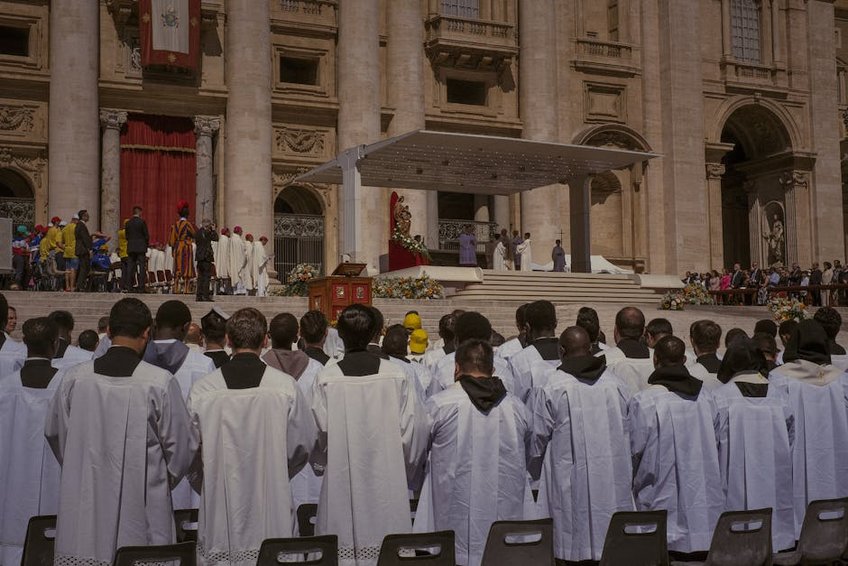
Vatican City Sistine Chapel: Art and Access Guide
Visiting the Vatican City Sistine Chapel immerses you in Renaissance masterpieces within the world’s smallest sovereign state. You’ll witness Michelangelo’s ceiling frescoes and “The Last Judgment” amid opulent papal history spanning five centuries. This guide covers timed entry strategies, dress code essentials, and maximizing your two-hour window inside the chapel.
Essential Vatican City Information
Vatican City occupies 109 acres surrounded by Rome, functioning as an independent city-state since the 1929 Lateran Treaty. The Sistine Chapel serves as the papal conclave location while welcoming over 6 million annual visitors through the Vatican Museums. Entry requires passing through extensive security checks and museum galleries before reaching the chapel itself.
Michelangelo spent four years painting the 12,000 square foot ceiling between 1508-1512, working primarily alone on scaffolding. Recent restoration revealed vibrant original colors obscured by centuries of candle smoke and grime. The chapel’s architectural proportions precisely mirror Solomon’s Temple from biblical descriptions.
Historical Significance and Context
Understanding these key facts enhances your appreciation of this UNESCO World Heritage site.
- The Sistine Chapel ceiling depicts nine scenes from Genesis, including the iconic “Creation of Adam” with nearly touching fingers.
- Papal conclaves have elected new popes here since 1492, with smoke signals indicating voting results.
- Vatican City maintains its own postal system, euro currency, and Swiss Guard protection since 1506.
- Budget travelers spend $25-35 on basic skip-the-line tickets, bringing water and snacks while using free audio apps. Save by visiting free St. Peter’s Basilica separately and walking from nearby Metro stations.
- Mid-range visitors invest $50-65 for guided tours with dedicated chapel entry and headsets. This includes Vatican Museums navigation and priority security screening, worth the extra $25 time savings.
- Luxury experiences cost $75-85 for early access, breakfast, or evening tours with 20-person limits. These provide photography opportunities in nearly empty rooms and expert art historical context.
- Official Vatican Museums Website
- Rome.net Vatican Visitor Guide
Visitor Experience Overview
Expect substantial crowds year-round, with peak congestion between 11 AM and 3 PM daily. The chapel enforces strict silence policies, though murmurs often rise toward the famous frescoes. Photography remains prohibited to preserve the artwork, with guards frequently reminding visitors.
Audio guides provide excellent commentary for the 7-kilometer museum route preceding the chapel. Temperature stays constant at 68°F (20°C) with humidity control protecting the artworks. Allow three hours minimum for the full Vatican Museums and Sistine Chapel experience.
Architectural and Artistic Details
The chapel measures 134 feet long, 44 feet wide, and 68 feet high, creating perfect acoustics for choir performances. Twelve windows along each side wall illuminate Botticelli’s frescoes depicting Moses and Christ parallel lives. Michelangelo’s “Last Judgment” behind the altar showcases 300 figures painted twenty years after the ceiling.
Restoration between 1980-1994 removed animal glue and centuries of dirt from the fresco surfaces. Controversy arose regarding color brightness, though experts confirmed Michelangelo’s original palette. The marble screen dividing the chapel dates from the 15th century.
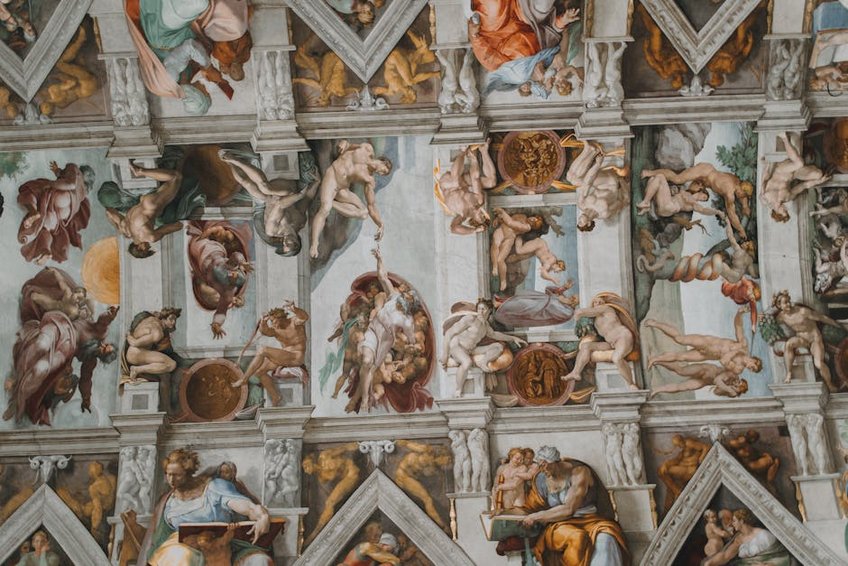
Alt: “vatican-city-sistine-chapel-michelangelo-ceiling-detail”
Vatican City Sistine Chapel – Planning Your Trip
Your Vatican City Sistine Chapel visit demands strategic planning to avoid wasting hours in queues. Pre-book skip-the-line tickets online at least one month ahead, selecting earliest morning or late afternoon slots. Consider guided tours offering dedicated chapel access through the Group Entrance.
Budget $25-50 for basic admission, with premium options reaching $85 for breakfast inclusions or evening access. Shoulder seasons from April-May and September-October provide better visibility with 30% fewer visitors. Summer visits require hydration and patience amid 90°F (32°C) Roman heat.
Best Time to Visit Vatican City
April through June offers ideal conditions with temperatures between 65-75°F (18-24°C) and longer daylight hours. July and August see extreme crowds and heat exceeding 85°F (29°C), though Wednesday papal audiences create unique opportunities. Winter months from November to February provide shorter lines but colder 45-55°F (7-13°C) weather.
Shoulder seasons balance comfortable climate with manageable visitor numbers around 15,000 daily versus summer’s 25,000. Last Sunday of each month offers free admission, resulting in exceptionally long queues starting before dawn. Early Tuesday mornings typically show the lightest weekly attendance patterns.
Budget Planning and Costs
These three tiered options accommodate different spending levels while ensuring chapel access.
Essential Preparation Checklist
Pack shoulder-covered clothing and knee-length skirts or trousers, as guards enforce strict dress codes. Comfortable walking shoes prove essential for the 4-mile museum route before reaching the chapel itself. Bring water, sunscreen, and a portable fan for summer visits when temperatures soar.
Secure passports for identity verification during ticket checks, though EU citizens can use national IDs. Book flights three months ahead for best rates to Rome Fiumicino Airport (FCO). Purchase comprehensive travel insurance covering trip interruptions and medical emergencies within Italy.
Top Attractions and Activities
Beyond the Sistine Chapel, Vatican City contains multiple world-renowned artistic and religious sites. St. Peter’s Basilica features Michelangelo’s Pietà and Bernini’s baldachin over the papal altar. The Vatican Museums house classical sculptures, Raphael Rooms, and contemporary religious art collections.
Necropolis tours beneath the basilica reveal ancient Roman tombs and possible St. Peter’s burial site. Swiss Guard changing ceremonies occur daily at courtyard entrances, showcasing Renaissance uniforms. Climb the basilica dome for panoramic Rome views spanning 360 degrees.
Must-See Highlights
Michelangelo’s “Creation of Adam” draws the largest crowds, located centrally on the Sistine Chapel ceiling. Position yourself near the chapel entrance for optimal upward viewing angles without neck strain. Early morning visits provide clearer visibility before daylight creates glare on the fresco surfaces.
Raphael’s “School of Athens” in the Stanze della Segnatura showcases philosophical greats in perfect perspective. The Gallery of Maps features 40 topographical panels from 1580 showing Italian regions. St. Peter’s Square, designed by Bernini, represents the church embracing faithful with its colonnade arms.
The Pietà sculpture remains protected behind glass after a 1972 attack, yet reveals incredible marble detail. Bronze Holy Door opens only during Jubilee years for special pilgrimage passages. Vatican Gardens tours require separate booking but offer tranquil escape from museum crowds.
Hidden Gems and Local Favorites
Carriage Pavilion within the gardens displays papal vehicles including the first Vatican automobile. Bramante Staircase’s double helix design allowed simultaneous ascent and descent without congestion. Contemporary art collection includes works by Matisse and Van Gogh, often overlooked by visitors.
Vatican Pharmacy near St. Anne’s Gate sells exclusive products and medications not available elsewhere. Post Office locations offer special Vatican stamps valued by collectors worldwide. Evening visits occasionally available from April through October provide unique lighting on artworks.
Art Restoration Insights
Ongoing conservation projects rotate through different museum sections annually, with details posted online. The Restoration Laboratory occasionally offers public viewing opportunities through special tours. Modern techniques use laser cleaning and microscopic analysis to preserve original artist materials.
Recent projects focused on Raphael’s tapestries and ancient Roman marble sculptures in the Pio-Clementine Museum. Digital technology creates virtual reconstructions showing artworks’ original appearances. Conservation philosophy emphasizes reversible treatments respecting future technological advances.
Practical Travel Information
Vatican City accessibility requires navigating Rome’s public transport or taxis from central locations. Metro Line A reaches Ottaviano station, followed by a 10-minute walk to museum entrances. Taxis cost $15-20 from historic center hotels, though traffic causes significant delays mornings.
Accommodations in Prati district provide walking access to Vatican walls within 15 minutes. Three-star hotels average $150 nightly, while luxury options near St. Peter’s Square exceed $400. Book three months ahead for Easter or Christmas seasons when pilgrim numbers peak.
| Experience Type | Features and Inclusions | Price Range (USD) |
|---|---|---|
| Basic Admission | Vatican Museums and Sistine Chapel access, audio guide available separately | $25-35 |
| Guided Tour | Skip-the-line entry, dedicated chapel access, expert guide, headsets | $50-65 |
| Early/Late Access | Limited groups, photography opportunities, extended viewing time | $75-85 |
| Comprehensive Package | Vatican Gardens, necropolis, all museums, meal inclusion | $100-150 |