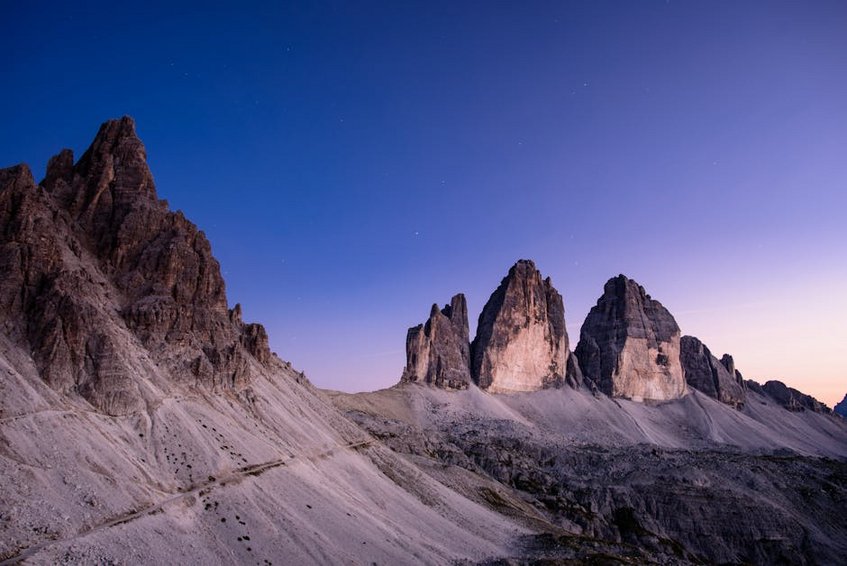
Italy Dolomites Tre Cime: Alpine Hiking and Photography Guide
Exploring Italy Dolomites Tre Cime immerses you in dramatic limestone peaks and pristine alpine landscapes perfect for hiking and photography. This UNESCO World Heritage site in northern Italy offers accessible trails, crystal-clear lakes, and breathtaking vistas across South Tyrol and Belluno provinces. Our guide provides seasonal advice, budget planning, and insider tips for navigating this spectacular mountain range efficiently.
Essential Dolomites Information
The Dolomites mountain range spans over 141,000 hectares across five Italian provinces, featuring unique pale-colored rock formations formed 280 million years ago. UNESCO designated it a World Heritage site in 2009 for its outstanding natural beauty and geological significance. Summer temperatures range from 50-75°F (10-24°C) while winter brings snow from November to April.
This region combines Italian and Austrian cultures, with German and Ladin languages spoken alongside Italian in many villages. Infrastructure includes well-marked trails, mountain refuges, and cable cars facilitating access to high-altitude areas. The Alta Via routes offer multi-day trekking opportunities through the most scenic sections.
Key Geological Features
Understanding the landscape enhances your appreciation of this unique destination.
- The distinctive pale dolomite rock contains magnesium-rich minerals that glow pink at sunrise and sunset, creating phenomenal photography conditions throughout the seasons.
- Ancient coral reefs fossilized into vertical walls and spires now reach elevations over 10,000 feet, with Tre Cime peaking at 9,839 feet (2,999 meters) above sea level.
- Glacial activity carved deep valleys and created emerald lakes like Lago di Braies and Lago di Sorapis, which remain frozen from December through March most years.
- Budget travelers can manage on $50-75 daily by staying in dormitory-style refuges ($25-40 nightly), preparing own meals, and using public transportation. Focus on free hiking trails and picnic lunches while limiting cable car expenses.
- Mid-range options cost $100-150 daily covering private refuge rooms ($60-90), restaurant meals ($25-40 daily), and occasional guided tours ($50-75). This budget allows comfort while experiencing local cuisine and convenient transportation.
- Luxury experiences run $200-300+ daily featuring boutique hotels ($120-200), fine dining ($60-100), private guides ($150-250 daily), and premium activities like via ferrata with equipment rental. This level provides maximum comfort and personalized itineraries.
- Dolomites UNESCO World Heritage Site
- Lonely Planet Dolomites Travel Guide
Regional Cultural Blend
South Tyrol’s unique history creates a fascinating cultural mosaic throughout the Dolomites region. Austrian influence remains strong in architecture, cuisine, and language since the area belonged to Austria-Hungary until 1919. Many residents speak German as their first language, with Italian and Ladin (a Rhaeto-Romance language) completing the linguistic tapestry.
Traditional alpine customs thrive through annual events like cattle drives to high pastures in June and harvest festivals in September. Mountain refuges often serve both Italian pasta and Austrian-style dumplings, reflecting the border region’s culinary diversity. This cultural blend makes the Dolomites particularly interesting for travelers seeking authentic European mountain experiences.
Protected Area Regulations
The Dolomites UNESCO site operates under strict environmental protection guidelines to preserve its fragile ecosystems. Overnight camping outside designated areas requires permits, while drone usage faces restrictions in most zones to protect wildlife. The park authority maintains over 400 marked trails with regular maintenance from May through October.
Mountain refuges provide accommodation but require advance booking during July and August peak season. Park entry remains free, though some access roads charge tolls (typically $10-25 per vehicle) and cable cars cost $15-35 per person round trip. These measures help manage visitor impact while maintaining accessibility.
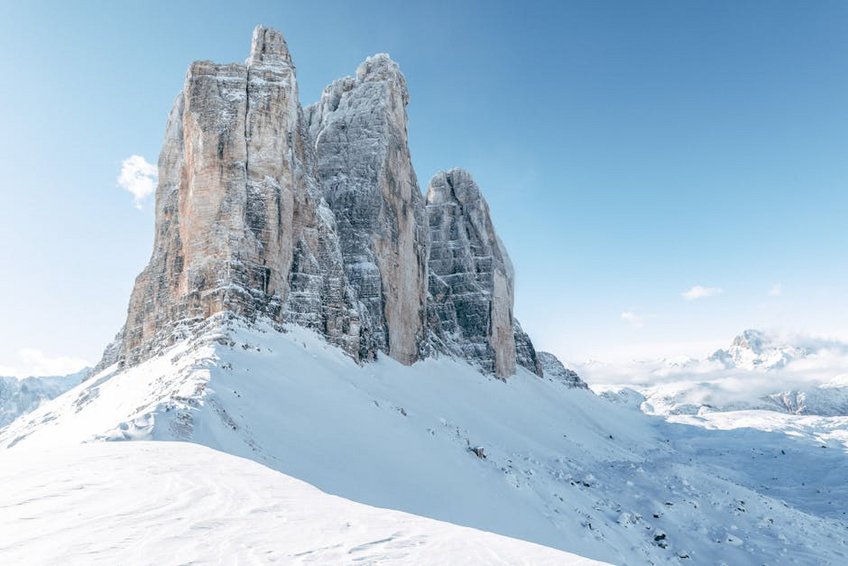
Alt: “tre-cime-dolomites-sunrise-hiking-trail-mountains”
Italy Dolomites Tre Cime – Planning Your Trip
Proper preparation ensures you maximize your Italy Dolomites Tre Cime experience while navigating seasonal variations and logistical challenges. Summer months deliver optimal hiking conditions with long daylight hours, while winter transforms the landscape into a snow-covered paradise for ski touring and photography. Budget between $75-150 daily for mid-range travel, accounting for accommodation, meals, and transportation.
Advanced reservations become essential from June through September, particularly for mountain refuges and popular guided tours. The region offers excellent infrastructure, but remote areas require self-sufficiency and appropriate gear for changing mountain weather. Planning flexibility allows you to adapt to conditions while capturing the best moments.
Best Time to Visit Tre Cime
Visit between late June and mid-September for prime hiking conditions with minimal snow coverage and temperatures ranging from 55-70°F (13-21°C). July and August offer the warmest weather but attract crowds, requiring earlier trail starts to secure parking at popular trailheads. These months provide 14-16 hours of daylight for extended exploration.
Shoulder seasons in June and September deliver cooler temperatures of 45-65°F (7-18°C) with fewer visitors and vibrant wildflowers or autumn colors. Winter visits from December to March require specialized gear for snowshoeing or ski touring in temperatures from 20-35°F (-6 to 2°C). Each season offers distinct advantages depending on your preferred activities.
Budget Planning and Costs
Daily expenses vary significantly based on accommodation style and dining preferences.
Essential Preparation Checklist
Pack layered clothing including waterproof jackets, moisture-wicking base layers, and insulated mid-layers for sudden weather changes at high elevations. Sturdy hiking boots with ankle support prove essential for rocky trails, while microspikes provide traction for early season hikes with residual snow. Always carry navigation tools, headlamps, and emergency supplies.
US passport holders need no visa for stays under 90 days but should carry passport copies and European health insurance cards. Book accommodations 3-6 months ahead for July-September visits, with refuge reservations requiring non-refundable deposits. Check trail conditions daily via local tourism offices or park websites before departure.
Top Attractions and Activities
Tre Cime di Lavaredo serves as the Dolomites’ iconic centerpiece, but the surrounding region offers countless additional wonders for outdoor enthusiasts. The classic loop trail around Three Peaks provides accessible hiking with phenomenal viewpoints, while nearby areas feature via ferrata routes, glacial lakes, and traditional villages. Photography opportunities abound throughout the day as light transforms the pale rock formations.
Lesser-known valleys like Val Fiscalina and Val di Landro offer quieter alternatives with equally stunning landscapes and wildlife viewing chances. The Dolomites provide activities for all skill levels, from gentle lakeside walks to challenging multi-day treks across high passes. Each area reveals different aspects of this magnificent mountain range.
Must-See Highlights
Hike the 6-mile Tre Cime loop trail for breathtaking close-up views of the three iconic peaks and surrounding dolomite formations. Start early to avoid crowds and capture morning light illuminating the north faces, with numerous photography spots along the route. The trail remains accessible from June to October, with refuge stops for refreshments.
Visit Lago di Braies for its stunning emerald waters framed by mountains, accessible via a gentle 2-mile path or boat rental in summer months. Arrive before 9 AM or after 4 PM to avoid day-tour crowds and capture reflection shots during calm morning hours. Parking costs approximately $10 daily from May to October.
Ride the cable car to Seceda plateau for panoramic views of Odle Group peaks and verdant valleys stretching toward Austria. The $35 round-trip journey delivers incredible vistas without strenuous hiking, with restaurant facilities at the summit. Visit during late afternoon for optimal photography light across the jagged ridges.
Hidden Gems and Local Favorites
Discover Cadini di Misurina, a dramatic rock formation east of Tre Cime offering spectacular photography with fewer visitors than the main circuit. The challenging trail requires sure footing but rewards with unparalleled views of sharp pinnacles and deep valleys. Early morning hikes provide the best light and solitude.
Explore Val di Funes for iconic church photography with Geisler peaks backdrop, particularly at Santa Maddalena and San Giovanni churches. The valley remains less crowded than central Dolomites areas, with numerous gentle trails through meadows and forests. Stay overnight to capture sunset and sunrise scenes.
Visit Lago di Sorapis for its stunning turquoise waters accessed via a moderate 2-hour hike from Passo Tre Croci. The glacier-fed lake’s intense color peaks in July and August, though the trail remains accessible from June to October. This destination requires early arrival as parking fills quickly during peak season.
Via Ferrata and Climbing Options
The Dolomites invented via ferrata (iron way) routes during World War I, now offering secured climbing experiences for adventurous travelers. Tre Cime area features several graded routes from beginner (A/B) to expert (D/E), requiring harnesses, helmets, and via ferrata kits. Guided tours cost $80-120 per person including equipment.
Classic routes include Ivano Dibona near Tre Cime with historic sections and incredible exposure, suitable for intermediates with previous experience. Summer months provide optimal conditions, though afternoon thunderstorms necessitate early starts. Always check weather forecasts and route conditions before attempting any via ferrata.
Practical Travel Information
Reaching the Dolomites involves flying into Venice Marco Polo (VCE), Munich (MUC), or Innsbruck (INN) airports, then driving 2-4 hours to various valley bases. Rental cars provide flexibility for exploring multiple areas, though efficient bus systems connect major towns and trailheads during summer months. Regional trains serve larger communities like Bolzano and Cortina d’Ampezzo.
Accommodation ranges from luxury hotels in Cortina to rustic mountain refuges along hiking routes, with agriturismo farms offering authentic rural experiences. Advance booking becomes crucial from June through September, with many refuges requiring 3-6 month reservations. Most establishments accept credit cards, though remote refuges may require cash.
| Accommodation Type | Features and Amenities | Price Range (USD) |
|---|---|---|
| Mountain Refuges | Dormitory or private rooms, shared bathrooms, half-board meals, spectacular locations | $40-100 nightly |
| Agriturismo Farms | Private rooms, homegrown meals, family atmosphere, valley locations | $80-150 nightly |
| Mid-Range Hotels | Private bathrooms, breakfast included, village centers, parking available | $120-220 nightly |
| Luxury Properties | Spa facilities, fine dining, panoramic views, concierge services | $250-500+ nightly |