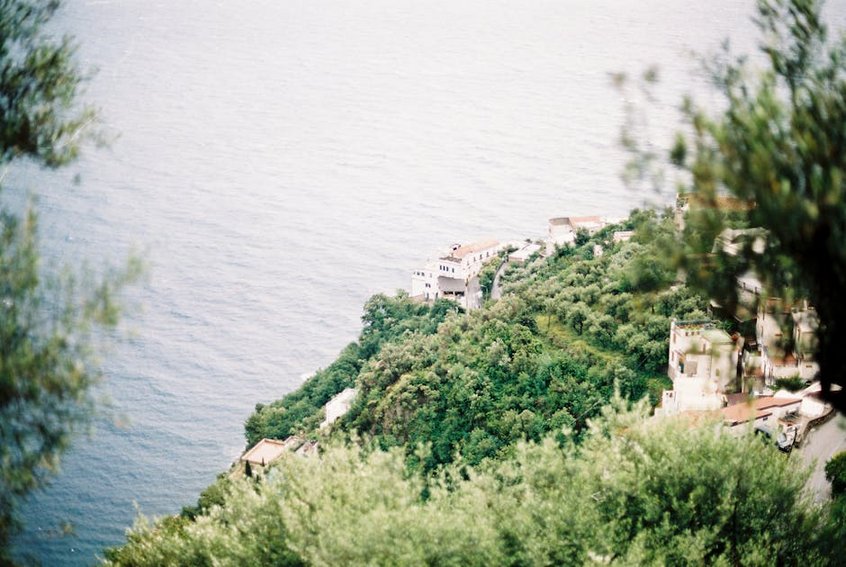
Italy Amalfi Coast Positano: Coastal Beauty and Italian Charm
The Italy Amalfi Coast Positano delivers stunning Mediterranean landscapes with colorful villages perched above turquoise waters. This UNESCO World Heritage site spans 50 kilometers of coastline featuring dramatic cliffs, lemon groves, and historic footpaths connecting thirteen picturesque towns. Our guide covers seasonal travel strategies, accommodation options across budgets, and authentic cultural experiences for your coastal Italian adventure.
Essential Amalfi Coast Information
The Amalfi Coast stretches along southern Italy’s Sorrentine Peninsula in Campania region. This spectacular coastline features vertical villages built into steep cliffs overlooking the Tyrrhenian Sea. Visitors discover centuries-old architecture, terraced vineyards, and Mediterranean flora throughout the coastal area.
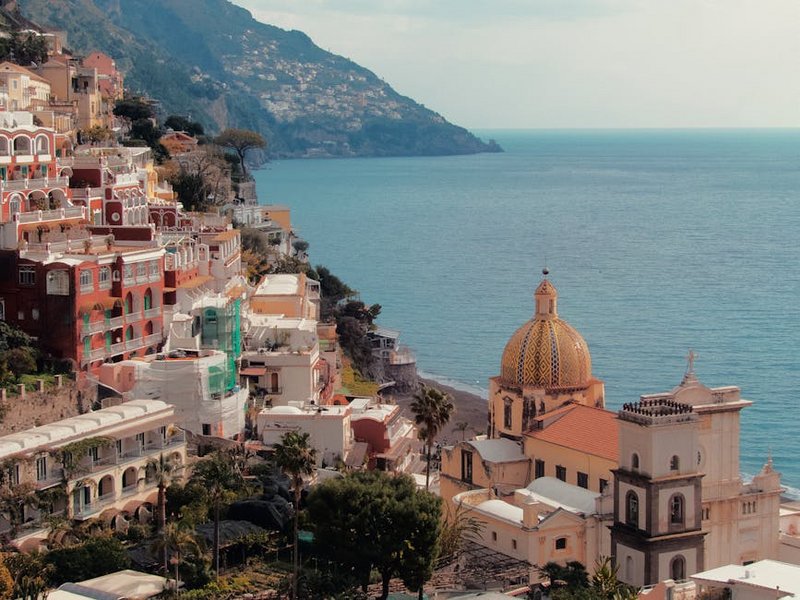
Positano serves as the coast’s most photographed destination with its cascading pastel buildings. The village’s vertical layout means you’ll navigate numerous staircases and narrow pathways between attractions. Meanwhile, Amalfi town offers historic cathedral squares and paper museum exhibits.
Key Geographical Facts
Understanding the region’s layout helps with trip planning and navigation between destinations.
- The Amalfi Coast extends approximately 50 kilometers from Positano to Vietri sul Mare with elevations reaching 1,444 meters at Monte Cervati.
- Positano occupies the western end while Ravello perches high above Amalfi town offering panoramic coastal vistas from villa gardens.
- Thirteen municipalities comprise the coastline with ferry connections operating seasonally between major towns from April through October.
- Budget travelers should allocate $100-150 daily covering hostel dorm beds, supermarket meals, and local bus transportation while enjoying free beach access and village exploration.
- Mid-range visitors spending $200-350 daily secure private hotel rooms with sea views, restaurant dining, and occasional boat tours while utilizing ferry services between towns.
- Luxury experiences costing $400-800 daily include five-star hotels with infinity pools, private boat charters, gourmet dining, and guided tours with specialized photography sessions.
- Official Amalfi Coast Tourism Board
- Italian National Tourist Board – Amalfi Coast
Historical Background
This coastline has served as an important Mediterranean trading route since Roman times. Amalfi established itself as a powerful maritime republic during the Middle Ages rivaling Pisa and Genoa. The region’s distinctive architecture developed from practical cliffside construction techniques.
Modern tourism emerged during the 18th century Grand Tour era when European aristocrats discovered the coast’s natural beauty. Twentieth-century artists and writers including John Steinbeck further popularized the area through their works. Today, sustainable tourism initiatives protect the cultural and environmental heritage.
Climate and Environment
The Mediterranean climate delivers mild winters and warm, dry summers perfect for coastal exploration. Summer temperatures average 82°F (28°C) while winter months maintain comfortable 50°F (10°C) averages. The region receives approximately 300 sunny days annually with occasional rainfall concentrated in November.
Lemon terraces produce the famous Sfusato Amalfitano lemons used in limoncello liqueur. Olive groves and vineyards dot the landscape alongside Mediterranean macchia vegetation. The marine protected area conserves important aquatic ecosystems along the coastline.
Italy Amalfi Coast Positano – Planning Your Trip
Successful Italy Amalfi Coast Positano visits require strategic timing and advance reservations during peak seasons. The narrow coastal roads experience significant traffic between June and August making alternative transportation preferable. Booking accommodations three months ahead secures better rates and preferred locations.
Spring and fall shoulder seasons offer ideal conditions with fewer crowds and pleasant temperatures. Consider basing yourself in Positano for classic views or selecting less crowded towns like Praiano for easier access. Ferries provide scenic transportation between coastal villages avoiding road congestion.
Best Time to Visit Amalfi Coast
Visit between May and June for optimal weather with temperatures ranging 68-77°F (20-25°C) and minimal rainfall. These months deliver comfortable hiking conditions and operational ferry services before summer crowds arrive. Hotel rates remain reasonable compared to July and August peak pricing.
September through October provides another excellent window with sea temperatures still swimmable at 72°F (22°C). The autumn grape harvest adds cultural interest while accommodation availability improves. Winter visits from November to March suit travelers preferring solitude despite some business closures.
Budget Planning and Costs
Amalfi Coast travel expenses vary significantly based on accommodation choices and dining preferences.
Essential Preparation Checklist
Pack comfortable walking shoes with good grip for navigating steep pathways and uneven stone stairs throughout coastal villages. Lightweight layers accommodate temperature changes between sunny coastal areas and shaded alleyways. Include swimwear, beach towels, and reef-safe sunscreen for Mediterranean swimming opportunities.
Secure comprehensive travel insurance covering medical emergencies and trip cancellations before departure. European visitors require valid EHIC cards while Americans need passports with at least six months validity. Download offline maps and translation apps since English proficiency varies outside tourist areas.
Top Attractions and Activities
Positano’s Spiaggia Grande presents the iconic beach scene with colorful umbrellas against cliffside architecture. The Path of the Gods hiking trail delivers breathtaking coastal panoramas from Agerola to Nocelle above Positano. Amalfi’s Cathedral of Saint Andrew showcases Arab-Norman architectural influences with its striking facade and cloister.
Boat tours departing from Positano, Amalfi, and Salerno reveal hidden sea caves and secluded beaches inaccessible by land. Emerald Grotto near Conca dei Marini features otherworldly light effects through an underwater opening. Ravello’s Villa Cimbrone gardens offer romantic vistas from the Terrace of Infinity overlooking the coastline.
Must-See Highlights
Positano’s Church of Santa Maria Assunta contains the 13th-century Byzantine Black Madonna icon above the main altar. The Marincanto private beach provides luxurious sunbathing facilities with direct sea access below the village center. Forno Beach offers a more intimate coastal experience reachable via boat or descending 150 steps from the road.
Amalfi’s Paper Museum occupies a 13th-century paper mill demonstrating traditional papermaking techniques. The Cloister of Paradise adjacent to Amalfi Cathedral features 120 marble columns surrounding palm trees and ancient sarcophagi. Atrani presents the coast’s smallest fishing village with its picturesque piazza and medieval architecture.
Hidden Gems and Local Favorites
Discover Fiordo di Furore, a dramatic fjord-like inlet with a stone beach and historic bridge featured in Italian films. The Vallone delle Ferriere natural reserve near Amalfi contains rare prehistoric ferns and waterfalls along shaded pathways. Santa Croce Church in Positano’s higher reaches provides quiet contemplation spaces with lesser-known coastal views.
Local fishermen sometimes offer informal boat trips from smaller marinas like Praiano or Minori during early mornings. Family-owned ceramic workshops in Vietri sul Mare demonstrate traditional painting techniques passed through generations. The Sentiero degli Dei alternative route from Bomerano to Nocelle avoids the most crowded trail sections.
Coastal Exploration Methods
Ferry services operated by Travelmar and NLG connect major towns from April through October with journey times between 20-60 minutes. These boats provide the most scenic transportation while avoiding traffic congestion on the narrow SS163 coastal road. Purchase day passes for unlimited hop-on-hop-off access between villages.
Renting a small boat from Positano or Amalfi marinas enables independent exploration of hidden coves and swimming spots. Hiking trails like the Valley of the Mills offer inland alternatives to coastal paths with different perspectives. Local SITA buses serve all towns regularly though space becomes limited during peak hours.
Practical Travel Information
Naples International Airport (NAP) serves as the primary gateway located 60 kilometers from Positano with transfer options including private cars, shared shuttles, and circumvesuviana trains to Sorrento. Salerno Railway Station provides alternative access from Rome and northern Italy with connecting ferry services to Amalfi Coast towns.
Accommodation ranges from luxury hotels with infinity pools to family-run guesthouses and vacation apartments. Positano offers the most concentrated upscale options while smaller towns provide better value and authentic experiences. Advance reservations are essential from May through September with minimum stay requirements during peak periods.
| Accommodation Type | Features and Amenities | Price Range (USD) |
|---|---|---|
| Budget Guesthouse | Basic rooms, shared bathroom, central location | $80-120/night |
| Mid-Range Hotel | Sea view balcony, breakfast included, air conditioning | $200-350/night |
| Luxury Resort | Infinity pool, spa services, private beach access | $400-800/night |
| Vacation Rental | Full kitchen, multiple bedrooms, terrace with views | $250-500/night |